An empty hotel room is a surprisingly complicated thing. Somewhere, somebody wants to sleep in it. Somewhere else, a booking system has a price for it. Between the two sit contracts, computers, names for room types and several opportunities for a perfectly reasonable transaction to go astray. Mike Putman has spent much of his working life in that space between wanting a trip and actually taking one.
He began with a travel agency in the American Southeast. He founded an online travel business in 1995, moved into larger distribution operations and eventually started Custom Travel Solutions. Today, the Greenville, South Carolina-based founder works on travel platforms that often wear somebody else’s name. He also co-hosts a podcast in which the practicalities of travel can become a cheerful argument.
His impatience with unsold rooms is a useful thing to keep in mind while looking at his career. The technology changes considerably. The business still has to bring the available room and the prospective guest together, at a price and through a process that both sides can accept.
The internet arrives at the travel agency
Putman’s early business was Putman Travel. A travel agency is an education in consequences: an attractive destination still needs a workable itinerary, and an itinerary has to survive contact with timetables. The customer experiences the whole arrangement as one trip, even when several different businesses are responsible for delivering it.
In 1995, he founded 11thHourVacations.com. The name carried a deadline in its luggage. This was early online travel, when buying a holiday on a computer was still a departure from the familiar agency transaction. His business dealt in complex travel, putting him close to the awkward combinations that resist a simple list of products and prices.
He sold the venture to OneTravel.com in 2001 and became a senior vice president there. His personal account of that period includes work on a white-label operation that grew to serve more than 6,000 private labels and co-brands, including Sam’s Club, Walmart, Discovery.com and the Travel Channel. The arrangement allowed a familiar name to offer travel while another operation supplied the machinery.
This is an easily overlooked part of the internet’s history. Consumers remember the names on the pages they visited. The work of connecting those pages to something bookable is less memorable. A recognizable logo can get a customer through the door; it cannot, by itself, find a cabin on a ship or make two supplier systems agree.
Putman later served as president of Rovia, working again with the relationship between travel distribution and membership. His career also includes Travel Team Consulting and advisory work. The titles vary, but a recognizable problem follows him: how to give an organization access to travel without requiring it to learn every expensive lesson from the beginning.
The club behind the brand
In 2015, Putman founded Custom Travel Solutions. He had already seen an international travel club reach 800,000 members. That experience suggested there were other organizations with an audience, a recognizable identity and a reason to offer travel, but without a booking business of their own.
A club or loyalty program has an advantage that a new travel seller must otherwise purchase: people already know it. The challenge is making that existing relationship useful in another setting. A membership badge does very little for somebody comparing rooms on a Tuesday evening. A benefit has to become tangible before it can become a habit.
CTS supplies private-label travel platforms for membership organizations and loyalty programs. A bank, association or retailer can add travel to its offering. Members interact with a branded service while the underlying platform connects the choices, booking process and support. The word “private” does quite a bit of work here. The business is designed to fit inside another relationship.
In 2024, a partnership with DidaTravel expanded CTS’s accommodation offering. By the following year, the company reported access to 3.3 million properties in more than 200 countries. Those are inventory-access figures, rather than a count of hotels Putman owns or travelers he personally serves. His work is about connecting supply to organizations that can bring customers to it.
There is a discipline hiding inside the subscription model. A purchase asks a customer to believe once. A membership invites the question again at renewal. A travel club needs a reason to remain on the household’s list of useful expenses, after the introductory enthusiasm has been packed away.
Putman has carried the idea beyond conventional travel sellers. In a 2025 essay, he proposed private-label travel clubs for influencers, arguing that people who already inspire trips could build a more lasting customer relationship. It is a commercial proposition with a practical condition: an audience can supply attention, but attention alone cannot supply a satisfactory holiday.
A microphone, and a very short airport commute
The traveler becomes more visible in No Tourists Allowed, the podcast Putman co-hosts with James Ferrara. The show mixes industry developments with advice and personal experience. Its title has the slightly stern sound of a notice on a private gate. The conversations are more welcoming: the aim is to help listeners have better trips and avoid predictable mistakes.
An August 2022 episode brought in Tripadvisor co-founder Steve Kaufer. Putman asked about the beginnings of the business and the difficulties of leading it. The conversation eventually reached an issue on which experienced travelers can disagree with the confidence of people discussing the correct way to load a dishwasher: when to arrive at the airport.
Putman recalled living within half a mile of Asheville’s airport while commuting to Dallas three times a month. He said he had refined the routine enough to leave home 35 minutes before departure and reach the gate 15 minutes before the flight. It was an anecdote about a particular airport and a familiar journey, delivered with the satisfaction of somebody who had removed waiting from the timetable.
The story gives some texture to the executive biography. This is a person who sells the possibilities of travel and also notices how much of life can disappear into getting ready to do it. On the podcast, that experience is available for discussion, disagreement and the occasional joke at his own expense.
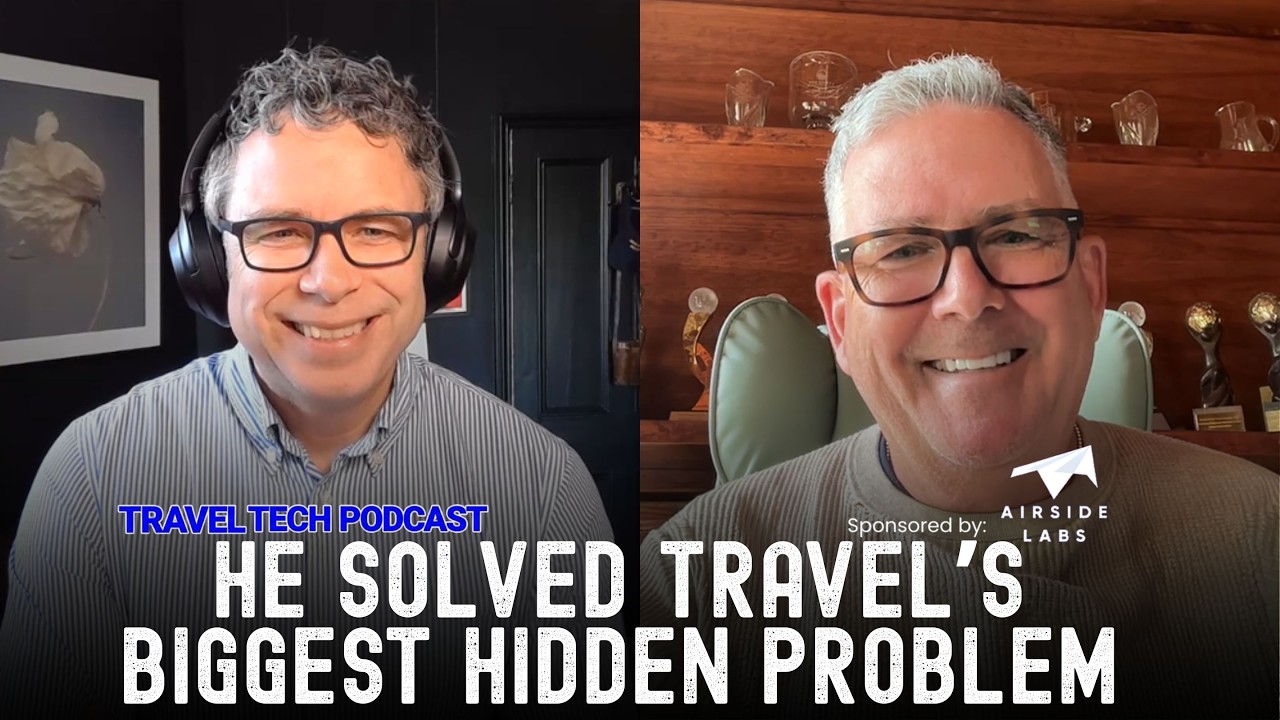
In an August 2026 episode, the hosts were still explaining their purpose with humor. Putman exaggerated their combined experience into several hundred years. Ferrara reduced the claim to decades. Then Putman returned to the more durable point: “We learn every time, every trip, every day, something new, and we enjoy sharing it with you.”
Sixteen days away from the booking screen
Putman’s account of a Scotland holiday offers another measure of his relationship with travel. He described sixteen days with golf every day, a routine that still made room for a short morning spell of work. At the Old Course in St Andrews, he was two under par through fifteen holes before finishing with three bogeys for a 73.
That ending is a welcome detail. A business biography tends to turn the past into a procession of successful decisions. Golf, rather efficiently, supplies a different sort of evidence. The last three holes remain part of the score, however attractive the first fifteen might look in a presentation.
He has described returning to Scotland over twenty-five years. Familiarity has become useful knowledge: routes, courses and ways of securing a tee time. There is pleasure in the destination, and pleasure in understanding how to make the destination accessible. The two interests seem quite comfortable traveling together.
A booking is a promise with an address
His recent technology work brings the story back to an ordinary hotel desk. Reconfirm AI calls hotels before arrival to check reservation details. The attraction is easy to understand without a software demonstration. A traveler can carry a confirmation while the hotel’s system tells a different story. Discovering the disagreement earlier creates a chance to fix it before the guest arrives.
RouteStack.ai addresses another part of the journey: connecting conversational travel tools to bookable inventory. In his April 2026 conversation with Alex Brooker, Putman discussed the data work underneath an apparently simple request, including normalizing information, removing duplicates and handling pricing. The interface may speak in sentences. The supplier connections still need to function.
By July, he was discussing direct supplier APIs and the booking challenge for AI agents at Phocuswright Europe. The practical test was whether software could move beyond recommending an appealing trip to completing a transaction. Live inventory, accurate prices and payment handling are less theatrical than an instant itinerary. They also have a much shorter route to a customer’s complaint.
“Every unsold room represents lost revenue, and that inefficiency has always bothered me.”
Mike Putman
This is where his long involvement in distribution becomes relevant. A new way to ask for travel inherits the obligations of the systems behind it. Somewhere in the chain, a room must be available, a price must be valid and a reservation must arrive where the traveler will eventually arrive. Fluency on the screen does not discharge those obligations.
The discipline behind the departure
Putman’s stated leadership priorities are correspondingly practical. He values persistence and curiosity, distinguishes activity from progress and argues that growing companies need more structure. He also puts weight on emotional steadiness: people should be able to absorb pressure without passing panic through the organization. These are operating preferences rather than promises of a frictionless career.
He continues to publish Mike’s Musings, host conversations and discuss what the next travel interface might require. Across those activities, the interesting continuity is his attention to the work after somebody expresses interest. The customer has chosen a destination. The seller has made an offer. Several systems must now cooperate.
For all the years between the agency counter and the AI assistant, the final scene remains wonderfully physical. Somebody arrives with a bag. Somebody checks a name. A key changes hands. Putman’s business lives in the arrangements that allow that small exchange to happen without becoming a story of its own.