fintech-executive
(18)
Mike Wolfel and the Work Between the Screens
For three decades, Mike Wolfel has worked on the plumbing of finance. At Savana, his campaign is simple to state and difficult to execute: make a bank's many systems behave like one bank.

Domenic Miele and the quiet machinery behind alternative investing
For more than two decades, Domenic Miele has worked where private-market ambition meets the rules that let it operate. At Alto, the longtime operations and compliance executive now carries both the chief executive title and the duty to keep the machinery honest.
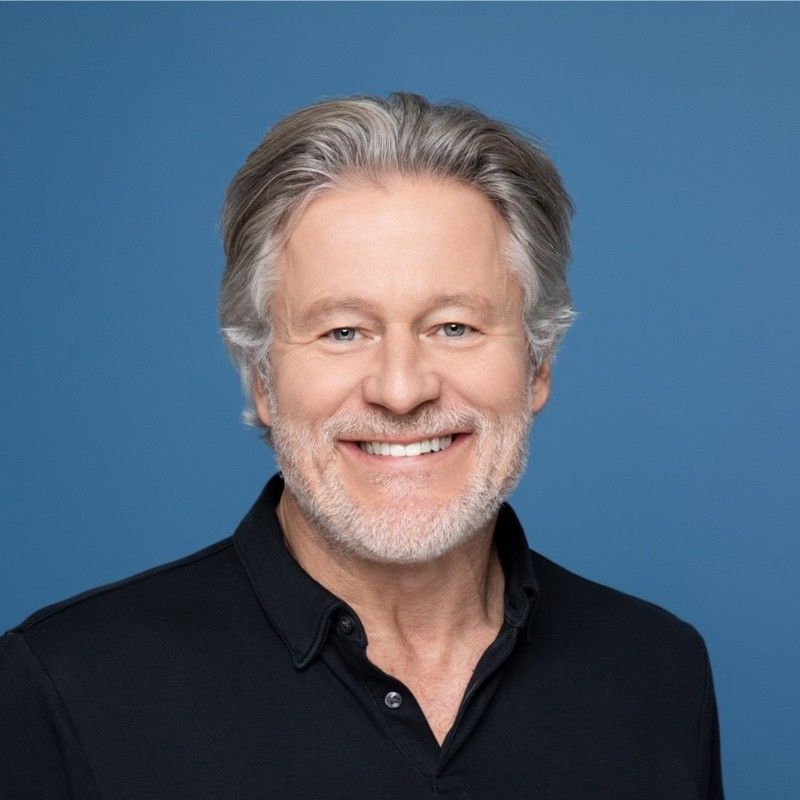
David Messenger and the Art of Making Money Movement Boring
After a career spanning consulting, mobile networks, two acquired startups and China-based fintech, PingPong’s global-business chief has arrived at a curious ambition: make the payment disappear into the work.

Misha Tsidulko Joined the Company He Once Competed With - Then Took the Wheel
Before running Hearth, Misha Tsidulko bootstrapped a rival. His quick passage from competitor to chief of staff to CEO explains a leadership style built around urgency, useful tools and the unglamorous economics of getting contractors paid.
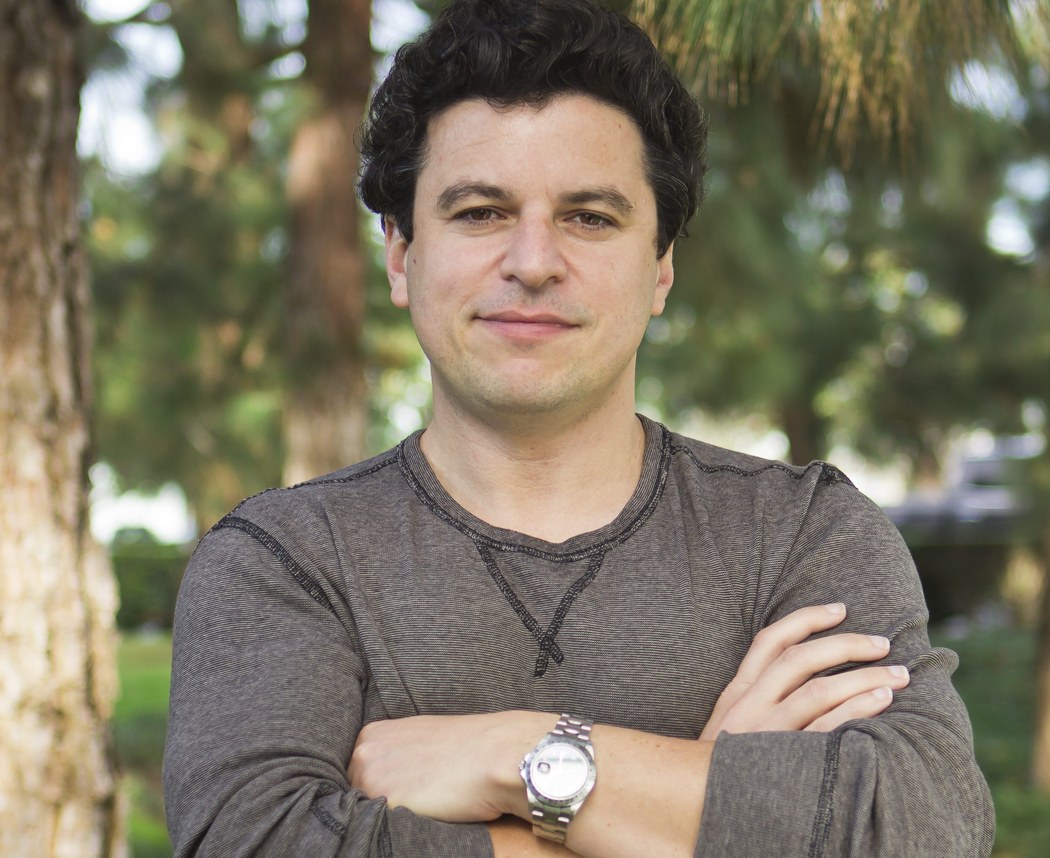
Noah Kerner and the Art of Making Slow Money Move
Before he asked millions of people to trust the long game, Noah Kerner spent his nights learning how to read a room. His unlikely route from ten crates of records to Acorns explains why his real subject is not money, but behavior.
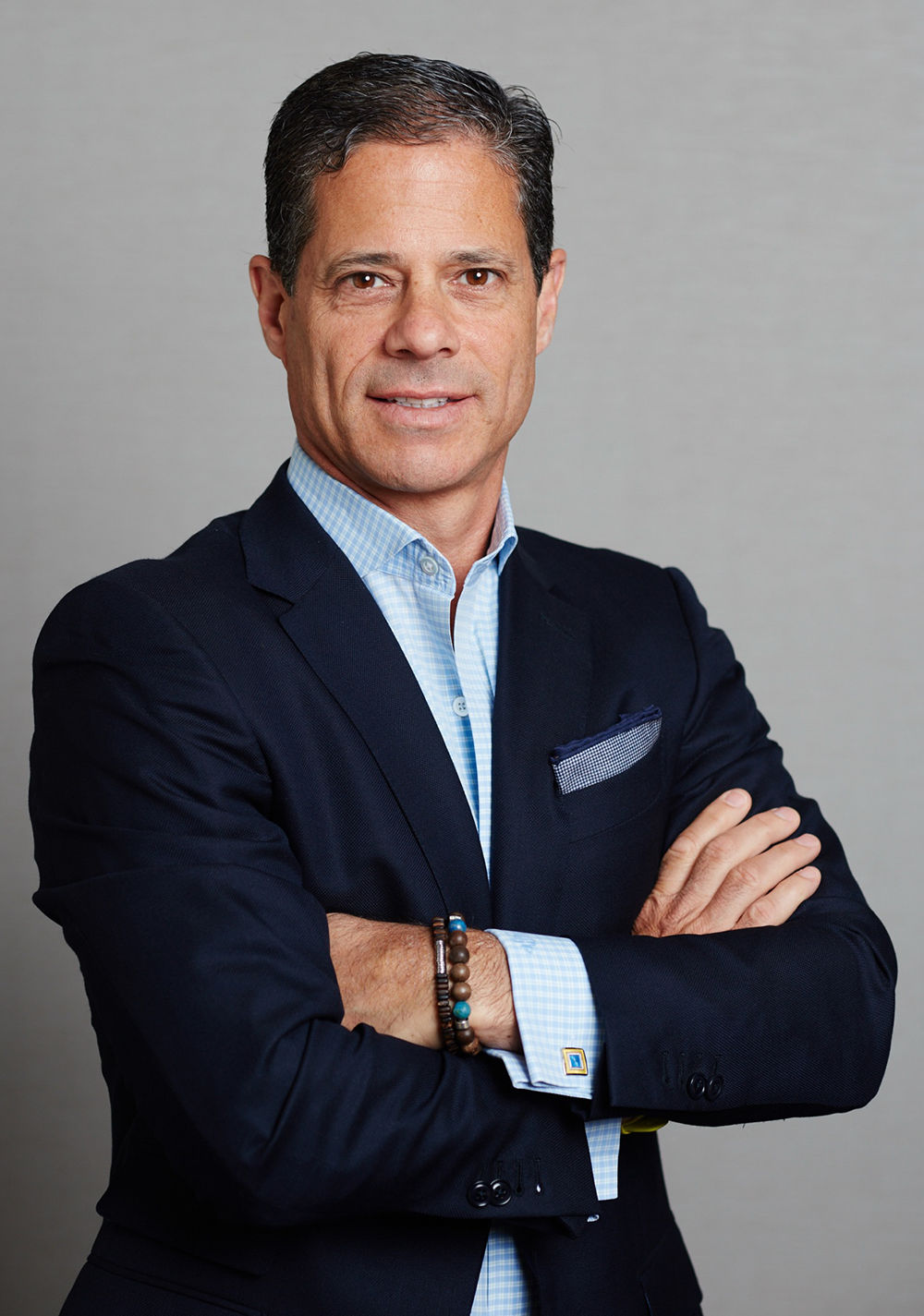
Lawrence Calcano Built a Front Door to Private Markets
The former technology banker saw that private investments did not merely need a marketplace. They needed plumbing, patience and a common language. Thirteen years later, his platform services more than $1 trillion in client assets.
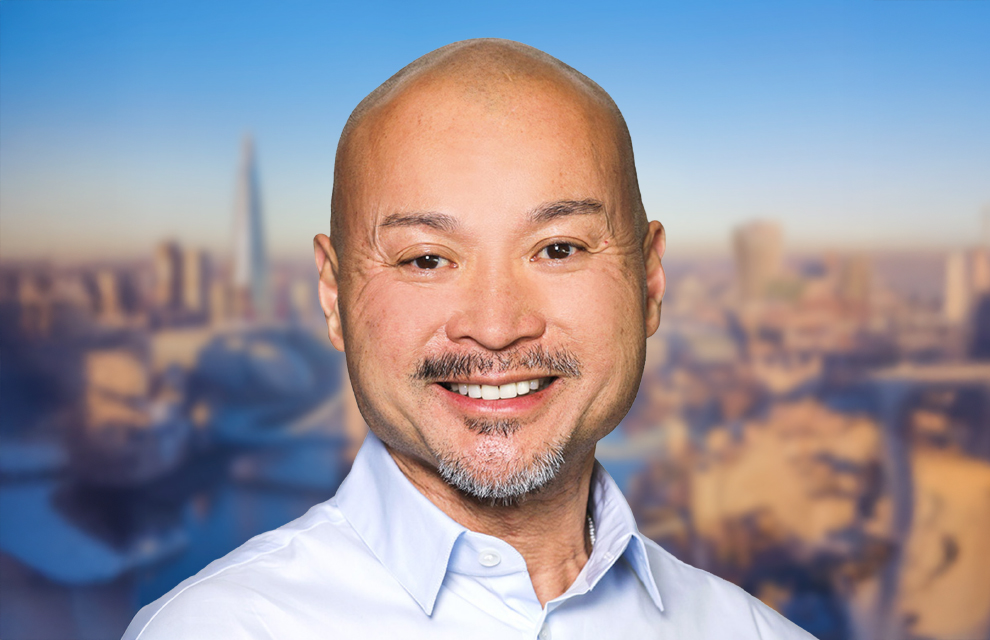
Michael Chin Changed Instruments
He meant to make music in New York. Instead, Michael Chin spent three decades changing the tempo of financial technology - from trading desks to cloud software, and from chief executive to trusted advisor.

Star Xu Built an Exchange. Now He Wants the Exchange to Disappear.
The physicist-turned-founder spent a decade building one of crypto's large centralized exchanges. His next wager is a peculiar one: that trust will come from stronger rules, better machinery and giving customers less reason to leave their assets with him.

Susan Theder Turned the Marketer's Hardest Job Into an Easy Button
After years of buying marketing technology for financial advisers, Susan Theder crossed the table to build it - betting that the best system is the one that gives busy people their time back without sanding away their personality.

Derik Sutton Left the Soccer Sideline for Banking’s Messy Middle
He planned to coach college soccer. Instead, an internship led to terminals, digital banking and a career-long argument: if banks want small businesses back, they should begin by watching how owners actually work.

Jill Flaherty Spent 15 Years Learning How Banking Technology Earns Trust
At COCC, Jill Flaherty turned a business-development apprenticeship into an executive brief spanning product, sales and story. Her argument for community banking is simple enough to remember: technology earns its keep when it protects the relationship.

Nicole Caldwell Took the Long Way to Marketing - Through the Customer
Before Nicole Caldwell became nCino's chief marketing officer, she spent a decade close to support tickets, integrations and customer expectations. That unusual route now shapes how she talks about banking's AI shift: bring people into the change, or lose them along the way.
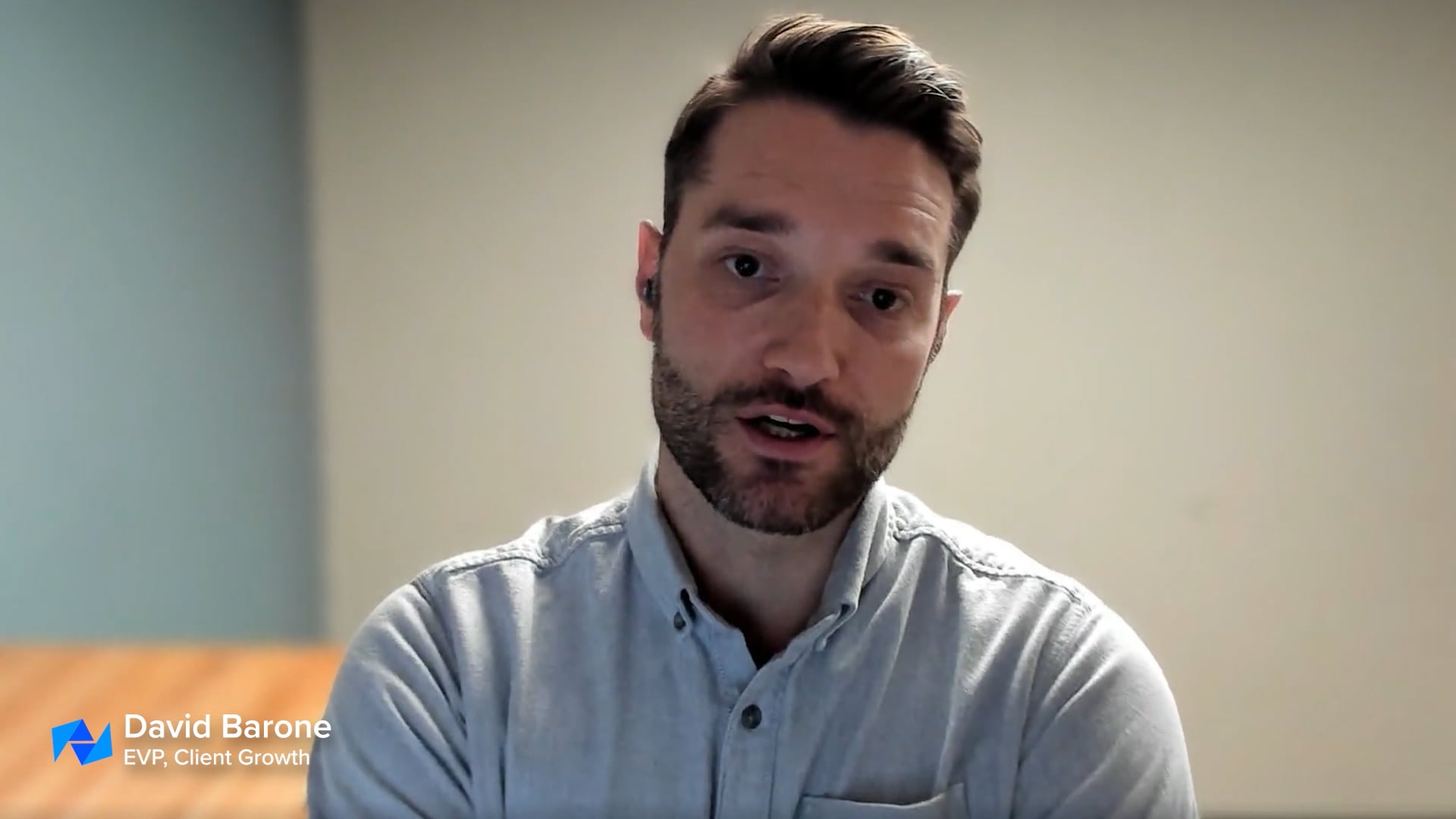
David Barone Is Turning Banking Strategy Into a Team Sport
The former Syracuse rower built a career around coordinated motion - first in advertising, then in financial services. At Nymbus, he is making the case that modern banking wins through accountable partnerships, focused growth and technology that can carry its share of the load.
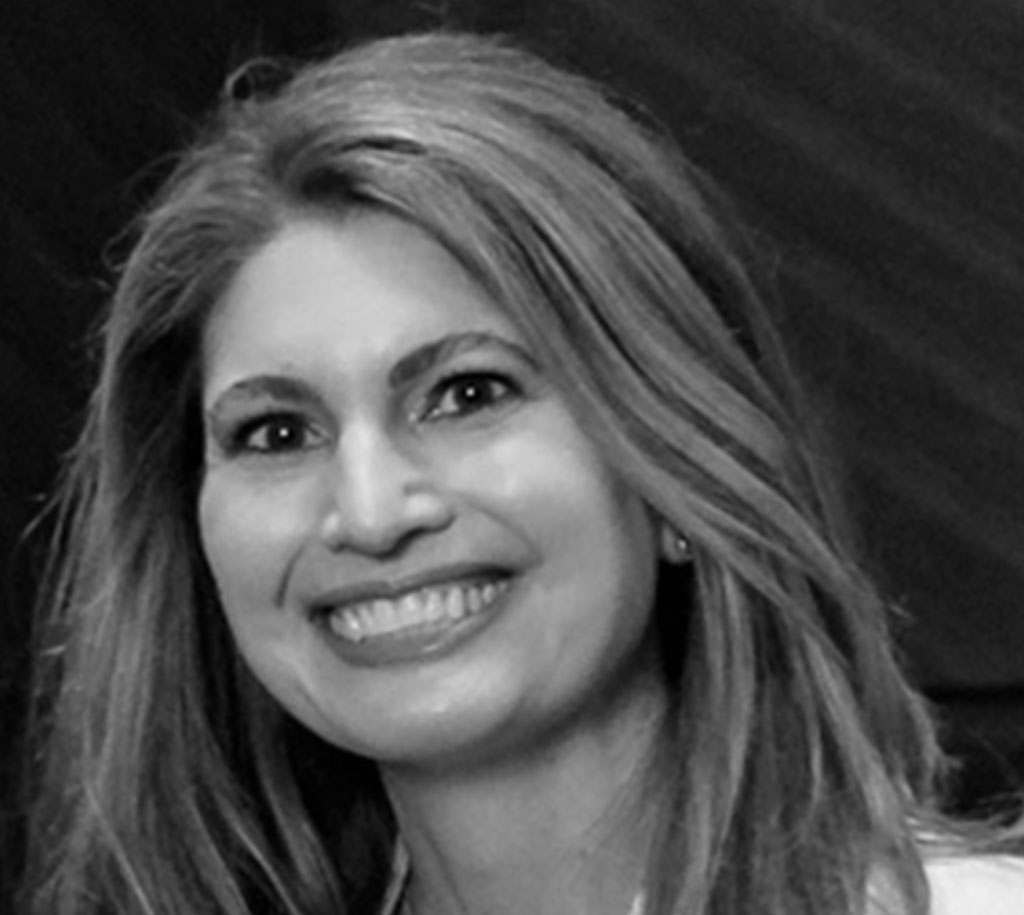
Tracey Weinberg Wants Telecom to Stop Treating Payments Like Plumbing
After years marketing the machinery behind digital commerce, the Vesta executive has a blunt thesis: approval rates deserve the same attention as customer acquisition. A single percentage point can be worth $300,000 a year to a 100,000-subscriber operator.

Michelle Kaiser Keeps Private-Market Ambition on a Short Leash
At Equitybee, Michelle Kaiser works where startup optimism meets the paperwork, patience and risk controls that make private-market access possible.

Brian Otte Has Spent 25 Years Learning What Banks Really Buy
Before he led sales and marketing at Jack Henry, Brian Otte audited networks, helped build a security startup, lived in six countries, and learned a durable lesson: in banking technology, service is part of the product.
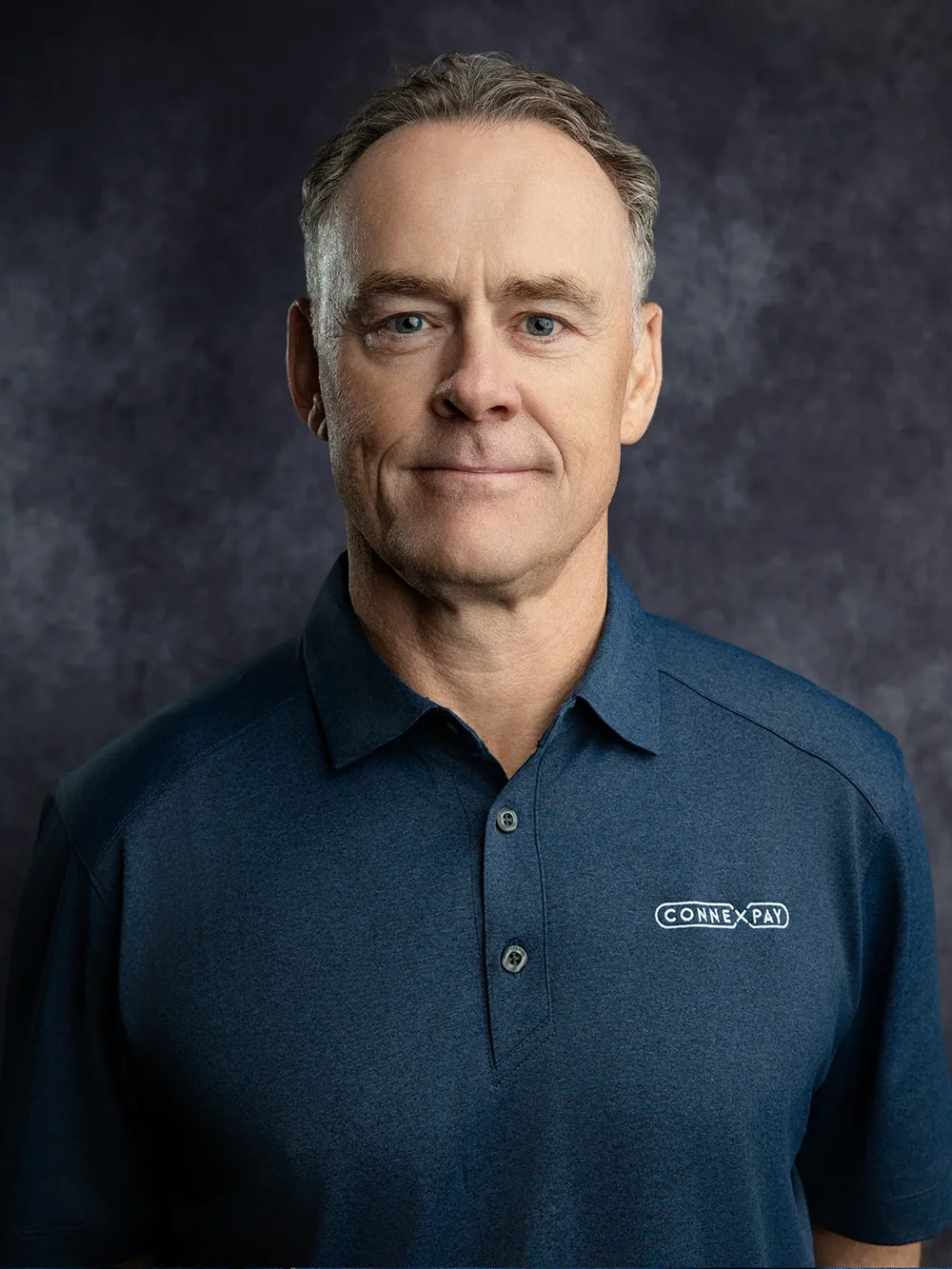
Ben Peters Knows the Most Important Part of a Payment Isn’t the Money
The ConnexPay CEO has spent two decades inside the machinery of business payments. His operating thesis is refreshingly plain: speed matters, but context closes the loop.

Simon Goodall Is Making the Car Payment Negotiable Again
The Caribou CEO has spent a career turning complicated marketplaces into simpler choices. His latest target is the monthly bill hiding in millions of driveways.