The newsletter was immaculate. Every month for two years, a financial adviser and his staff researched, wrote, edited, and packaged economic analysis and planning advice for clients. Then they stopped. Nobody asked where it had gone. Not one person appeared to miss the little monument to expertise that had consumed so many hours.
Susan Theder has told this story because the ending is both painful and useful. The adviser tried something else. He began sharing favorite recipes with clients who loved food. Replies came back warm and personal. Invitations to dinner followed. The economics had not become smarter. The communication had finally become alive.
That small reversal contains most of Theder's working philosophy. Financial advice is serious, regulated, and crowded with professional competence. Yet people usually choose and recommend advisers for reasons that are stubbornly human: trust, recognition, a sense that the person across the table is paying attention. A technically perfect message can still land with the emotional force of a bank statement.
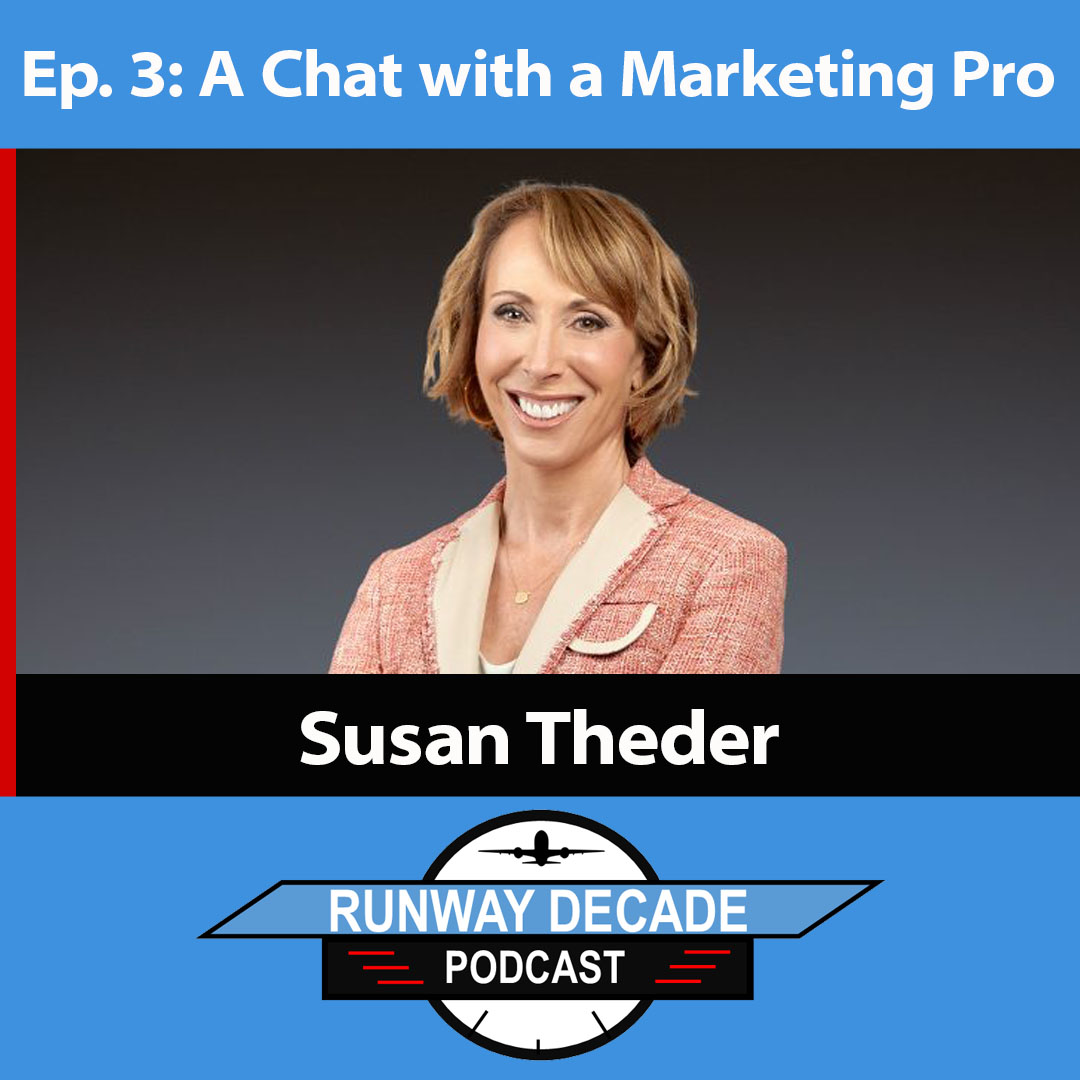
Theder is now chief marketing and experience officer at FMG, which sells websites, campaign tools, content, and compliance-friendly workflows to financial advisers and larger wealth firms. Her job sits in the narrow passage between software and behavior. The technology can schedule the email. It cannot make someone care. The calendar can guarantee activity. It cannot manufacture a point of view.
The history major who noticed her favorite hour
There was no tidy marketing origin story. Theder graduated from Bowdoin College in 1989 with a degree in history, then began in commercial lending and corporate finance. She has described that early work with perfect economy: it was okay. The useful discovery came from watching her own attention. Her favorite part of each day was thinking about how to market.
So she followed that preference into the machinery of financial services. At Fidelity Investments, she worked in segment marketing and served the registered investment adviser market. At Pershing, part of BNY Mellon, she rose to managing director of global segment marketing. Fifteen years across Fidelity and Pershing gave her a close view of the institutions behind advisers: custodians, platforms, home offices, and the people trying to turn central resources into local growth.
History
RIA marketing
Global segments
Advisor Group
CMO & CXO
In 2010, Cetera Financial Group created a chief marketing officer role and hired her into it. She helped develop Connect2Clients, a program built to give affiliated advisers ready-to-use marketing. The technology underneath came from FMG. When she moved to Advisor Group in 2016, she again brought in FMG, this time for an adviser offering known as MyCMO.
The relationship lasted roughly a decade before Theder changed seats. She was not arriving at FMG as an executive who needed the ceremonial product tour. She had already been one of its biggest enterprise customers. She knew where central strategy met the adviser on a busy Tuesday, where compliance slowed the handoff, and where one more dashboard could feel like one more obligation.
From buyer to builder
In September 2021, Theder left Advisor Group after five years as CMO and joined FMG as chief marketing and experience officer. The move was less a leap than a change in camera angle. She had spent years helping advisers use marketing technology. Now she could shape the company making it.
Her title joined marketing to experience, a pairing that suited her customer-side apprenticeship. Brand promises are easy to write. Experience is where customers discover whether the promises were merely decorative. Theder spoke at the time about small opportunities to reduce friction for advisers and compliance departments, celebrate achievements, and add moments of surprise. Her concern was not confined to promotion. It included the texture of using the service.
Within her first year, FMG shortened its name from FMG Suite and reorganized its offer around distinct marketing and website products. It also introduced Do It For Me Marketing. The name contains no poetry, which is precisely its charm. Advisers were not asking for a seminar on becoming part-time content strategists. They wanted capable people to take the recurring work off their desks.
The model paired Theder with FMG chief evangelist Samantha Russell to develop a monthly marketing calendar, including emails and social posts. Advisers could review, alter, and approve the plan; FMG would execute it. Ideas that required the adviser's own face or voice remained theirs to personalize. The routine work became a system, while the human moments stayed human.
That line comes from a different part of the same podcast, where she said one of her greatest successes began as one of her greatest failures. Her account was not a polished celebration of failing forward. Mistakes, she said, are hard moments. A team has to admit what happened, put a stake in the ground, and try something else. The briskness is revealing. She is interested in the next useful move, not a long romance with being right.
The easy button still needs a person
Theder's public advice tends to arrive in tests and ratios. A good adviser website should pass the five-second test. Show it to a stranger. Can the visitor tell whom the adviser serves, why that service matters, and how to make contact? If not, the digital reception area is failing before anyone has had time to admire the photography.
The website test
WHO DO YOU SERVE? · WHAT DO YOU DO? · WHY DOES IT MATTER? · HOW CAN SOMEONE REACH YOU?
For LinkedIn, she has recommended an 80/20 habit: publish one post, then comment thoughtfully on four from other people. It is a tidy correction to the lonely assumption that social media means broadcasting more often. Conversation requires turning up in somebody else's comment section.
She also argues for combining channels. An event should not live as a solitary invitation. It can become an email, a landing page, social posts, a text notification, and materials for the room, all moving together. The point is not to occupy every channel for sport. It is to let each piece support the others, so a good idea does more than one shift.
There is a productive tension in all this. FMG automates marketing, offers pre-reviewed material, and increasingly uses AI. Theder nevertheless insists on personality. She does not treat automation as a substitute for judgment. Its better purpose is to clear away coordination, blank-page anxiety, and compliance drag, leaving the adviser more room for the stories and observations only that adviser can supply.
This is why the neglected newsletter and the popular recipes matter. Both were content. Only one gave the recipient an opening to respond. The expensive system did not need more economic analysis. It needed evidence of a particular person on the other end.
The metric and the motive
FMG says Theder has driven a 400 percent increase in enterprise growth since joining, while leading the rebrand and expanding Do It For Me. Awards followed. She had already received the broker-dealer CMO of the Year honor at the 2019 WealthManagement.com Industry Awards. FMG says she was named CMO of the Year again in 2025 and included among Women We Admire's Top 50 CMOs of the Year.
The numbers are evidence that the practical proposition traveled. Advisers operate under unusual constraints. Every public claim may need review. Their client relationships depend on credibility. Their calendars are already full. General-purpose marketing software can hand them a sophisticated cockpit when what they need is a clear destination and fewer controls.
Theder's answer has been to design around the work advisers actually want to do. They want to serve clients, explain decisions, build relationships, and grow. They rarely want to become production managers for an omnichannel campaign. A useful platform respects that preference instead of scolding it.
Her own career has followed a similar logic. She left commercial finance for the part of the day she enjoyed. She moved from large institutions to a technology provider she knew from experience. In her fifties, she told the Runway Decade hosts, she had become more confident about making choices based on happiness rather than money or other people's expectations. The personal rule and the product rule rhyme: remove the work that belongs to somebody else's idea of the job.
Board service has offered another direction. From 2020 to 2023, she served as an independent director at Smarsh and ComplySci, software companies operating around communications and employee compliance. She called serving on two boards one of the biggest accomplishments of her life and said she would like to do more. It is easy to see the appeal. A board seat rewards the view she has spent decades assembling across custodians, broker-dealers, RIAs, and fintech providers.
The phrase “easy button” can sound suspicious in financial services. Money is complicated. Regulation exists for a reason. Trust cannot be hurried. Theder's version does not promise to erase those facts. It tries to keep them from turning every piece of communication into a committee project. Make the workflow lighter. Keep the message specific. Admit when the system is wrong. Then let the adviser return to the conversation that matters.
The forgotten newsletter earned a shrug because it presented expertise without a pulse. The recipes worked because someone could answer them. Between those two outcomes lies Susan Theder's subject: the intricate business of making it easier for a professional to sound like a person.