ethereum
(46)
Hayden Adams and the market that began as homework
After losing his engineering job, Hayden Adams learned to code by building an exchange. Uniswap turned that exercise into a career spent asking who gets to make a market.

Andrej Bencic and the value of a second try
A hackathon team set out to fix public procurement and found a different problem under its own keyboard. Andrej Bencic has spent the years since building Tenderly around a simple ambition: let people see what happens before they commit.

Vladimir Novakovski and the mathematics of a useful stranger
Before Lunchclub, Vladimir Novakovski built trading systems and machine learning teams. His bet on better introductions led him back to a familiar question: how should a market bring two sides together?

Robert Leshner and the value of a boring idea
He helped turn crypto lending into software. At Superstate, Robert Leshner is betting that the next useful thing a blockchain can carry is something Wall Street already understands.

Evgeny Yurtaev and the art of starting over
Zerion’s co-founder has spent a decade changing what his company builds. The question underneath has stayed remarkably steady: why should using your own money require so much homework?
Mike Silagadze and the trouble with sitting still
He turned a shared living room into Top Hat, then traded a decade in education software for a new start in crypto. The thread running through Mike Silagadze’s career is a stubborn interest in what people can actually use.
Konstantin Richter and the business of making crypto boring
He spent years connecting people, phones and media. With Blockdaemon, Konstantin Richter took on a less glamorous connection: getting the financial establishment onto blockchain networks, one carefully governed step at a time.
Jutta Steiner and the trouble with trust
A question about online privacy took Jutta Steiner from applied mathematics to Ethereum’s security team and the co-founding of Parity Technologies. Her story follows the awkward distance between a promising idea and software people can depend on.

Gavin Wood and the problem with being in charge
He helped build Ethereum, gave Web3 its name and created Polkadot. Gavin Wood keeps returning to a more awkward question: how much power should any one person have?

Charles St. Louis and the difficult art of staying useful
He helped write the rules for decentralized organizations, became DELV’s CEO, and led its wind-down. Now Charles St. Louis is taking those lessons back to Ethereum’s wider financial ecosystem.

Sumardi Fung and the question that became an exchange
He first dismissed Bitcoin as a scam. A conversation about Ethereum sent Sumardi Fung into mining, then into building Reku - an Indonesian investment platform shaped by years of trading and learning on the job.

Shayne Coplan and the price of being right
A New York kid with an early interest in Ethereum built Polymarket around a stubborn question: what do people really believe when money is on the line? Now his experiment in reading the future has to meet the demands of the financial establishment.
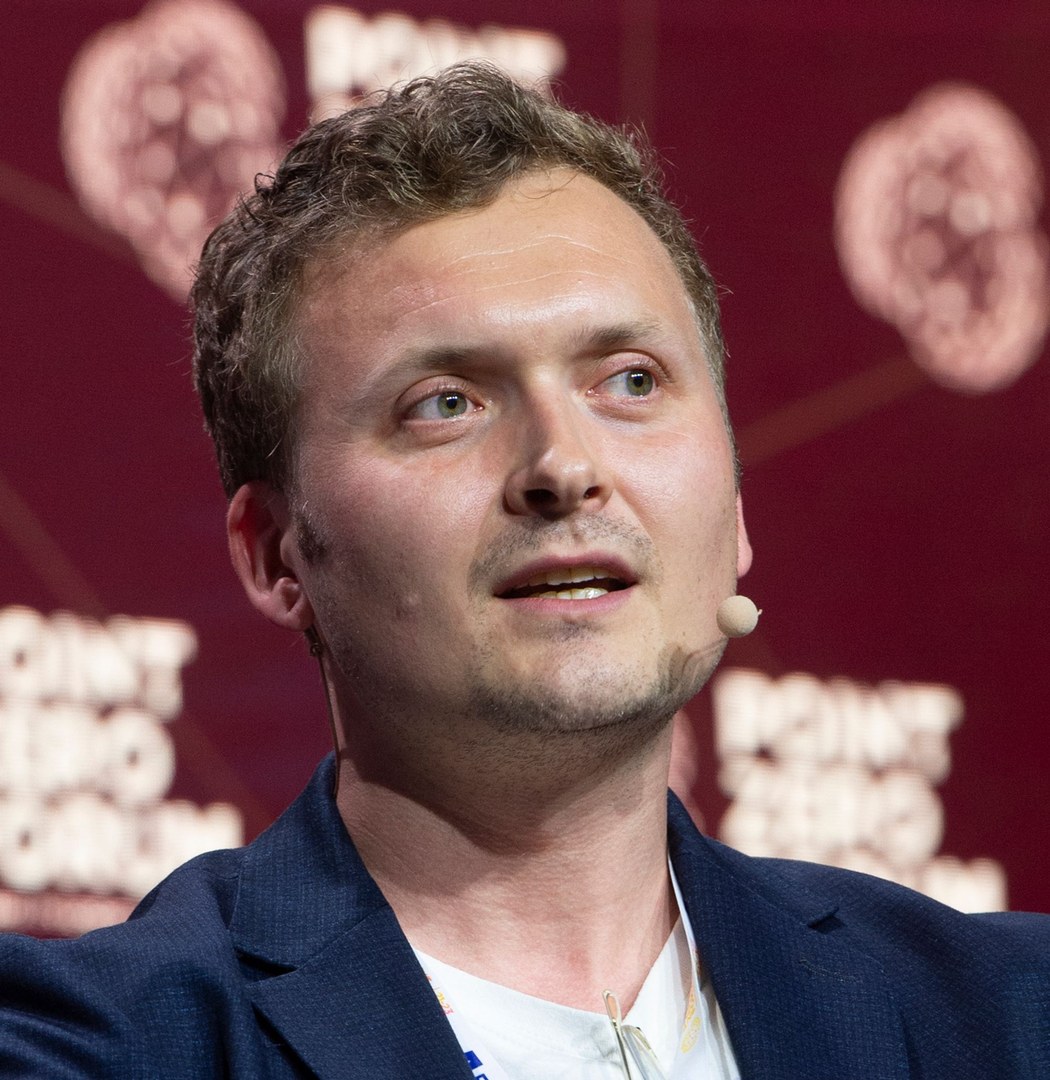
Alex Svanevik and the value of a well-placed comma
A Norwegian data scientist turned a question about anonymous wallets into Nansen. His next wager is that the machines reading the market will also make the trades.
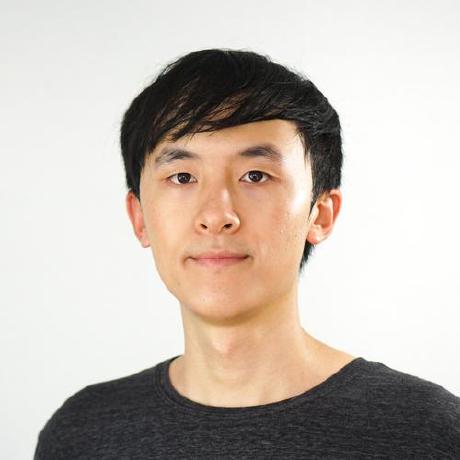
Derek Chiang and the price of one more click
A basketball-inspired collectibles startup brought Derek Chiang face to face with crypto’s awkward front door. At ZeroDev, and now Ethlabs, he has kept working on what happens between a promising technology and a person willing to use it.

Karl Floersch and the economics of being useful
A college friend needed a new direction. Karl Floersch suggested Ethereum. Years later, the Optimism co-founder is still working on the same question: how do you make it easier, and worthwhile, for other people to build?
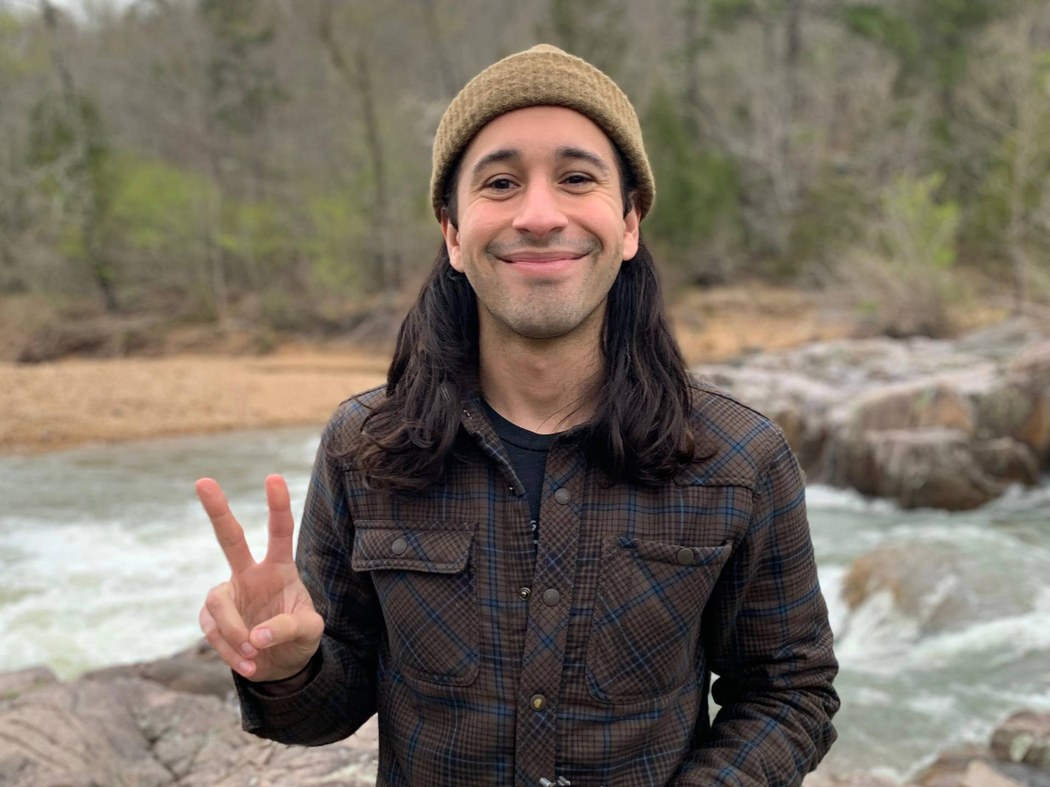
Zeshan Ali and the 3 A.M. Call That Made the Apes Real
Before Bored Ape Yacht Club became a public spectacle, two programmers had to make its club work. Zeshan Ali was one of them - and he learned the collection was selling out from a 3 a.m. phone call.

David Hoffman and the Price of Changing Your Mind
He helped make Ethereum a public conversation, then sold his own ETH. The Bankless co-founder’s story begins with a childhood computer in Seattle and reaches a harder question: what happens when a believer revises the thesis?
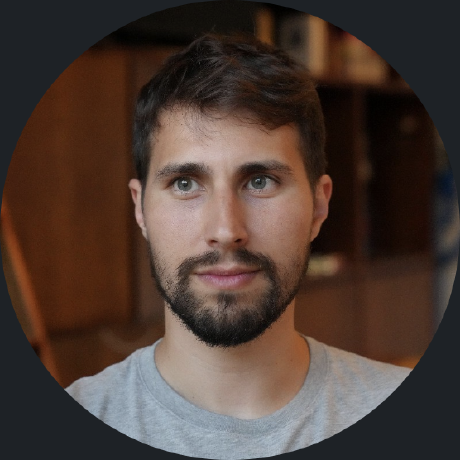
Derek Alia Keeps Building In the Open
From iPhone apps to decentralized markets and agentic science, the San Francisco engineer has followed one stubborn idea: useful systems should invite people in, then get out of their way.

Amir Bandeali Built the Pipes for a World of Tokens
A former Chicago trader left the desk, learned to build, and bet that tokenized value would need open markets. Nearly a decade later, 0x is still solving the unglamorous machinery of how assets actually move.
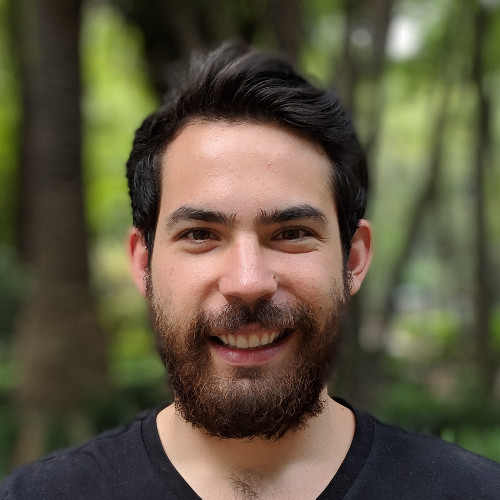
Will Villanueva
Will Villanueva is the co-founder and CEO of DELV (formerly Element Finance), a San Francisco-based decentralized finance company building fixed and variable yield markets on Ethereum. A physicist by training and former Ethereum researcher at ConsenSys, he co-founded Element Finance with Jonny Rhea in 2020 to bring fixed-rate income to DeFi. The company raised a $32M Series A in 2021 at a $320M valuation and later rebranded to DELV, whose flagship product Hyperdrive reimagines fixed and variable rate markets with an everlasting-liquidity AMM design.
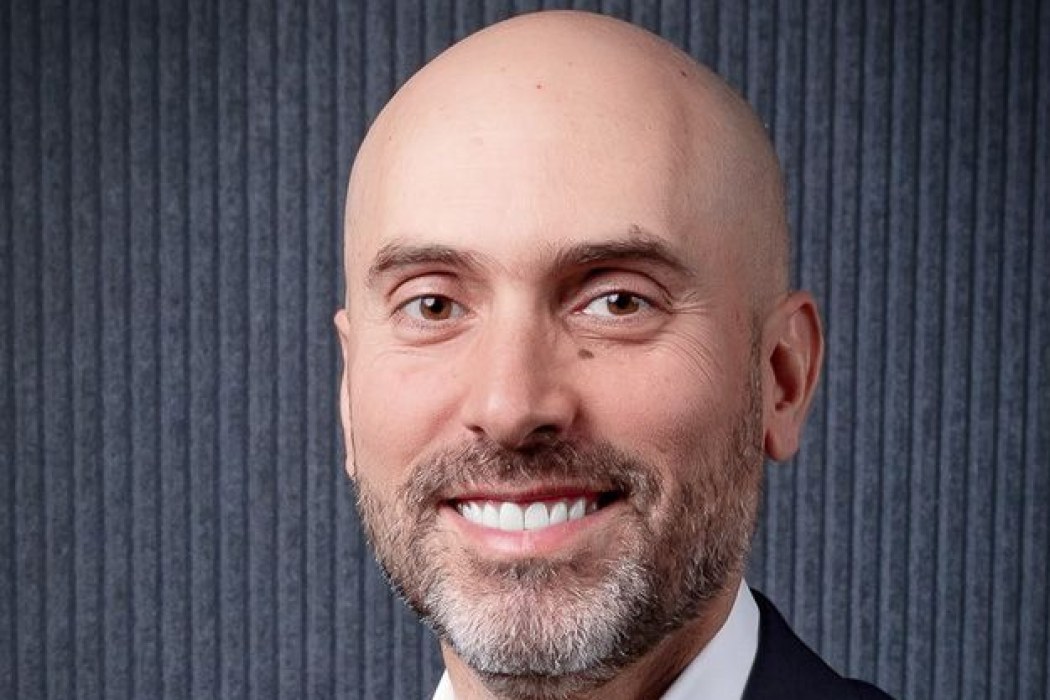
Bruno Caratori
Bruno Caratori is the co-founder and Global CEO of Hashdex, one of the world's leading regulated crypto asset managers. A Brazilian electrical engineer turned financial technologist, he helped build Hashdex from a 2018 startup into a firm operating across eight countries with regulated crypto investment products including Bitcoin and Ethereum ETFs. He was named Global CEO in March 2026 after years as COO, having earlier worked in investment risk at Gavea Investimentos and led product at the education network Edmodo.

Jing Wang
Jing Wang (Jinglan Wang) is the co-founder and CEO of OP Labs, the company that builds and maintains Optimism, one of the largest Ethereum Layer 2 scaling ecosystems. She helped turn a small nonprofit research effort, Plasma Group, into the OP Stack, an open-source framework that now powers a majority of Ethereum's Layer 2 activity and is used by chains from Coinbase, Uniswap, World, Kraken, and Sony. Known for championing retroactive public goods funding and a collaborative, inclusive leadership style, Wang has guided Optimism through a $150M Series B and its evolution from a single chain into the vision of a networked 'Superchain.'

Fernando Reyes
Fernando Reyes, known on-chain as FDR, is the founder and CEO of Drosera Network, a decentralized incident response protocol building what he calls an 'immune system' for Ethereum. A former US Army Cyber Protection Brigade operative, he also founded Groom Lake, a Web3 security firm staffed by ex-military and intelligence personnel that hunts hackers and recovers stolen crypto. In February 2025 Drosera raised $4.75M led by Greenfield Capital to ship its 'Traps' technology - customizable Solidity smart contracts that detect and neutralize exploits before they spread.

Hugo Renaudin
Hugo Renaudin is the co-founder and CEO of P00LS, a Web3 platform building social and community tokens for creators and brands. A French-born, math-trained entrepreneur, he ran the largest ICO in France (raising roughly $20-30M in under 10 hours for LGO, a crypto exchange he sold to Voyager Digital), then co-founded the DeFi venture Bender Labs before launching P00LS in 2021. P00LS has raised around $18M to turn fandom into ownership: creators mint non-speculative tokens that reward and identify their most loyal supporters across chains.
Antonio Juliano
Antonio Juliano is the founder and CEO of dYdX, one of the largest decentralized exchanges for crypto perpetuals and derivatives. A Princeton computer science graduate who learned crypto at Coinbase, he launched dYdX in 2017 and built it into a leading DeFi protocol. After stepping back from daily operations in 2024, he returned as CEO six months later, declaring he was going into 'Founder Mode' to revitalize the company.
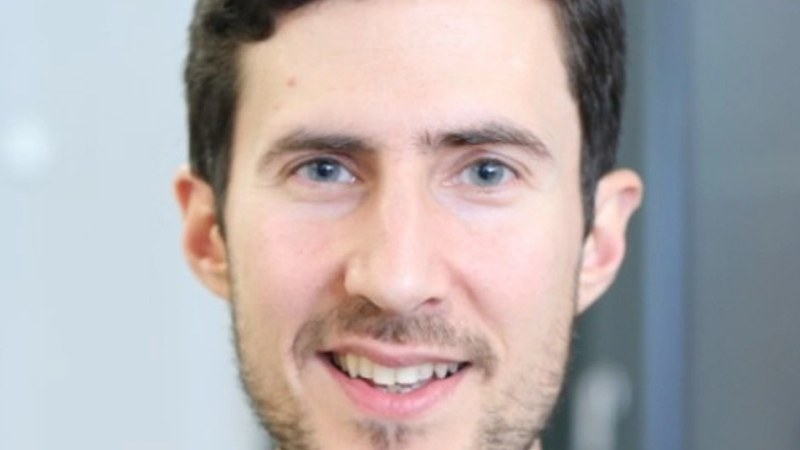
Doug Petkanics
Doug Petkanics is the co-founder and CEO of Livepeer, a decentralized network that turns idle GPUs around the world into open video infrastructure. A University of Pennsylvania computer scientist and three-time founder, he built and sold Hyperpublic to Groupon and shipped an Apple App of the Year at Wildcard before betting on blockchain in 2016. Today he is steering Livepeer squarely at real-time AI video, arguing the open internet should not be rebuilt on the same handful of cloud giants it set out to escape.
Akash Sinha
Akash Sinha, who goes by 'Sky,' is a Web3 and DeFi commentator based in the San Francisco Bay Area. He builds an audience on LinkedIn around Bitcoin, decentralized finance, and the Solana and Ethereum ecosystems, posting frequently from crypto conferences like Solana Breakpoint and Token2049 and weighing in on tech-policy moments such as the TikTok ban debate.
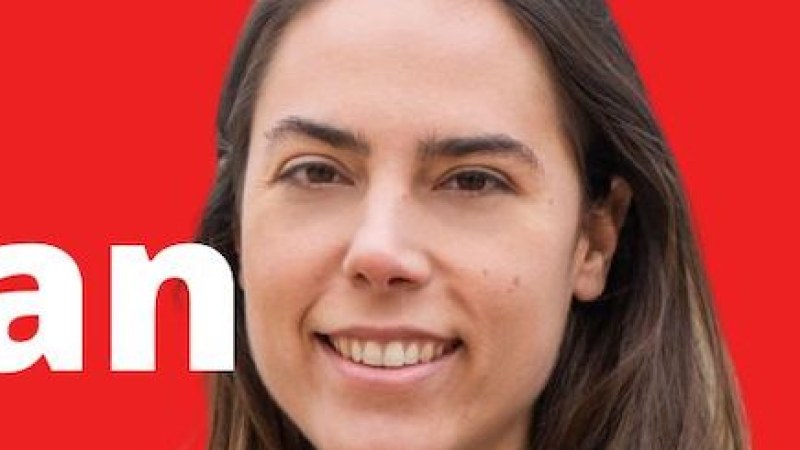
Ambre Soubiran
Ambre Soubiran is the CEO and chairman of Kaiko, the independent provider of institutional-grade, regulatory-compliant cryptocurrency market data and indices. After a decade structuring equity derivatives at HSBC in London and Paris, she walked away from traditional finance in 2016 to buy control of Kaiko - then a bright idea with no revenue and no staff - and built it into a global data business with roughly 130 people across New York, London, Paris and Singapore. She has raised over $80M and positions Kaiko as the trusted, neutral source of truth for crypto markets used by exchanges, asset managers and regulators.
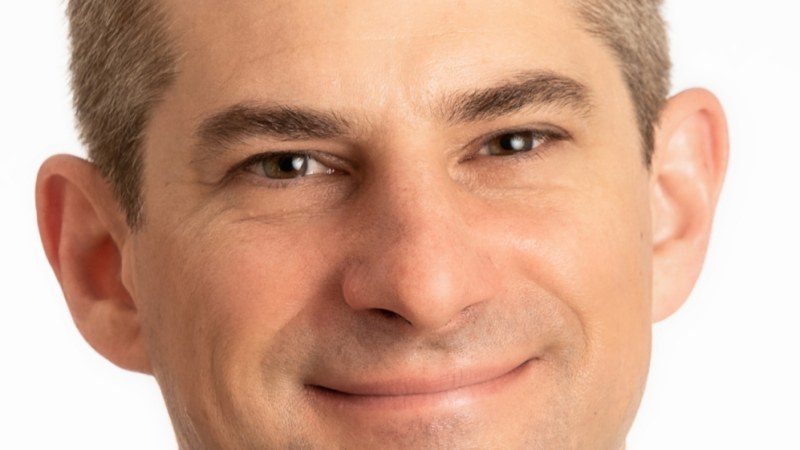
David Ripley
David 'Dave' Ripley is Co-CEO of Kraken, one of the world's largest and longest-running cryptocurrency exchanges. He joined via Kraken's 2016 acquisition of Glidera, a bitcoin wallet service he co-founded, and rose from COO to CEO to Co-CEO as Kraken expanded aggressively — completing $1.5B acquisitions, raising $800M in 2025, and filing confidentially for a U.S. IPO. A former BCG principal and electrical engineer turned crypto operator, Ripley has shepherded Kraken from a 50-person startup to a 2,600+ employee global exchange while navigating major SEC enforcement actions and a shifting regulatory landscape.
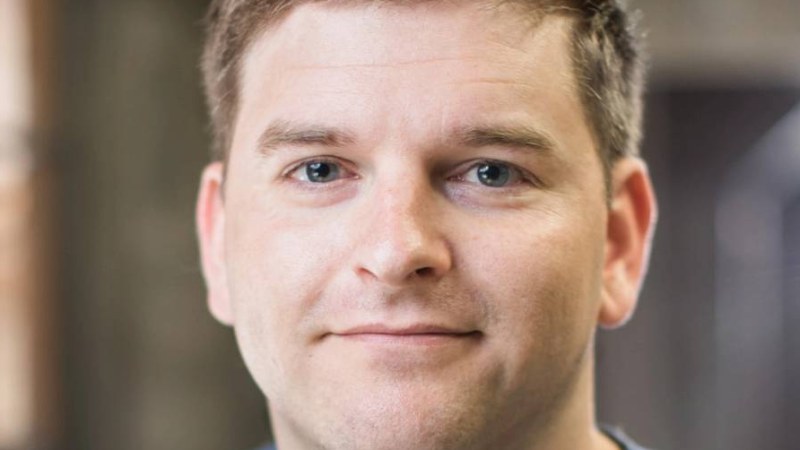
Will Warren
Will Warren co-founded 0x in October 2016 alongside Amir Bandeali, building the open protocol that became foundational DeFi infrastructure for peer-to-peer trading of Ethereum-based digital assets. A former applied physics researcher at Los Alamos National Laboratory who left a PhD program in structural engineering to bet everything on Ethereum, Warren grew 0x from a whitepaper into a protocol powering billions in DEX volume and a developer platform serving the broadest ecosystem of DeFi apps, wallets, and market makers. In May 2026 he stepped down as Co-CEO while remaining a major shareholder and board member.