ehr-integration
(21)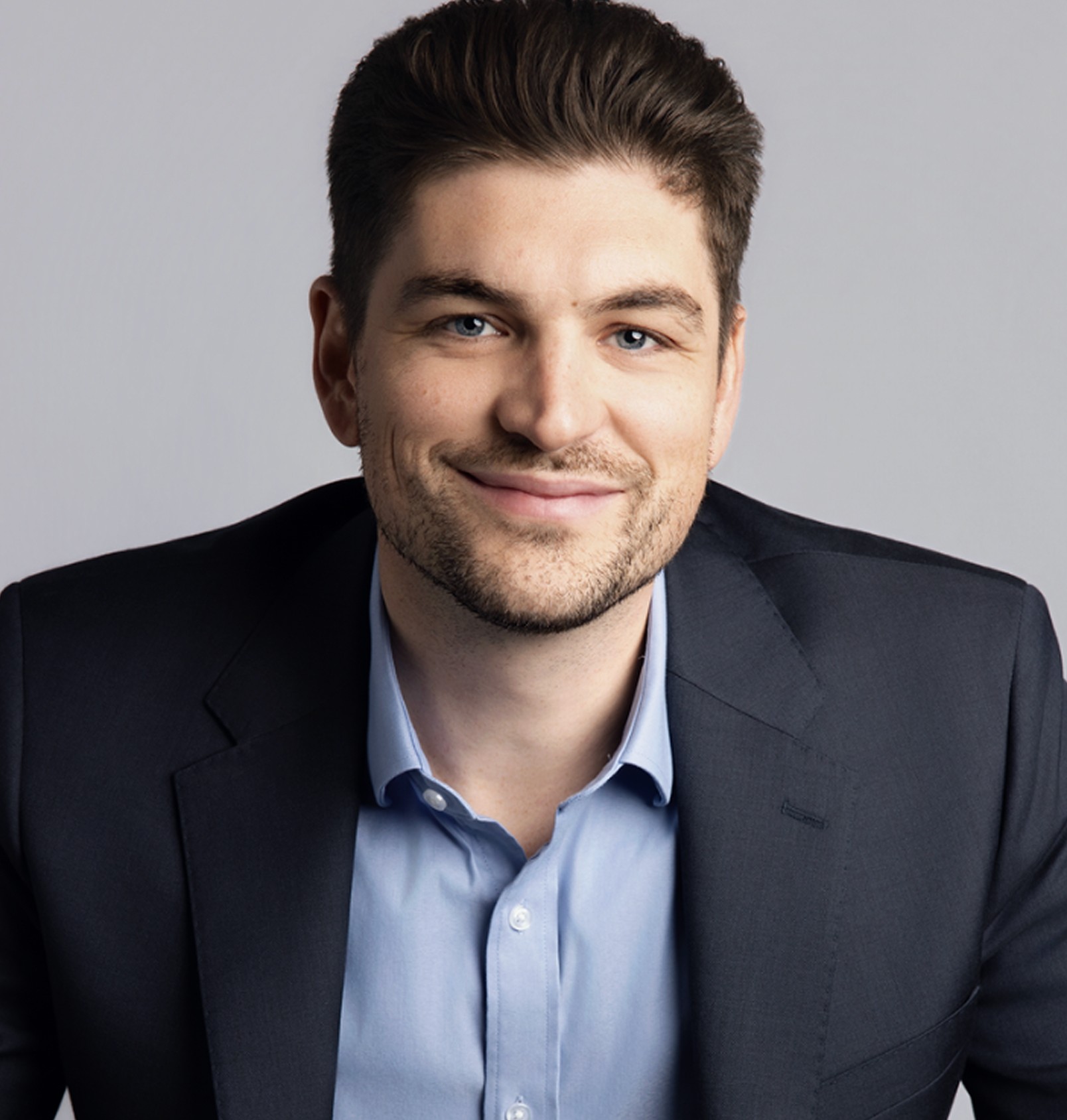
Mel van Londen Is Teaching AI to Finish Healthcare's Paperwork
A former sailing captain, IDEO developer, and healthcare product leader has spent his career learning how complicated systems behave. At Develop Health, he is applying that education to the forms between a prescription and the person waiting for it.

Nishant Hari
Nishant Hari is the founder and CEO of Predoc, a New York-based AI-native platform for health information management that retrieves, structures, and analyzes patient medical records for hospitals, oncology practices, and clinical trials. In September 2025 the company disclosed $30 million in combined seed and Series A funding led by Base10 Partners, with Northzone, Eniac, ERA, and angel investors from Flatiron Health, Datavant, Thirty Madison and Blackstone. Predoc reports 700% year-over-year revenue growth and cuts record retrieval times by up to 75% for customers like The Oncology Institute.
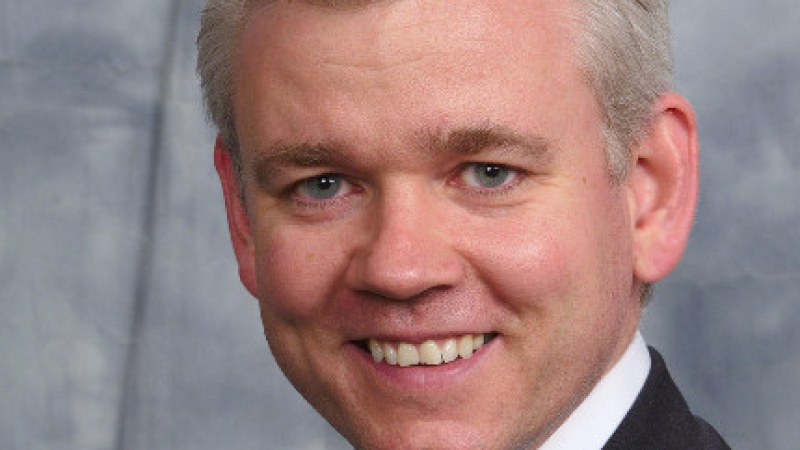
Trip Hofer
Trip Hofer is the CEO of Redox, the healthcare data interoperability company that moved more than 15 billion healthcare transactions across 12,000-plus organizations and 90-plus EHR systems in a single year. A near-25-year veteran of healthcare who started at Booz Allen and the Washington, D.C. mayor's office, he ran the largest mental-health provider in the United States as CEO of Optum Behavioral Solutions and sold virtual-care company AbleTo to Optum in 2020 before taking Redox's helm in November 2023. He is also a Venture Partner at .406 Ventures.
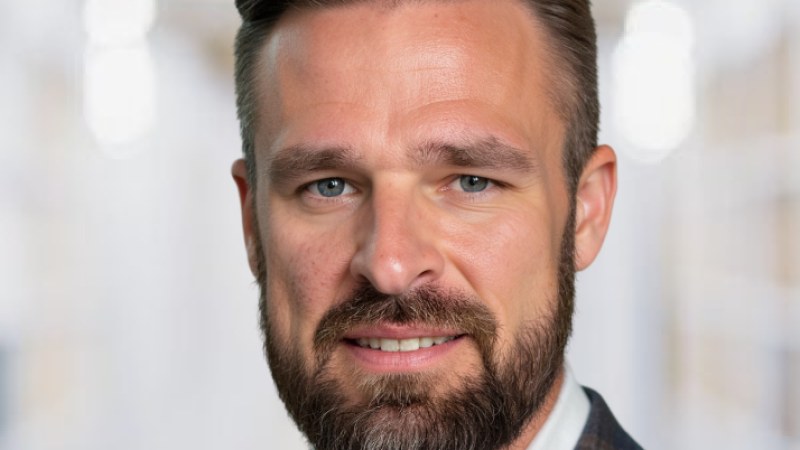
Tyler Payne
Tyler Payne is the founder and CEO of Vellum Health, an Austin-based company that sends clinicians to draw a line, hang an infusion, or run a blood transfusion at a patient's bedside in a skilled nursing facility or living room instead of an emergency room. He rolled up a set of regional vascular-access businesses, wrapped them in a single brand and an AI platform that reads a facility's EMR to find patients who need care, and closed a Series A in mid-2025 led by FCA Venture Partners. Before Vellum he helped build CVS Health's nationwide clinical-trial infrastructure and worked at Elligo Health Research and ePatientFinder. He holds a molecular biology degree from Colorado and an MBA from UT Austin's McCombs School.
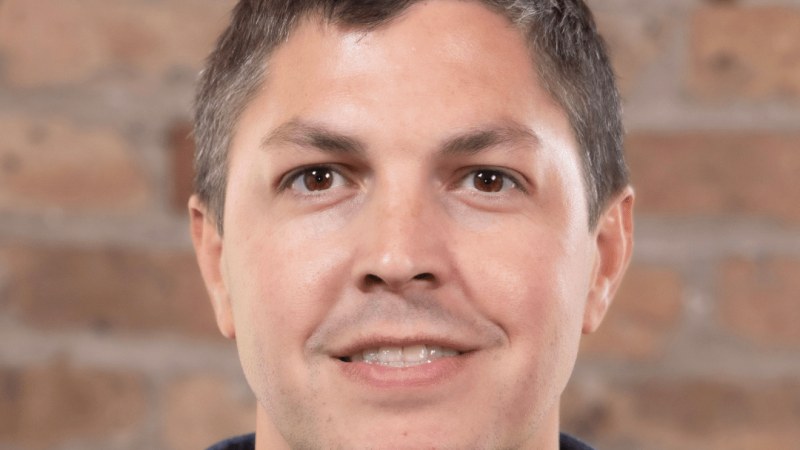
Matthew Gitelis
Matthew Gitelis is the founder and CEO of PatientIQ, a Chicago-based healthcare analytics platform that automates the collection of patient-reported outcomes and turns them into actionable insight for providers. A former BMO Capital Markets investment banking analyst who then enrolled at Rush Medical College, he founded PatientIQ in 2016 after watching clinicians extract outcomes data by hand. He left medical school in 2019 to run the company full-time. Under his leadership PatientIQ has grown into a national network reaching hundreds of healthcare organizations, thousands of care sites, and millions of patients, and raised roughly $26M in venture funding through a 2022 Series B.
Eesha Sharma
Eesha Sharma is the founder and CEO of Lamar Health, a Y Combinator-backed (W21) startup that uses AI to automate the mountain of paperwork standing between patients and high-cost specialty drugs. A genetics PhD from the University of Toronto and former Stanford postdoc, she traded antisense-oligonucleotide research for the unglamorous fight against prior-authorization bureaucracy after watching a family member endure years of misdiagnosis. Lamar Health now serves specialty pharmacies, infusion clinics and hospitals, automating prior auths, document review and EHR connectivity for medications that average roughly $70,000 a year per patient.
Othman Ouenes
Othman Ouenes is the CEO and co-founder of Fidari, an oncology-first care infrastructure company whose name means 'in my home' in Arabic. A second-time healthcare founder, he previously co-founded QURE Healthcare (acquired by TRC Healthcare), where he spent roughly twelve years building clinical-measurement software. Born in France to a Moroccan mother and French-Algerian father and raised in the United States, he studied Human Biology at Stanford and now lives in Santa Fe, New Mexico, where he also serves as a part-time firefighter. Fidari combines AI-driven workflow automation with human navigation to help health systems coordinate supportive cancer care, capture billing, and connect patients to home-based services.
Ryan Gallagher
Ryan Gallagher is a Stanford- and Harvard-trained physician turned founder who runs Clarion, the AI communication layer for healthcare. After helping build two breakout digital-health companies, Two Chairs and Ophelia, to $100M+ valuations, he started Clarion in 2024 to fix the unglamorous problem that swallows clinics whole: the phone. Clarion's AI agents answer the calls, texts and web chats that overwhelm front desks, handling scheduling, billing, refills and referrals end to end across 84+ EHR systems. Backed by Accel, Y Combinator and Sequoia scouts, the New York company already serves tens of thousands of patients a month.
Joshua Reischer
Joshua Reischer is a board-certified internal medicine physician who walked out of the exam room to rebuild the most tedious part of a doctor's day. As CEO and founder of Health Note, he turned the pre-visit patient questionnaire into AI-generated clinical notes that drop straight into the chart, cutting documentation and intake time before the appointment even starts. Health Note now runs across clinics nationwide, processes millions of patient visits a year, and raised a $17M Series A led by SignalFire with backing from Cedars-Sinai, Northwell and UnityPoint Health.
Salman Haque
Salman Haque is co-CEO of Medsender, the New York healthtech company tearing the fax machine out of American medicine. A Harvard economics grad who cut his teeth in venture and private equity before running operations at the pharmacy startup Capsule, Haque joined Medsender and helped turn a HIPAA-compliant fax tool into an AI workflow platform now used by healthcare providers across all 50 states. Medsender went through Y Combinator's W24 batch, debuted on the Inc. 5000 at #550 in 2025, and raised a $5M Series A led by Ballast Point Ventures.
Adnan Iqbal
Adnan Iqbal is the Co-Founder and CEO of Luma Health, a San Mateo-based healthcare technology company that has built an AI-native Patient Success Platform used by 750+ healthcare organizations, 100 million patients, and 500,000+ providers. A second-generation Pakistani-American and serial entrepreneur, Iqbal studied environmental biology at UC Berkeley, earned an MPhil in BioScience from Cambridge University, and an MS/MBA from Stanford GSB. Before Luma, he spent five years in management at Genentech and co-founded AutoTB, a tuberculosis diagnostic startup that won both Cambridge and UC Berkeley entrepreneurship competitions. Luma Health has raised $160 million in funding and enabled $3.2 billion in healthcare revenue.
David Schummers
David Schummers is the co-founder and CEO of Apella Technology, a San Francisco-based ambient AI company transforming how hospitals run their operating rooms. Using computer vision and machine learning, Apella captures real-time surgical intelligence - automatically documenting up to 14 case events per procedure and feeding structured data back into EHR systems - reducing OR turnover times by 16% and increasing case volume by 10%. Before founding Apella in 2019, Schummers spent two decades in health technology, including a pivotal stint at Auris Health as its first commercial executive, where he helped engineer the company's $5.7 billion acquisition by Johnson & Johnson in 2019 - at the time the largest medical technology startup transaction in history. Apella raised an $80 million Series B in January 2026 led by HighlandX, bringing total funding to over $104 million.
Erez Druk
Erez Druk is the co-founder and CEO of Freed, an AI medical scribe that automates clinical documentation for physicians. A Technion-educated engineer who cut his teeth at Facebook, Druk built Freed after watching his wife - a family medicine physician - spend her evenings buried in patient notes. Since launching in 2023, Freed has grown to over 25,000 paying clinicians across 96 specialties, saved more than 2.7 million hours of documentation time, and raised a $30 million Series A led by Sequoia Capital. Before Freed, Druk co-founded UrbanLeap, a government procurement platform that served 35 municipalities before closing in 2022.
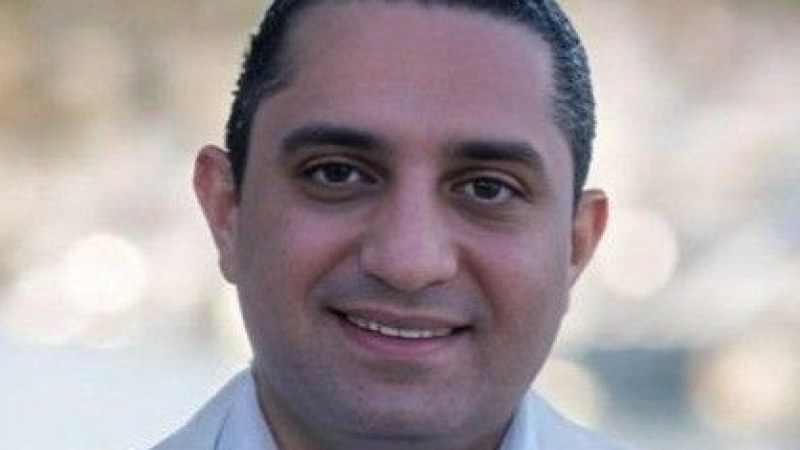
Hamed Ahmadi
Hamed Ahmadi is the Co-Founder and CEO of Medsien, a leading AI-powered remote care management company headquartered in San Francisco. A PhD mathematician turned Silicon Valley engineer turned healthcare entrepreneur, Ahmadi co-founded Medsien in 2018 alongside Sina Torabi with a mission to extend quality care beyond clinic walls to the 150 million Americans living with chronic conditions. Under his leadership, Medsien has grown to 110 employees, $12.7M in annual revenue, and raised $5.3M in funding, powering remote care programs for hundreds of healthcare organizations across the US.
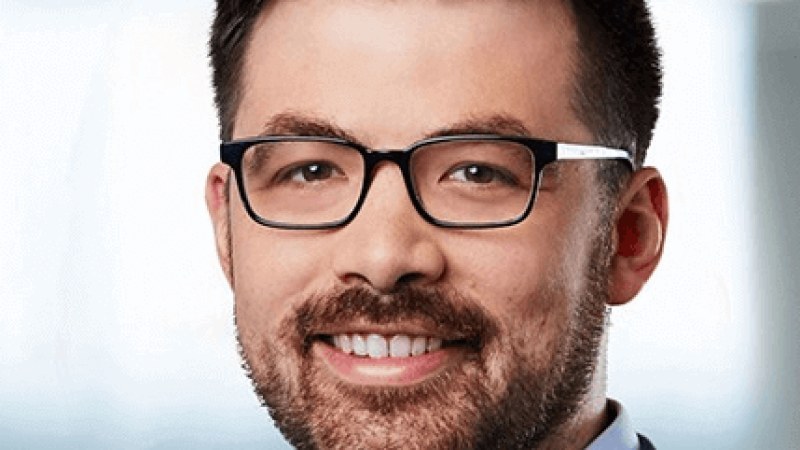
Ian Christopher
Ian Christopher is the Co-Founder and Chief Engineer of Qventus, the AI-powered hospital operations platform backed by KKR and Bessemer Venture Partners. A Stanford-trained computational engineer, he co-built Qventus from a 2012 YC startup into a $400M+ company that automates how hospitals manage patient flow, surgical scheduling, and care coordination - reducing staff burnout and cutting length of stay for major health systems across the US.
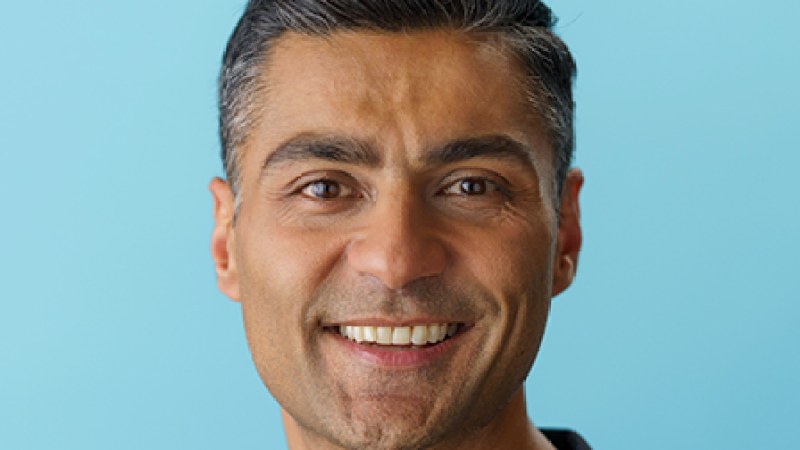
Pranay Kapadia
Pranay Kapadia is the Co-Founder and CEO of Notable, an AI-powered automation platform for healthcare that eliminates administrative burden for clinicians and health systems. Founded in 2017 after dinner-table conversations with six physician family members - including his psychiatrist wife who called herself 'the highest paid data collector in the world' - Notable has grown to serve 32 million patients across 12,000 sites of care, raised $119.2M in funding including a $100M Series B in 2021, and now automates over one million repetitive healthcare workflows daily. Before Notable, Kapadia helped build Mint.com at Intuit and was on the founding team at Blend, the mortgage fintech unicorn.
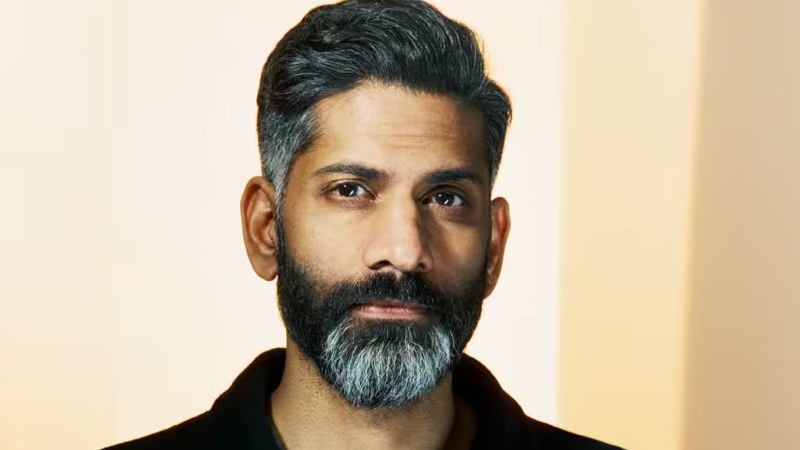
Shiv Rao
Shiv Rao is the CEO and co-founder of Abridge, the AI platform transforming clinical conversations into structured medical documentation. A practicing cardiologist at UPMC and history-major-turned-physician, Rao founded Abridge in 2018 out of personal frustration with nightly dictation sessions. The company, now valued at $5.3 billion after raising $300M in Series E in 2025, deploys across 150+ U.S. health systems including Mayo Clinic, Duke Health, and Johns Hopkins, supports 28 languages and 55 medical specialties, and is used by over 50,000 clinicians. Rao is equal parts cardiologist, technologist, and artist — a former DJ, skateboarder, and avant-garde music producer whose unconventional path runs straight through the operating room.
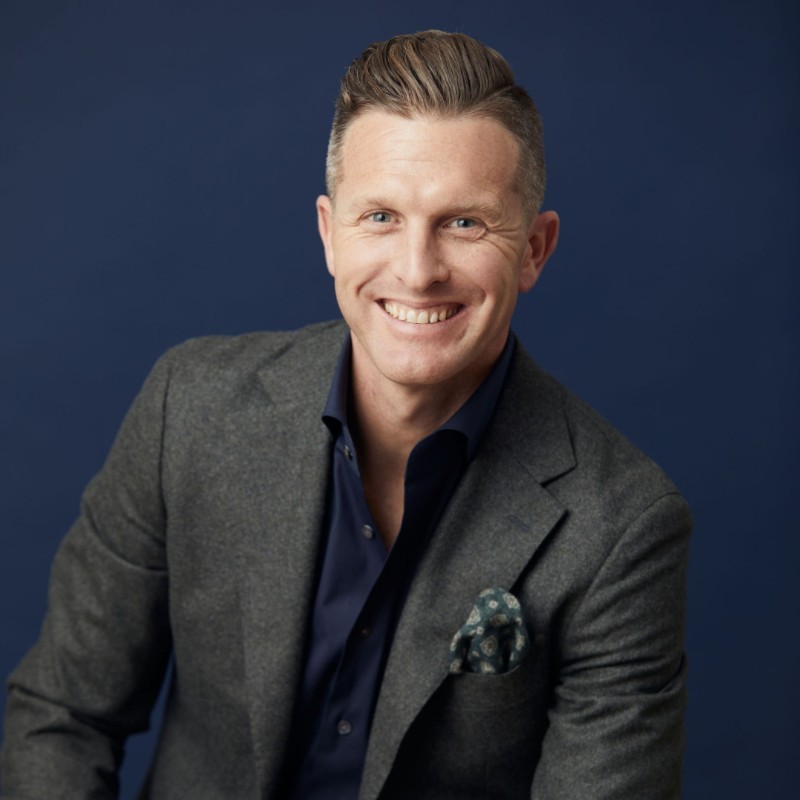
Rich Waller
Rich Waller is President and CEO of WellStack, a Madison, Wisconsin-based healthcare data platform that helps provider and payer organizations build a unified data ecosystem for AI, analytics, and population health management. A 20-year veteran of healthcare technology, Waller co-founded VisiQuate - a healthcare revenue cycle analytics company - before joining WellStack to lead its expansion into enterprise healthcare data infrastructure. He is known for his client-centered philosophy and belief that growth strategy is a team sport.
Nishith Khandwala
Nishith Khandwala (Nish) is the co-founder and CEO of Bunkerhill Health, a San Francisco-based AI company building the operating system for clinical action inside health systems. A Stanford computer scientist who started in AI labs with no healthcare background, he pivoted after physicians walked in with real clinical problems - and after his own father's heart attack forced him to ask why his coronary calcium AI wasn't reaching patients. Bunkerhill's Carebricks platform now powers 7+ clinical domains at major health systems including UTMB, HCA Florida, MedStar, and WVU Medicine. The company has raised $30.4M from Sequoia, Optum Ventures, and Y Combinator, earned multiple FDA clearances, and landed Nishith on Forbes 30 Under 30 and the inaugural Mayfield Divot AI List.
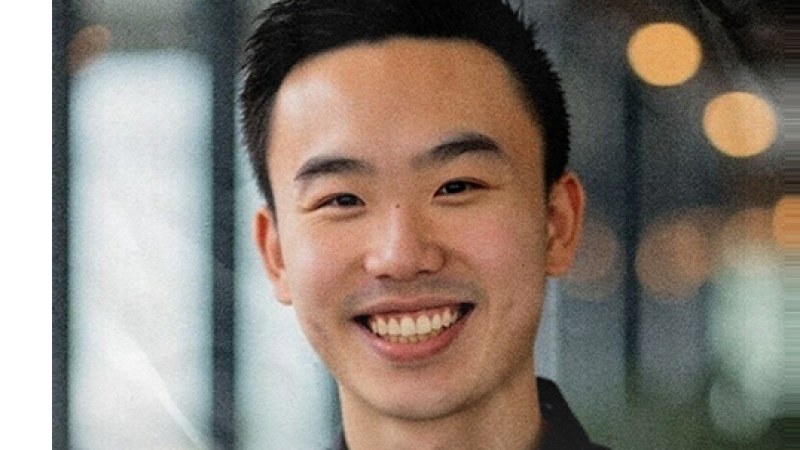
Justin Liu
Justin Liu is the Co-Founder and CEO of Charta Health, a San Francisco-based AI healthcare operations company that automates medical chart review and billing/coding workflows. Having previously led growth at Rockset (acquired by OpenAI in 2024), Liu pivoted to healthcare, earning a Certified Professional Coder credential alongside his co-founder before raising over $30M to back their mission of making healthcare more affordable through AI. Charta Health's platform enables hospitals and health systems to review 100% of charts pre-billing, delivering an average 11% revenue uplift per chart.
Mark Lee
Mark Lee, MD, PhD is the CEO and Co-Founder of N-Power Medicine, a Redwood City-based company reinventing how oncology clinical trials reach patients. A medical oncologist and scientist trained at Stanford and Harvard, Lee has spent his career at the frontier of personalized medicine - from developing Oncotype DX diagnostics at Genomic Health, to helping build early cancer detection at GRAIL, to leading personalized healthcare at Genentech/Roche. In 2021, he co-founded N-Power Medicine to embed research infrastructure directly into community oncology clinics, combining AI, embedded staff, and real-time registries to dramatically expand clinical trial access. After raising a $72M Series B led by Merck's Global Health Innovation Fund, N-Power acquired Syapse in late 2024 to build the largest community-based prospective clinical research network in oncology.