digital-pathology
(21)
Dan Roark Has Spent a Career Teaching Science to Move Faster
From drug-discovery robots to digital pathology, the Spokane founder keeps returning to the same stubborn problem: brilliant science trapped inside slow systems.
Gestalt Spent Eight Years Building the Boring Layer of Pathology - Now AI Has Somewhere Useful to Work
Most pathology AI companies sell the clever answer. Gestalt sells the place where the slide, the case, the pathologist and competing algorithms can finally meet - a workflow-first bet backed by a $7.5 million Series A.
Mayo Clinic Built a Medical Machine Around One Stubborn Rule
For more than 160 years, Mayo Clinic has organized medicine around the patient instead of the department. Now that old operating idea is becoming a global data, diagnostics and AI business - without abandoning the clinic at its center.
Qritive
Qritive is a Singapore-based healthtech company building AI-powered digital pathology software that helps pathologists detect, grade and classify cancer from whole-slide images. Its Pantheon platform digitizes the entire histopathology workflow, and a suite of hardware-agnostic AI modules - covering prostate, colon, breast, gastric, lymph node metastasis and immunohistochemistry - assist pathologists in reaching faster, more consistent diagnoses. The company sells to hospitals, pathology labs and pharmaceutical partners across Asia-Pacific, the US and the Middle East.

Virtue Diagnostics
Virtue Diagnostics is a platform-based in vitro diagnostics (IVD) company headquartered in Singapore, with manufacturing in Suzhou, China and clinical operations in Beijing. Founded in 2019, it develops affordable diagnostic instruments and reagents across chemiluminescence, clinical chemistry, hematology, clinical mass spectrometry, multiplex immunohistochemistry (mIHC) and molecular diagnostics, aiming to serve patients through every stage of disease - from early screening and diagnosis to treatment monitoring and minimal residual disease management. Its strategy centers on localized innovation and expansion in emerging markets including China, Singapore, Brazil, Indonesia and the Philippines. The company closed a US$100 million Series B round in January 2022 led by Sequoia China and Morningside Ventures.
Ataraxis AI
Ataraxis AI is a New York-based precision-oncology company building AI-native cancer diagnostics. Founded in 2022 by physician-scientist Jan Witowski and AI researcher Krzysztof Geras, it developed Kestrel, a digital-pathology foundation model trained on hundreds of millions of tissue images. Its flagship platform, Ataraxis Breast, reads standard pathology slides to predict recurrence risk and estimate whether an individual patient will benefit from chemotherapy - reported to be roughly 30% more accurate than the current standard of care - returning results within about an hour and without additional tissue procedures.

BostonGene
BostonGene is a Waltham, Massachusetts biotechnology company that applies AI-driven multiomics to cancer. Its Tumor Portrait platform integrates DNA and RNA sequencing with immune and tumor-microenvironment analysis into a single test, producing molecular profiles that help oncologists select therapies and help pharmaceutical partners design trials, identify biomarkers, and accelerate drug development. Founded in 2015 and led by CEO Andrew Feinberg, the company reached unicorn status in 2022.
Clarapath
Clarapath is a Hawthorne, New York medical robotics company that automates one of the most manual steps in cancer diagnosis: cutting and transferring paper-thin tissue sections onto slides for pathologists to read. Its flagship system, SectionStar, combines robotics, machine vision and AI to standardize tissue sectioning, cut turnaround times and ease chronic staffing shortages in histology labs. Founded in 2014 out of neuroanatomy research at Cold Spring Harbor Laboratory, the company has raised roughly $75 million and works with partners including the Mayo Clinic and Northwell Health.
Morphle Labs Inc.
Morphle Labs is a deep-tech healthcare automation company building robotic and AI-driven imaging systems for cancer diagnostics. Founded in 2017 and now operating between Bengaluru and New York, it combines robotics, optical engineering, and neural-network AI to automate the historically manual steps of histology - from tissue sectioning to whole-slide scanning to remote reporting. Its product line spans the RoboTome robotic microtome, the MorphoLens family of whole-slide scanners, and the HemoLens hematology scanners, giving pathology labs an end-to-end digital workflow at a fraction of the cost of legacy systems.
Eric Feinstein
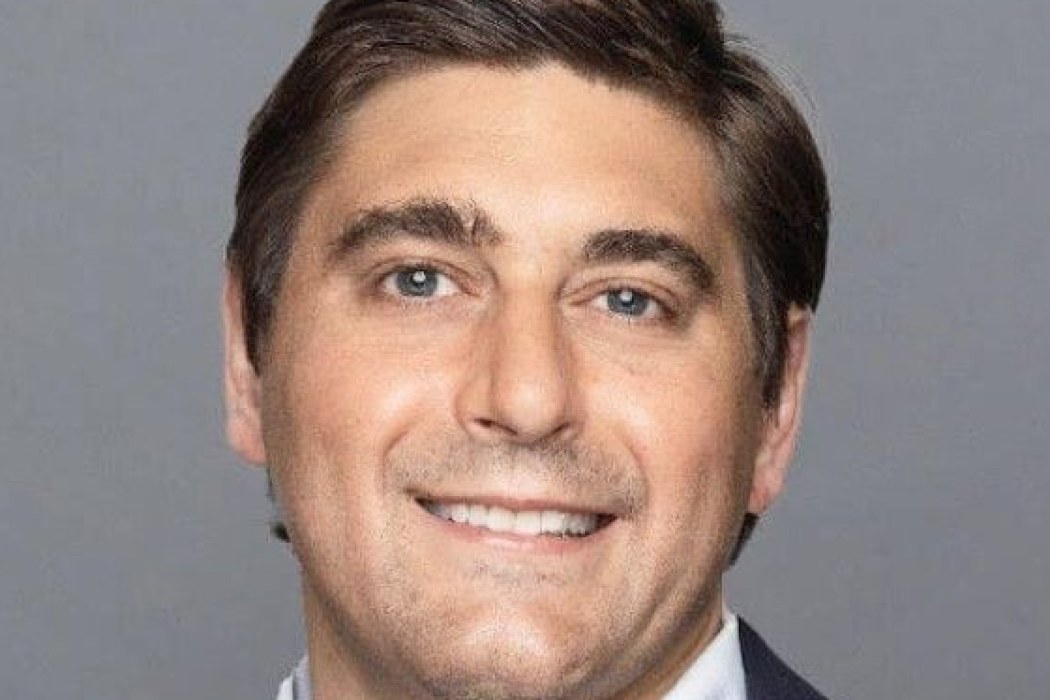
Eric Feinstein is the President and CEO of Clarapath, a Hawthorne, New York medical robotics company automating one of the last manual corners of the pathology lab: cutting and mounting tissue for diagnosis. Under his leadership Clarapath built SectionStar, an FDA-registered robotic microtomy platform, acquired the digital-pathology software firm Crosscope, forged a research collaboration with Mayo Clinic, and closed a $36M Series B in 2024. A former medical-device investor and operator with an MBA from Cornell, Feinstein frames the histology lab as a Lean Six Sigma manufacturing operation and pitches a broader vision he calls Laboratory 2.0.
Jan Witowski
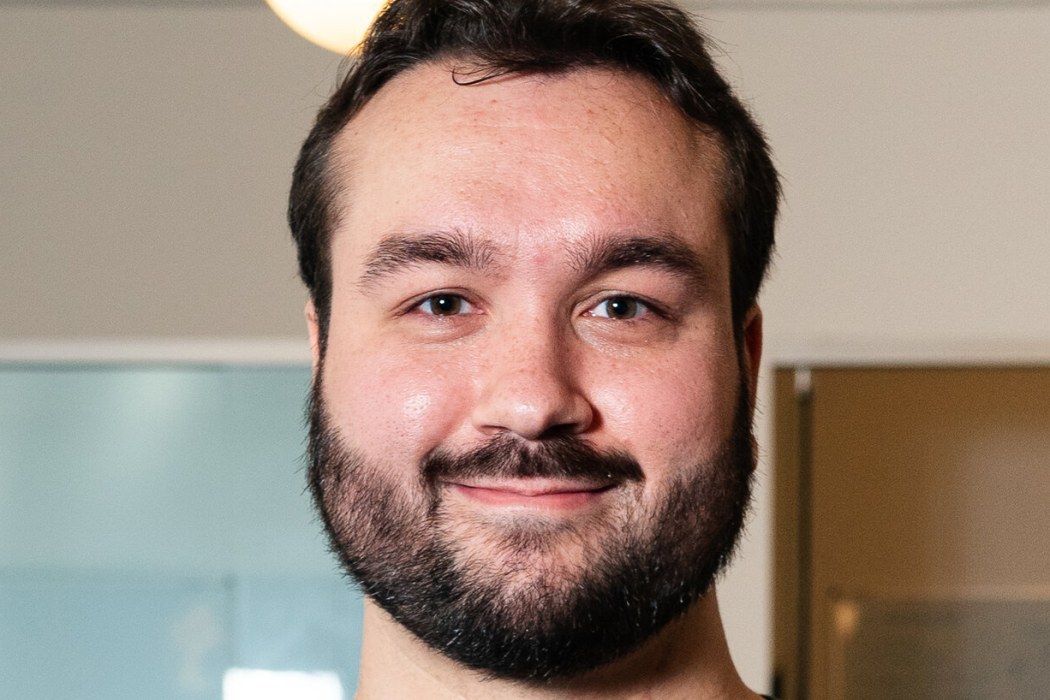
Jan Witowski is the co-founder and CEO of Ataraxis AI, a New York precision-medicine company building AI models that read cancer tissue to predict how a patient's disease will behave and which treatments will help. A physician-scientist with an MD and PhD, he spent a decade in medical imaging research at Harvard, Massachusetts General Hospital, and NYU Langone before spinning Ataraxis out of NYU in 2023. The company's first product, Ataraxis Breast, is billed as the first AI-native prognostic and predictive test for breast cancer, and it raised a $20.4 million Series A in 2025 led by AIX Ventures.
Rohit Hiwale
Rohit Hiwale is the co-founder and CEO of Morphle Labs, a Y Combinator W20 deep-tech company building robotic microtomes and high-throughput whole slide scanners for digital pathology. An IIT Kharagpur computer science graduate and second-time founder with prior engineering stints at Yahoo, WalmartLabs and Rippling, he is trying to automate the physical and imaging bottlenecks at the core of cancer diagnostics.
Valar Labs
Valar Labs is a Palo Alto precision-oncology company building AI tests that read the pathology slides already made during routine cancer care. Its Vesta platform applies proprietary foundation models to standard H&E-stained tissue images to predict how individual patients will respond to therapy - starting with bladder cancer, where it forecasts whether a patient is likely to benefit from BCG treatment and stratifies the risk of recurrence and progression. Founded in 2021 by Stanford AI researchers, the company has raised $26M total and earned the FDA's first Breakthrough Device Designation for an AI digital-pathology prognostic test in bladder cancer.
Dirk Soenksen
Dirk Soenksen is the co-founder and CEO of Ceresti Health, a Carlsbad, California digital-health company that treats the family caregiver as the unit of care for people living with dementia. An engineer by training, he first reshaped a corner of medicine by founding Aperio, the company that turned the glass microscope slide into a digital image and became the global leader in digital pathology before Danaher's Leica Biosystems acquired it in 2012. A coffee on his last day at Leica sent him into a second act: instead of imaging the brain, he set out to support the overwhelmed spouses and adult children caring for it.

OptraHEALTH
OptraHEALTH is a San Jose-based AI healthcare intelligence company that turns dense genomic and clinical data into plain conversation. Its patented HealthFAX platform and GeneFAX product line use conversational AI, natural language processing, and knowledge graphs to help labs, hospitals, payors, and patients navigate genetic testing, revenue cycle management, prior authorization, and clinical decisions - letting people ask their health data questions through chat, mobile, and voice interfaces.
HistoWiz
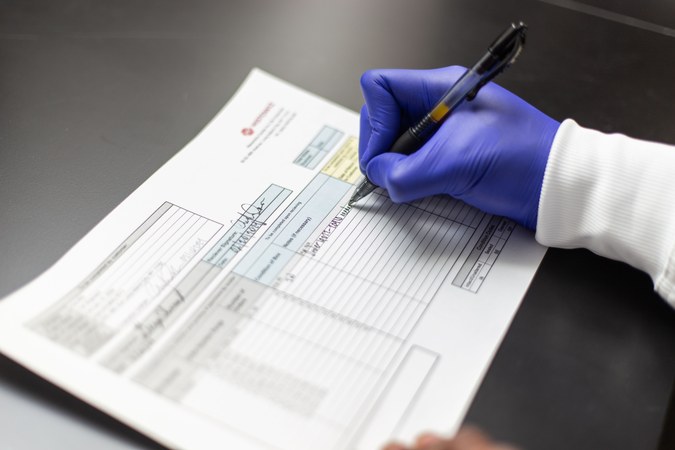
HistoWiz is a New York-based histopathology company that turns tissue specimens into publication-quality digital slides in as little as three days. By pairing an automated, robot-driven lab with PathologyMap, a cloud platform hosting one of the world's largest preclinical pathology databases, it gives academic and biotech researchers fast, standardized histology plus AI analysis and access to board-certified pathologists - work that traditionally took weeks of slow, manual lab effort.

Linh Hoang
Linh Hoang, MD, PhD, is the Chief Executive Officer of HistoWiz, the New York based digital pathology company building PathologyMap, a platform that automates histology and connects researchers to top pathologists on demand. A physician-scientist turned operator, he trained at the University of Pennsylvania, cut his teeth at Boston Consulting Group, and ran businesses at Thermo Fisher and PerkinElmer before leading two diagnostics companies as CEO, Boston Microfluidics and its successor Weavr Health, ahead of joining HistoWiz in October 2022.

ArteraAI
ArteraAI is a precision medicine company building multimodal AI tests that personalize cancer therapy. Its flagship ArteraAI Prostate Test is the first AI-enabled predictive and prognostic biomarker recommended in the NCCN Guidelines for localized prostate cancer, validated across five Phase 3 trials.
Gauri Naik
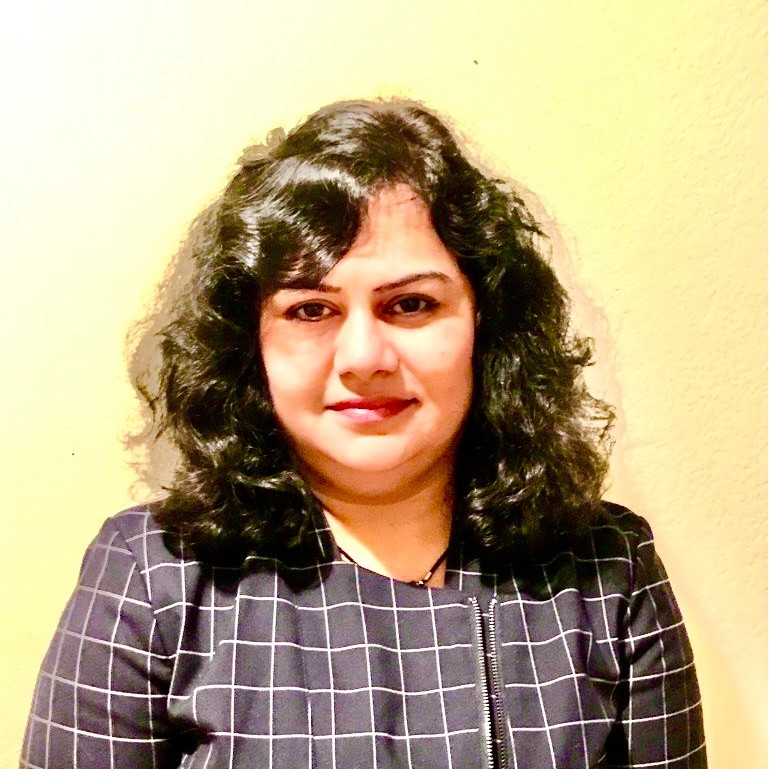
Dr. Gauri Naik is a Ph.D. biotechnologist, serial entrepreneur, and Co-Founder & CEO of OptraHEALTH, a Silicon Valley AI health-tech company building conversational AI and revenue cycle automation tools for genetics, genomics, and clinical workflows. With 11 U.S. patents, a career spanning digital pathology (BioImagene, acquired by Roche), and products deployed at leading health systems across the US, Europe, and Asia, she sits at the intersection of molecular biology, machine learning, and enterprise health IT.
Anirudh Joshi
Anirudh Joshi is the co-founder and CEO of Valar Labs, a Palo Alto-based AI oncology company building tools that let doctors predict whether a specific cancer treatment will work before a patient wastes months on the wrong one. A biomedical engineer trained at Georgia Tech and Stanford, he previously built AI at Microsoft, PathAI, and Curai before co-founding Valar in 2021 with teammates from Stanford's AI in Medicine group. Valar raised $26M total, landing a $22M Series A from Andreessen Horowitz and DCVC in 2024, and its flagship test Vesta — predicting BCG therapy response in bladder cancer — is now live at 20 U.S. hospitals. Named to Forbes 30 Under 30 Healthcare 2025.
Andre Esteva
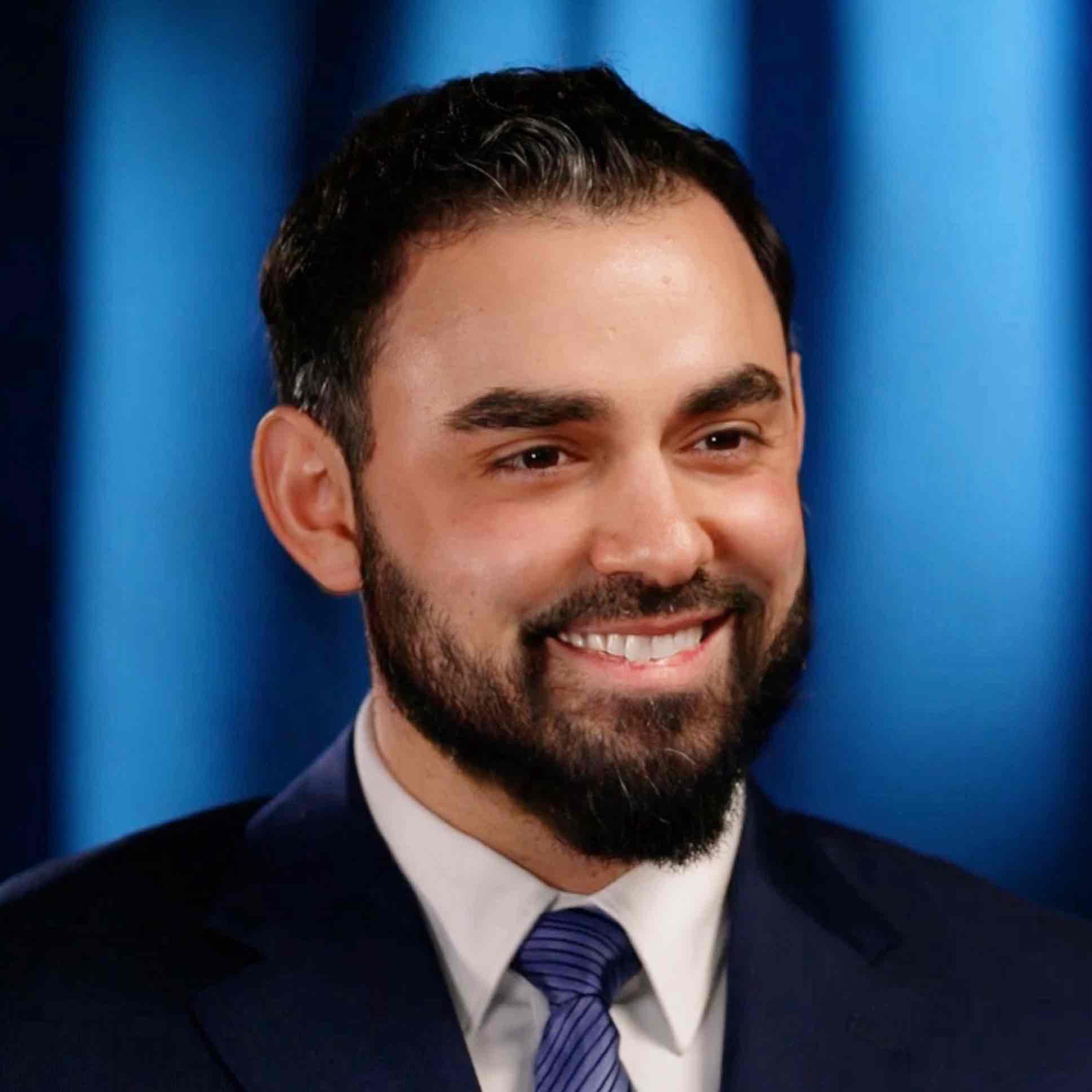
Andre Esteva, PhD, is the co-founder and CEO of ArteraAI, a medical AI company whose test for personalizing prostate cancer therapy is included in NCCN clinical guidelines, reimbursed by Medicare, and deployed internationally. A Stanford-trained AI scientist whose Nature cover paper first demonstrated that AI could match dermatologists at diagnosing skin cancer, Esteva has co-founded four companies with a combined market cap of $2.2B. Named to TIME100 Health 2025 and Modern Healthcare's 40 Under 40 for 2025, he leads a company that raised $175M total and was named a TIME 2024 Best Invention.