devsecops
(47)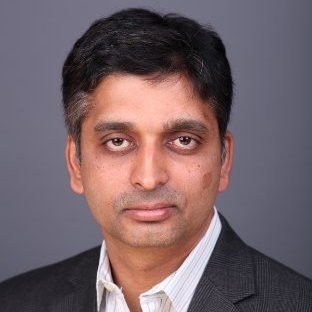
Kumar Chivukula and the Work After the Code
At Adobe and Symantec, Kumar Chivukula learned how much work stands between writing software and shipping it. At Opsera, he is building a business around that stubborn distance - and watching AI make it matter all over again.

Lauren Knausenberger and the Fine Art of Making Government Software Move
A teenage cryptography internship led to a bar-napkin pitch, a $17 billion technology portfolio and a career-long campaign against software that arrives after the moment has passed.

Jeff Williams Put a Stethoscope Inside the Software
The co-founder of OWASP and Contrast Security has spent three decades arguing that software cannot be secured from a distance. His answer is simple enough to sound obvious: watch the code while it lives.

Robert Slaughter Found the Pentagon's Missing Update Button
An Air Force physicist watched a promising AI project get stranded between a spreadsheet and an aircraft. His answer was Defense Unicorns - an unusually cheerful company built to make military software move at operational speed.

Ron Rymon Turned One Miserable Code Audit Into a Company
A punishing due-diligence exercise showed a computer scientist that open-source security was working against developers. His answer became WhiteSource, now Mend.io - and the clearest expression of a career spent turning technical friction into companies.
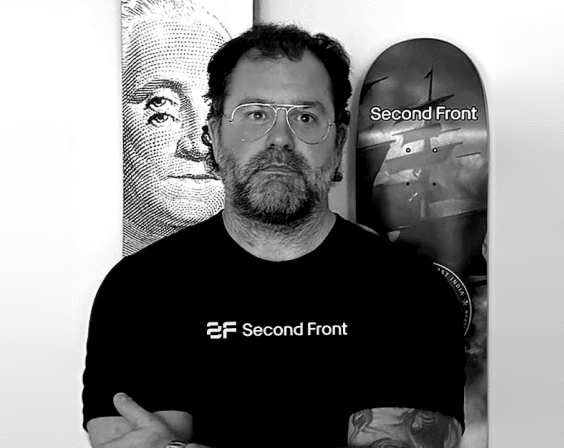
Tyler Sweatt Is Trying to Give the Pentagon Its Time Back
A West Point cadet on 9/11 became an Army officer who learned that urgency and equipment do not always arrive together. Now he runs Second Front by treating government software’s most expensive problem as a problem of time.

Scott Gainey Learned the Product First. Then He Learned to Tell Its Story.
Before Scott Gainey sold markets on security, he learned to read code, handle escalations and listen to engineers. That technical apprenticeship still shapes the way Checkmarx's CMO thinks about customers, categories and the unruly arrival of AI-generated software.
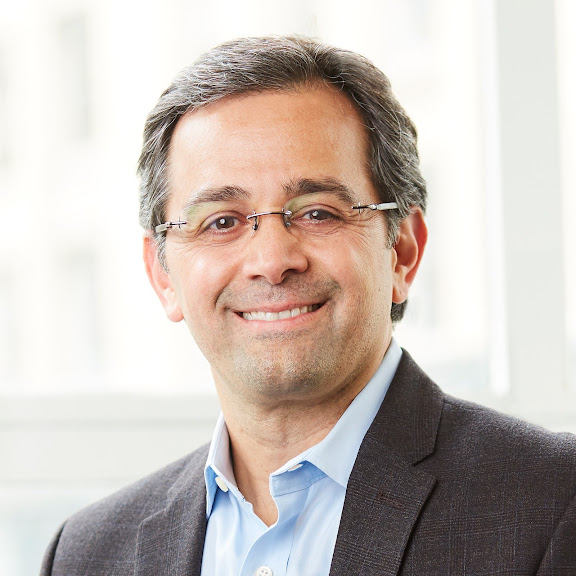
Shay Mowlem Has Spent 25 Years Turning Complicated Software Into Clear Choices
From six schools in six years to the C-suite of enterprise software, Shay Mowlem built a career by translating complexity, choosing the team over the title, and keeping his attention on what happens in the real world.
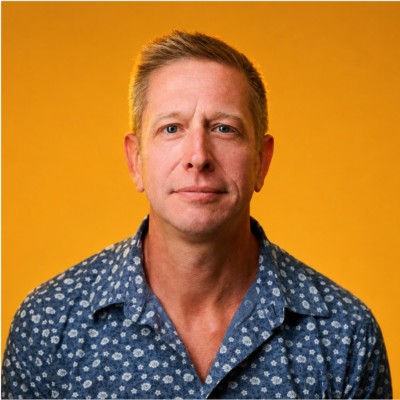
From Hoodies to Guardrails: David Howell’s Campaign to Make Cybersecurity Human
Across RSA, Raytheon, Forcepoint, ZeroNorth, ThreatX and now Legit Security, David Howell has spent more than two decades translating technical risk into a story people can act on. His latest brief is the industry’s newest puzzle: keeping AI-written software fast without letting security fall behind.
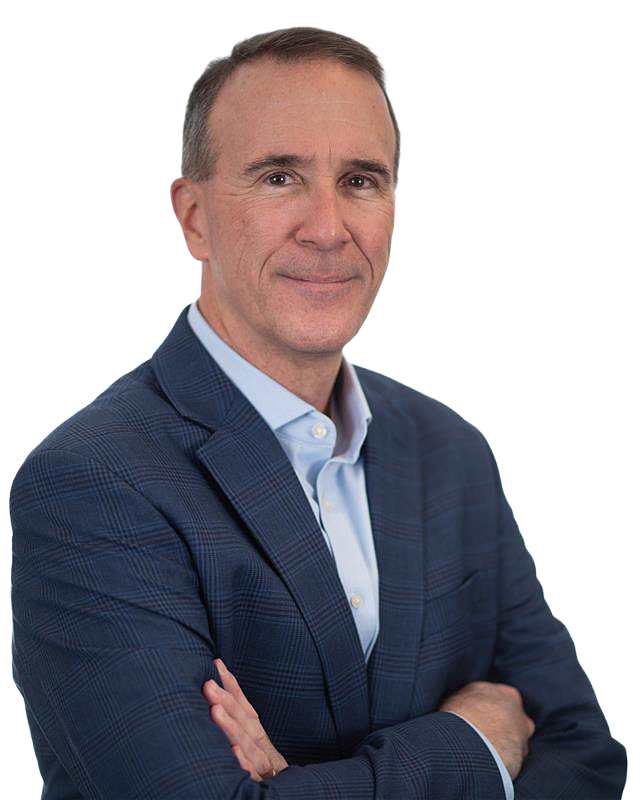
Jim Ivers Has Spent 20 Years Making Invisible Risk Impossible to Ignore
A computer-science graduate became cybersecurity's translator-in-chief - building brands through acquisitions, making the case for secure software, and learning when the market is finally ready to hear an old warning.
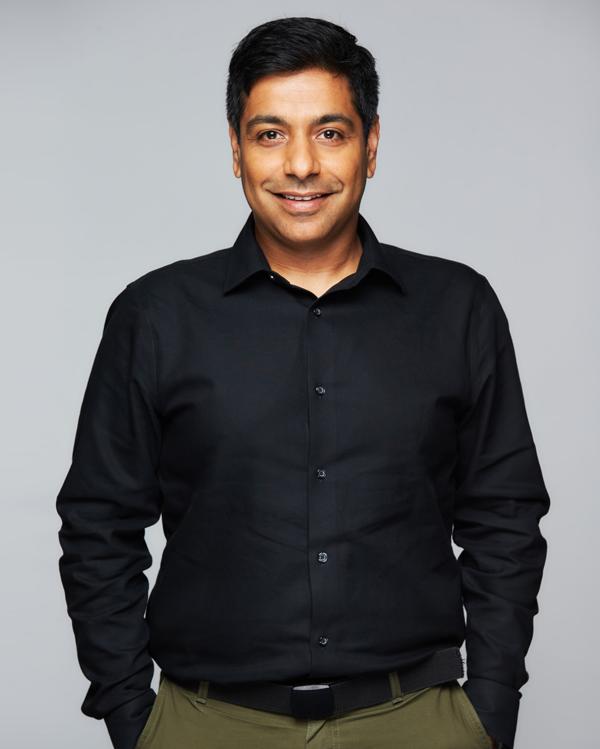
Manav Khurana Wants to Put the Whole Software Factory on the Scoreboard
GitLab's product and marketing chief has spent 25 years translating complicated technology into customer outcomes. His latest problem is the paradox of AI-written code: more speed at the keyboard, more strain everywhere else.

Michael Callahan Built a Career Translating the Next Security Problem
The Salt Security executive started in engineering, learned marketing through mentorship, and now turns APIs, AI agents, and invisible attack surfaces into problems a boardroom can understand.
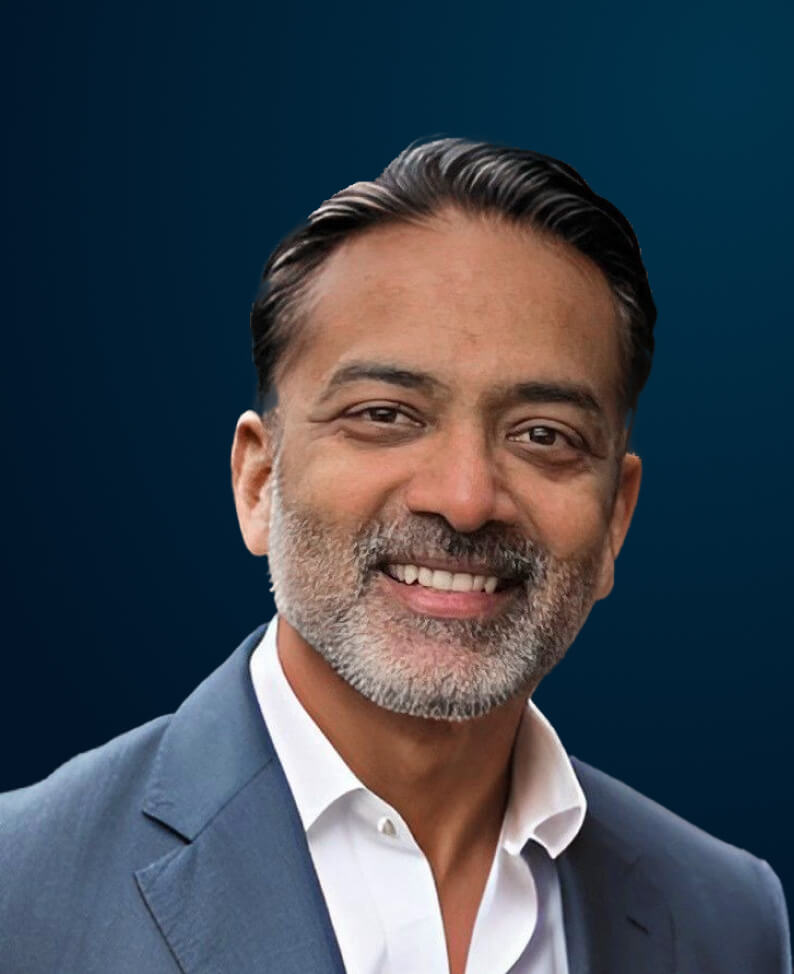
Raj Mallempati Is Securing the People - and Machines - Behind the Code
After an engineering-to-marketing career and a Microsoft acquisition, Raj Mallempati returned to the permissions problem with a sharper question: who - or what - is allowed to touch the software pipeline?
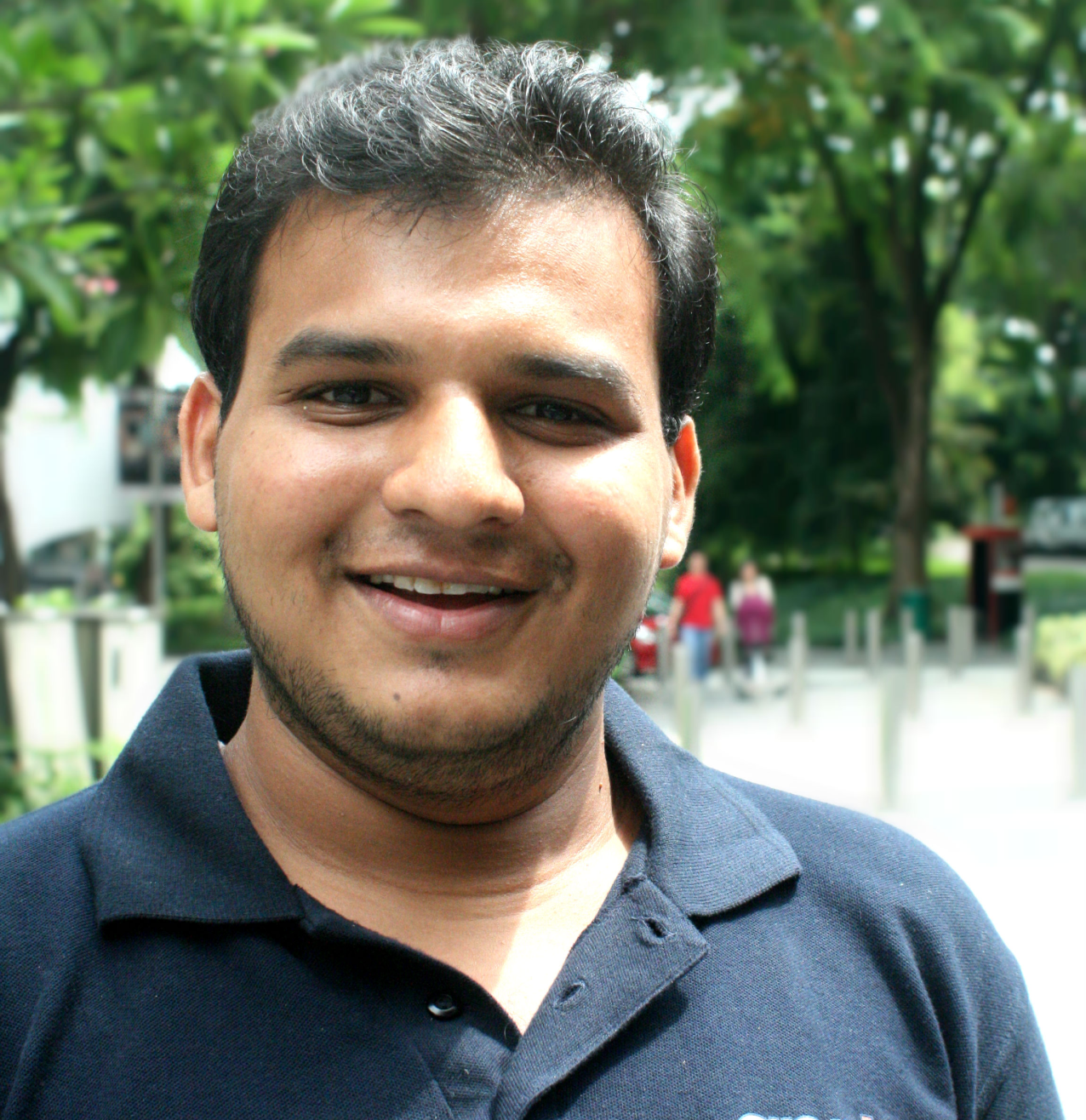
Harshit Agarwal Got Appknox Growing by Choosing a Smaller Target
After two failed startups and one brush with shutdown, the Appknox co-founder discovered that growth did not require a wider market. It required the courage to choose a narrower one.

Azi Cohen Has Spent 25 Years Finding the Risk Everyone Else Left for Later
The Mend.io co-founder built companies around neglected security chores. Now, back in the CEO seat, he is betting that AI will make the old habit of fixing risk at the end of development impossible to defend.
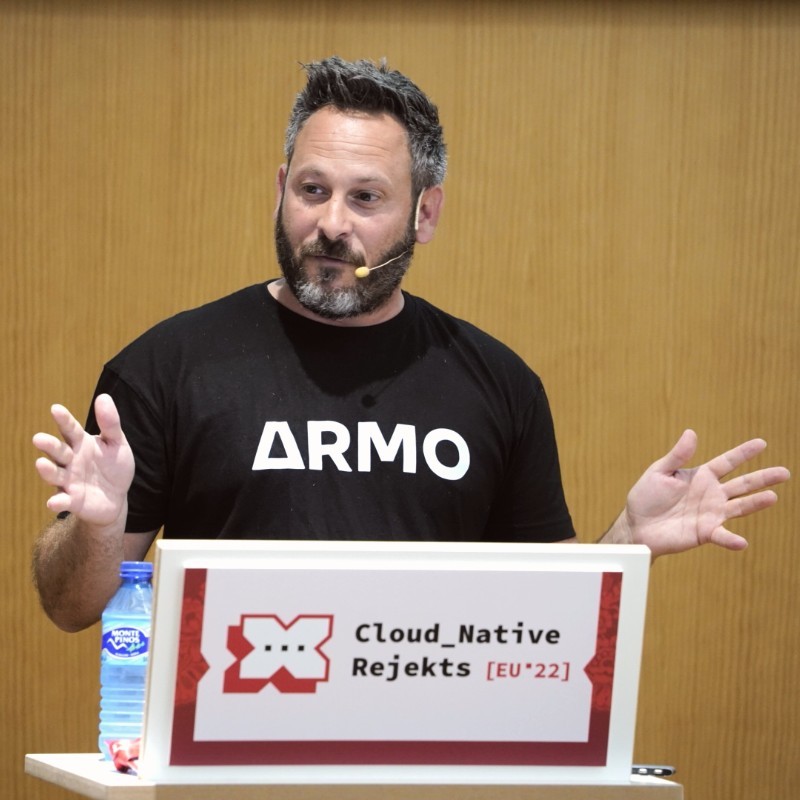
Shauli Rozen Put Kubernetes Security in the Hands of the People Who Ship It
The ARMO co-founder took a winding route from compression code to the boardroom, then bet that cloud security would work better if developers could inspect it, try it and shape it themselves.
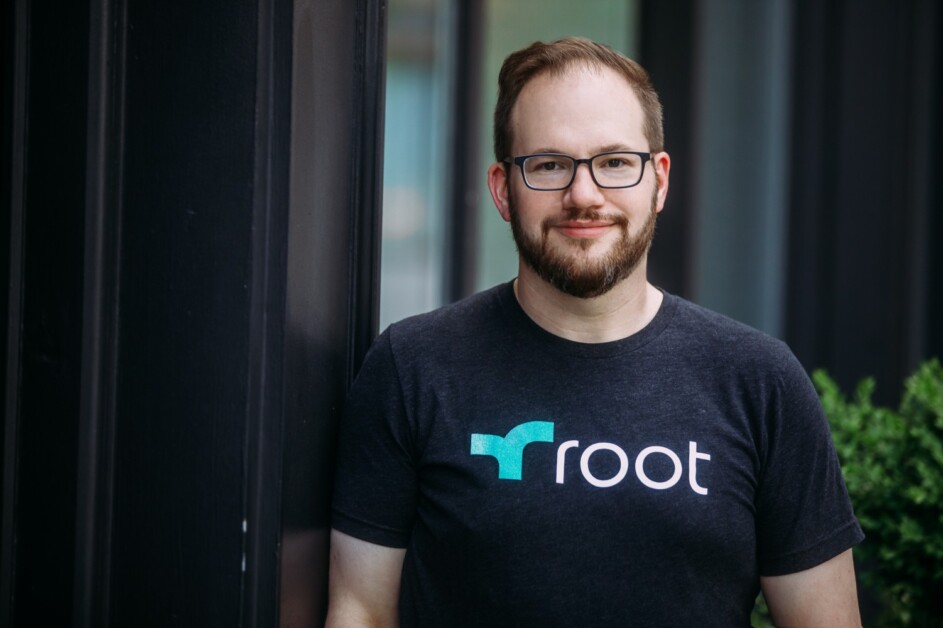
Ian Riopel Wants Software Security to Fix the Problem, Not Forward the Ticket
After years spent watching security teams produce longer lists of vulnerabilities, the Root co-founder made a different bet: patch the software, preserve the workflow, and give developers their time back.
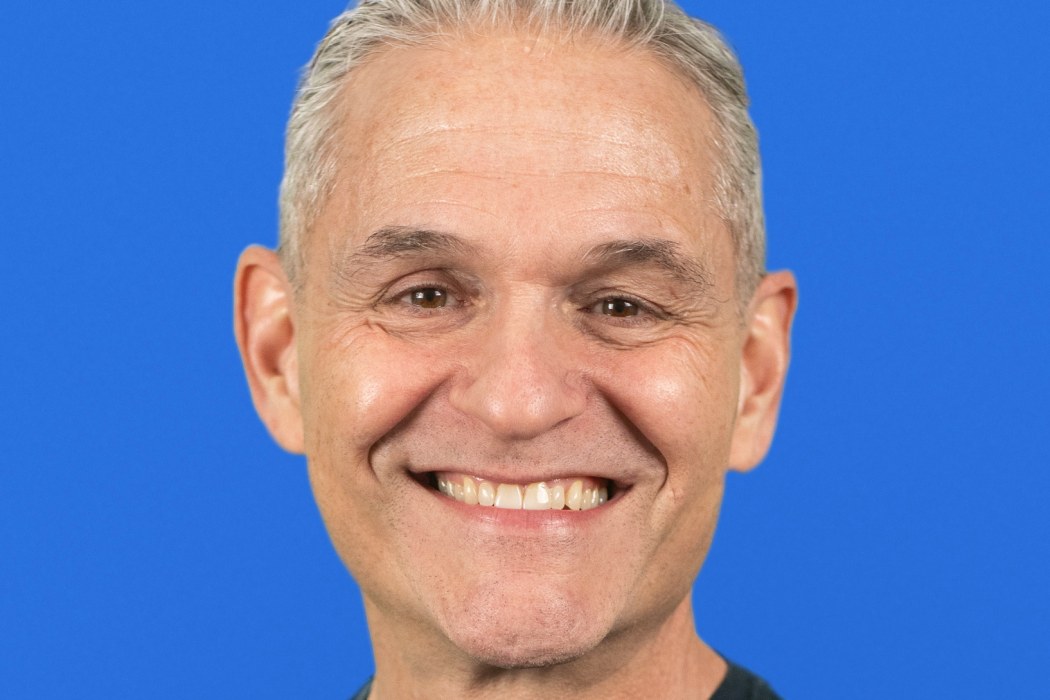
Glenn Weinstein
Glenn Weinstein is the CEO of Cloudsmith, the cloud-native software supply chain platform headquartered in Belfast, Northern Ireland. A U.S. Naval Academy graduate and former naval flight officer who learned to code on a Commodore 64, he co-founded the cloud consultancy Appirio (sold to Wipro for $500M) and spent four years as Chief Customer Officer at Twilio before relocating from New York to Belfast in 2023 to lead Cloudsmith. Under his leadership Cloudsmith raised a $72M Series C in April 2026, positioning the company to secure software supply chains in the age of AI coding agents.
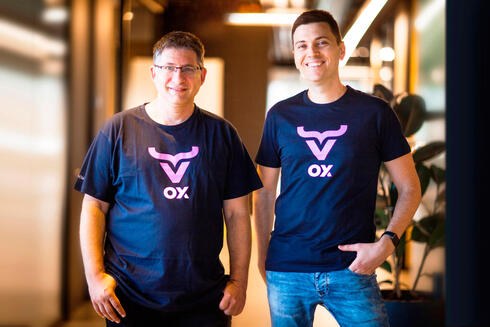
Neatsun Ziv
Neatsun Ziv is the co-founder and CEO of OX Security, an application security posture management company he started in 2021 with fellow Check Point veteran Lior Arzi after the SolarWinds breach. OX raised a $60M Series B in May 2025, bringing total funding to about $101.5M, and pitches a platform that culls the roughly 5% of code and pipeline risks that developers actually need to fix. Before OX, Ziv ran Threat Prevention & Intelligence at Check Point, where his team helped coordinate responses to NotPetya, SolarWinds and other campaigns with Interpol and national CERTs.
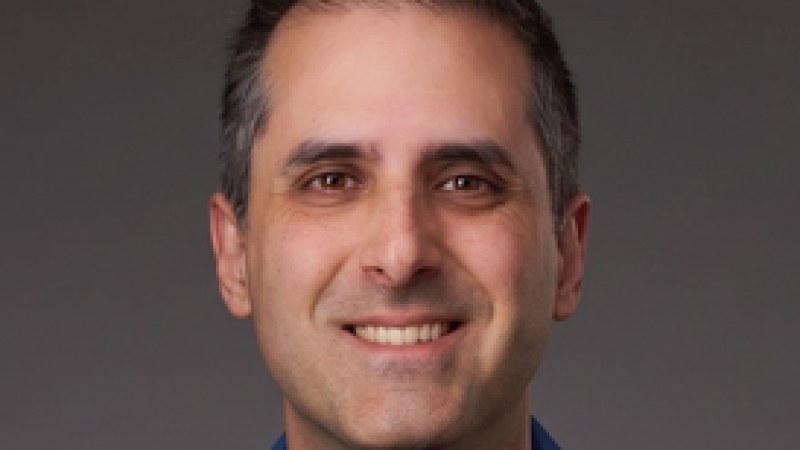
Roni Fuchs
Roni Fuchs is the co-founder and CEO of Legit Security, an application security posture management (ASPM) company protecting software supply chains for customers including Google, NYSE, Kraft Heinz and Palo Alto Networks. A Unit 8200 veteran who grew up in Jaffa, he founded Legit in 2020 with two IDF comrades after stints at Microsoft (via Aorato) and Checkmarx (via his prior startup Lumobit). Legit has raised roughly $80.5M through Series B.

David Bild
David Bild is a technical co-founder and engineering leader at Resourcely, the cloud-security startup acquired by Anysphere (maker of Cursor) in July 2025. A Ph.D. computer engineer who once designed censorship-resistant networks, he has spent his career turning gnarly security problems into guardrails developers actually want to use - from overlay networking for IoT at Xaptum to secure-by-design Terraform blueprints at Resourcely. Post-acquisition he works on Fraim, an open-source, genAI-based application- and cloud-security tool. He builds from a cabin-adjacent base in Southwest Harbor, Maine, on the doorstep of Acadia.
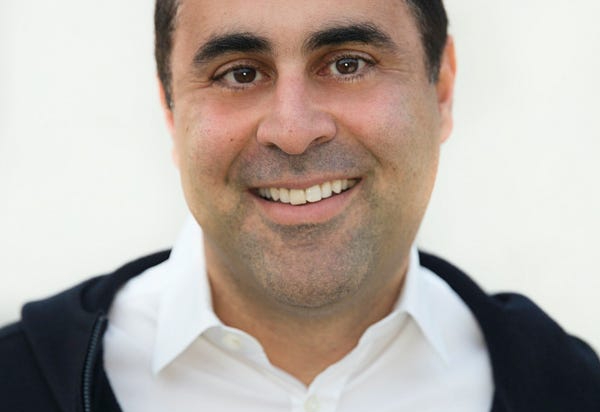
Jad Boutros
Jad Boutros is the co-founder and CEO of TerraTrue, a San Francisco privacy-and-security automation company he started in 2018 with former Snap general counsel Chris Handman. Before building software to make privacy reviews painless, Boutros spent nine years on Google's information security team leading security for its social products, then became Snap's first Chief Security Officer, where he and Handman ran thousands of privacy reviews a year out of a Google spreadsheet that ballooned past 100 tabs. TerraTrue is the product that spreadsheet should have been: a single source of truth that bakes privacy-by-design into the software development lifecycle.
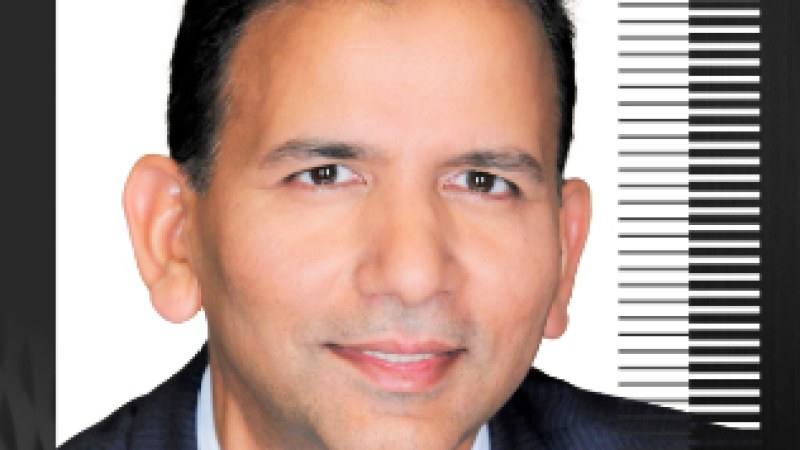
Bhagwat Swaroop
Bhagwat Swaroop is the CEO of Sonatype, the software supply chain security company behind the Nexus platform and the world's largest repository of open source component intelligence. Appointed in July 2025, he brings nearly 30 years of cybersecurity and enterprise software leadership from Entrust, One Identity, Proofpoint, Symantec, NetApp, McKinsey, and Intel. Armed with an MBA from Wharton and an MS in Electrical Engineering from Arizona State, Swaroop is betting that developers - not perimeter firewalls - are the new front line of cybersecurity, and he's building Sonatype's AI-powered platform to prove it.
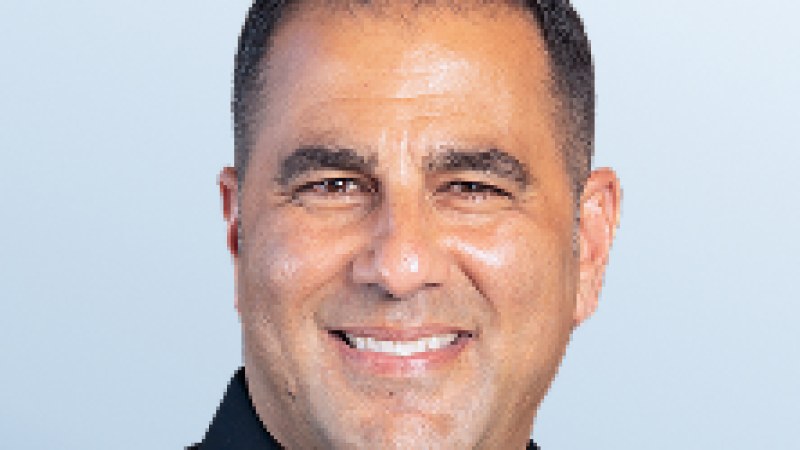
Shlomi Ben Haim
Shlomi Ben Haim is the co-founder, CEO and Chairman of JFrog, the Sunnyvale and Israel based company that built Artifactory and turned the unglamorous business of storing binaries into a Nasdaq listed platform for the software supply chain. A former Israeli Air Force major who spent twelve years in uniform before running AlphaCSP, he has led JFrog since 2008 with a slogan engineers actually quote back at him: liquid software, continuous updates, zero downtime.
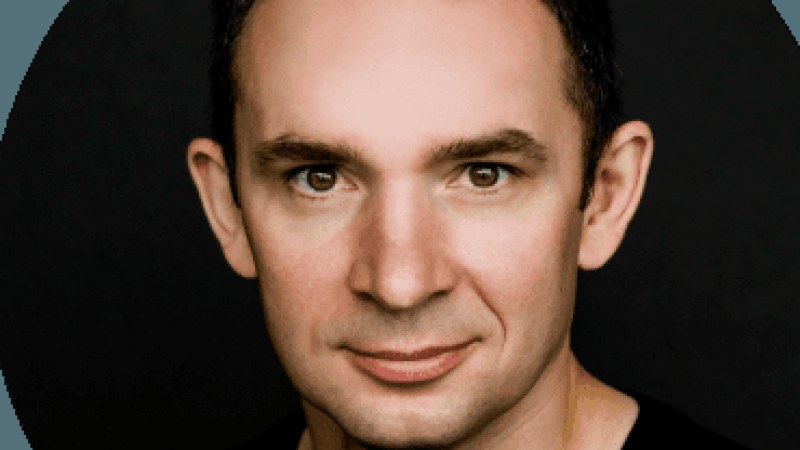
Ev Kontsevoy
Ev Kontsevoy is the co-founder and CEO of Teleport, a cybersecurity company building the identity-native infrastructure access platform trusted by organizations like Samsung, NASDAQ, and IBM. A serial entrepreneur who grew up in Siberia and studied applied mathematics, he previously co-founded Mailgun (acquired by Rackspace in 2012) before starting Teleport in 2015 to eliminate the fragmented, secrets-based approach to infrastructure security. Under his leadership, Teleport reached a $1.1B valuation with its $110M Series C, and he authored an O'Reilly book on identity-native infrastructure access management. He is now focused on defining agentic identity frameworks for the era of AI-driven enterprise infrastructure.

Ivan Novikov
Ivan Novikov is the founder and CEO of Wallarm, an AI-powered API security platform that has raised over $70 million in funding including a $55M Series C in 2025. With 24+ years in cybersecurity, he is recognized as the inventor of memcached injection attacks and a pioneer of SSRF research, having earned bug bounty awards from Google, Facebook, Twitter, Tesla, and Yandex. A Y Combinator S16 alumnus with a physics background from Moscow State University, Novikov transformed hands-on offensive security expertise into a company protecting APIs for enterprises worldwide.

Jeyappragash Jj
Jeyappragash 'JJ' Jeyakeerthi is the co-founder and CTO of Tetrate, the company that made Istio enterprise-ready and brought FIPS-verified service mesh to regulated industries including the US federal government. An IIT Madras graduate who once ran Twitter's Cloud Infrastructure, JJ co-founded Tetrate in 2018 with Varun Talwar to secure the cloud-native stack from edge to datacenter - building one of the most technically credible teams in the service mesh ecosystem, trusted by the US Air Force and some of the world's largest enterprises.
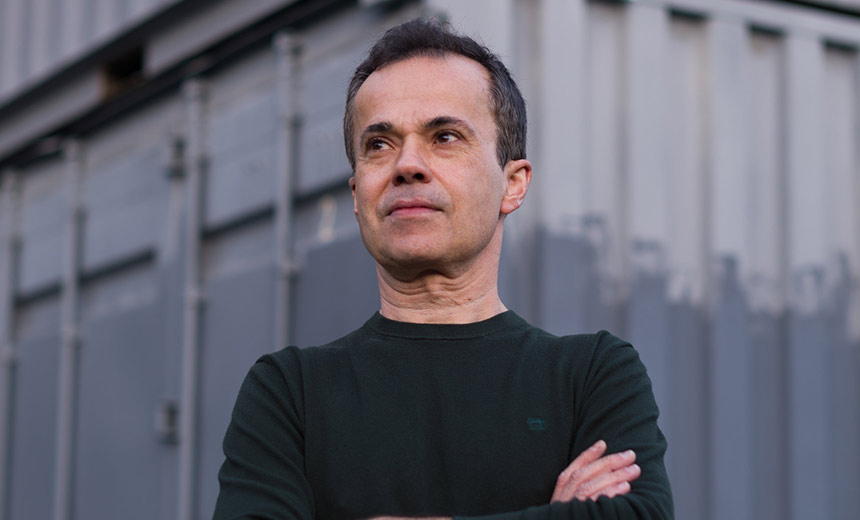
Mehran Farimani
Mehran Farimani is the co-founder and CEO of RapidFort, a Sunnyvale-based software supply chain security company that raised a $42M Series A in February 2026. A 25-year technology veteran, Mehran previously led the Fiery division at Electronics for Imaging (EFI) as SVP & GM, then founded Percipo—a computer vision AI company whose technology reached 40,000+ retail locations. At RapidFort, he is pioneering the category of Software Attack Surface Management (SASM), helping organizations automatically harden container images and eliminate up to 80% of CVEs through runtime-aware profiling, without touching a single line of application code.

Stepan Ilyin
Stepan Ilyin is the Co-Founder and COO of Wallarm, a San Francisco-based API and application security company that raised $55M in Series C funding in 2025. A former whitehat hacker and Bauman Moscow State Technical University graduate, he co-founded Wallarm in 2013 alongside Ivan Novikov and others, with the company graduating from Y Combinator's S16 batch. Wallarm now protects Fortune 500 enterprises with AI-powered API security, real-time threat detection, and CI/CD-integrated vulnerability management. Ilyin has authored over 500 publications on DevSecOps, API security, and AI threat prevention, and is a recognized conference speaker at Black Hat, RSA, and similar venues.
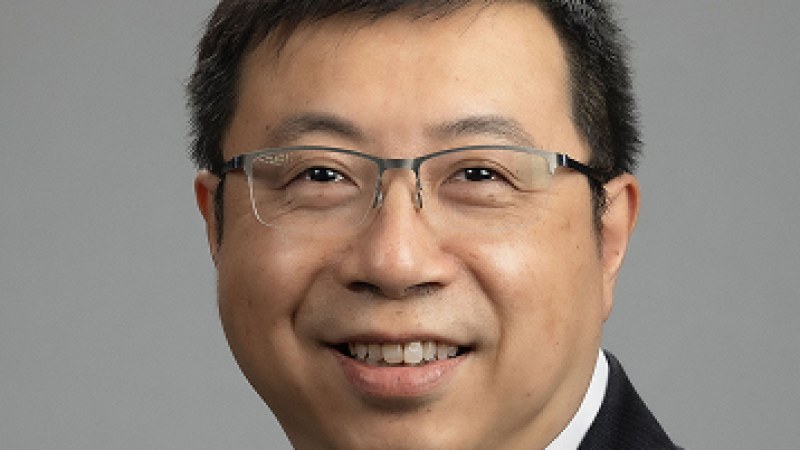
Tenry Fu
Tenry Fu is the CEO and Co-Founder of Spectro Cloud, the enterprise Kubernetes management platform trusted by the U.S. Air Force, U.S. Navy, GE HealthCare, T-Mobile, and Nokia. A serial entrepreneur with 20+ years in system software, Fu previously co-founded CliQr Technologies - which Cisco acquired for $260M in 2016 - before returning with his same co-founders to tackle the next hard problem: making Kubernetes manageable across any environment at any scale. Spectro Cloud has raised $142.5M in total funding, including a $75M Series C led by Goldman Sachs, and holds a post-money valuation of $750M.