data-privacy
(33)
Sarah Hospelhorn Makes the Invisible Risks in Data Impossible to Ignore
A physics-and-literature graduate became a builder, product marketer, and CMO by learning the same lesson three times: technology matters only after someone makes its meaning clear.
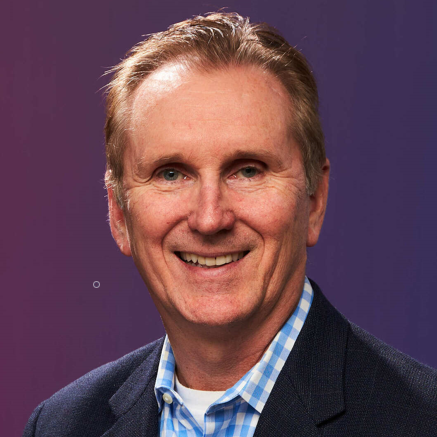
Dave Deasy Has Spent a Career Making Complicated Technology Easier to Choose
From e-commerce and online privacy to cybersecurity and live AI translation, Dave Deasy has built a career around one stubborn marketing problem: making sophisticated technology useful, legible, and worth adopting.
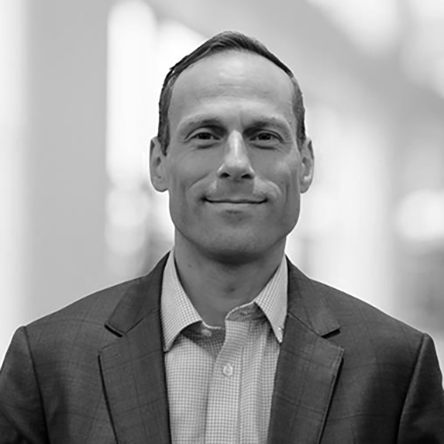
Michael Schanker Wants Marketing to Earn Its Place at the Revenue Table
The OneTrust CMO began as a CPA, learned persuasion while carrying a sales quota, and now argues that marketing's job can be stated in five plain words: set up sales to win.
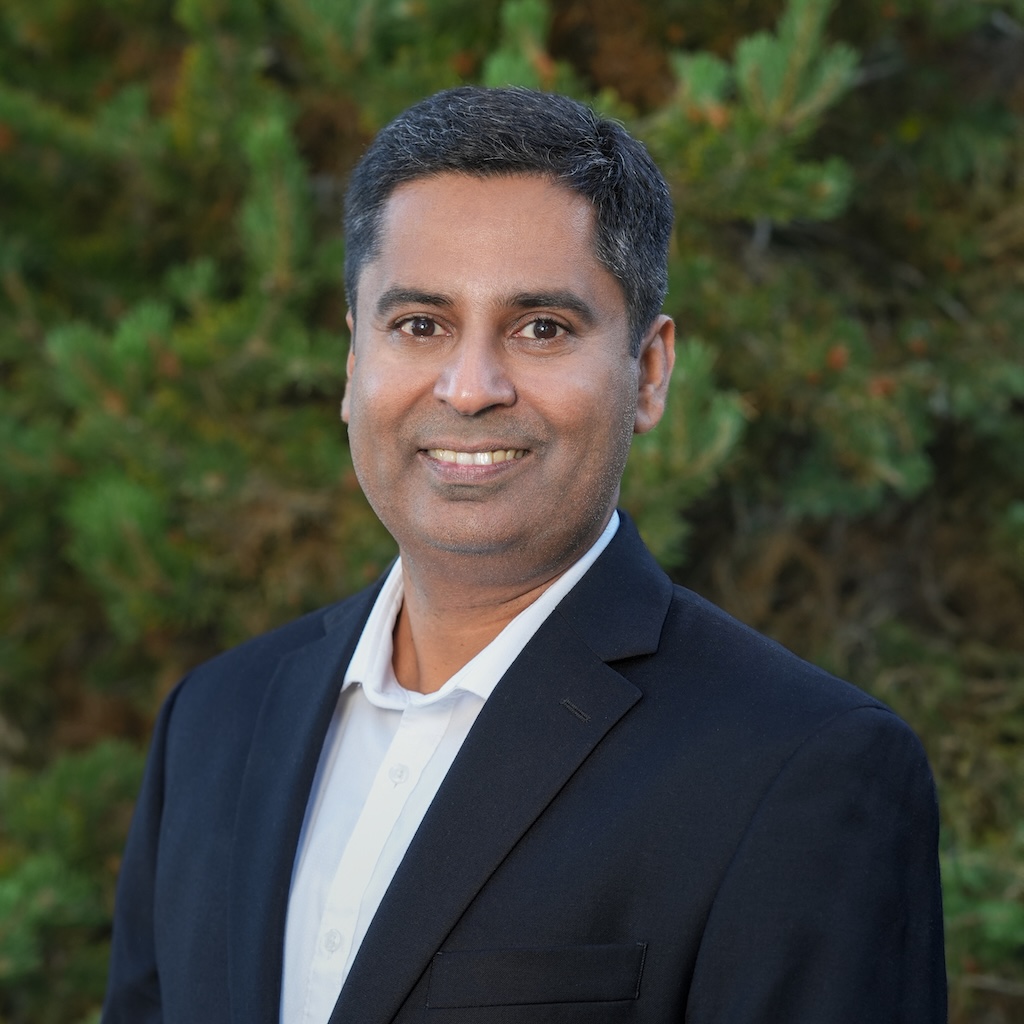
Himanshu Shukla Is Teaching Enterprise Data to Introduce Itself
After two decades building infrastructure, the Lightbeam co-founder made a human bet on enterprise security: every scattered byte matters because it belongs to someone.
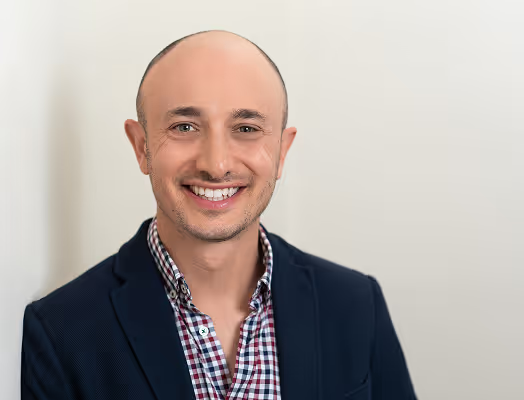
Ian Coe Is Making Fake Data Useful - and Real Data Less Dangerous
After Palantir and Tableau, Ian Coe built Tonic.ai around a stubborn idea: developers should get realistic data without getting the secrets inside it.
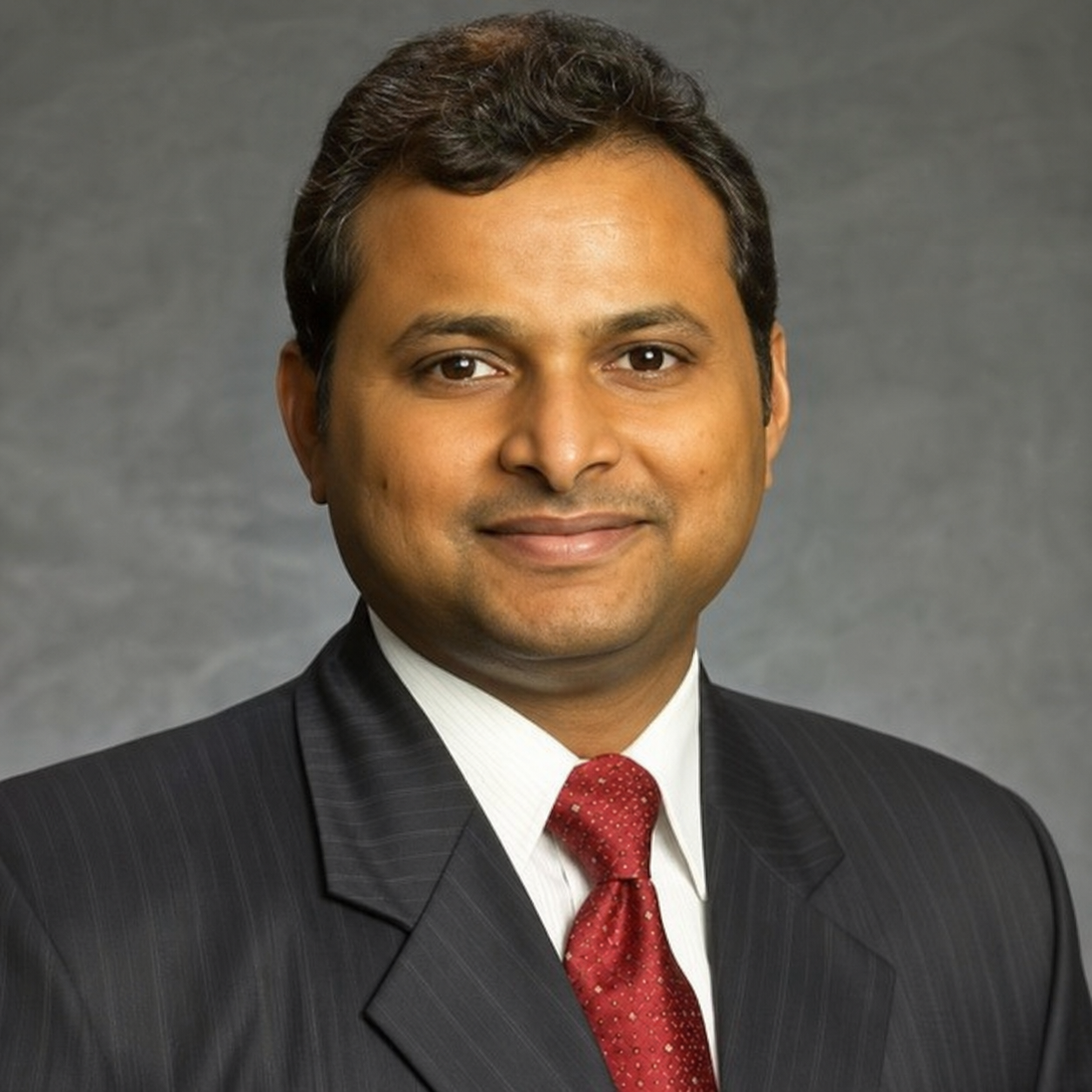
DV Dronamraju Is Turning Compliance Into a Product
The Essert founder has spent years translating dense rules into worklists, controls and software. His bet is simple: compliance works better when it behaves like a product, not a pile of paperwork.
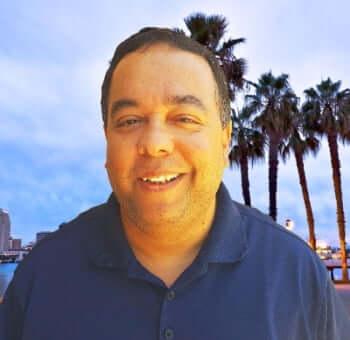
AJ Sarkar Asked Hundreds of Executives What Risk Looks Like. Then He Built the Dashboard.
The RiskOpsAI founder has spent years translating the anxious language of cyber risk into decisions a board can actually use. His latest bet is that AI governance must move as quickly as AI itself.
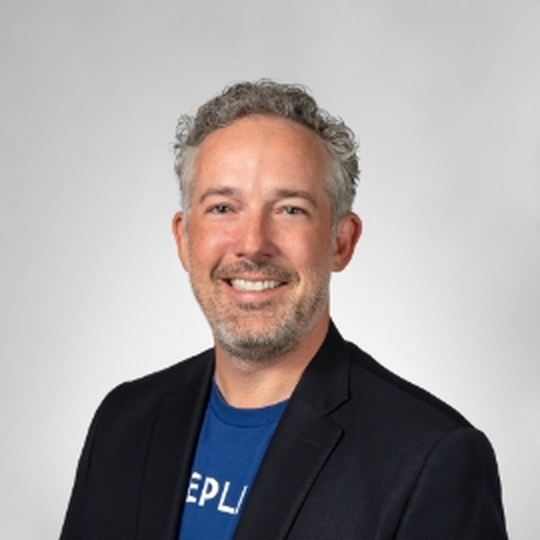
Kristopher Schroeder Built a Room Where Risky Work Can Breathe
After 17 years inside a giant consultancy, Schroeder chose the smaller, stranger bet: build secure digital rooms where investigators, engineers and AI teams can do dangerous work without dragging the danger home.

Lorena Magee Makes Encryption Make Sense
The Echoworx chief marketing officer has spent years turning an invisible technology into a human proposition: trust should be easy to use, simple to explain and difficult to break.
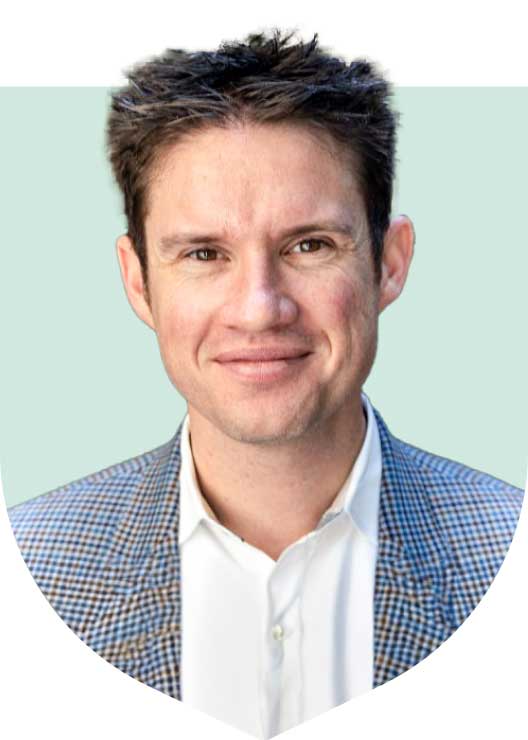
Daniel Barber Is Turning Privacy Into an Operating System
After years selling software built on customer data, Daniel Barber began asking a harder question: could a company map what it collects, honor what people ask, and make trust part of the machinery? DataGrail is his answer - and AI has made the question more urgent.
Bobby Jaffari Has Spent a Career Turning Complexity Into a Company
After helping WebEx and Freshworks through defining transitions, Bobby Jaffari is applying an operator's discipline to data privacy - a field where trust has become part of the product.
Zouhair Belkoura
Zouhair Belkoura is the founder and CEO of Keepsafe, a San Francisco company that builds a family of consumer privacy apps used by tens of millions of people worldwide. A former electrical engineering PhD who researched mobile video coding, he has built Keepsafe around the idea that privacy is a form of freedom and that ordinary people deserve simple tools to control their personal photos, messages, and browsing. He is a frequent writer and speaker on the difference between abstract data privacy and the content privacy that actually matters to people's daily lives.
Ché Wijesinghe
Ché Wijesinghe is the CEO of Cape.ai (formerly Cape Privacy), a New York and Halifax based company that builds AI for confidentially processing sensitive data across vision, voice and language models. A 25-year veteran of the enterprise software industry, he has led field operations and revenue at data and analytics companies including Cisco, Composite Software, OmniSci/HEAVY.ai and Neokami before taking the helm at Cape, where he has steered the company from an encrypted machine learning platform toward AI tools for document validation, compliance and financial services.

Eli Wachs
Eli Wachs is the co-founder and CEO of Footprint, a New York identity verification company building what he calls the identity layer for the internet. Footprint helps banks, real estate firms, auto dealers, and other businesses onboard customers by automating KYC and fraud checks while storing personal data inside secure enclaves. A Stanford economics and history graduate and former General Atlantic investor, Wachs started the company in 2022 with CTO Alex Grinman and has raised roughly $20 million to pursue a blunt goal: reduce digital identity theft toward zero while giving people more control over their own data.
Jon Jacobson
Jon Jacobson is the co-founder, Group CEO and CTO of Omnisient, a privacy-preserving data collaboration platform that lets banks, insurers, retailers and healthcare organizations share and analyze consumer data without exposing raw personal information. A software engineer with more than 25 years building data platforms, he founded Omnisient in South Africa in 2019 to attack a specific problem: nearly two billion people are shut out of affordable financial services because they lack the behavioral data lenders use to assess risk. His platform uses cryptography to tokenize and match datasets locally, turning loyalty-card and retail data into alternative credit signals.
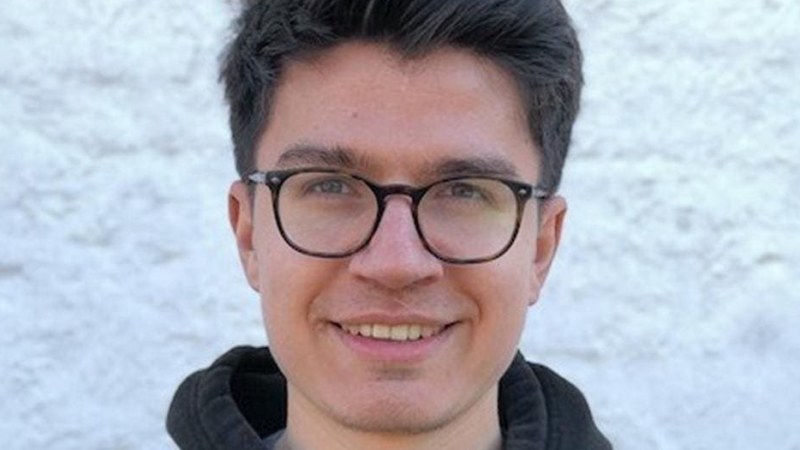
Nicolai Baldin
Nicolai Baldin is the co-founder and CEO of Synthesized, a London and New York-based DataOps and AI-powered test data automation platform he launched after a PhD in machine learning and statistics at the University of Cambridge. Synthesized generates synthetic, compliant, production-like data that enterprises use to test software, train models, and share information across regulatory boundaries. In September 2025 the company raised a $20M Series A led by Redalpine to expand into automated software testing for the age of 'vibe coding.'
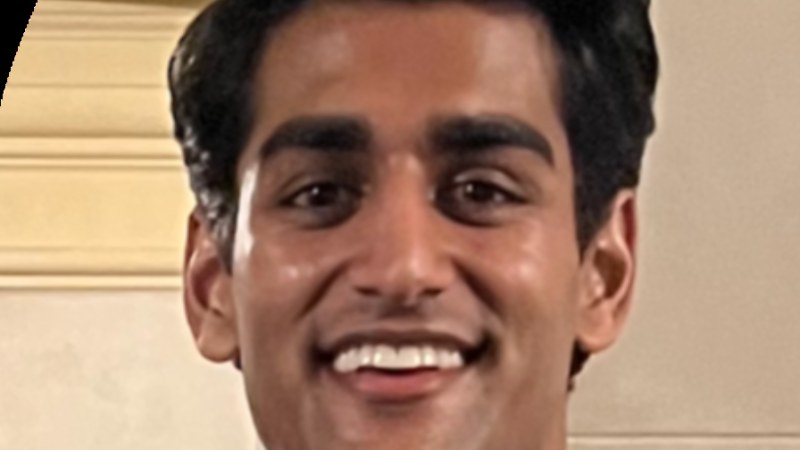
Shubh Sinha
Shubh Sinha is the co-founder and CEO of Integral Privacy Technologies, a San Francisco company that certifies, transforms, and activates privacy-regulated data (HIPAA, GDPR, CCPA) for healthcare and other regulated industries. Integral compresses compliance workflows that once took months into hours. Before Integral, Sinha led regulated-data product work at LiveRamp. He is a Purdue-trained computer engineer, an angel investor, and a Forbes Technology Council member. In July 2026 the company raised its Series A, bringing total funding to about $25M.
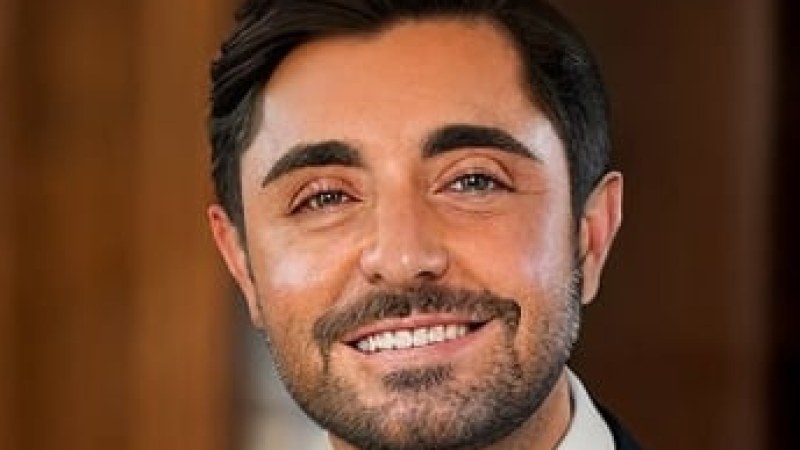
Frank Pica
Frank Pica is the CEO and co-founder of Native AI, a New York market-intelligence platform that builds AI-powered digital twins - synthetic consumer personas drawn from billions of real data points - so brands can interrogate their customers in real time instead of waiting weeks for surveys and panels. A repeat operator who helped scale Decide from three people to over a hundred and launched Adyoulike in North America, Pica is betting that consumer research is going through a renaissance, and that generative AI is leading it.

Sandra Serkes
Sandra 'Sandy' Serkes is the co-founder, president and CEO of Valora Technologies, a Massachusetts software company that has spent more than 25 years teaching machines to read, sort and tag the mountains of documents that organizations forget they own. An MIT and Harvard Business School graduate, she built Valora's PowerHouse and BlackCat platforms into autoclassification tools used by legal, compliance, government and corporate teams to find sensitive information, retire 'dark data' and get ready for AI. She is also an adjunct professor at Columbia University, a frequent industry speaker, and a 2006 'Woman to Watch.'
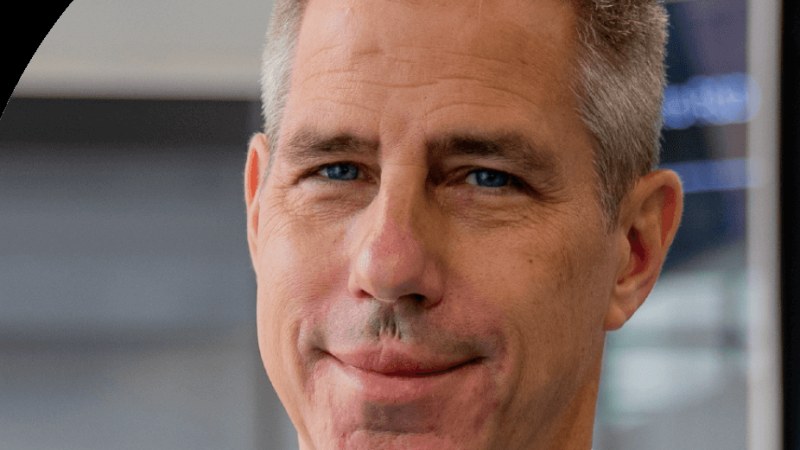
Andrew Kress
Andrew Kress is the co-founder and CEO of HealthVerity, the Philadelphia company that built one of the largest real-world healthcare data ecosystems and the technology to link, govern and exchange it without exposing patient identities. An English major from Yale who spent his career inside the plumbing of healthcare data - running SDI Health, then leading Healthcare Value Solutions at IMS Health - he started HealthVerity in 2014 to make fragmented, privacy-bound health data usable. The company raised $100M in Series D funding in 2021 led by Durable Capital Partners. Kress also serves on the boards of Philadelphia cultural institutions including the Pennsylvania Academy of the Fine Arts.

Aran Khanna
Aran Khanna is the co-founder and CEO of Archera, a Bellevue-based startup that helps companies cut cloud bills by guaranteeing deep discounts without locking them into long-term commitments, backed by insurance and reinsurance capacity. A Harvard computer science and math graduate, he first made headlines in 2015 when his Chrome extension Marauder's Map exposed a location-tracking flaw in Facebook Messenger and cost him a Facebook internship. He went on to research privacy at Harvard, build neural-network tools as an AI engineer at AWS, and co-found Archera in 2019 with his brother Nikhil.
Colin Gounden
Colin Gounden is the co-founder and CEO of VIA (VIA Science), a Somerville, Massachusetts company building decentralized, quantum-resistant data and identity protection software used by global utilities and the U.S. Department of Defense. A Harvard biochemistry graduate turned serial founder, he previously built and sold a technology services firm with clients like Royal Dutch/Shell for roughly $97M (1999) and founded and sold the analytics firm Grail Research (2009). Since 2016 he has steered VIA from clean-energy analytics into privacy-preserving Web3 security, raising a $28M Series B led by Bosch Ventures in March 2025.

Elizabeth Nammour
Elizabeth Nammour is the co-founder and CEO of Teleskope, a New York-based data security company she launched in 2022 after wrestling with petabyte-scale data sprawl as a security engineer at Airbnb. Teleskope bills itself as the industry's first agentic data security platform, autonomously scanning, classifying, and remediating sensitive data so organizations can adopt AI without losing track of their information. In late 2025 the company raised a $25 million Series A led by M13, bringing total funding to $32.2 million, on the back of 600% year-over-year growth and an 85% pilot-to-paid conversion rate.
Ben Brook
Ben Brook is the co-founder and CEO of Transcend, the data-privacy infrastructure company he started in 2017 with Harvard classmate Mike Farrell. He flew to San Francisco the day after graduation to build software that lets the world's largest companies find, delete, and control personal data at machine speed. Under his lead Transcend has delivered actionable data rights to over a billion people and raised nearly $90M, including a $40M Series B in 2024. A Toronto-born, award-winning filmmaker turned privacy engineer, Brook argues that privacy only works when it is encoded directly into the systems that touch personal data.
Balaji Ganesan
Balaji Ganesan is Co-Founder and CEO of Privacera (now Trust3 AI), the data security and AI governance platform built on top of Apache Ranger technology he co-created. A survivor of the Miracle on the Hudson, he co-founded XA Secure in 2013, which was acquired by Hortonworks and open-sourced as Apache Ranger — now deployed across thousands of enterprises globally. He launched Privacera in 2016 to extend that governance vision to multi-cloud environments, raised $67.3M in total funding, and counts Nike, Intuit, and Autodesk among his customers.
Marshall Jones
Marshall Jones is the CTO and Co-Founder of Very Good Security (VGS), a San Francisco-based fintech company that has become the world's leader in payment tokenization with over 5 billion tokens stored. He co-founded VGS in 2015 alongside Mahmoud Abdelkader after building PCI-compliant payment vaults at Balanced Payments (later acquired by Stripe). Under his technical leadership, VGS has raised over $104 million in funding from top investors including Andreessen Horowitz, Goldman Sachs, and Vertex Ventures, serving Fortune 500 companies, merchants, fintechs, and banks globally.
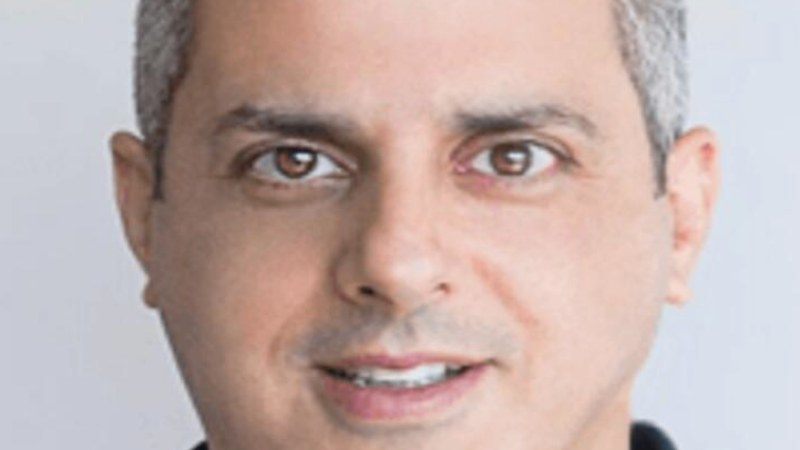
Oren Kaniel
Oren Kaniel is the CEO and co-founder of AppsFlyer, the world's leading mobile attribution and marketing analytics platform. Starting from a small apartment in 2011, he and co-founder Reshef Mann built a $2 billion company that serves 12,000+ customers including Nike, eBay, and Macy's. AppsFlyer reached $508.4M ARR in 2024, its first profitable year, and is positioning for a potential IPO. A Technion computer science graduate who started coding at age 8, Kaniel is known for spending 1.5 years without salary to build AppsFlyer and for operating the company for six years without a dedicated sales team.
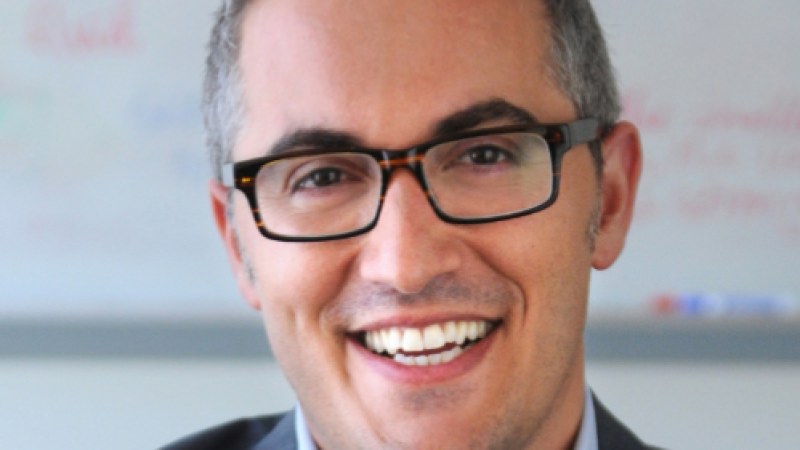
Jascha Kaykas-Wolff
Jascha Kaykas-Wolff is the CEO of Visiting Media, a Portland-based hospitality sales enablement company, and a veteran tech executive whose career has spanned Yahoo, Microsoft, BitTorrent, and Mozilla. Raised in a socialist collective outside Eugene, Oregon - by a pioneering rock concert promoter - he grew up thinking deeply about systems, autonomy, and how teams work. He is the author of 'Growing Up Fast' (2014), a pioneer of Agile Marketing methodology, the first CMO to pull all Facebook advertising after the 2018 data breach, and co-host of the podcast 'This is Your Life in Silicon Valley.'
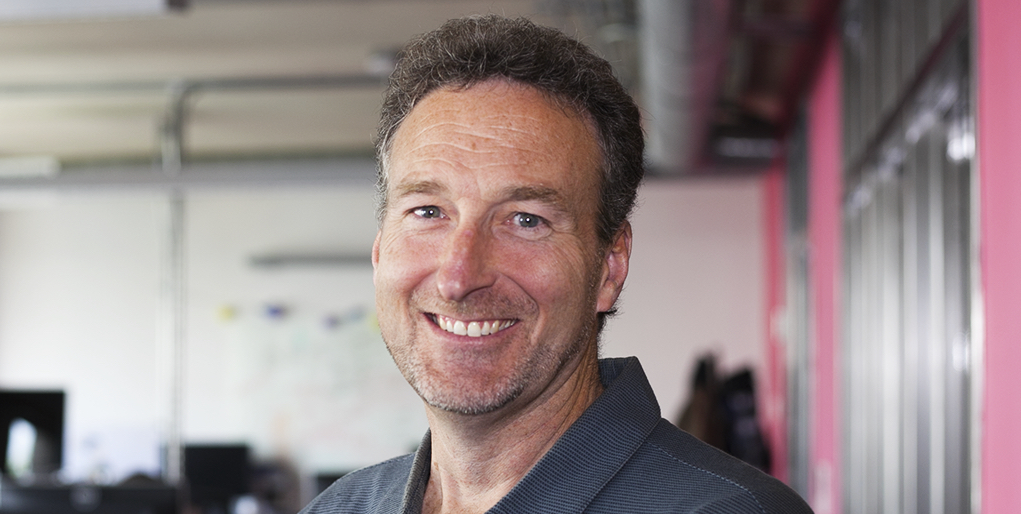
Mark Godley
Mark Godley is the CEO of LeadGenius, a Berkeley-based B2B data intelligence platform that combines AI with human computation to deliver precision contact data for enterprise go-to-market teams. A self-described C-suite startup junkie with 30 years of SaaS expertise, Godley joined LeadGenius in 2017 — first as President, then stepping into the CEO role — and has driven the company's pivot from a service-heavy model to a scalable SaaS platform serving 400+ enterprise customers across 42 countries including Google, Microsoft, Amazon, IBM, and Autodesk. Under his leadership, LeadGenius has distinguished itself as the first crowdsourcing company to set a minimum wage tied to the cost of living in each country of operation, building a global decentralized workforce of data researchers while remaining GDPR and CCPA compliant.

Kon Leong
Kon Leong is the CEO and co-founder of ZL Technologies, a Milpitas-based enterprise software company he built from the ground up in 1999 to tackle the problem nobody else wanted to solve: the mountain of unstructured human data - emails, documents, messages - that sits at the center of every corporate compliance, legal, and AI challenge. A serial entrepreneur who migrated from China to India to Canada to the US, Leong brought a rare mix of deep IT engineering, Wall Street M&A finance, and startup grit to a market that was just waking up to its own data problem. Today, ZL Technologies serves Fortune 500 companies and government agencies across financial services, healthcare, and the public sector, with a platform that manages data in-place at speeds up to 1,000 times faster than conventional approaches.