credit-building
(21)
Foxen found the hole in the lease
A renters insurance requirement is only useful while someone is watching it. Foxen turned that overlooked chore into a business spanning damage waivers, credit building, and pet management.

Landis buys the house. You buy the time.
Landis lets renters move into a home before they qualify for its mortgage. The wager is that coaching can close the financial gap before the cost of waiting grows too large.

Deferit gives the electricity bill a payment plan
The bill arrives on Tuesday. Payday is Friday. Deferit built a business in the awkward space between the two - then added credit reporting and a team that haggles over phone bills.

Esusu gives renters credit for the bill they already pay
A savings app became a rent reporting business by listening to the people it hoped to help. Esusu’s bet is that a monthly housing payment should leave a useful paper trail.
Zolve lets you pack a credit card before you pack a suitcase
Moving to America can make an experienced borrower look like a beginner. Zolve builds its business in that awkward gap, helping newcomers apply for banking and credit before the flight.

The Wish List Found a Rent Bill
Fancy once made a spectacle of wanting things. Now the name is attached to a plainer obsession: getting something back from rent. Its history shows how expensive attention can be, and why a monthly bill is suddenly interesting.
The Money You Send Home Has a Second Address
Kredete turns an immigrant’s regular transfer into a chance to build a U.S. credit record. Its first lending marketplace ran into a wall; the company found its way through by following the money people were already sending.

The Credit Score Has a Cover Charge
Kikoff made a small, restricted line of credit into an entry point for people the credit system overlooks. Its larger wager is that a $5 monthly relationship can grow into a toolkit for the rest of their financial lives.

Tilt Wants Your Paycheck to Tell a Better Credit Story
The former Empower Finance is turning bank-account activity into access to cash and credit. Its bet: a thin credit file can hide a perfectly capable borrower.
IDIQ Wants to Make Your Rent Count
The company behind IdentityIQ has bought its way beyond fraud alerts into rent reporting, financial coaching and legal benefits. Its wager: the next customer may arrive through a landlord, a mortgage broker or the office benefits desk.

The air filter that ate the lease
Second Nature began with two students trying to remember an air filter. Now it wants to choreograph the whole rental relationship - lease, insurance, internet, credit score and all.

The App That Turned Payday Loans Into a Neighborly Favor
SoLo Funds built a lending marketplace with no interest and no mandatory fees, betting that strangers would rather help strangers than let a payday lender do it. Two million users later, the model is either a fix for broken small-dollar credit or a regulatory magnet - and the founders keep insisting it is the first.

OneBlinc Bet on Payroll Loans. Then the Money Got Expensive.
The Miami fintech built a data engine around public-sector payroll loans, raised a $100 million credit facility, and then watched higher rates squeeze the model. Its answer was a fast pivot to a smaller, subscription-priced payday bridge - and a revealing lesson in knowing when your first product has become your baggage.

Current Built the Bank Account Around a Paycheck
Current began with a teen debit card and grew into a financial operating system for more than six million members. The bet is that owning the plumbing can make every paycheck work harder before the next one arrives.

Bilt
Bilt found value in the one monthly payment rewards programs ignored. Now the rent-points company is trying to turn the home into the front door for payments, neighborhood commerce and everyday hospitality.

Lili
Lili is a New York-based financial technology company that runs an all-in-one business banking platform for small businesses. It bundles a fee-free business checking account with built-in accounting, expense management, invoicing, automated tax savings and high-yield savings - collapsing tools that owners would otherwise stitch together. Founded in 2018 by Lilac Bar David and Liran Zelkha, Lili started serving freelancers and solopreneurs and has since repositioned toward growing, multi-employee small businesses. Banking services are provided through partner bank Sunrise Banks, N.A., Member FDIC.
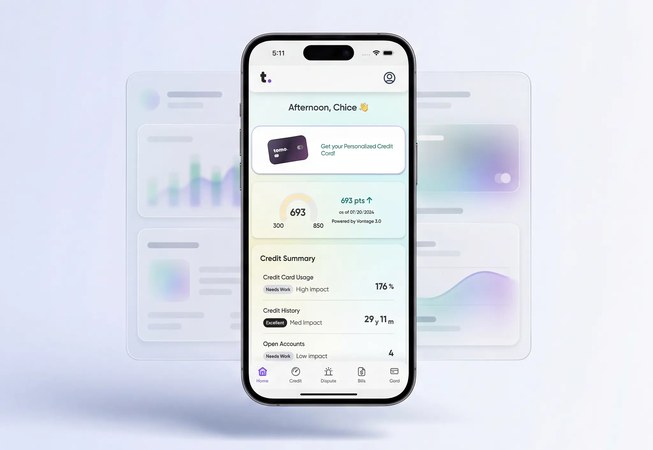
TomoCredit
TomoCredit is a San Francisco fintech that issues a credit card to people the traditional system can't see - immigrants, students, and first-time borrowers with no FICO score. Instead of a credit check, its proprietary 'Tomo Score' underwrites applicants on cash-flow and bank data, with no deposit, no APR, and no fees, earning revenue purely from merchant interchange. Founded in 2018 by Kristy Kim after she was denied a car loan as a Korean immigrant with no credit history, the company has processed millions of applications and is now building TomoIQ, an AI financial assistant that turns professional-grade money guidance into something anyone can use.

Pesto
Pesto is a San Francisco fintech building an affordable alternative to pawn and payday loans. Its flagship product, the Pesto Mastercard, lets people pledge valuables - gold, jewelry, watches and other assets - as collateral to receive a secured credit card, regardless of credit score. Cardholders unlock liquidity and build credit history without selling what they own, at interest rates the company says are a fraction of equivalent pawn loans.
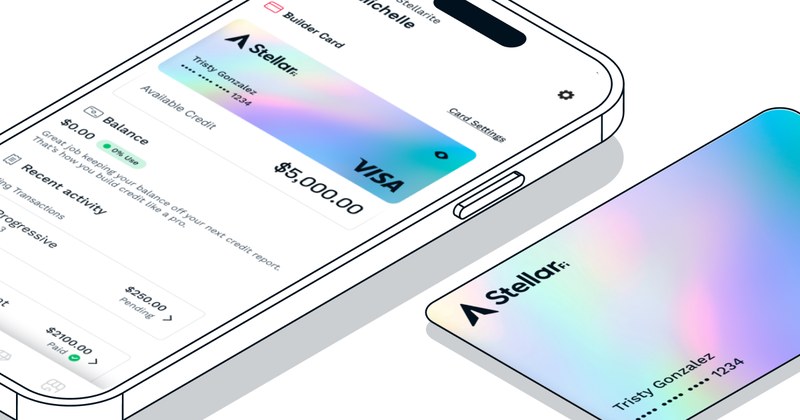
StellarFi
StellarFi is an Austin-based fintech and public benefit corporation that helps people build credit without taking on debt. Members link recurring bills - rent, utilities, streaming, phone - and StellarFi pays them, then reports the on-time payments to the major U.S. credit bureaus each month. Founded in 2021 by serial entrepreneur and former U.S. Marine Lamine Zarrad, the company targets the roughly 150 million Americans with thin files or credit scores below 680, turning ordinary monthly bills into a path to a better score. The product has since expanded into a tiered, behavior-based credit card.

Mine
Mine (formerly Fizz) is a New York-based fintech building an AI-powered personal finance platform for young adults. Its flagship product is a credit-building card that works like a debit card - spending is capped by your bank balance, repaid daily via autopay, and reported to the credit bureaus so users build credit history without interest, fees, or the risk of falling into debt. In January 2026 the company rebranded from Fizz to Mine and launched MoneyGPT, an AI money agent that learns a user's habits and goals to deliver spending, saving, and planning advice.

Super.com
Super.com is a savings super app that helps everyday Americans save, earn, and build credit. Born in 2016 as SnapTravel - a chatbot that sold hotel rooms over SMS and Facebook Messenger - it rebranded to Snapcommerce in 2020 and then Super.com in late 2022, expanding from travel deals into fintech with SuperCash (a credit-building charge card), SuperTravel, SuperShop, and the Super+ membership.