An apartment lease is a small monument to optimism. The rent will arrive. The dog will behave. The resident will buy insurance and keep it. Foxen, founded by property owners and operators in 2018, occupies the distance between those promises and what actually happens. Its starting observation was wonderfully unglamorous: asking for an insurance certificate at move-in does little good if nobody notices when the policy disappears.
- Monitor insurance through the lease, then act when coverage lapses.
- Use the same property connections for rent reporting and pet records.
- Make the resident’s fee, benefit, and way out understandable.
The requirement that expired quietly
Co-founder Jay Harkrider knew the problem from owning property. His point in the company’s 2022 funding announcement was that a requirement needed ongoing management. A rule on paper had been mistaken for a working system. The neglected task was the follow-up, performed across changing residents, changing policies, and very busy leasing offices.
Foxen’s answer is a compliance platform for multifamily owners, operators, and asset managers. It connects to property management software, checks proof of insurance, monitors coverage, and administers a property damage liability waiver. If a gap is detected, automatic enrollment supplies the next step. Foxen also handles resident and property support. The product has to survive the morning rush at a leasing desk, where another dashboard can become another chore.
“Requiring renters insurance is ineffective without the ability to manage compliance.”
Jay Harkrider · Co-founder
The distinction matters: Foxen Waiver is not renters insurance. The property manager waives specified financial liability for accidental damage, subject to program terms. The resident does not become an insured under the landlord’s policy. Someone wanting protection for belongings or broader personal liability needs to consider separate coverage. A resident can submit a qualifying outside policy and opt out of the waiver.
- 01VerifyCheck the policy against lease requirements.
- 02WatchMonitor coverage through the lease.
- 03RespondEnroll in the waiver when a gap appears.
Process illustration. Protection remains subject to program terms.
An alert with somewhere to go
This is a crowded corner of property technology. LeaseTrack also tracks insurance and offers automatic master-policy enrollment; ePremium has certificate tracking and liability products. Foxen’s case rests on the combination: insurance workflows, credit reporting, pet management, captive options, and people to support them. Buyers should judge the response to a lapse as carefully as the speed of the initial check.
Harrison Street supplies a useful example. Its student-housing portfolio spans more than 100,000 beds and over 15 property management partners. In Foxen’s published customer account, earlier vendors had reconciliation errors and weak connections to the software used on site. The problem was unreliable visibility across a complicated organization. Harrison Street reports zero uninsured renter incidents since 2022 after moving its eligible ecosystem onto Foxen.
Its chosen product, WaiverFlex, accommodates the owner’s captive insurance arrangement. WaiverCell takes another route, helping an owner form a protected cell in Foxen’s captive and providing management services. These options serve investors prepared to retain insurance risk. A captive requires upfront investment; earnings are uncertain. Good monitoring cannot make claims disappear or supply the capital needed to pay them.
Credit for the cheque, paperwork for the dog
Foxen launched Rentistry in 2022. The appeal is easy to grasp: a resident can make the same substantial payment every month without that payment helping establish a credit history. Rentistry collects payment records through property software and reports to Experian, Equifax, and TransUnion. It gives owners a service to offer residents and an incentive for timely payment. Residents can opt out.
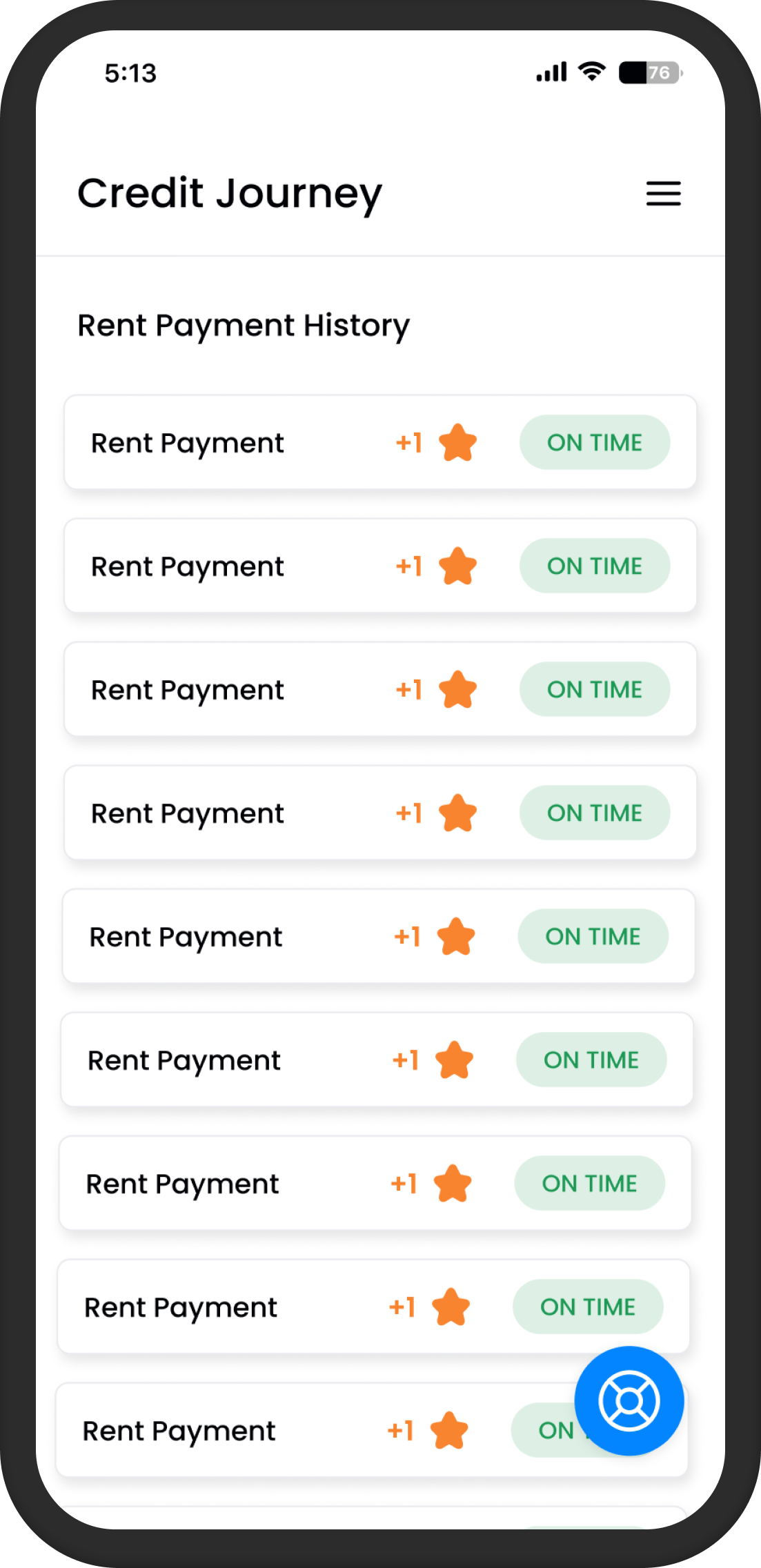
Credit reporting has limits. A score change depends on the resident’s existing file, the bureau, and other financial activity. Foxen itself says results are not guaranteed. The useful promise is the reporting mechanism. Turning that into a promise of a particular score would give the sales brochure rather more authority than it deserves.
PetClear, launched in September 2025, follows the same operational logic. Collect animal details, organize documentation, and obtain policy affirmations before scattered records become disputes. Even applicants without animals provide information. Current AI tools review emotional-support-animal documents, while operators retain approval decisions. The intended benefit is consistency and less chasing paperwork. A tool that reads documents still needs people responsible for the decisions those documents inform.
The expansion is also a clue to Foxen’s strategy: start with one recurring lease problem and reuse the connection to property records. In June 2026, a NetVendor partnership paired resident compliance with vendor credentialing. In July, Healthy Paws brought eligible PetClear users a 5% discount on new pet insurance policies, with restrictions. A dog’s veterinary bill and a landlord’s damaged carpet remain separate risks, even when their paperwork shares a portal.

The economics of being watched
Foxen raised a $44 million Series A in June 2022, led by Summit Partners with Level Equity participating. The money was intended for product development and hiring. By September 2025, when Kevin Jacobson became CEO and Harkrider executive chairman, Foxen reported revenue had grown more than sevenfold over four years. That is a growth claim, rather than a disclosed dollar revenue figure.
The commercial engine combines software, program administration, and resident-paid services. Waiver fees appear with monthly rent; properties can generate ancillary income. Costs depend on the chosen program and property. For an operator comparing proposals, the meaningful calculation includes resident charges, retained income, coverage terms, and staff work. Automation may reduce labor, but the charge on a resident’s ledger still needs explaining.
Willing to pay for at least one additional service.
Surprised by at least one fee or charge.
Foxen’s August 2026 report makes the tension visible. It surveyed 914 U.S. renters: 75% would pay for at least one additional service, while 55% had been surprised by a fee. Choice and clear communication mattered. Those findings suit Foxen’s business, so they deserve reading as company-sponsored research. They also identify an operational problem that software alone cannot settle: whether a resident understands what they are buying.
The lesson to copy is quite practical. Find the status that changes after the contract is signed. Define who notices, what happens next, and how the affected person can respond. Foxen built around that sequence. Its proposition is strongest when those steps work together - and when the resident can read the bill without needing a detective.