content-creation
(49)
Digital Brand Architects Put a Business Office Behind the Ring Light
Before “creator” was a respectable job title, DBA treated bloggers like talent. The bet grew into an agency that turns attention into contracts, products, podcasts and businesses - while exposing just how much work sits behind an effortless post.
Katalyst PR Bet on Fewer Brands - Then Made a City Impossible to Scroll Past
The Southern California agency built its business by refusing the usual agency temptation: more clients, more noise, more everything. Its Visit San Diego work shows what happened when local taste, persistent distribution and a disclosed $50,000 media budget met the modern feed.
The Beauty Agency That Treats Comments Like Customer Service
Mimi Banks spent 15 years inside L’Oréal. Then she built a remote agency around a deceptively unglamorous idea: the comment section is where a beauty brand proves whether it is listening.
Urban Creator Turns Korean Culture Into an American Crowd
A 16-person Costa Mesa agency has found a practical way to translate Korean brands for America: give the internet a real place to gather, then give the gathering a reason to travel online.
The Hotel Manager Called Social Media a Fad. Keen Social Built an Agency on Proving Him Wrong.
Esteven Gamez learned social media in hospitality when the work still sounded frivolous. His Long Beach agency now sells the opposite proposition: listen closely, make something culturally specific, and measure what happened next.

Parcon Put a Marketing Department Behind the Fractional CMO
The Orange County firm has a tidy answer to fragmented marketing: pair a virtual CMO with the people who buy the ads, make the content, shape the message and fix the path to purchase.

No Such Agency knows who gets the clothes
A fashion brand can buy an ad. Getting its clothes into the right hands is a different business. Inside the Los Angeles agency connecting sample racks, celebrity dressing, and the sale that comes next.

Blanc & Otus knows your technology needs a better sentence
The San Francisco communications agency built its name explaining complicated technology. Its history offers a useful lesson: before you make more noise, work out what people need to understand.
PREM won the clients. Then it found a name.
Marilyn Cowley built her agency by walking into Fresno businesses. Today, PREM connects local introductions, national campaigns, and the unglamorous work that makes attention useful.
Mayerson Marketing makes the next step obvious
A basketball signup, a water debate, a college announcement. Mayerson Marketing & Public Relations has built its practice around the small acts that connect institutions to the people they serve.
Behave Agency sells the work behind the post
A good photograph gets the attention. Behave Agency offers to handle what follows: audience growth, paid content, brand deals, and the unglamorous business of keeping a creator’s accounts working.

Dream Agency and the case of the missing logo
A restaurant with misplaced artwork. A gym with an awkward website. A region full of pizza. Dream Agency builds its business around the practical work of getting good businesses noticed.

Cornerstone Communications puts the newsroom inside the PR firm
The Irvine agency sells access to experienced communicators. Its most revealing creation, Behind the Badge, shows what happens when a public relations firm also becomes a publisher.

Urban Unity bets on the second invitation
The Los Angeles agency puts repeat creator relationships at the center of its marketing. Its work connects the social feed, the showroom and the people who make a brand worth talking about.
Studio 707 knows a good wine needs a second story
Ashley Teplin revived her mentor’s Napa agency with a broader brief: turn wine, food and hospitality into stories people can encounter anywhere. Then the events disappeared, and the brief got a real-world test.
The Edit built an agency by taking friendship slowly - and social seriously
Katie Durko and Lauren Fortner turned a shared intern into a social agency for brands including Disney, BÉIS and Florence by Mills. Their next ambition is less about chasing the next viral post and more about making good work repeatable.
The Chambers Group knows where the audience is hiding
From supermarket packaging to celebrity feeds and hotel-room televisions, this family agency follows attention wherever it goes. Its most revealing sales pitch comes with a $498,000 email bill.
Coast Creative sells the work behind the scroll
A sandwich sweepstakes, a cane collection, and a former NFL running back: inside the San Diego agency turning everyday businesses into things people want to watch.
Hazy Makes the Party Part of the Pitch
A custom bar, a camping-themed product launch, a room full of budtenders: the Los Angeles production company puts cannabis brands where conversations happen.
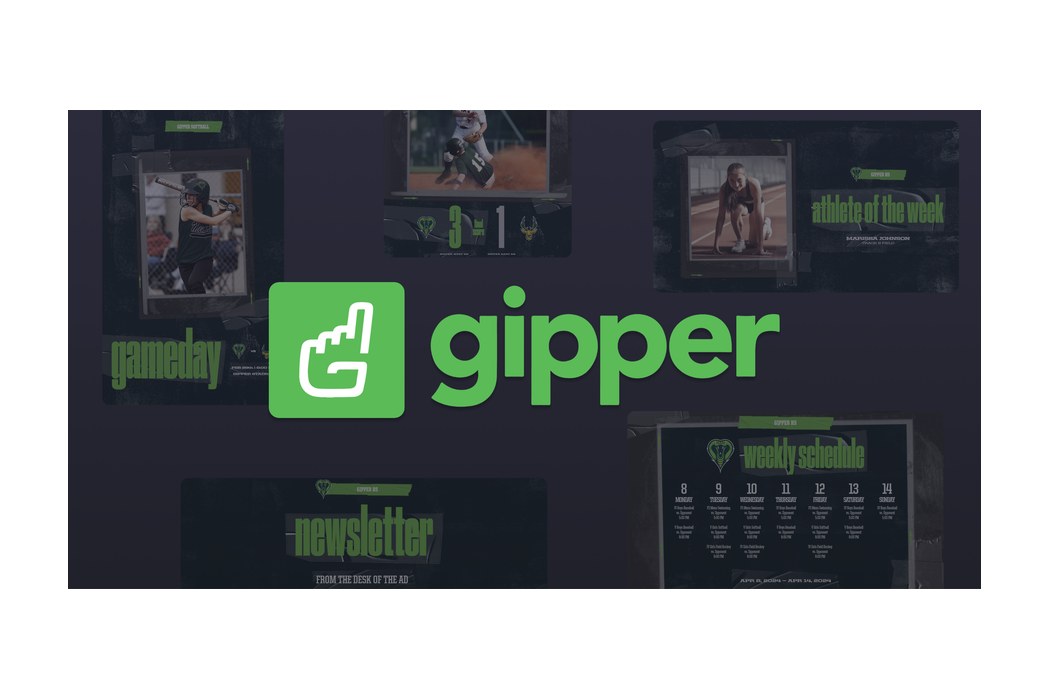
Gipper Is Turning the Overworked Athletic Director Into a One-Person Media Department
School sports have pro-sized stories and office-closet budgets. Gipper's bet is that one opinionated workflow can make an athletic director look like a creative department - without hiring one.

Emaze Put Training Wheels on Design - Then Rode Into the AI Sales Stack
The browser startup once fought ugly slides by limiting your choices. A decade later, that same constraint has become its enterprise pitch: turn approved assets and customer data into personalized content without letting every salesperson freelance the brand.
Lexar Beat the Company That Invented the SD Card to the First 1TB SD Card
A 1996 spin-off that Micron owned and then let go, Lexar was bought for its name in 2017 - and has since shipped some of the fastest cards photographers and gamers can buy.

GLAMCOR Bet $200,000 on Cosmetics. Customers Only Wanted the Light.
A failed construction business, a year in cheap Chinese hotels and one oddly revealing trade show turned Erik Kaiser’s lighting hunch into a global hardware company. Its best lesson is simple: watch what customers crowd around, especially when it is not the product you planned to sell.

The Company That Makes the Tripod Under Almost Every Camera You've Ever Trusted
It doesn't shoot the photo or record the podcast. It builds the tripod, the bag, the boom pole and the seamless paper behind them - and it sells that gear under a dozen brands most creators already own.
The Agency That Sent 1,000 Micro-Influencers Into Battle and Never Took a Dime of Venture Money
Mae Karwowski bootstrapped Obviously out of a Lower East Side apartment, turned down a $25 million offer, and sold to the world's biggest ad holding company. The trick was treating influencers like a data problem, not a popularity contest.
The $399 Mixer That Refused to Break: How Mackie Armored Pro Audio and Sold It to the Bedroom
A former Boeing engineer built a mixer he could drop off a table, priced it for people who play bars for beer money, and turned durability into a business model. Here is how Mackie kept selling ruggedness while the audience moved from the stage to the bedroom.
Tailwind Bet the Company on Pinterest. A Million Small Businesses Bet Back.
The Oklahoma City company started life as a wedding-planning site, pivoted to the one social network everyone underestimated, and quietly built a marketing suite that now runs on autopilot for more than a million merchants.
The $5 Gig Grew Up. Now It's Teaching the Robots to Ask Permission.
A marketplace born on a $5 promise now sits at the center of the AI-and-work fight - and it is trying to hand the paintbrush to the people, not the machine.
Canva Won the Template Era. Now It Wants the Rest of Your Workday
The Australian design platform made drag-and-drop creation ordinary. Its harder second act is to make one canvas useful for every brief, brand and business - without losing the beginners who built it.
Docebo
Docebo grew up selling corporate learning software. Now it is wiring skills data, scattered company knowledge and AI agents into one system - a bet that the next LMS will do more than count course completions.