A chandelier hangs behind a window bearing the name Nana Jacqueline. In the photograph, reflections soften the glass, the lettering curls across it, and the whole arrangement looks ready for someone to raise a phone. Urban Unity includes the image in its pop-up portfolio. It is a useful place to begin understanding an agency whose business moves between people, pictures and places.
For a brand, those can look like separate assignments. Find someone to talk about the product. Make something worth showing. Give people a reason to turn up. Urban Unity puts those assignments under one roof. The Los Angeles PR and marketing agency offers influencer marketing, social media work, content creation and event planning, with repeat relationships running through its pitch.
The interesting question is what happens after an introduction. Can the creator and the brand find another reason to work together? That is the bet suggested by Urban Unity’s emphasis on long-term collaboration. The first invitation starts a conversation. The second tells you whether there is a relationship worth developing.
A fashion business with a social address book
Urban Unity dates its beginnings to 2019, when a group of entrepreneurs and creators drew inspiration from Los Angeles fashion culture. Its name, the agency says, comes from the Latin words Urbanus and Urbs. The city is part of its stated purpose: bring together the creative people and brands around it, then help them grow.
That origin makes the combination of services easier to understand. A fashion photograph can be a piece of content, an introduction to a creator’s taste and an invitation into a brand’s world. A pop-up gives that world an address. Urban Unity’s public presentation keeps moving between these settings rather than treating the social account as the whole business.
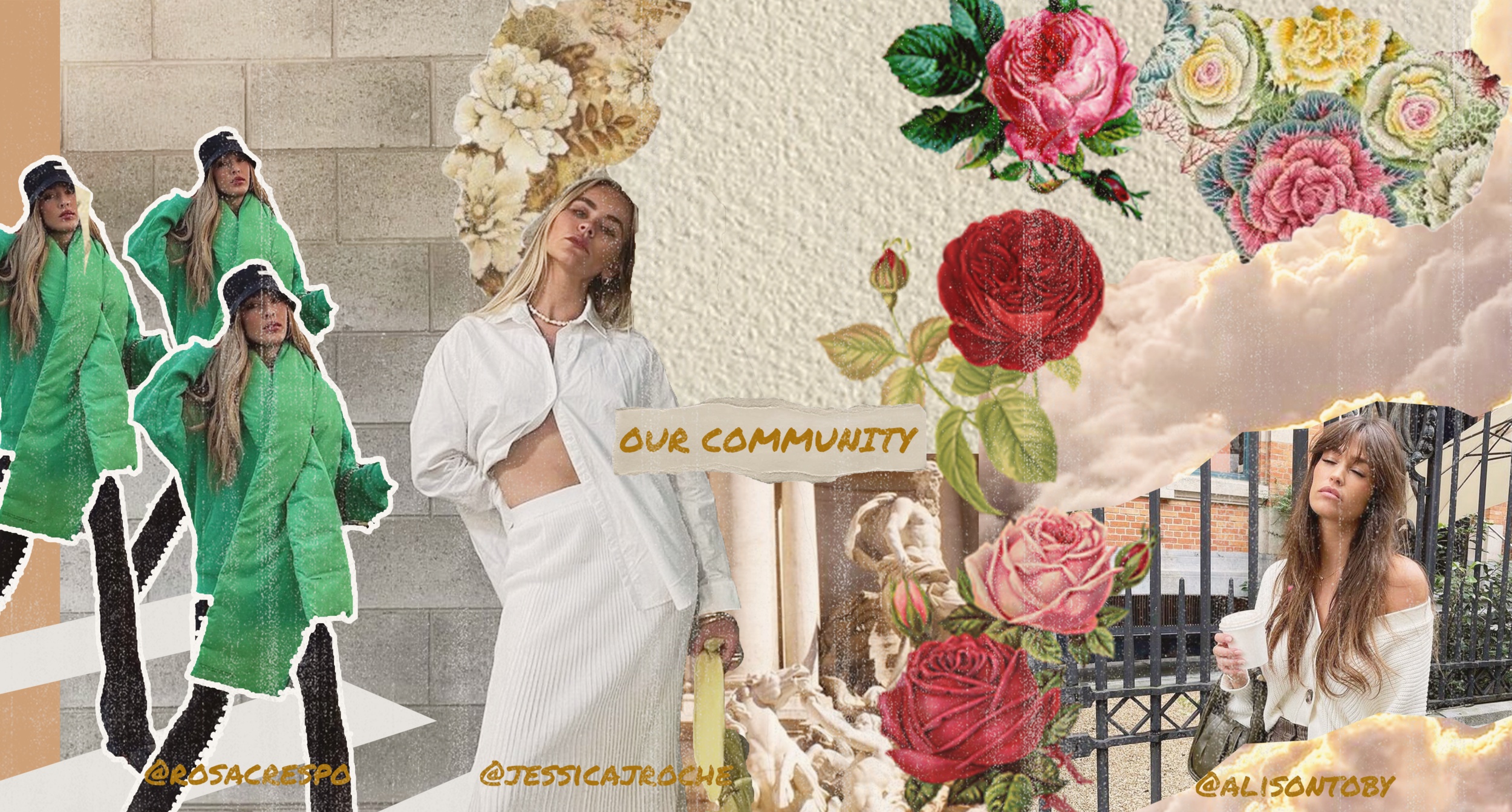
Its customer is the brand that needs help making those connections and managing the work around them. The creator is another essential participant: someone looking for opportunities that suit their interests and presentation. The agency has to make the arrangement useful to both. A contact list alone would leave most of that job unfinished.
The message that gets answered
On Urban Unity’s community page, the praise is often surprisingly practical. Nadiya mentions responsiveness. Alexis Sheree describes introductions to brands suited to her style and personality. Connie Yang talks about meeting other creators and attending events. These are testimonials selected by the agency, but the details tell us what it wants to be valued for.
“They’re always quick to respond to messages”
Nadiya · Creator testimonial
Answering a message is a modest thing to put beside the grand language of marketing. It is also something a creator can experience directly. Someone follows up. Someone explains the opportunity. Someone remembers what makes a particular collaboration suitable. In this reading of Urban Unity’s pitch, relationship work includes ordinary administrative care.
A buyer can borrow a useful question here: who will keep the collaboration moving? Creative fit matters, but so does the person who carries the conversation from an interesting idea into a finished piece of work. The agency’s testimonials make that human layer unusually visible.
From a post to something made together
A January 2023 episode of the Chinese-language podcast 出海进行时 introduces Tin as Urban Unity’s founder. Its subject is influencer marketing beyond selling products. The episode guide includes creator selection, evaluating results, showroom collaborations and a discussion of co-creating a collection with Songmont.
That is a wider brief than buying a single mention. It allows a creator to be considered as a source of ideas and material, as well as an audience connection. For a brand thinking about its next campaign, the distinction changes the opening conversation: what could these people make together that would be worth seeing?
The practical lesson is to choose the job before choosing the deliverable. If the assignment is to explain a product, a visual demonstration might be useful. If it is to introduce a point of view, a deeper creative collaboration might suit it better. These are ways to interpret the possibilities in the founder interview, rather than promises of a particular result.
A map of the agency’s services, not a required campaign sequence.
There is actual brand work behind the pitch
Former Urban Unity PR specialist Rita Liu supplies another view of the work. In a public career reflection, she names projects involving Songmont, Fabrique, MINISO USA, 7or9, Cellcosmet and Cellmen, and Homerilla. She credits colleagues with guidance and describes experience in influencer marketing, relationships and event strategy.
Her account is useful because it attaches names to the agency’s broad service language. It also keeps the claim in proportion: this is a former employee describing projects she worked on. The list shows the range of her reported assignments without turning every brand name into a claim about the agency’s current client roster.
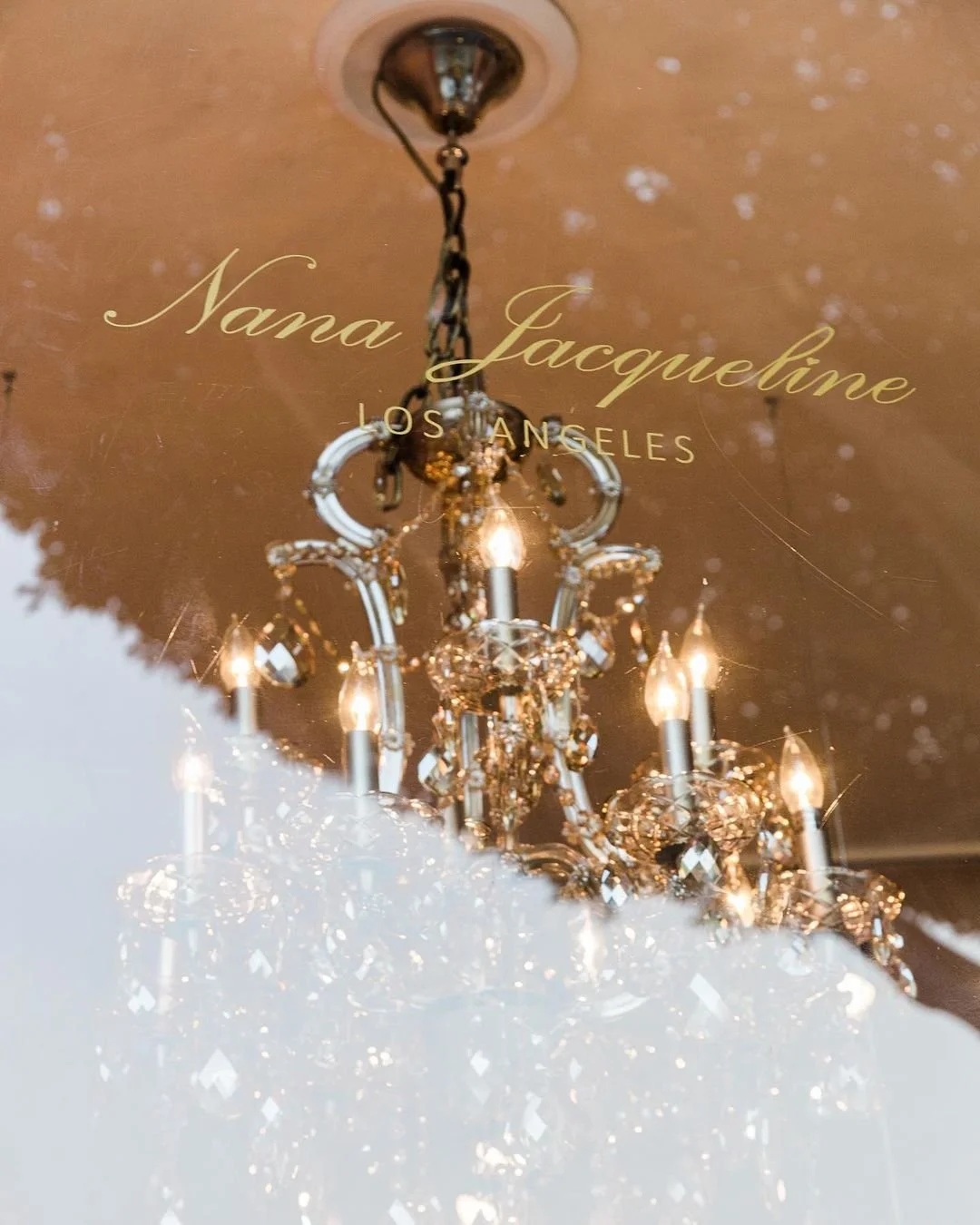
The Nana Jacqueline portfolio gives the event side a physical form. Elsewhere, public accounts from Sangyi Qi and event moderator Zofia Kierner associate Urban Unity with a Tie For Her Women’s Equality Day celebration in New York. Together, these examples place the agency’s work in rooms as well as feeds.
Read the price beside the brief
There is an unexpected detail in Urban Unity’s online store: an item titled “UU serice fee,” listed at US$50,000. It is a concrete displayed price. It should be read as that specific listing, rather than converted into a typical campaign budget or evidence of what a client paid.
For a prospective buyer, the useful next move is to attach numbers to an agreed assignment. Specify the content, the people responsible, the timetable and the intended use of the finished work. Discuss creator compensation, production, media and event expenses separately so both sides know what the proposed fee covers. This is buying advice, not a description of Urban Unity’s contract terms.
The agency’s market position is easiest to understand through the work it combines. A brand could assemble its own creator-relations staff, social media support and event team. Urban Unity offers those kinds of services through an agency relationship. Its stated emphasis is continuity between brands and creators; a buyer should evaluate that alongside execution and the needs of the particular assignment.
Put the second invitation in the first brief
The idea to copy is simple enough to fit in a planning meeting. Before approaching a creator, ask what would make another collaboration worthwhile. That question encourages a more precise discussion of fit, creative contribution and how the people involved will work together.
It also supplies a useful boundary. If a brand wants a single fixed asset and has no interest in an ongoing creator relationship, this part of Urban Unity’s pitch may carry less weight. If the brand wants to build a recurring conversation through content and events, it has a clearer reason to explore the agency’s approach.
Return to the window and its chandelier. A photograph records a place someone could enter. Urban Unity’s proposition lives in the movement that follows: from seeing a brand to meeting it, making something with it, and having a reason to come back.