Every industry has a rule that quietly gets broken. In storage, the rule is that whoever invents a format ships the record-breaking version of it first. SanDisk co-invented the SD card. So when the first 1TB SD card shipped in 2019, you would expect it to carry a SanDisk label. It did not. It said Lexar. That single fact tells you most of what makes this company interesting: it is a challenger that keeps arriving early, and it has been doing it under three different owners.
Lexar makes the small rectangles that hold your photos, footage and game saves - SD and microSD cards, CFexpress cards, USB flash drives, card readers, portable and internal SSDs, and, more recently, DDR5 memory. None of it is glamorous. All of it is the thing a photographer curses when it fails on a wedding shoot. The brand's whole pitch is that it does not fail, and that it moves data faster than the card next to it on the shelf.
01 / The originA spin-off, an acquisition, and a name that outlived its owners
Lexar started in 1996 as a spin-off of Cirrus Logic, a chip company in San Jose. Its founders, Petro Estakhri and Mike Assar among them, worked on flash controllers - the unglamorous silicon that decides how fast and how reliably a memory card actually reads and writes. In the early 2000s the company gave the world the JumpDrive, a USB flash drive so common that people started using the product name as the generic word for the category. Becoming a verb is the kind of marketing you cannot buy. Lexar got there by accident.
In 2006, memory giant Micron Technology bought the company. For about a decade Lexar was a Micron brand. Then, in 2017, Micron decided the retail removable-media business was not worth keeping and announced it would wind it down. That could have been the end. Instead, on August 31, 2017, the Chinese flash maker Longsys bought the Lexar brand and trademark - the name, essentially, without Micron's factories or engineers - and set about rebuilding it.
Micron owned Lexar for a decade, decided it did not want it, and sold the name. The buyer turned four letters into a global brand again.
This is the part worth copying if you are in the business of brands: a trusted name with nothing behind it is a liability, but a trusted name with a real supply chain behind it is an asset. Longsys had the second thing. It makes NAND flash and DRAM modules, so it could put actual product behind the Lexar label almost immediately. By 2018 Lexar was shipping again; by 2020 it had moved into DRAM.
02 / What it sellsSpeed is the product, and Lexar treats it like a sport
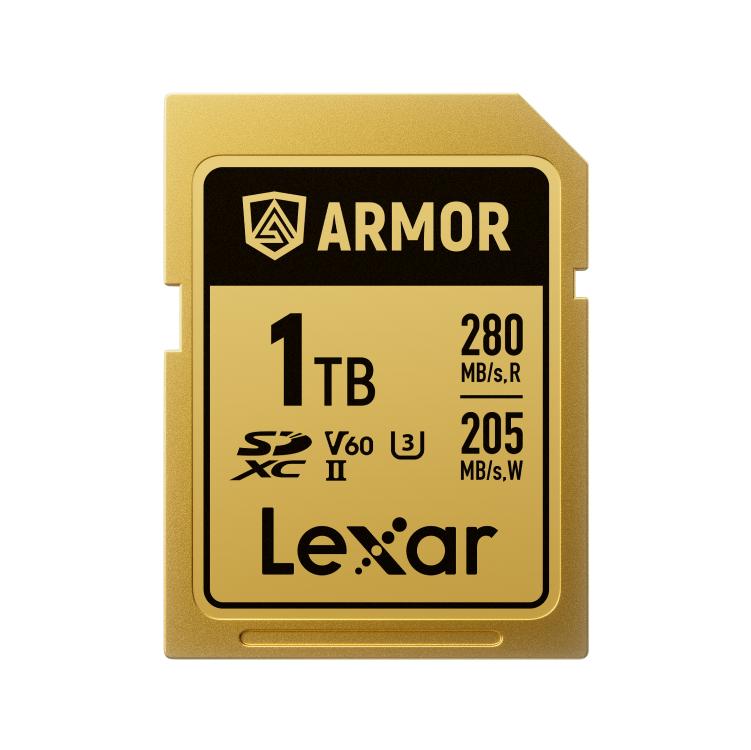
In memory cards, the number on the label is the whole argument. Read speed, write speed, capacity - that is what a buyer compares, and Lexar has spent years chasing the top of each column. It shipped the world's first 256GB CompactFlash card in 2012, the world's first 1TB SD card in 2019, and, at CES 2026, what it billed as the world's fastest 2TB UHS-I microSD card, reading at 255 MB/s on a plain, non-premium interface.
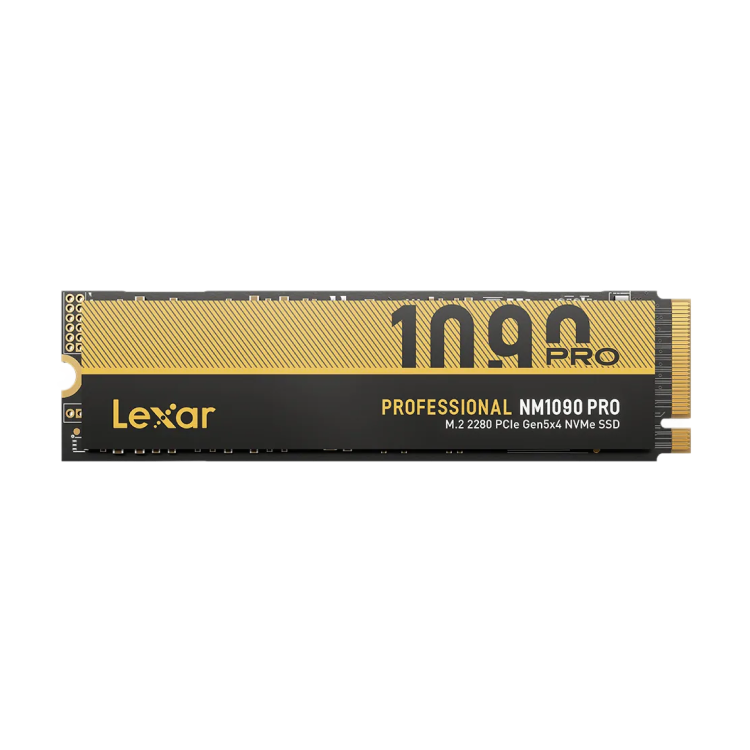
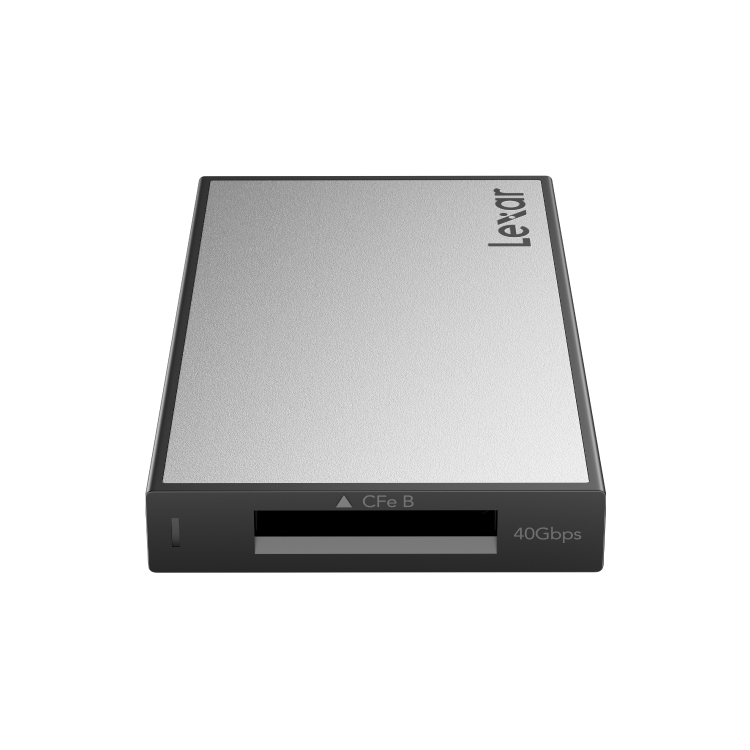
The product range fans out from those cards. The Professional Workflow readers are modular docks that pull footage off cards fast enough to matter on deadline. The SSD line runs from pocketable portable drives - the SL500, the rugged ARMOR 700, the 17-gram Air, and the NFC-locked TouchLock - up to internal NVMe drives like the NM790 and the PCIe 5.0 NM1090 PRO, plus PLAY-series drives sized for handheld consoles. There is even ARES RGB DDR5 RAM for people who want their memory to glow. It is a catalogue built around one idea: move data quickly and do not lose it.
03 / Who buys itPhotographers, filmmakers, gamers - people who film everything
Lexar's customers are the people who generate more data than they can comfortably store. Wedding and sports photographers who shoot thousands of frames a day. Filmmakers recording high-bitrate video that eats a card in minutes. Gamers who need a console to load fast. Drone and action-camera users. And, underneath all of them, ordinary consumers buying the microSD card that goes in a phone or a dash cam. It sells through retail and e-commerce across five continents.
The clearest signal of who Lexar is chasing came in January 2026, when it signed the Argentina National Football Team as its official global storage partner, with co-branded Air and SL500 SSDs planned ahead of the 2026 World Cup. A memory brand sponsoring a football team is not about footballers backing up files. It is about standing next to the most-filmed people on earth, in front of the audience that films them.
A memory-card brand sponsoring World Cup champions tells you exactly who it wants: the creators who record every second.On the AFA partnership, January 2026
04 / The competitionWhere it sits against SanDisk, Samsung and the rest
The shelf is crowded. SanDisk and Western Digital, Samsung, Kingston, Sony, PNY, Transcend, ADATA, Crucial and Kioxia all sell into the same aisle. Samsung and SanDisk carry the biggest overall share. Lexar's position is narrower and, in its best moments, sharper: a speed-focused mid-tier specialist that photographers and videographers argue about the way audiophiles argue about cables - except these arguments come with benchmark numbers, and Lexar keeps posting strong ones at the top of the range.
What a reader can take from Lexar's playbook
- Buy the name, build the supply chain. A trusted brand plus real manufacturing beats either one alone. Longsys owned the NAND; the Lexar name gave it instant credibility.
- Pick a number and win it. "World's first 1TB" and "world's fastest 2TB microSD" are marketing and engineering fused into one headline.
- Stand next to who your buyer admires. Sponsoring a World Cup team reaches creators far more efficiently than a spec sheet.
- Where it would not work: a brand with no manufacturing behind it, or in a category where buyers do not compare a single measurable number, has nothing to lead with.
05 / The businessA label on top of a supply chain
The model is straightforward once you see the parentage. Lexar designs, brands, markets and distributes; Longsys supplies the NAND flash, the DRAM and the module manufacturing. That vertical integration is why a brand Micron discontinued could relaunch a full catalogue within a couple of years. Longsys revenue has run into the tens of billions of yuan during the 2025-2026 memory boom, with the Lexar brand alone reported around 4.74 billion yuan in 2025, and the parent has been steering toward a Hong Kong listing.
06 / What's nextThirty years old, betting on AI storage
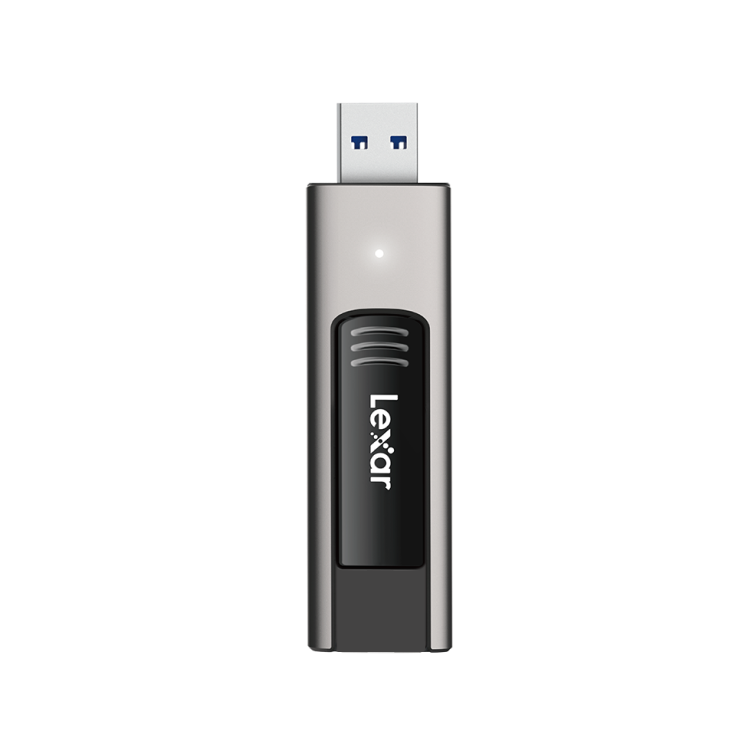
At CES 2026, Lexar's 30th anniversary, the company did something legacy hardware brands rarely manage: it rewrote its own strategy. The new pitch is "AI Storage Core," a plan to build consumer-grade storage designed for the era of local AI, organized around performance, reliability and flexibility, with a set of AI-grade cards, sticks and SSDs to match. Whether "AI storage" turns into a real category or stays a CES slogan is the open question. Lexar's history of arriving early to formats is at least a reason to watch.
Strip away the CES theatre and Lexar is a simple, durable idea: make the storage that creative people trust with work they cannot re-shoot, and keep it a step faster than the card beside it. It has done that under three owners, through one discontinuation, and across a name that survived them all. For a brand built on remembering things, that is a fitting trick.