consumer-technology
(31)
The PR Firm That Learned to Outrun a Movie
A telecom founder named his accidental agency after a novel, watched Hollywood bury it in search, and built a durable business out of making complicated products easy to talk about.

The Agency That Put the Living Room Back Into Marketing
WeBranding Global discovered that a foreign market is not a spreadsheet problem. Its answer combines data, local interpreters, creators and the persuasive power of letting people touch the product.

JSA+Partners sells the story beyond the product
A card game becomes an entertainment story. An esports tournament becomes a business story. Inside the communications agency that helps brands give outsiders a reason to care.

Grant Belaire Has Spent 20 Years Turning Products Into Habits
From AOL's reinvention to sports-only newspaper subscriptions and consumer cybersecurity, Belaire has kept returning to the same problem: how to earn a direct, useful place in a customer's digital life. Now he is applying that discipline to MacPaw's shift from a suite of Mac apps to a connected AI ecosystem.
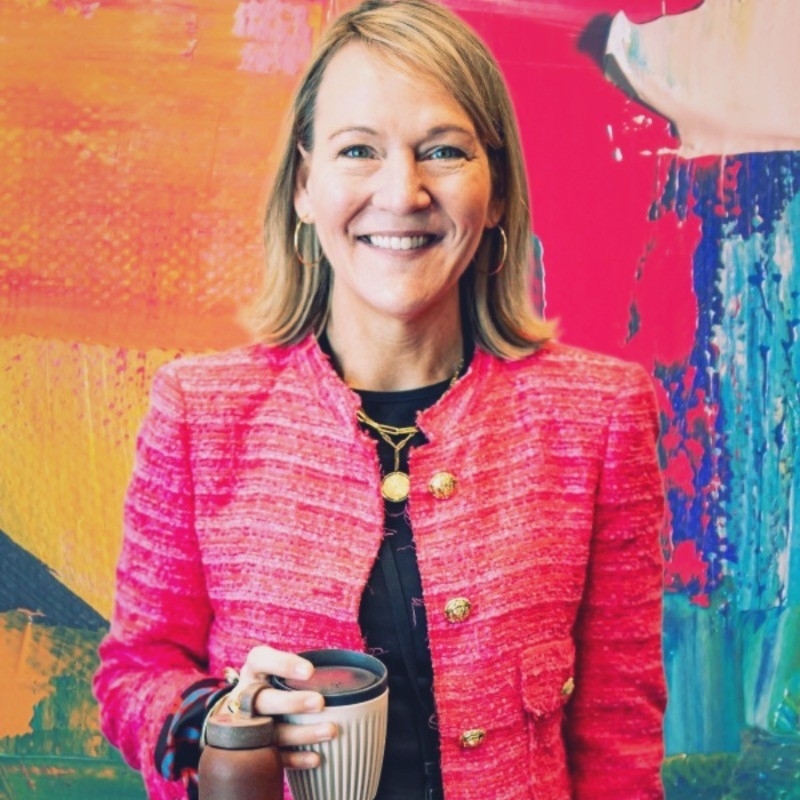
After 18 Years at Google, Stephanie Hofmann Is Rewriting Lenovo’s Checkout Story
The longtime Google executive has moved from explaining digital change to owning its outcome - building a global commerce operation where creativity, finance and customer experience must all agree on what growth means.

Gary Sun Has Spent a Career Making Complicated Technology Feel Usable
After Google and Coinbase, the electrical engineer turned marketer has taken on a quieter challenge at ID.me: earning trust one login at a time.
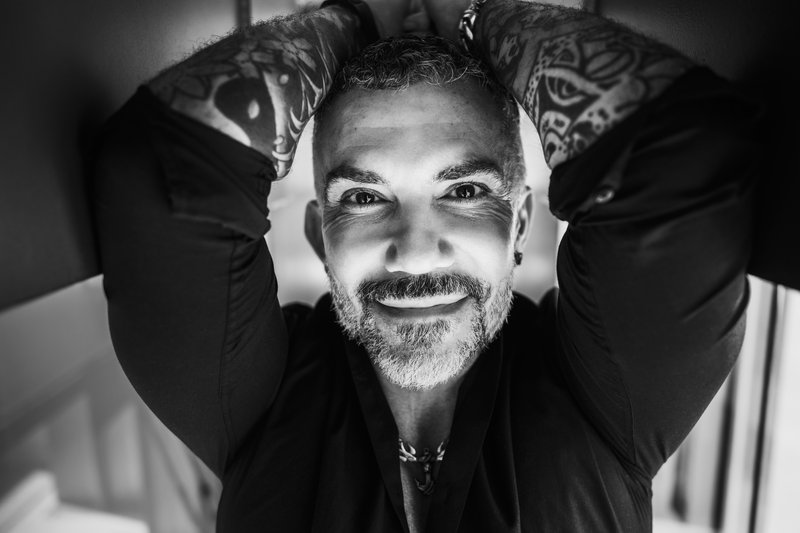
Tristan Pineiro Learned Branding in a Club - and Storytelling in a Dollhouse
Before he was shaping Grindr's Global Gayborhood, Tristan Pineiro promoted queer club nights in Manchester and built miniature worlds for hundreds of dolls. The same instinct still drives his work: understand the room, respect its people and make the story worth joining.

Jean-Michel Fournier Keeps Betting on the Signal Inside the Noise
From a teenage electrician in southern France to the CEO of Muse, Fournier has built a career by translating emerging technology into experiences ordinary people can use.
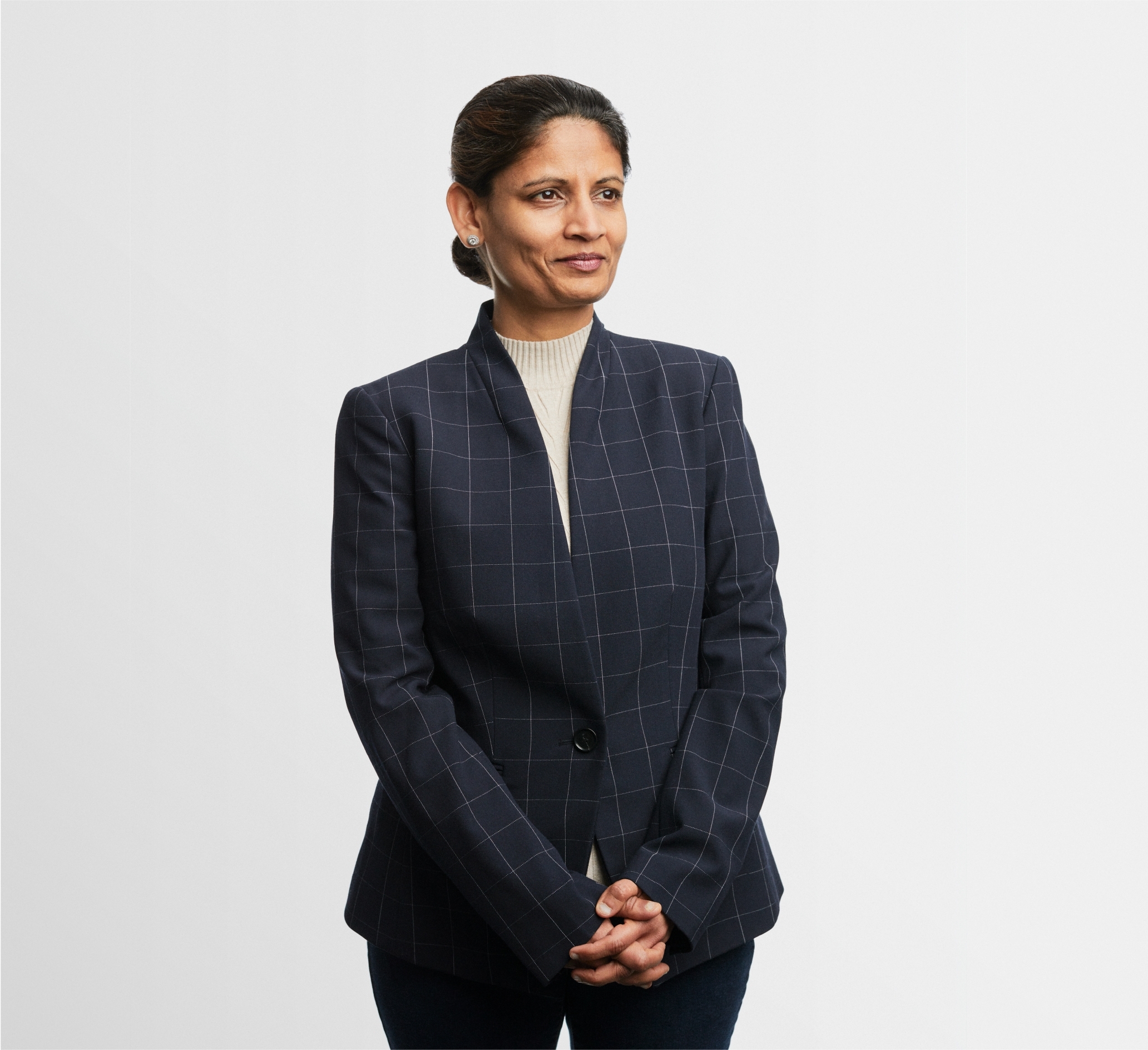
Priya Abani Learned BASIC at 12. She Has Been Scaling Complex Systems Ever Since.
Before she ran AliveCor, Priya Abani wrote validation tools for microprocessors and helped Alexa escape the Echo. Her career is a study in one portable skill: making complicated technology useful to ordinary people.

James Moorhead Has Spent a Career Making Boring Things Impossible to Ignore
First he helped turn body wash into internet theatre. Now the former Old Spice marketer runs a network of 8,000-plus key-copying kiosks - a career built on finding drama in the everyday and removing friction where people feel it most.
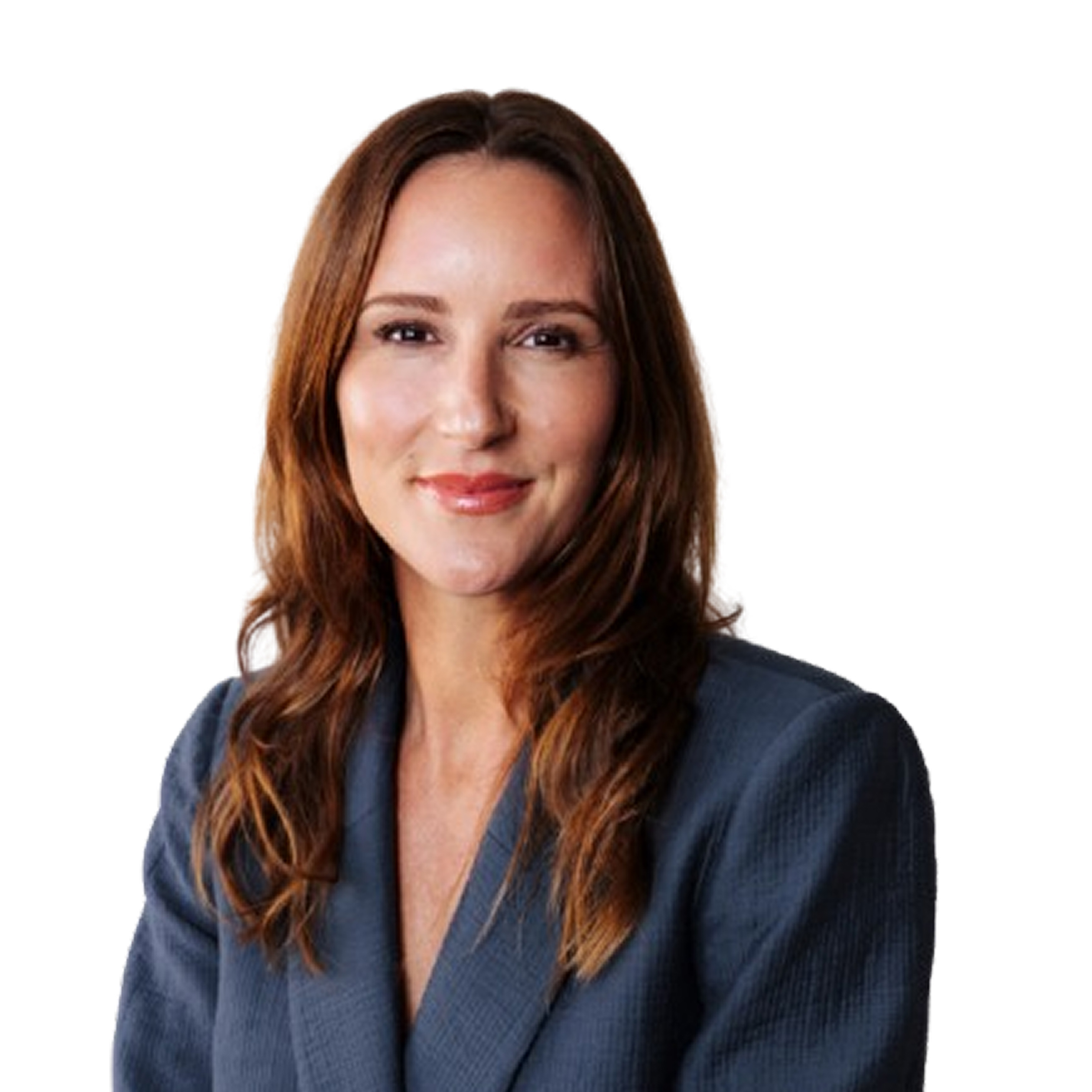
Megan Imbres and the Fine Art of Moving People
She planned for finance, found marketing in France, and built a career around one deceptively difficult question: how should a brand make people feel? At Peloton, the answer now has to move both bodies and a business.

Henry Nneji Built a Restaurant With 16 Menus. Then Came the Hard Part.
A failed marketplace, a family restaurant lesson and a stubborn Lagos kitchen led Henry Nneji to rethink food delivery. FoodCourt's 2026 pause now puts his operating philosophy to its sharpest test.
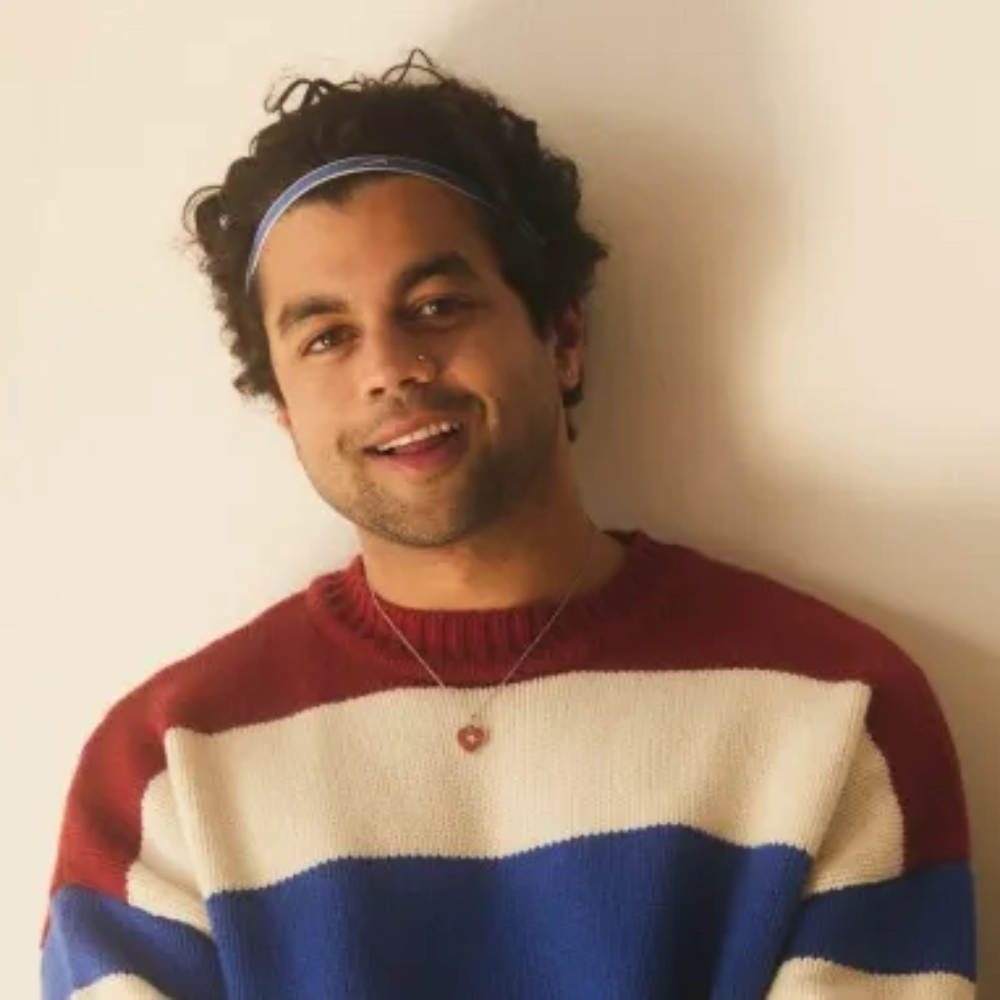
Akash Nigam Bet on Avatars Before AI Learned to Speak
A failed chat app, a rejected exit and a stubborn interest in how people express themselves led Akash Nigam to spend nearly a decade building digital characters. Now Genies is trying to give artificial intelligence a face, a wardrobe and somewhere to play.

The Founder Who Learned to Stop Carrying the Company
Yannick Namia spent years making companies depend on him. Then he discovered the more useful founder skill: building teams that can think, decide, and recover without waiting for permission.
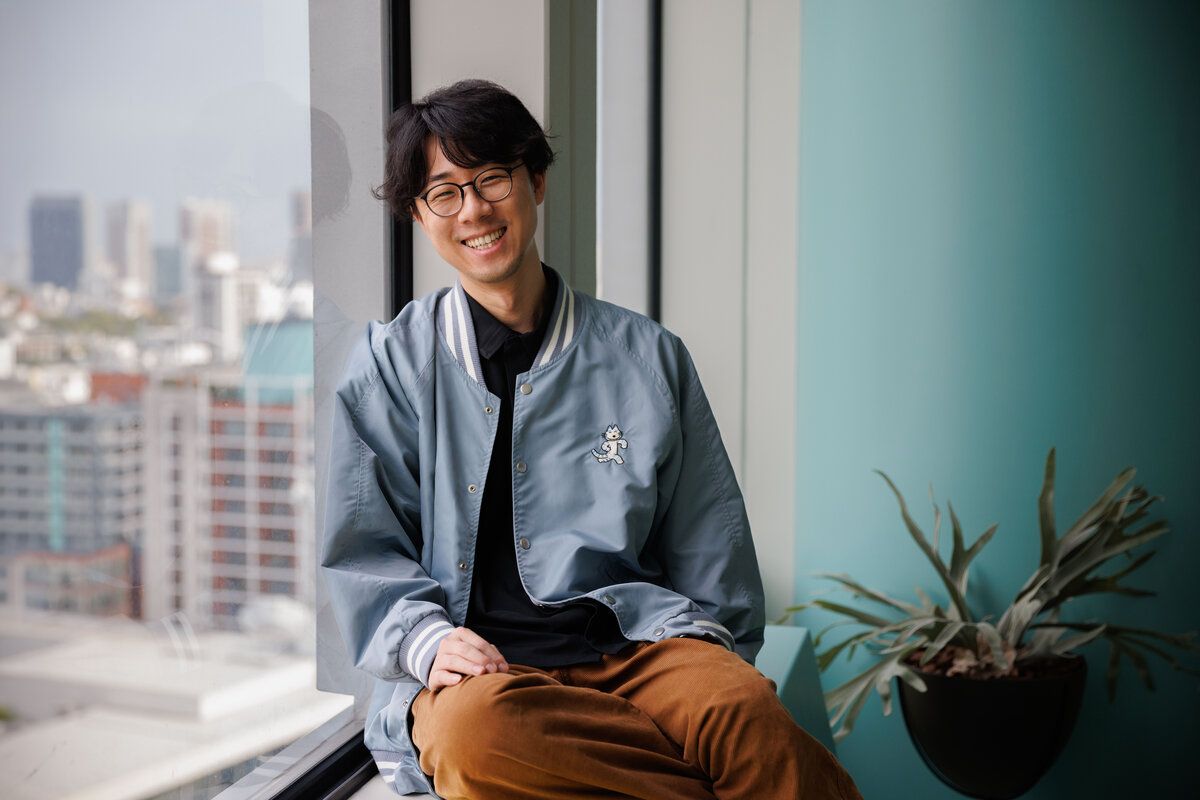
Captain Oyu’s Third Startup Is Betting Japan’s Future on Wild Imagination
After building Mamari, selling PRISM Project to Sony and circling the globe, Shunsuke “Captain” Oyu is turning hand-drawn avatars into a passport for creators. His wager is simple: Japan’s next global export may be a self you can invent.

Ben Rubin Keeps Rebuilding the Room Where the Internet Meets
Meerkat burned bright. Houseparty made dropping in feel natural. Now Ben Rubin is applying an architect’s eye to Towns - and betting that online communities should own the rooms they fill.

Andrew Laffoon Is Teaching AI to Respect the Family Album
For twenty years, Mixbook's co-founder has worked on the same deceptively difficult problem: turning a camera roll into something people will keep. His latest answer uses AI, but the product test remains stubbornly human.
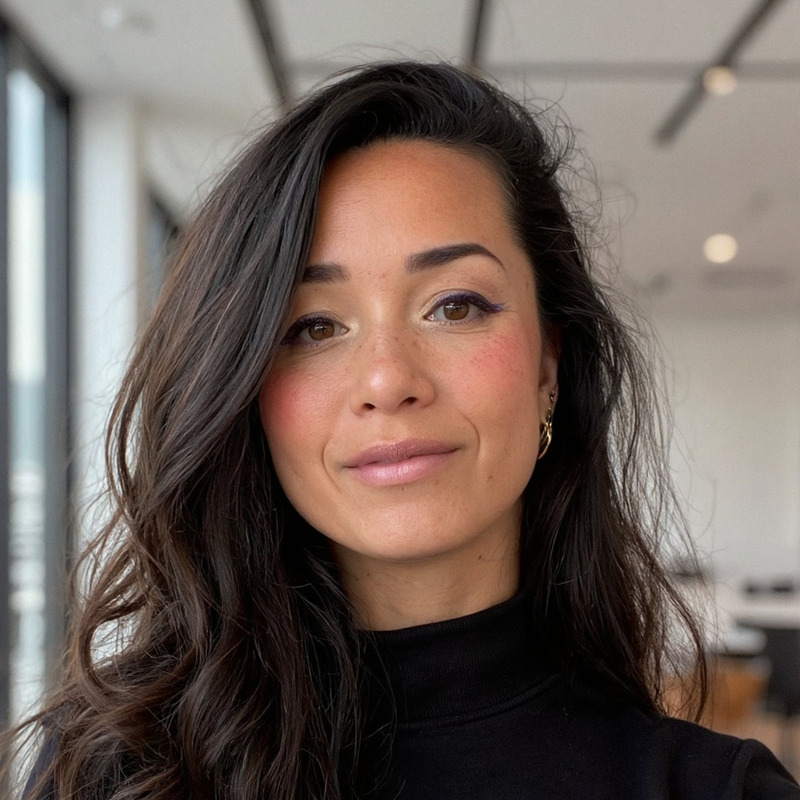
Nadia Kumentas Is Teaching Brain Technology to Speak Human
The Muse CMO built her career at the border between science and storytelling. Her operating lesson is simple: when a product creates a new category, education is not support for the marketing - it is the marketing.
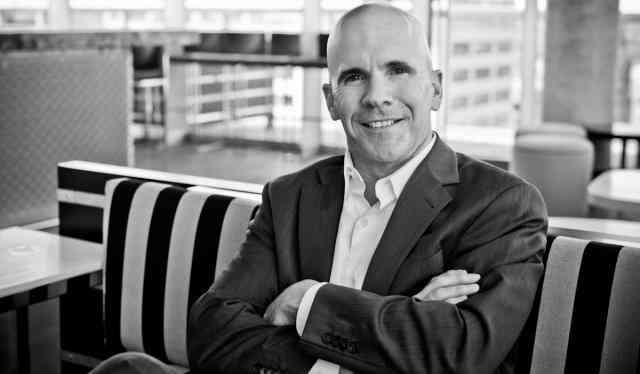
Colin Bettam Has Spent Three Decades Making New Categories Feel Familiar
Before League, Colin Bettam sold beer, satellite radio, televisions and e-readers. The products kept changing, but his operating problem stayed the same: turn complicated technology into a story people can use.
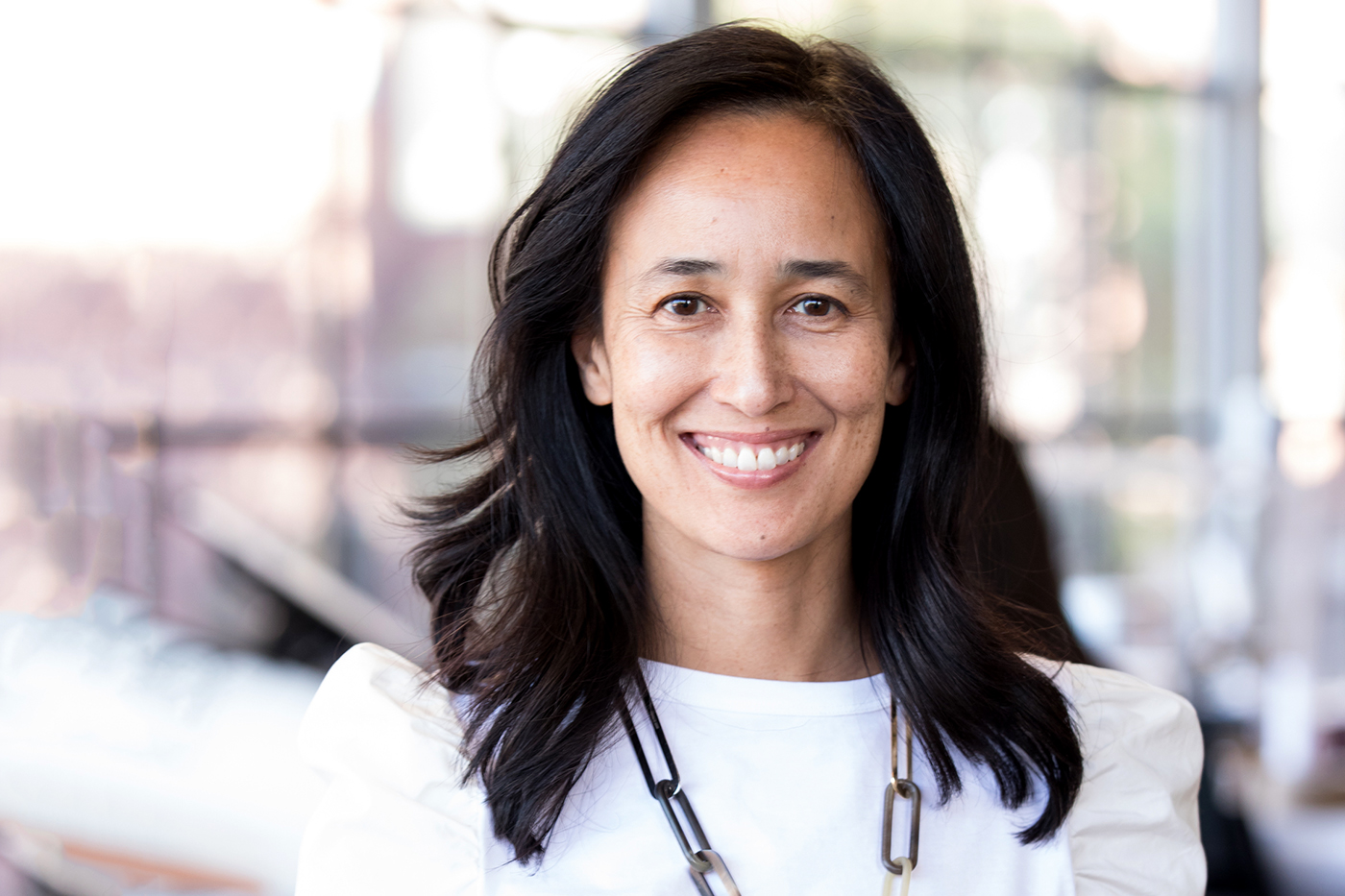
Mariam Naficy Keeps Rewriting the Way Taste Becomes a Product
After Eve.com and Minted, the San Francisco founder is making a third wager on consumer behavior: that the next shopping interface begins with an idea, not an inventory page.

Spark Capital Bet on Products Before They Became Markets
The venture firm behind Twitter, Tumblr, Oculus and Anthropic built its reputation by treating taste as diligence and patience as a product. Twenty-one years in, its dog logo still says more about the strategy than a spreadsheet does.

The Small-Check Strategy Behind A.Capital’s Biggest Bets
A.Capital built its pitch around a Silicon Valley heresy: a venture firm does not need a fixed ownership target to matter. Its wager is that recruiting muscle, technical judgment and the right introduction can make a small slice unusually consequential.

The VC Firm Selling Founders Something Rarer Than Money: A Shortcut to the Right Room
Notable Capital inherited a 25-year investing record, then made a sharper promise: the check is only the opening move. Its real pitch is access - to hires, buyers, operators, and the hard-won pattern recognition that can move a young company faster.

The Venture Firm That Treats Your Shopping Habits Like a Map of the Future
Maveron has spent more than a quarter-century betting that small changes in daily behavior become large companies. Its product is patient partnership - and its raw material is the way people live.

The Million-Dollar Commute Between Seattle and L.A.
Unlock Venture Partners built its seed strategy around a simple map: two major technology cities, too little early capital, and founders who need more than a wire transfer.
Footwork Built a $400 Million Venture Firm on Two People Saying Yes
Footwork pairs an investor's pattern recognition with an operator's scar tissue, then asks both partners to own every decision. Five years in, that compact design is becoming a case study in how a small venture firm can stay concentrated while its market changes underneath it.

Lightspeed Built a $9 Billion Bet on the Long Game
Lightspeed has grown from an enterprise-focused Silicon Valley partnership into a global, multi-stage investor. Its newest funds reveal the real strategy: specialist judgment, patient capital and enough range to keep backing a company as the stakes rise.

How a Psychic Hotline Became a Data-Driven Software Company
Outlook Amusements built a technology and operations business around one of the internet’s most intimate purchases: a private conversation about what comes next.
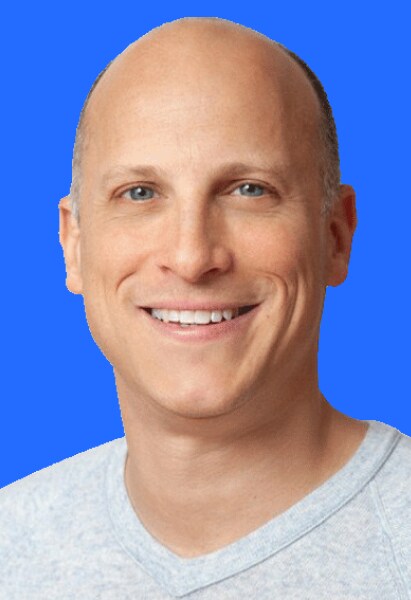
Thomas Ranese Is Marketing the Useful Side of AI
From his father's Long Island pasta shop to Google, Uber, Chobani and Intuit, Thomas Ranese has kept returning to one practical question: what does this product do for a real person?

Wildwood Ventures
Wildwood Ventures is betting that the next important consumer technologies will help people live more fully - then putting an operator bench beside founders to help build them.