consumer-services
(36)
Heyday made the facial a date worth keeping
A New York skincare company took the facial out of the special-occasion drawer. Its real wager is that a familiar esthetician can make a monthly appointment feel more useful than another bottle of serum.
Cleanly sold you time. Then it had to own the laundry.
A laundry app promised New Yorkers a shorter to-do list. Its journey into ByNext shows how much machinery sits behind a simple tap.
Rinse built a laundry business around the hours everyone else went home
A family dry cleaner, a two-hour evening window, and a stubborn preference for predictable service. Rinse turns the weekly laundry pile into a lesson in the economics of convenience.

Tawkify and the curious value of having fewer choices
A dating service built around a small act of surrender: let someone else choose. Tawkify sells the search, the screening, and the reservation - while the chemistry remains stubbornly freelance.

The Operator Who Knows When Growth Needs a Human Touch
From a dive boat to Pret, David Chang’s delivery kitchen, Levain’s cookie counter and now Heyday’s treatment rooms, Andy Taylor has built a career around one deceptively hard question: how do you make a good experience repeatable without making it ordinary?
SEV Laser Wants a Place in Your Routine
From a rented salon room to more than 70 locations, SEV has made laser hair removal a national beauty business. Its next test is keeping the personal touch as the footprint grows.

Lisa Purdum Has Spent 25 Years Making the First Date Less Accidental
Long before swiping became a reflex, Lisa Purdum was interviewing singles face to face. Her career is a study in what technology still struggles to supply: context, candor, and the nerve to give a promising person another hour.

CJ Edgington Built a $25 Million Bug Business, One Door at a Time
A door-to-door sales crew gave RIDD its first customers. CJ Edgington and his co-founders turned that seasonal hustle into a recurring service operation built to route, renew and scale.

Jamie Brandt and the Quiet Work Behind a Green Lawn
From automotive sales to prairie lawn care, Jamie Brandt built his remit one market at a time - with customer service as the operating system.
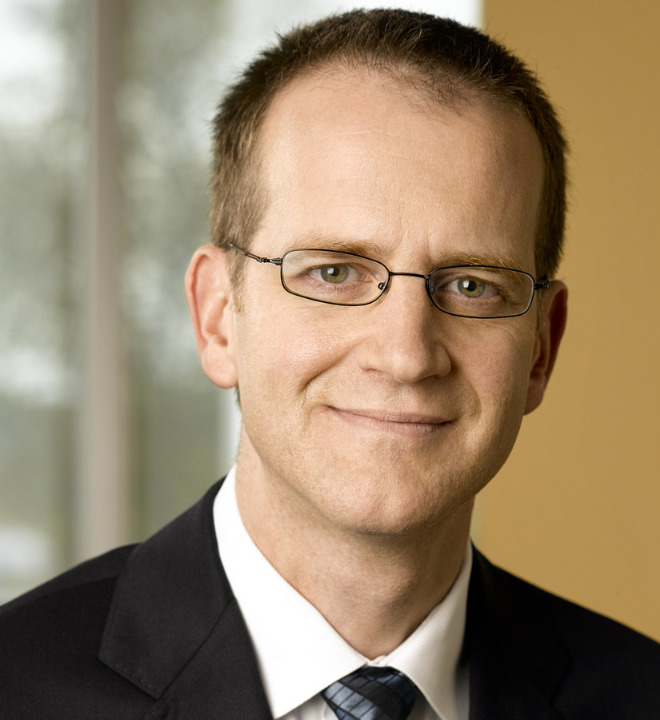
Nicolas Gaudreau Has Spent a Career Turning Digital Disruption Into a Working System
From Bell and Yellow Pages to fashion, outdoor retail and CAA-Québec, Nicolas Gaudreau’s career offers a practical lesson in transformation: make the strategy clear, build the team around it, and turn disruption into something customers can actually use.
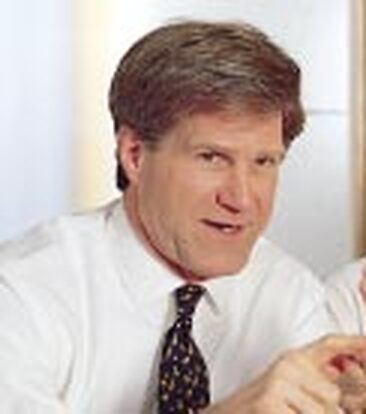
Steven Wagner Built the Bundle Before Streaming Broke It Apart
Across HBO, Disney, NTL and Rogers Cable, Steven Wagner spent three decades turning new communications infrastructure into products people could actually choose, buy and understand.
Three Day Rule's $6,300 Cure for Swipe Fatigue - and the Awkward AI Bet That Could Change It
For 15 years, Three Day Rule sold busy singles a human antidote to endless swiping. Now its new owner is trying to bottle that judgment in an app - without turning romance into a chatbot relay.

How Three Salesmen Turned Door Knocks Into a $25 Million Bug Business
Three former door-to-door sales managers built RIDD by treating bug spray like a subscription - and automating the busywork away. In four years they went from 6,000 customers to 30,000.

The Henderson Company Betting Your Roof, Your Locks and Your Light Switch Belong on One App
Solar panels, door cameras, thermostats and monitored alarms - most homeowners buy them from four different companies. LivSmart's pitch is that they should have bought them from one.

The Startup Turning Wedding Flowers Into a System You Can Actually See
Poppy Flowers has spent years turning one of a wedding's foggiest purchases into a visible, editable plan. Its real product is not the bouquet alone - it is the machinery that gets thousands of fragile stems from farms to local designers to the right room at the right hour.

The Company Behind the Van in Your Driveway
Authority Brands has assembled 15 familiar home-service businesses under one quiet operating system. The bet is simple: keep the trucks local, but make the machinery behind them national.
Belle Tire Spent a Century Making the Humble Tire Shop Hard to Replace
The Detroit-born chain turned free air, fixed flats and a smiling rubber mascot into a Midwestern habit. Now an announced acquisition tests what happens when a regional institution joins a national platform.
The Business Behind the Pipe You Forgot You Own
Oncourse Home Solutions has built a national home-protection business around an awkward fact of ownership: the costliest pipe on the property may be the one nobody remembers is theirs.
The Company That Owns the Last Goodbye
How a Houston funeral director quietly rolled up thousands of family-owned parlors into a $4.3 billion machine - and made its biggest money on funerals nobody has died for yet.

The Business Hidden Behind the Tinted Glass
Tint World took a trade once associated with anonymous garages and built a bright, repeatable retail system around it. Its real product is not darker glass - it is trust, installation skill and a franchise playbook broad enough to follow customers from cars to boats to buildings.
The $2 Billion Home-Repair Machine Hiding Behind Your Broken Dishwasher
Frontdoor built a recurring-revenue business around the moment an air conditioner, water heater or refrigerator quits. Now it is using video experts, a contractor network and a $585 million acquisition to stretch beyond the traditional home warranty.
The $12 Million Gym Bet: Onelife Is Turning the Neighborhood Club Into a Third Home
Onelife Fitness is wagering that the winning gym is neither a bare-bones box nor an exclusive country club. Its growing network sells something more practical: enough equipment, classes, recovery and family infrastructure to make showing up the easy part.
The Orange Doors That Turn Life’s Overflow Into a $4.8 Billion Business
Public Storage built a national business around the awkward months when people have more life than room. Now a new leadership team is using software, data science and a much larger portfolio to decide what the familiar orange doors become next.
Regis Corporation
The company that quietly cuts millions of heads of hair a year runs almost no salons of its own. Here is how a 100-year-old chain rebuilt itself around franchisees, royalties and the corner-strip haircut.
Whistle Express Car Wash
Whistle Express turned 16 regional car-wash brands into one operating system. Then a $385 million deal more than doubled its footprint - and made the humble wash tunnel a revealing lesson in subscription retail.

Tacala, LLC
Tacala built one Alabama Taco Bell into a 380-plus-store operating system. Its harder trick is making education, hardship relief and local giving work at drive-through scale.
A1 Garage Door Service
A1 Garage Door Service built a national home-services platform around the moment a 200-pound moving wall refuses to move. Its real product is not the spring or the opener - it is a repeatable system for turning household panic into a scheduled, trained and warrantied repair.

Peloton Capital Management
Peloton Capital Management is betting that the best middle-market businesses need a longer runway, not a faster flip. Its founder-first model has turned patient capital into an 11-company portfolio across healthcare, financial and consumer services.
Kiwi Services
Kiwi Services is a Carrollton, Texas-based home cleaning and restoration company founded in Dallas in 1987 by Angela Eideh. Built around an unusual $8-per-room, one-year carpet cleaning warranty, Kiwi has grown from a single carpet-cleaning route into a multi-city operation offering carpet, rug, upholstery, tile, wood-floor, air-duct and dryer-vent cleaning, plus water-damage restoration and mold remediation across Texas, Arizona, Georgia and beyond.

Pine AI
Pine AI is an autonomous consumer AI agent that handles the tedious 'digital chores' people hate - negotiating bills, canceling subscriptions, filing complaints, and chasing refunds. Instead of just answering questions like a chatbot, Pine actually places phone calls, sends emails, and navigates websites to get things done on a user's behalf. Founded in 2024 by former Agora executives Stanley Wei and Vincent Sun, the Palo Alto company reports a 93% negotiation success rate and has saved consumers over $3 million. It raised a $25 million Series A in December 2025 led by Fortwest Capital.