At a New York brunch in 2012, someone wanted a facial that afternoon. Nobody knew where to send them. In Heyday’s telling, this was the moment Adam Ross spotted an opening. A city capable of recommending almost anything had gone quiet about skincare. Ross brought in Michael Pollak, and the pair began testing a business that would make the answer easier.
- A 50-minute facial, adapted to the skin in front of the esthetician.
- Monthly membership advertised at $125; enhancements cost extra.
- Advice and multi-brand retail connect the appointment to home.
The company opened in 2015. Its proposition sounds modest: move the facial from the occasional indulgence column into the ordinary calendar. Yet that requires changing several things at once. The room must feel approachable. The menu must be understandable. The customer must have a reason to return after the pleasure of being pampered wears off.
The walls tell you the business
Start with the treatment room. Heyday chose semi-private spaces, a decision Pollak explained in a company essay. Closed rooms made construction more expensive and the encounter more ceremonious. Open space encouraged questions, ambient conversation and learning among neighboring practitioners. Architecture became part of the service. The missing door had a job.
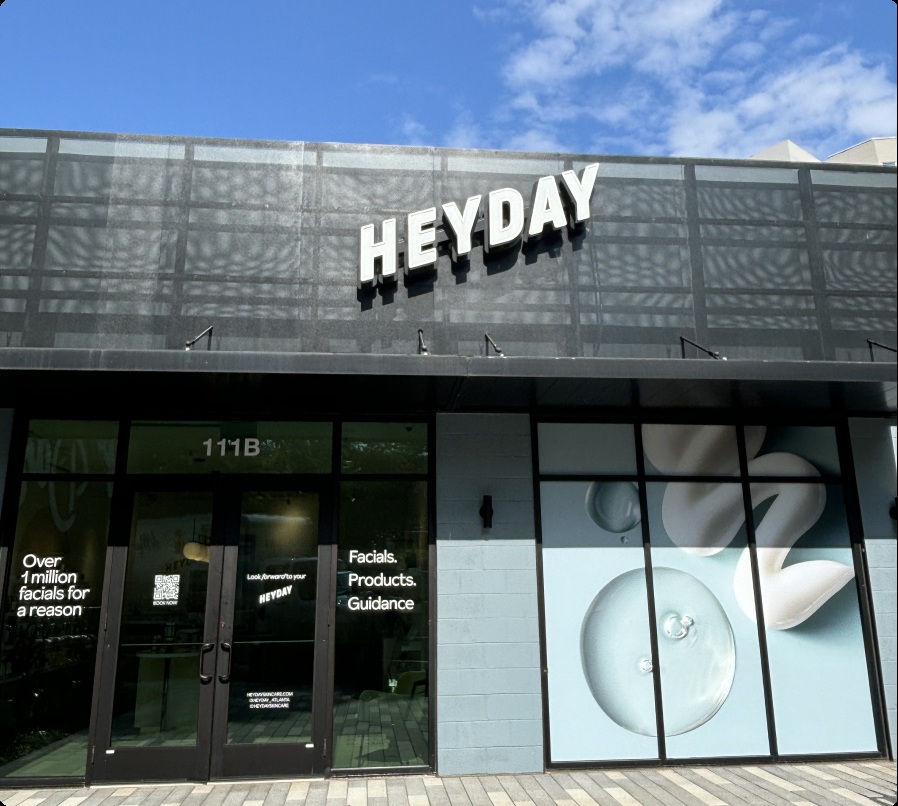
This gives Heyday a recognizable place in the market. It is a focused facial business with the sociability of a salon and the repeat appointments of a fitness studio. Customers can come for congestion, dryness or product confusion. They can also come because they enjoy being looked after. The proposition accommodates both motives without requiring a robe.
The trade-off is audible. Someone seeking complete privacy and cathedral silence may prefer a conventional spa. Heyday’s own explanation makes clear that conversation is part of the intended experience. A company cannot strip away ceremony and then promise every pleasure ceremony provides. Choosing a customer also means choosing an atmosphere.
Fifty minutes, many possible faces
The Essential Facial begins with skin analysis. Exfoliation, extractions, massage and masks are selected around the client’s needs, followed by guidance for home. The appointment has a stable length; its contents can change. That distinction matters. A complicated menu asks the customer to diagnose the problem before meeting the person equipped to help.
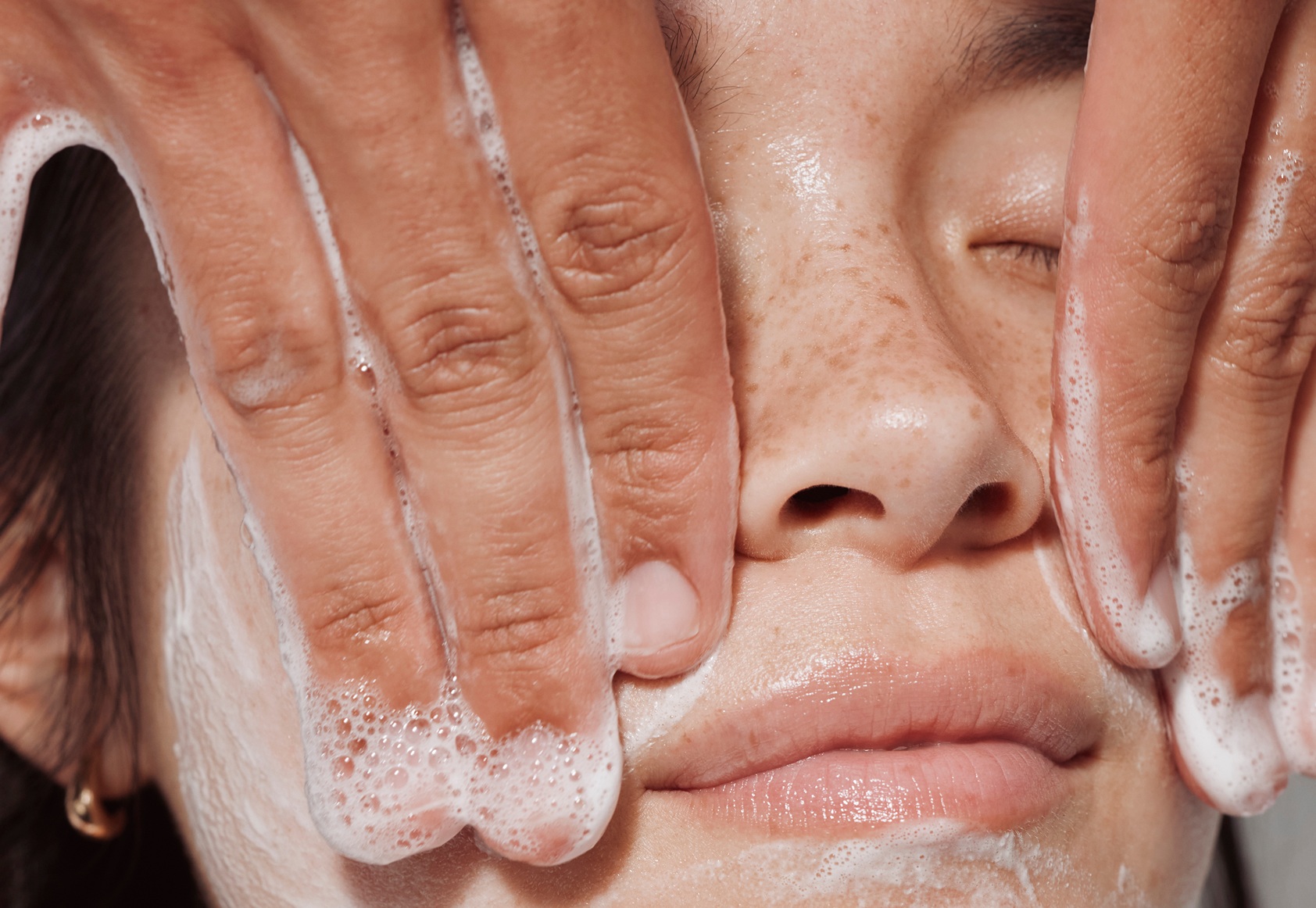
Behind this flexibility is a proprietary backbar. Heyday says it spent two years developing professional formulas and now offers 18-plus products supporting 125-plus treatment combinations. This is customization through a bounded set of ingredients. The esthetician supplies judgment; the company supplies the tools. Repetition happens in the process, while variation happens on the face.
The next visit begins with what changed.
Its current menu reaches beyond the basic facial: optional enhancements, select-studio laser and microneedling services, and the 100-minute Full Edit. A Face Reality collaboration adds the Clarifying Acne Boost for mild breakouts and congestion. Those offerings make the brand broader, but also make price and suitability questions more consequential. The booking is only the beginning of the decision.
The subscription has a person attached
One company-reported number deserves attention: 80% of returning clients request the same esthetician. Heyday also reports more than 100 hours of advanced training. Together, those claims describe what the brand is trying to organize. A familiar practitioner can remember previous conversations, adjust a routine and reduce the need to begin again each month.
The membership makes that relationship easier to schedule. Heyday lists an Essential Facial at $155 for nonmembers and $125 for monthly members, with studio variations. Monthly-member enhancements are listed at $25 or $40, depending on the category. Add a $40 enhancement and the advertised appointment becomes $165. Multiply that by twelve and the annual spending becomes $1,980.
A useful subscription requires actual visits. Heyday gives facial benefits a three-month use window and permits membership pauses of up to three months a year. Cancellation generally requires one membership term’s notice. These details determine whether the calendar works for the customer. A discount on an unused appointment is a particularly elegant way to spend money.
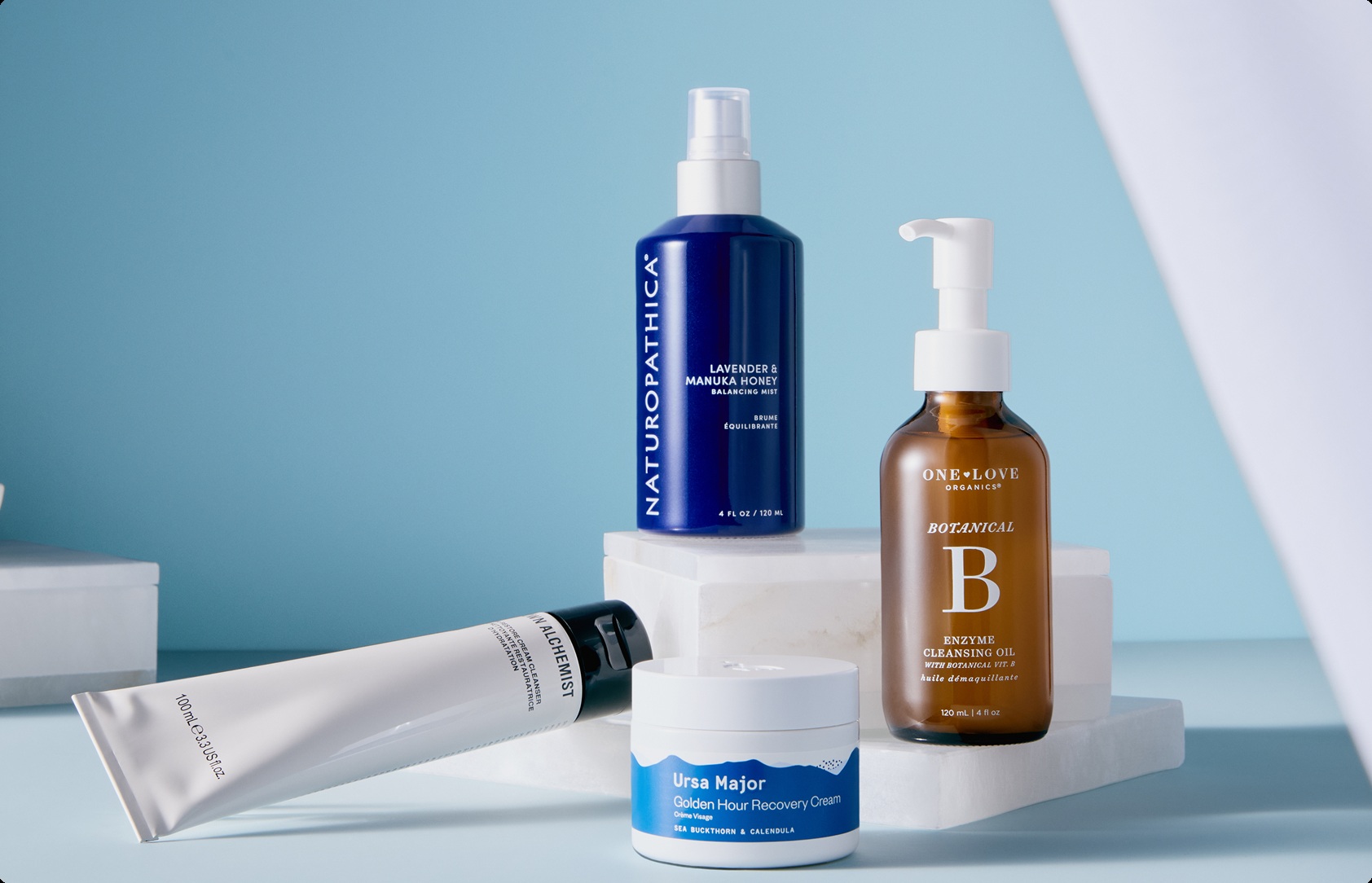
Retail adds another transaction to the relationship. Heyday sells brands including Dr. Loretta, IMAGE Skincare and Ursa Major, online and in studios. Advice can make that assortment easier to navigate; sales also benefit the company. Customers should leave understanding what a recommended product does and where it belongs in their routine. A longer receipt alone proves very little.
The chair was the vulnerable part
In March 2020, Heyday’s ten studios closed. The company rebuilt its website, added a skin quiz and piloted virtual consultations. Store-expansion money helped fund the digital response. The interruption exposed a dependence on physical appointments, while accelerating an existing ambition to deliver guidance online.
“You win and build trust as a brand by being available at any time, from any place.”
Adam Ross, speaking to Vogue in 2020
Expansion subsequently took a franchise route. A $20 million Series B in 2021 was followed by a $12 million extension in 2022, both led by Level 5 Capital Partners. The franchise opportunity table now lists an initial investment of roughly $966,000 to $1.23 million. Approachable treatment is still a substantial real-estate and staffing business.
The company’s current story page reports 35 studios and more than a million facials. Those figures describe reach and accumulated activity; they do not tell us how profitable each studio is. For an operator, the important question is local: can the shop fill appointments with trained people while giving customers enough value to keep returning? A national name still has to earn its next neighborhood booking.
What survives the next appointment?
Glowbar offers a shorter, 30-minute facial format. Skin Laundry emphasizes laser treatments. Independent estheticians offer another route to a continuing relationship. Heyday’s distinctive combination is time for a customized facial, practitioner continuity, memberships and curated retail. Its usefulness depends on how well those pieces cooperate at the local studio.
Other service businesses can copy the underlying choice: make the appointment simple to buy, preserve room for expert judgment, and give the customer something useful to do afterward. It depends on available practitioners, repeat attendance and advice worth following. The real test comes at home, when the towel is gone and the customer has to decide what happens next.