beauty-retail
(18)
Holt Renfrew Bet $300 Million That the Future of Luxury Would Be Bigger, Fewer and More Personal
Canada’s old furrier survived by shrinking its map and enlarging the experience. Its useful lesson is not ‘be luxurious’ - it is to spend where digital cannot: trust, taste and human attention.
Prima Raised $12.5 Million, Hit Sephora, Then Went Dark - Here’s the Comeback Playbook
Prima turned a mistrusted ingredient into a polished beauty brand, raised $12.5 million and landed national retail. Then an ambitious merger failed, operations stopped, and the founders learned the expensive difference between owning a standard and owning a supply chain.
The Finnish startup that reads 120 things in your selfie so beauty brands don't have to guess
It began with a founder's own unexplained skin problem. It turned into an AI advisor now embedded in roughly 120 beauty brands and retailers - and, lately, inside ChatGPT.
The Beauty Brand That Owns the Journey From Seed to Serum
Yves Rocher spent decades turning a Breton village into a beauty supply chain. Now its fields, laboratories, factories, shops and screens are being asked to prove that botanical heritage can still travel.

TULA Made the Microbiome a Beauty-Aisle Business
A gastroenterologist turned the skin microbiome into a prestige-beauty proposition. Twelve years, thousands of retailer doors and one P&G acquisition later, TULA is testing whether “balance” can remain distinctive in a crowded skincare aisle.

How Intertop Turned the Shoe Store Into Ukraine’s Fashion Operating System
Intertop began with shoes. Three decades later, it is stitching stores, software, logistics and global brands into one of Ukraine’s most consequential retail platforms.
Tatcha Put a Two-Minute Ritual in a Purple Jar
A blotting paper became a prestige skincare brand, a reported $500 million exit and a lesson in how ritual can be product design. Tatcha now has to keep intimacy intact while selling through more doors than ever.
PROSTOR Built a Beauty Aisle the Size of Ukraine. Now Comes the Hard Part
A pink-sign retailer grew from one Dnipro shop into 468 stores by selling the useful and the aspirational on the same receipt. Its next act is a test of whether reach, private labels and a phone-sized storefront can turn scale into staying power.
The 20,000-store machine hiding in plain sight
Reliance Retail looks like a collection of stores. Look closer and it is a shared operating system for how India shops - online, around the corner and at almost every price point.

The K-Beauty Cart That Became a $347 Million Export Machine
YesStyle turned the messy business of finding, explaining and shipping Asian beauty worldwide into a repeatable retail system. Its sharpest advantage is not a single serum or skirt - it is the loop connecting 400-plus Korean brands, half a million creators and shoppers across more than 200 countries and territories.
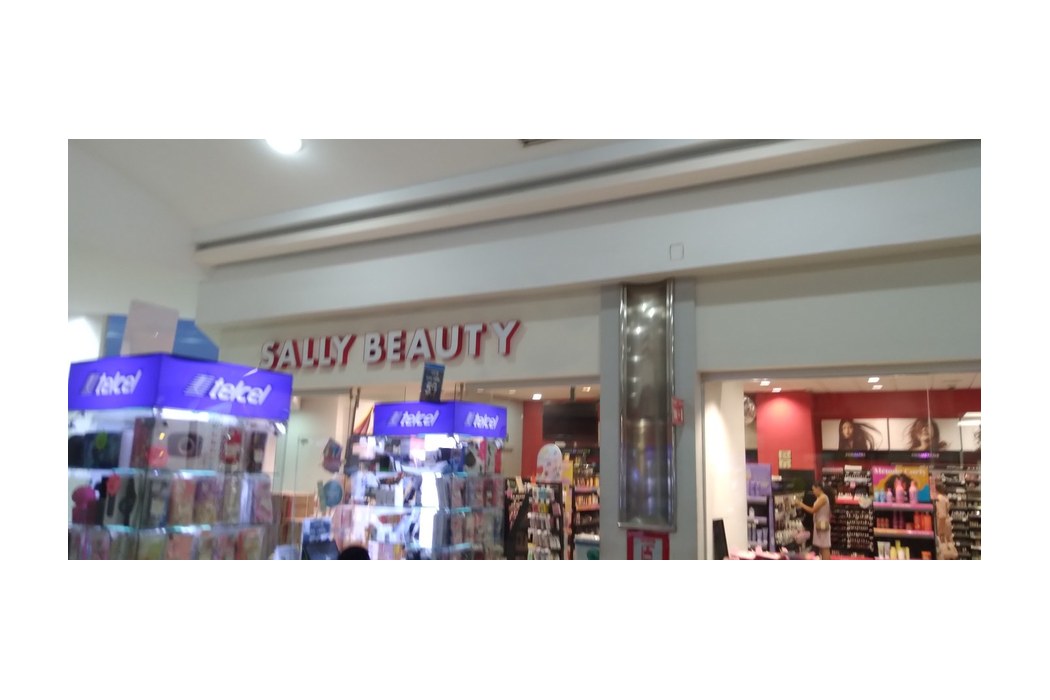
The store that sells hair color to the person doing your hair - and to you
One of America's largest beauty-supply chains sells the same professional hair color to salon pros and to the customers coloring their own roots at home. Here is how a 1964 New Orleans shop became a two-sided, 5,000-store beauty distributor.
How a Suburban Beauty Store Became the Place 46 Million People Shop
Ulta built a beauty empire by refusing to choose - drugstore mascara and prestige serums on the same shelf, a hair salon in the back, and a rewards program that now knows what nearly 47 million people put on their faces.

The Spanish Beauty Giant Hiding in Plain Sight
Druni turned discount perfume, neighborhood stores and a surprisingly muscular e-commerce operation into an Iberian retail force. Its next act stretches from Carlet to Portugal - with family control, a powerful partner and more than 500 shopfronts in the combined group.
Bubble Turned Teen Skincare Into a 100,000-Person Product Lab
Bubble sells colorful, dermatologist-developed skincare for less than $20. Its harder-to-copy asset is the feedback loop behind the bottles: a global community that helps decide what gets made - and what goes back to the lab.
ILIA Beauty
ILIA stopped treating “natural” as a purity test and started treating makeup as a delivery system for skincare. That pragmatic turn helped a lip-balm experiment become a prestige beauty business approaching $200 million in annual revenue.
Chantecaille
Chantecaille turned a missing butterfly into a beauty business model: botanical formulas, collectible color and conservation stories sold at prestige prices. Now owned by Beiersdorf, the family-built brand is testing how far that unusually gentle formula can travel.
Sephora
Sephora took beauty out from behind the counter and turned discovery into an operating system - part store, part laboratory, part media channel. Now the LVMH-owned retailer is using loyalty, technology and global reach to decide what prestige beauty looks like next.
GudangAda
GudangAda is an Indonesian B2B e-commerce marketplace founded in 2019 that connects manufacturers, distributors, wholesalers and retail stores across the country's fragmented fast-moving-consumer-goods supply chain. Alongside its marketplace it offers logistics, merchant tools and financing so small retailers can source, order, pay and receive goods in one app. After scaling to roughly half a million SMEs and about $6 billion in transaction value on more than $135 million of venture funding, the company retrenched from its capital-intensive FMCG model and pivoted toward beauty and personal-care retail under its Kaka Beauty brand.