company-culture
(20)
Cheri Ackerman and the art of being a beginner
A Michigan lab, a Berkeley fellowship, and a company built with friends. Cheri Ackerman’s path to Concerto Biosciences is a story of learning the job while doing it - and making room for other people to do the same.
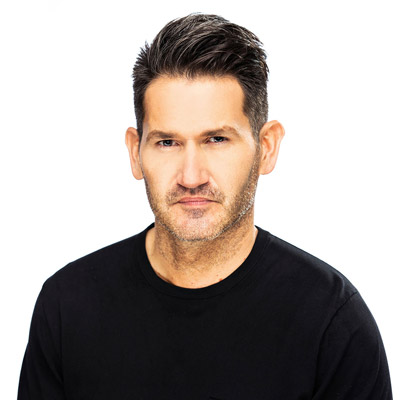
Shawn Riegsecker and the art of starting over without leaving
He founded Centro in 2001, rebuilt its software when the market moved, and renamed it Basis. Shawn Riegsecker’s long-running experiment asks whether better advertising systems and a better company can grow together.

Steve Bilt’s second first day
Steve Bilt helped found Smile Brands, left it, then bought it back with his partners. His second act turns on an old question: how do you keep a growing company personal?

Michael Waterbury and the art of making room
A baseball scholarship did not deliver the future Michael Waterbury expected. Years later, the Goodroot founder built a business around giving other people space to do their best work.

Udo Waltman knows when to leave room
At Sansidor, Udo Waltman built a network around a delicate promise: entrepreneurs could sell their companies and keep being entrepreneurs. His decision to hand over the CEO role brings that idea back to his own desk.
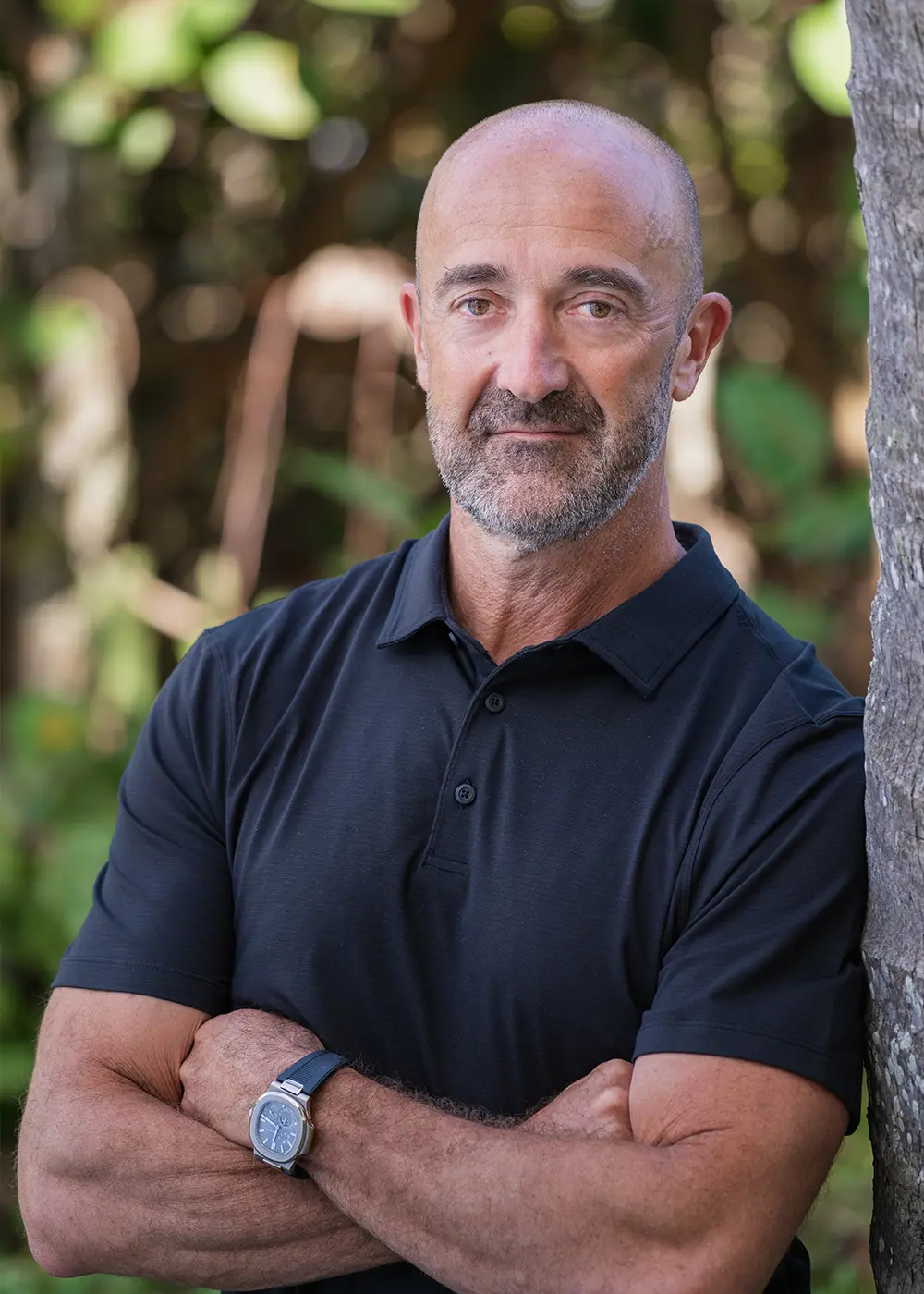
Chris Barbin and the business of backing people
After co-founding Appirio and leading it to a $500 million acquisition agreement, Chris Barbin returned to the work he knew: helping people build services businesses. At Tercera, the next chapter runs through cloud ecosystems, old colleagues and the changing economics of AI.
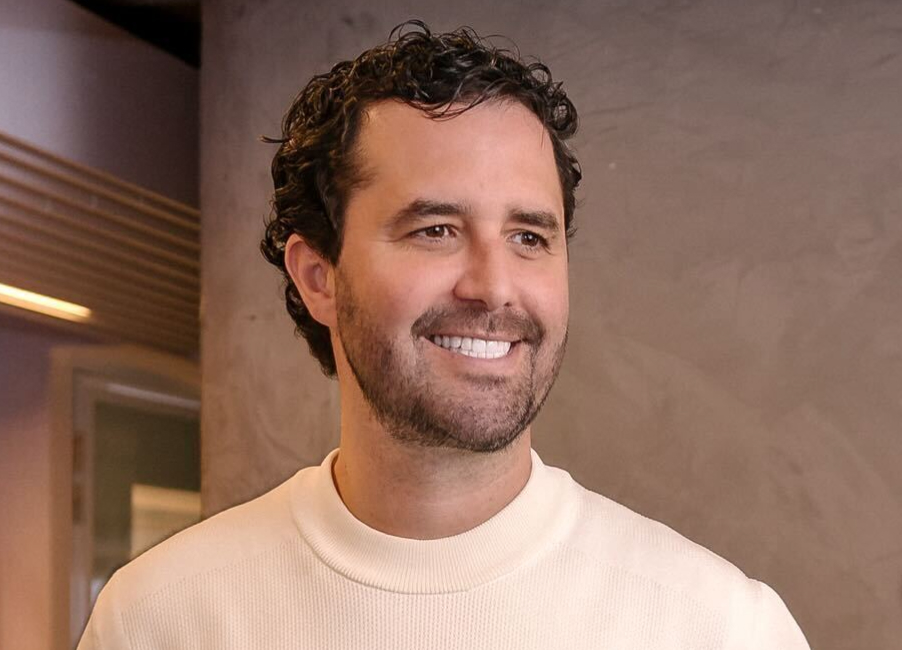
André Florence and the value of an awkward question
After helping sell 99 to Didi, André Florence started again. The Alice cofounder’s next venture began with a revealing invitation: ask the people who have worked with me.

Bethany Andell and the two-year deal that outlasted Hollywood
She came home to Houston for an MBA and a two-year commitment to the family business. Bethany Andell stayed to work on a harder question: how a company makes its story believable.

Joel Grossman and the Long Art of Answering the Call
He began with an empty desk and helped build one company to a $220 million exit. At Numa, Joel Grossman is applying the same patient operating logic to the ringing phones, missed messages and frayed handoffs of the modern car dealership.
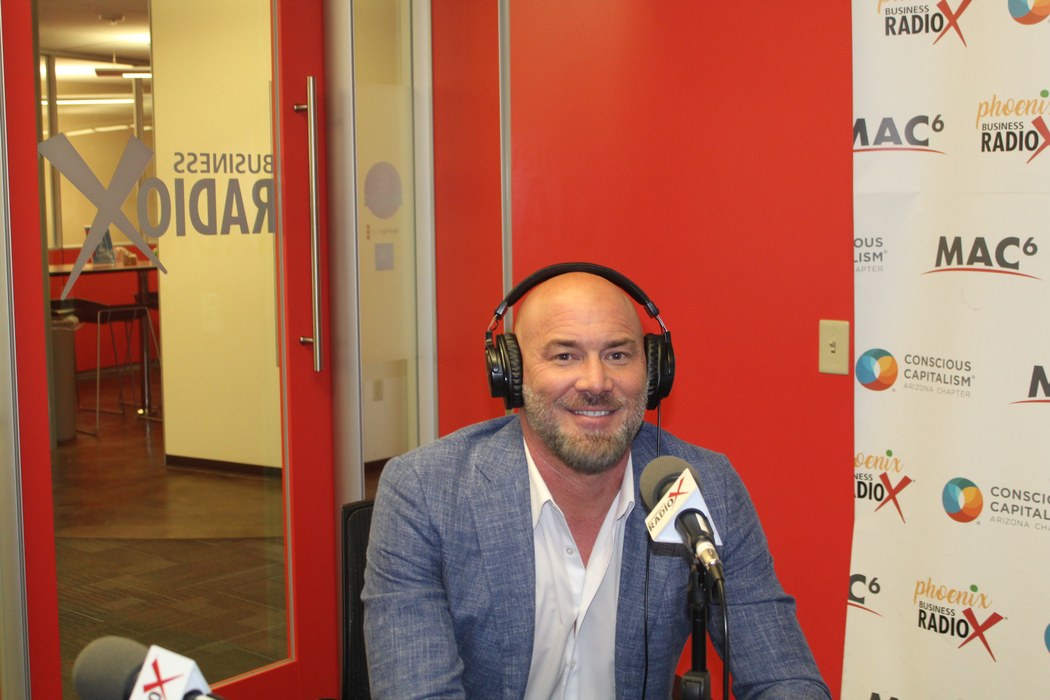
Todd Delano Learned to Count What a Company Cannot Afford to Lose
The finance-trained founder built ServRx by mastering an obscure corner of pharmacy billing. Then growth forced a harder calculation: how to measure trust, repair a culture, and carry the lesson from claims desks to basketball courts.
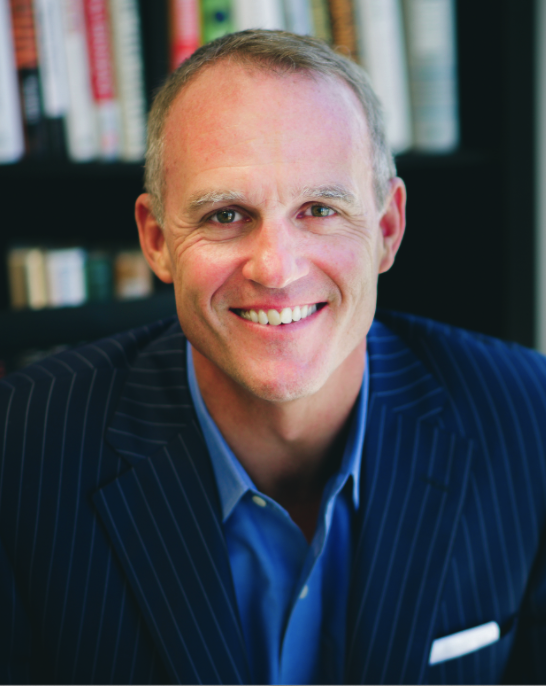
Mark Abbott and the Long Education of a Company Builder
He spent decades studying why companies lose their way, then built software to keep them aligned. The harder lesson came when his own fast-growing company tested every framework he believed in.

Lauren Izaks Built a PR Agency by Teaching the Work Behind the Work
The former Chicago educator turned one humbling management mistake into a philosophy: build the system, teach the system, then give people room to grow.
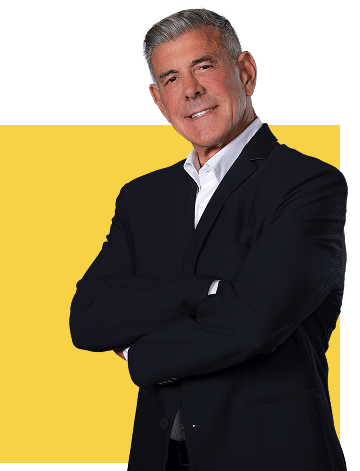
Ric Militi Built an Agency Around the Work Most Agencies Send Away
From a borrowed corner of the entertainment business to an Inc. 5000 agency, Ric Militi has spent four decades betting that culture, craft and accountability belong under one roof.

Amy Buechler Built a School for the Part of Startups Nobody Puts on the Pitch Deck
After nearly five years inside Y Combinator, Amy Buechler turned a thousand founder conversations into a practical curriculum for leading when the map runs out.

Margaret Murphy Took a Gap Year - Then Built the Agency She Couldn’t Find
After 25 years inside marketing’s machinery, Margaret Murphy stopped, listened, and sketched a different kind of firm. Bold Orange grew from that pause - and from her insistence that customer experience and company culture belong in the same conversation.
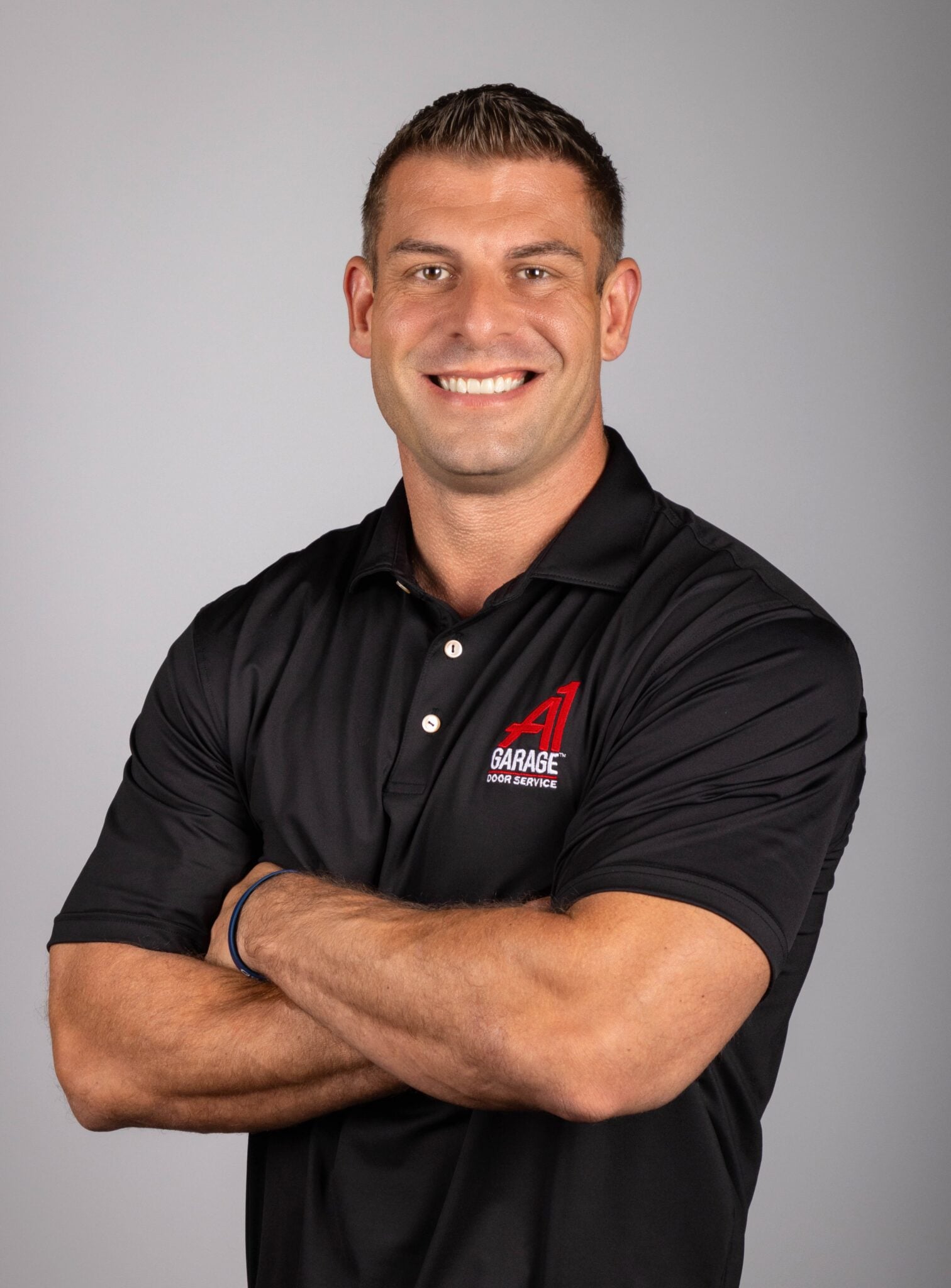
Tommy Mello Put a Garage Door Business on Rails
He began with a paint sprayer, a battered car and a useful place in the phone book. The real breakthrough came when Tommy Mello stopped trying to be the best technician in the truck and started building a company that could move without him.

Charlie Saffro Built a Recruiting Firm by Charging for What She Had Been Giving Away
A $1,200 placement, a contract she was not yet staffed to deliver, and a belief that business is personal turned Charlie Saffro's instinct for introductions into a 16-year company - and then into a difficult lesson about what comes after an exit.

William Craig Built WebFX by Learning to Stop Designing Websites
A $900 database started the journey. A $3 bank balance changed it. Three decades later, William Craig is still turning technical curiosity into a company built around measurable growth and a very deliberate hometown bet.
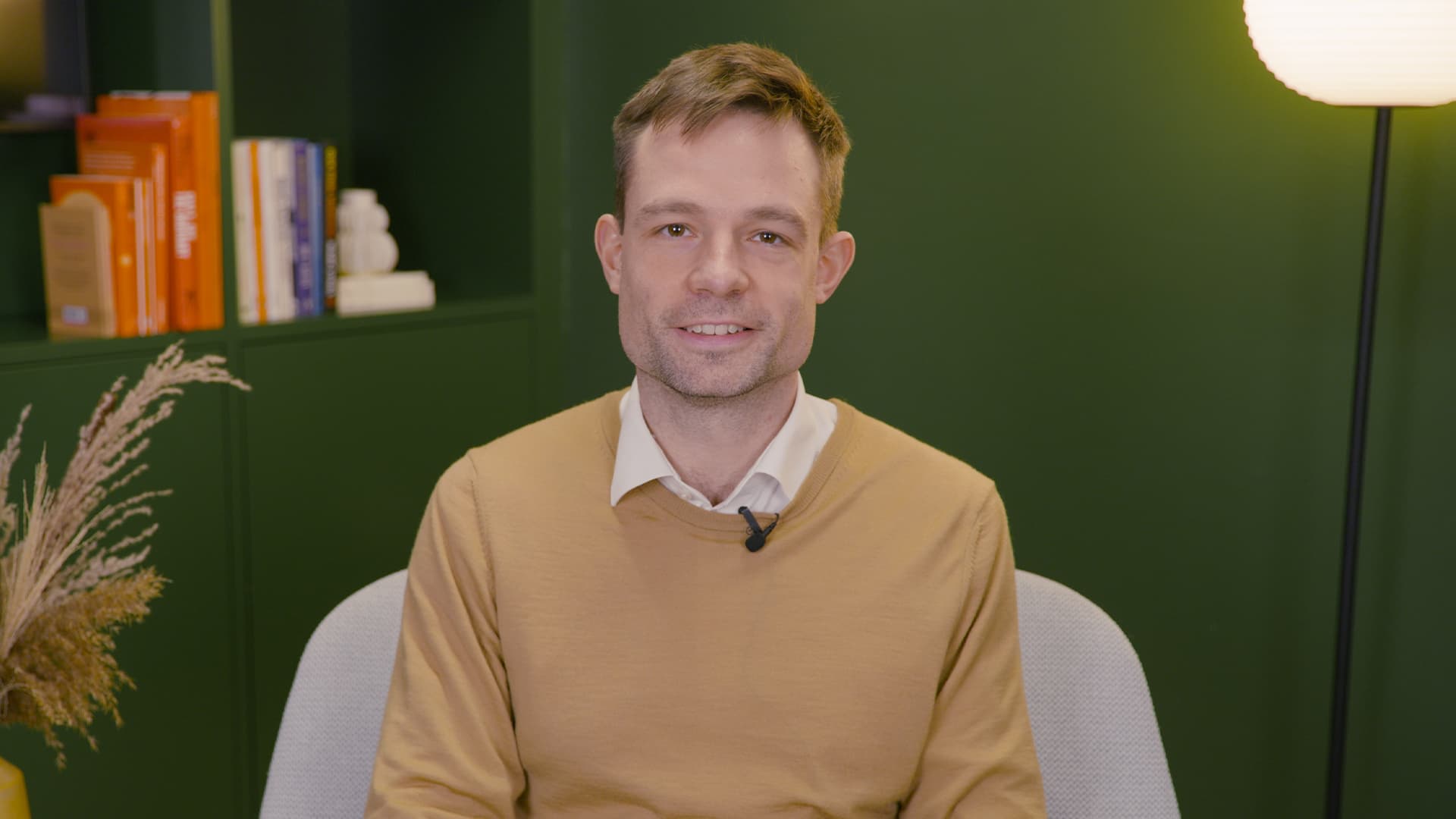
Nicholas Syhler Spent €1 Million Learning When to Change Course
The Danish doctor built carefully, watched the market reward shortcuts, and crossed an ocean to find a business model that fit. His useful lesson is not about persistence alone - it is about knowing what must stay fixed when everything else changes.
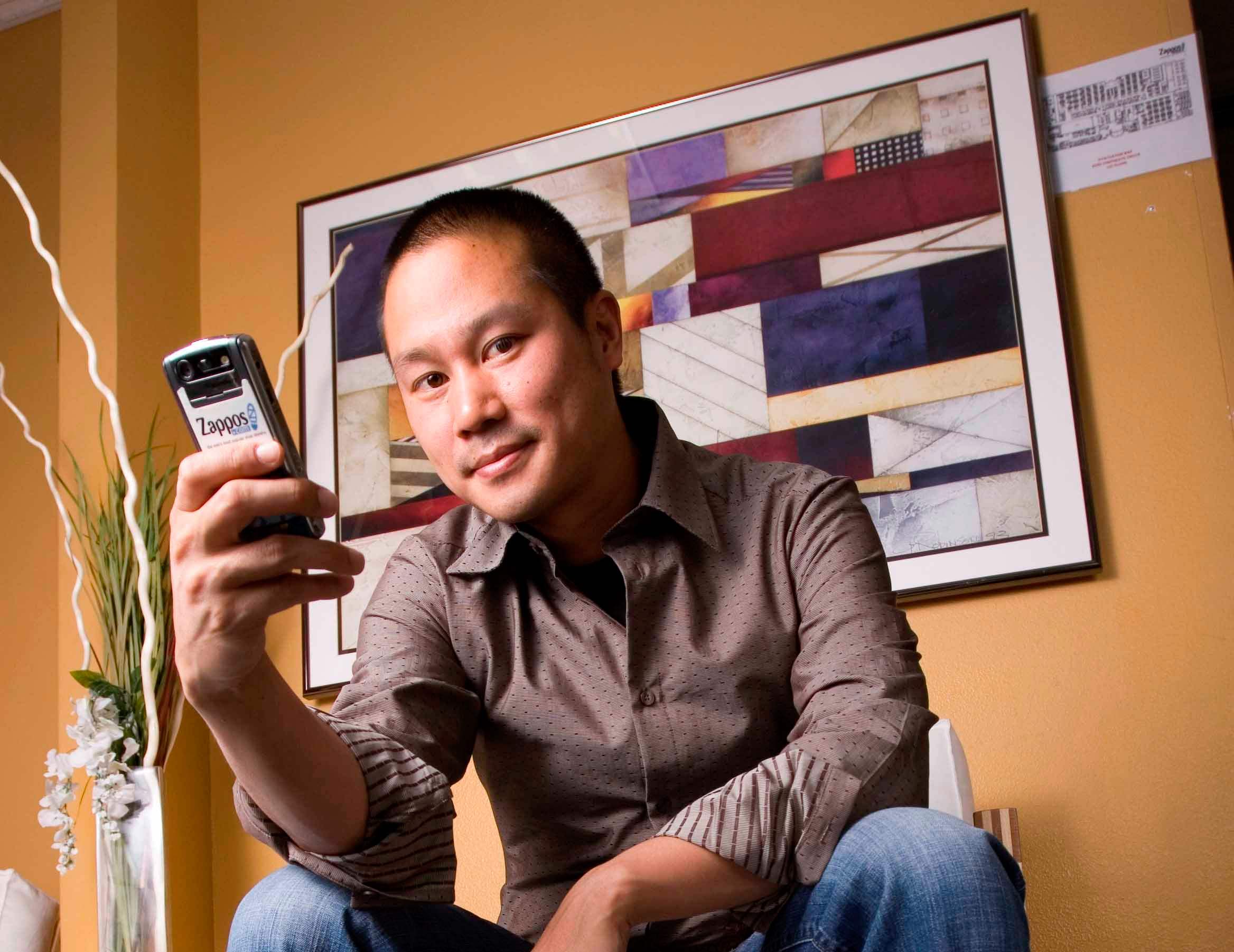
Tony Hsieh
Tony Hsieh was the visionary CEO of Zappos who turned a struggling online shoe store into a $1.2 billion acquisition by Amazon, not by selling shoes but by relentlessly selling happiness - to customers, employees, and a disbelieving corporate world. A Harvard computer science grad who sold his first company (LinkExchange) to Microsoft for $265 million at 24, Hsieh spent two decades proving that culture isn't a perk but the entire product. He wrote the bestselling 'Delivering Happiness,' bet $350 million on reviving downtown Las Vegas, and died in November 2020 at age 46, leaving behind a philosophy that still shapes how companies think about their people.