clinical-research
(24)
Henry Hsu Has Spent a Career Turning Small Molecules Into Big Decisions
The physician-founder behind Allysta learned biotech from the least glamorous end: protocols, partnerships and the long distance between a promising mechanism and a credible medicine.
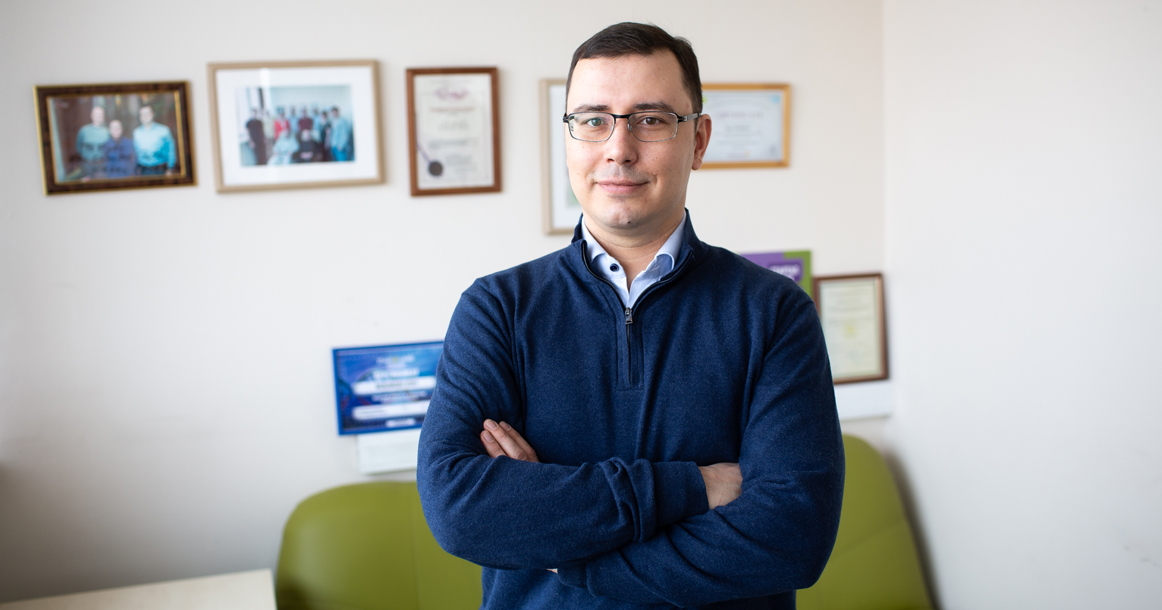
Egor Melnikov Bet a Founder’s Life on a Family Idea
An economist from a Russian science town turned his father’s unfinished research into a decade-long biotech company. The useful lesson is not romance. It is his stubborn method: narrow the question, protect the idea, and keep earning the next experiment.
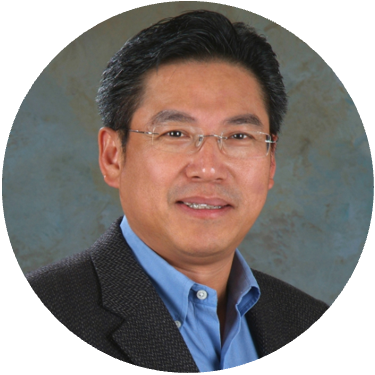
Ilsong Lee’s Second Act Is Making Research Less Mechanical
After decades spent turning complex semiconductor systems into businesses, Cipherome’s CEO is applying the same operational instinct to the messier machinery of clinical and genomic data.
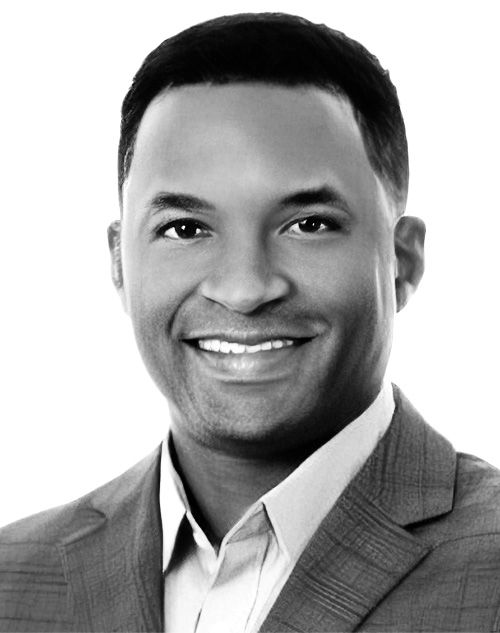
Del Smith Is Building the Missing Layer in Clinical Research: Trust
The former business-school dean turned a neglected business input - community trust - into Acclinate's operating system for more representative clinical research.

Roohi Jeelani Is Building the Clinic She Wishes the System Had Designed
The physician-scientist spent years studying the gaps between research, clinics and patients. At Onto Health, she is turning those observations into an operating model - one deliberate fix at a time.
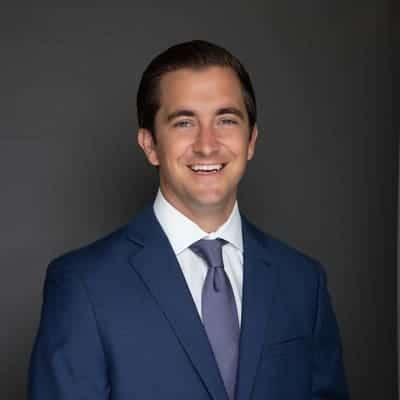
Mark Daley Built the Last-Mile Machine Behind Clinical Trials
A biology graduate became a research coordinator, then built the local operating layer between ambitious study protocols and the people who make them possible. Conquest Research is now a six-location network across Florida, Virginia and Georgia.
John Reites Learned Clinical Research from the Inside Out
He began as a self-described paper pusher, questioned the machinery from every seat he occupied, and built a career around making clinical research easier to enter and harder to abandon.
Matt Wilson Put Clinical Research on Autopilot
A 14-hour emergency shift and a six-week military camp exposed the same problem: clinicians had no spare time for research. Matt Wilson built uMed to make the machinery run in the background.
Christian Apfel Is Betting on the Tumor, Not the Spreadsheet
The physician-scientist behind SageMedic built his career turning clinical uncertainty into compact decisions. Now he is applying the same habit to functional precision oncology, angel investing and the slow work of changing a standard.
Vishnukamal Golla Is Building the Missing Middle of Cancer Care
A surgeon trained to operate on the body turned his attention to the machinery around it - the incentives, handoffs and tools that determine whether specialty care actually works as one system.
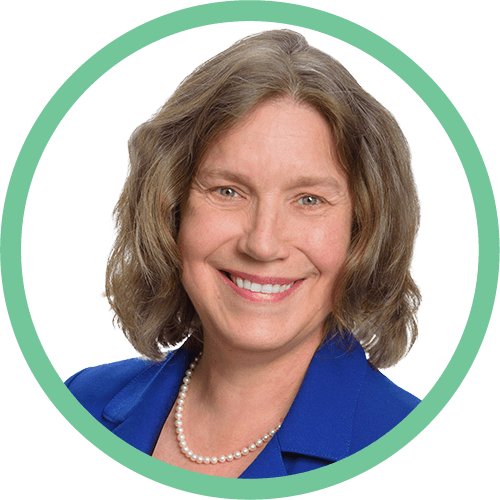
Reinilde Heyrman
Reinilde Heyrman has spent decades turning clinical uncertainty into decisions. Her method is neither grand nor theatrical: start with the science, plan for the detour, and make sure someone owns the next move.
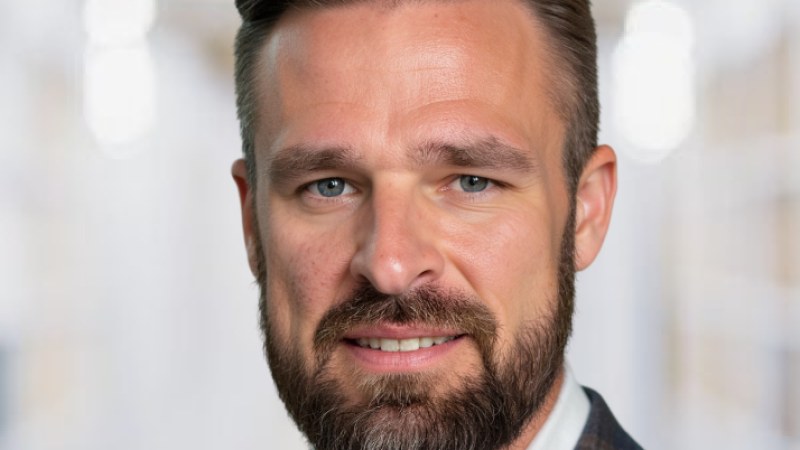
Tyler Payne
Tyler Payne is the founder and CEO of Vellum Health, an Austin-based company that sends clinicians to draw a line, hang an infusion, or run a blood transfusion at a patient's bedside in a skilled nursing facility or living room instead of an emergency room. He rolled up a set of regional vascular-access businesses, wrapped them in a single brand and an AI platform that reads a facility's EMR to find patients who need care, and closed a Series A in mid-2025 led by FCA Venture Partners. Before Vellum he helped build CVS Health's nationwide clinical-trial infrastructure and worked at Elligo Health Research and ePatientFinder. He holds a molecular biology degree from Colorado and an MBA from UT Austin's McCombs School.
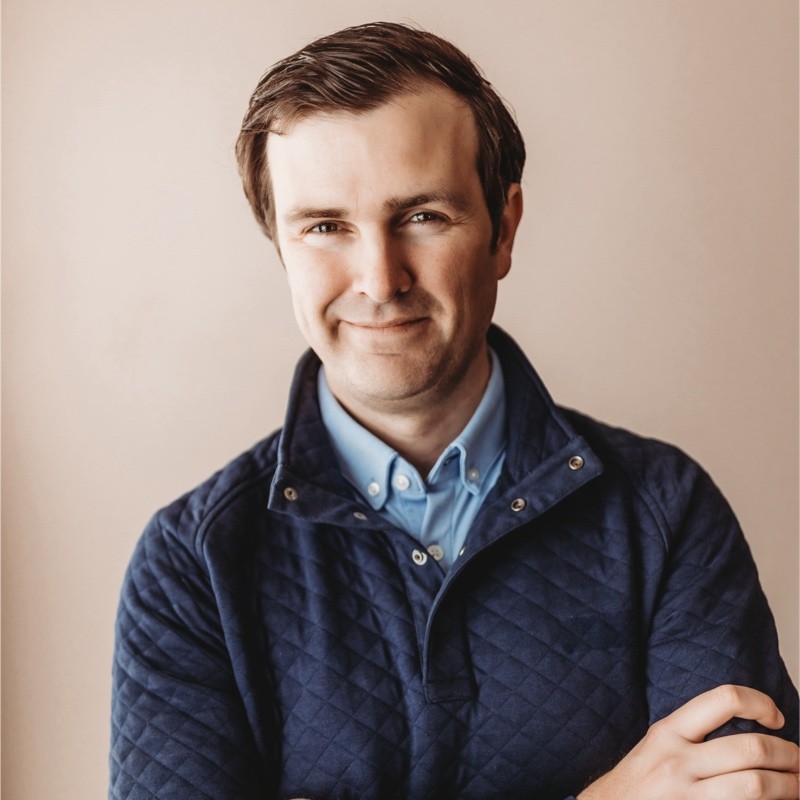
Zach Taft
Zach Taft is the CEO of IgniteData, a healthcare technology company whose Archer platform automates the transfer of clinical trial data straight from hospital electronic health records into pharma data-capture systems. Brought in by the founders in 2024, he has scaled the company from a handful of trial sites to a network spanning four continents and eight of the top ten U.S. cancer centers. Before IgniteData he helped drive the $1.1B acquisition of M*Modal by 3M, served as a 3M product leader, and ran digital innovation and ventures at Memorial Sloan Kettering, where he co-founded the Clinical Research Innovation Consortium. His obsession: cutting the weeks of manual data re-typing out of clinical trials so treatments reach patients faster.
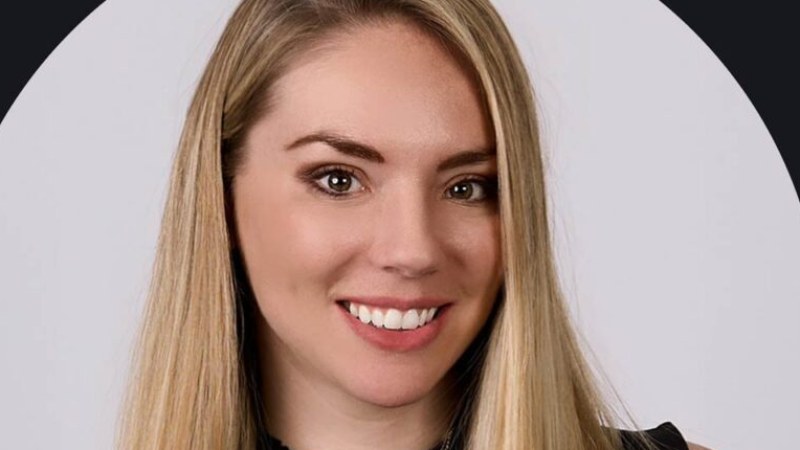
Eirini Schlosser
Eirini Schlosser is the founder and CEO of Dyania Health, a clinical research AI company building Synapsis AI, a natural language understanding platform that reads unstructured electronic medical records to pre-screen patients for clinical trials and automate chart abstraction. The only non-physician in a family of doctors, she spent childhood summers digitizing her father's patient records, then worked on more than $60 billion of deals at Morgan Stanley before leaving finance to build technology. She founded the NLP startup Chuz, then launched Dyania Health in 2019, raising $17.55M and earning a spot on Inc.'s 2025 Female Founders 500.
Steve Steinberg
Steve Steinberg is a San Diego nephrologist who helped grow Balboa Nephrology Medical Group from a tiny two-physician practice into the largest nephrology group in California, now spanning roughly 60 board-certified nephrologists, dozens of clinical offices and scores of dialysis clinics. As CEO-Medical Director he has steered Balboa toward value-based kidney care, where the group posts some of the strongest national outcomes in CMS and CMMI programs, while championing the idea that kidney patients should never feel alone in their care.
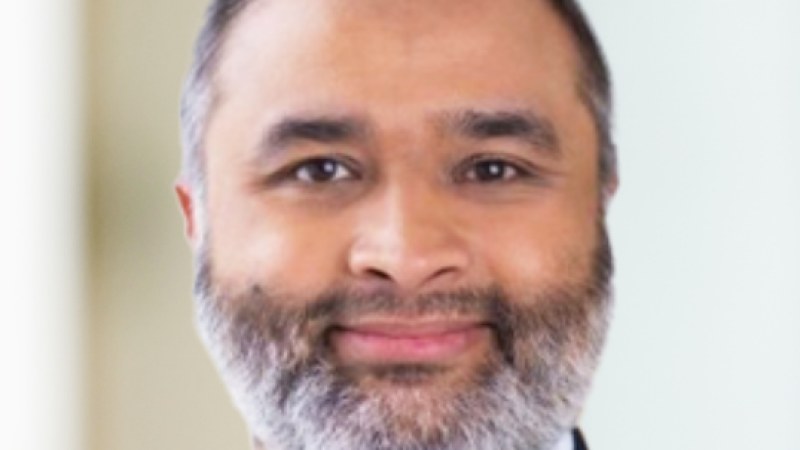
Ahsan Arozullah
Ahsan Arozullah, MD, MPH is Executive Vice President of Research and Development and Chief Medical Officer at TerSera Therapeutics, a Deerfield, Illinois specialty pharmaceutical company focused on oncology, CNS disorders and rare disease. A Northwestern-trained physician with a Harvard MPH, he spent over 15 years at Astellas, rising to Senior Vice President and Head of Oncology Development, where he helped validate claudin 18.2 as a cancer target through the pivotal SPOTLIGHT trial of zolbetuximab. He pairs two decades of clinical research with academic roots in health literacy at the University of Illinois and serves on the board of Darul Qasim College, working at the intersection of medicine and Islamic bioethics.
John Balian
John D. Balian, MD is a physician-turned-executive who co-founded ClinChoice, one of the world's larger full-service contract research organizations, and serves as its CEO, International. He spent years inside the FDA, then ran drug safety and regulatory operations at Pfizer, Bristol-Myers Squibb and Johnson & Johnson before building a global CRO spanning the US, Europe and Southeast Asia. He is also a published novelist whose debut, Gray Wolves and White Doves, draws on his Armenian heritage and the Armenian Genocide.
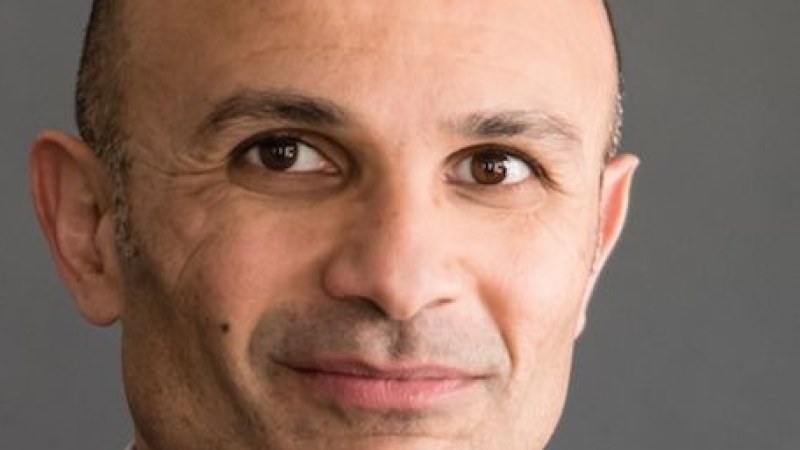
Vinay Mohta
Vinay Seth Mohta is the CEO and co-founder of Manifold, a vertical AI platform for life sciences that aims to make clinical research roughly 10 times faster and a tenth of the cost. An MIT-trained engineer who began at MathWorks and was an early team member at Endeca (acquired by Oracle) before co-founding and serving as CTO of Kyruus, Mohta started Manifold in 2016 as a pragmatic AI lab and has since rebuilt it into a product company tackling what he calls the 'Life Sciences Chasm.' He raised an $18M Series B in December 2025, bringing total funding to about $40M.
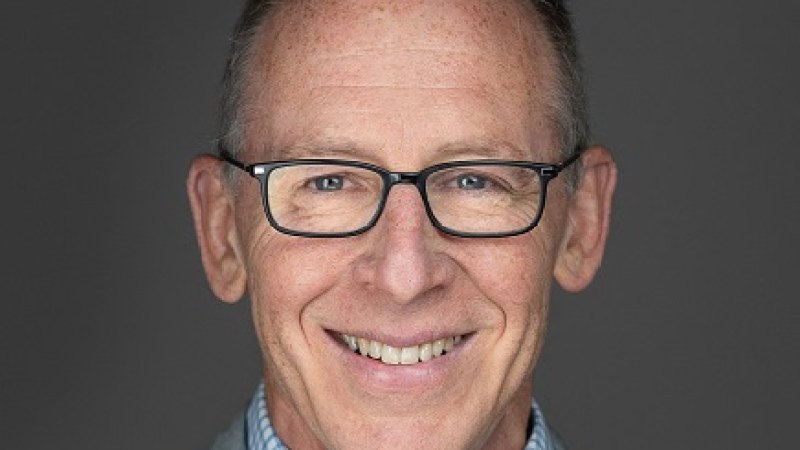
Josh Rose
Josh Rose is the CEO of Hawthorne Health, Inc. (formerly Hawthorne Effect), a Walnut Creek-based company building the largest community-based clinical trial site network in the U.S. A clinical research industry veteran with over 20 years of experience, Rose previously led decentralized clinical trial strategy at IQVIA and CVS Health before taking the helm at Hawthorne Health in early 2024. Under his leadership, Hawthorne has expanded to 75+ community locations, partnered with 40+ pharma sponsors, and pioneered a model that embeds certified clinical research staff inside independent pharmacies and patients' homes - bringing trials to communities that traditional research networks have long bypassed.
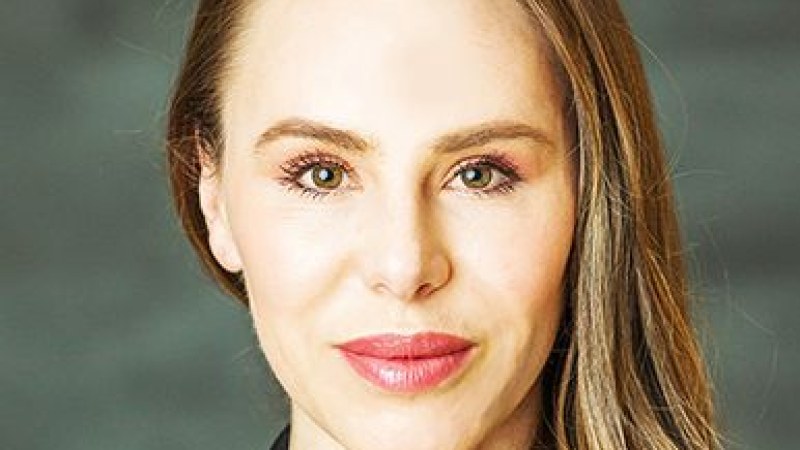
Michelle Longmire
Dr. Michelle Longmire is the co-founder and CEO of Medable, the leading platform for agentic AI in clinical development. A Stanford-trained physician-scientist who grew up in a Los Alamos nuclear-research family, she pivoted from dermatology to founding Medable in 2015 after hitting enrollment walls in her own clinical research. Under her leadership, Medable has raised over $500 million in venture capital, deployed its platform in roughly 400 trials across 70 countries in 120 languages, and served more than one million patients globally - transforming how the world runs clinical trials.
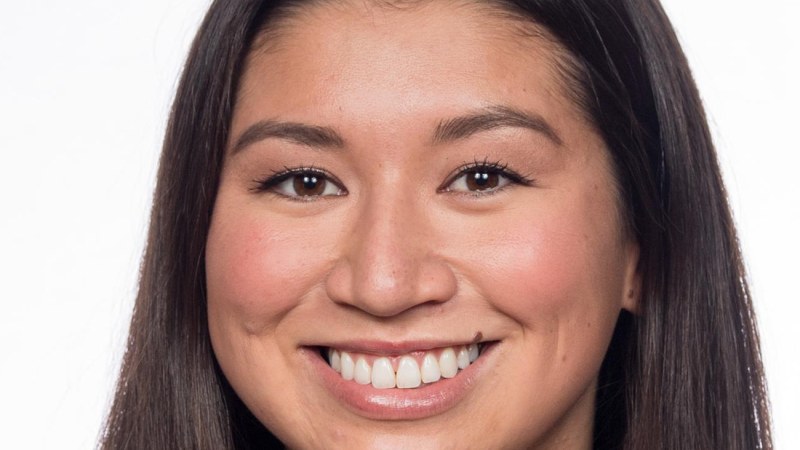
Lauren Green
Lauren Green is the Chief of Staff to the CEO and Head of Business Operations at Medeloop, a San Francisco-based AI clinical research platform that raised a $15.5M Series A in November 2024. A Stanford Management Science & Engineering graduate (Class of 2021) and former Division I swimmer who earned All-American honors, Lauren moved from PayPal's operations and engineering program management teams into the high-growth healthcare AI startup world, where she helps orchestrate strategy, business operations, and organizational development for a company rebuilding how medical research gets done.
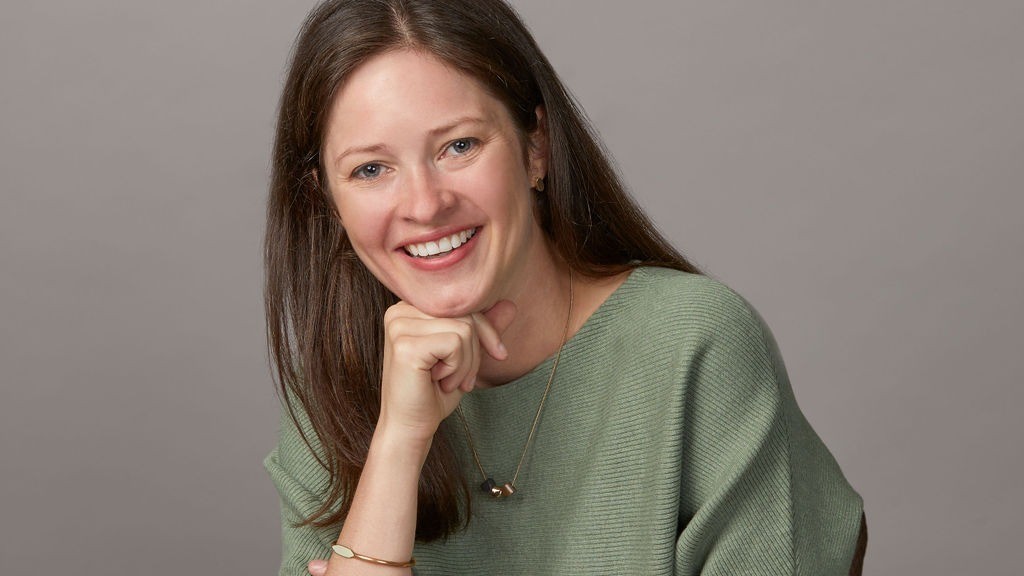
Leslie Wilberforce
Leslie Oley Wilberforce is the CEO of Evidation, a San Mateo-based digital health company that has built a 5-million-person platform where individuals share permissioned health data to power real-world clinical research. A mechanical engineer by training (BS Penn State, MS Stanford), she joined Evidation in 2015 and spent a decade building the company's enterprise technology platform and landmark partnerships with Johnson & Johnson, Apple, the Michael J. Fox Foundation, and the American Heart Association before becoming Evidation's first non-founder CEO in March 2025.
Mike Novotny
Mike Novotny is the founder and CEO of Medrio, a San Francisco-based eClinical SaaS company he started in his apartment in 2005. Over 15 years he bootstrapped Medrio into a nine-figure company that has helped customers win regulatory approvals for more than 100 treatments. After a sabbatical researching organizational development, he returned as CEO in 2025, betting that AI will reshape clinical trial data management. Before Medrio, he was CEO of Telosa, President of Ninaza, a UN research associate, and managed the fraud database at Visa. He holds degrees from Stanford, PUC Chile, and Columbia.
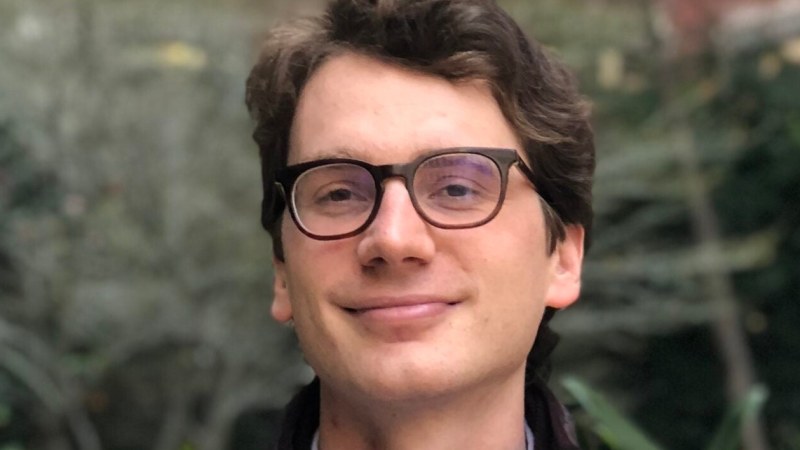
Tom Lemberg
Tom Lemberg is the Founder & CEO of Curebase, a San Francisco-based decentralized clinical trial platform that has enrolled over 60,000 patients across 60+ studies. A Harvard-trained computer scientist and molecular biologist, Lemberg built Curebase from his couch in 2017, joined Y Combinator in 2018, and raised $59M to transform how clinical trials work - letting patients participate from home and bringing their own doctors into the research process. Named to Forbes 30 Under 30 in 2022, he's on a mission to make clinical trials accessible to any patient, anywhere.