biologics
(14)
Deborah Bitterfield Is Taking the Water Out of Biologics - and the Waiting Room Out of the Day
A Duke materials scientist turned one stubborn laboratory technique into a biotech company, a Novartis collaboration, and a practical lesson in building around the minutes people want back.
Brian Finrow’s Second Draft of Biotech Starts With Spirulina
A corporate lawyer walked into a spirulina lab and stayed. At Lumen Bioscience, Brian Finrow is testing whether cheaper manufacturing can change not only how biologic drugs are made, but which problems the industry chooses to solve.
Jason Gardner
Jason Gardner is the CEO of Ampersand Biomedicines and a CEO-Partner at Flagship Pioneering, where he leads a Boston-area biotech programming biologic medicines that act only at the site of disease. A Cambridge- and Oxford-trained scientist turned operator, he previously co-founded and ran Magenta Therapeutics through its IPO and spent years building GSK's Regenerative Medicine Unit. He is betting that the next generation of drugs will not just be potent but precise - going exactly where they are needed and nowhere else.
Adam Freund
Adam Freund is the founder and CEO of Arda Therapeutics, a San Carlos biotech built on a simple, contrarian bet: many chronic diseases are caused by specific cells gone wrong, so the cure is to find and delete those cells while leaving healthy tissue intact. A molecular biologist with a Berkeley PhD and a Stanford postdoc, he spent seven years at Google-backed Calico Life Sciences, where he helped grow the company from roughly 15 to 200-plus people and started its most advanced anti-aging therapeutic program. In late 2021 he left to start Arda as a solo founder with a deck and a thesis, and by October 2024 had raised a $43M Series A led by a16z Bio + Health. His tools are single-cell sequencing to map disease cell-by-cell and antibodies to do the deleting.
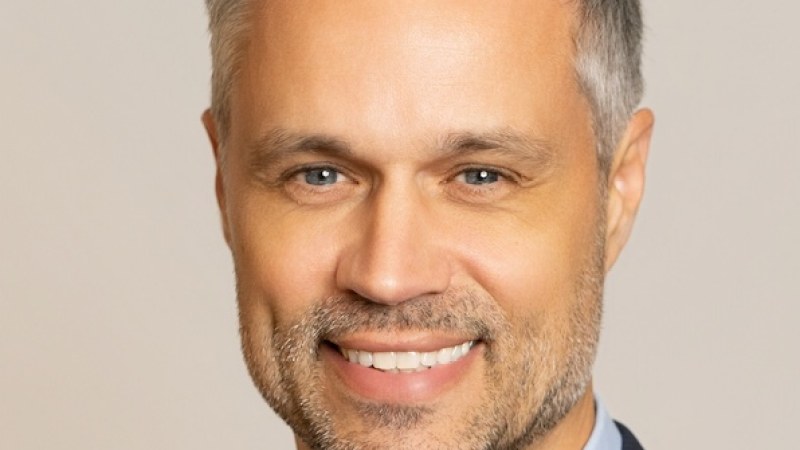
Errik Anderson
Errik Anderson is the founder and CEO of Alloy Therapeutics, a Lexington, Massachusetts biotech he built around a single idea: stop selling drugs and start selling access to the tools that make them. A bioengineer and serial entrepreneur, he has founded or co-founded seven venture-backed biotech companies - Adimab, Alloy, Compass Therapeutics, Alector, Arsanis, and Avitide among them - whose technologies have helped discover more than 90 therapeutic antibodies now approved or in FDA review. Alloy reinvests 100% of its revenue into science and, by design, can never be sold. Outside the lab, Anderson co-owns the New England Free Jacks pro rugby team and has chaired Major League Rugby's Board of Governors.
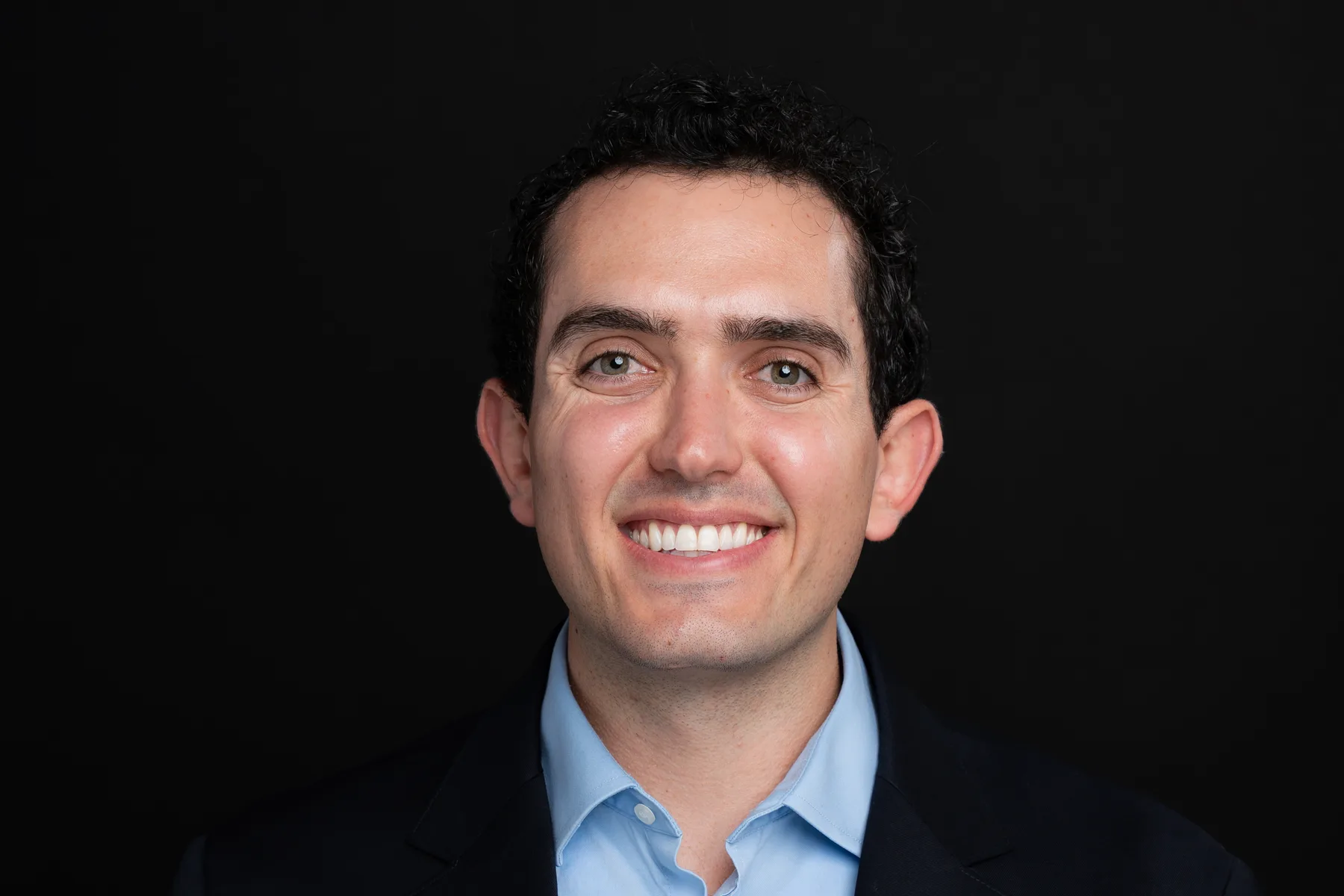
Russell Beckerman
Russell Beckerman is a biotech entrepreneur and Co-Founder & CEO of Overture Therapeutics, a Cambridge-based company engineering precision antibody medicines targeting obesity and metabolic dysfunction. He previously co-founded 82VS, a venture studio embedded within Alloy Therapeutics that has launched nine drug companies since 2020. His work sits at the intersection of cutting-edge antibody biology, company creation, and the conviction that the next generation of obesity drugs will be antibodies - not peptides.
Shawn Manchester
Shawn Manchester is the CEO of Triplebar, an Emeryville-and-Oakland based biotech building generative AI 'genome language models' paired with ultra-high-throughput phenotypic screening to slash the cost of biologic therapeutics and food proteins. A chemical engineer by training (BS Brown, PhD MIT), he was the lead scientist in the first AI-versus-human strain engineering contest at Zymergen before joining Triplebar in 2021, where he rose from VP of Product to COO to CEO in March 2025.
Vincent Ling
Vincent Ling is the Chief Business Officer of Morphocell Technologies, a Laval-based regenerative medicine company building iPSC-derived engineered tissues to treat severe organ dysfunction, starting with liver disease. A biotech and pharma veteran of three decades, he spent 12 years at Takeda's Center for External Innovation, where he identified and backed the Kariko-Weissman mRNA platform out of the University of Pennsylvania - the science that became the first COVID mRNA vaccines and earned the 2023 Nobel Prize. He has held leadership roles at Genetics Institute, Adnexus Therapeutics, and Neurotech Pharmaceuticals, and advises the Gates Foundation and academic institutions.
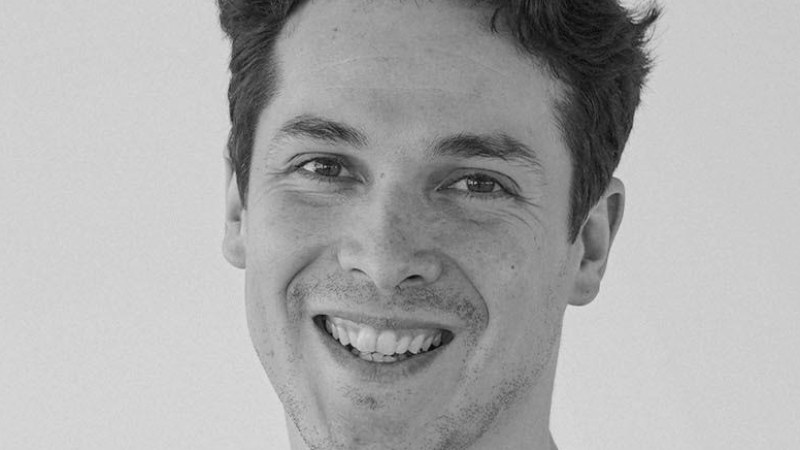
Yuyo Llamazares Vegh
Yuyo Llamazares Vegh is the CEO and Co-Founder of Stämm, a San Francisco-based biotech company reinventing biomanufacturing through miniaturized 3D-printed microfluidic bioreactors. A native of Argentina with a background in agricultural engineering and bioprocesses from the University of Buenos Aires, Yuyo co-founded Stämm in 2016 alongside his cousin Federico D'Alvia Vegh after spotting a fundamental gap between biology's potential and the outdated tools available to harness it. Stämm's platform - desktop-sized, modular, and scalable - is designed to make the production of biologics, cell therapies, and gene therapies accessible and repeatable at any scale. The company has raised over $17 million including a Series A led by Varana Capital with participation from Draper Associates and SOSV's IndieBio, and has attracted former Merck KGaA CEO Stefan Oschmann to its board. Yuyo was selected as an Endeavor Entrepreneur in 2023.
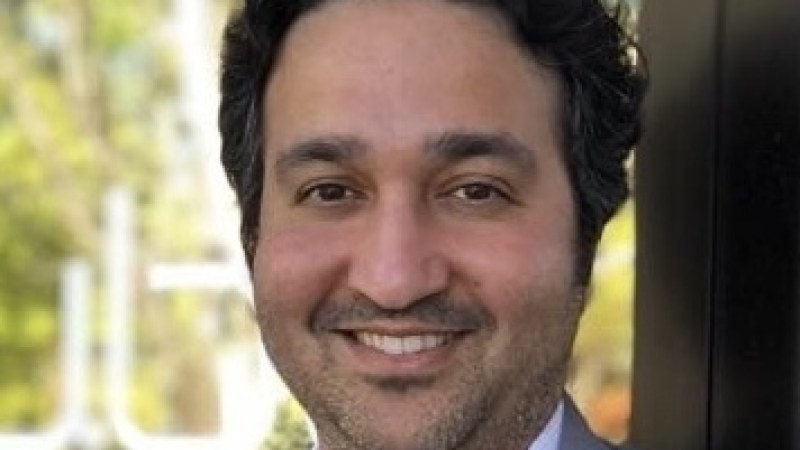
Talat Imran
Talat Imran is the CEO of Rani Therapeutics, a clinical-stage biotech company pioneering the RaniPill - a swallowable capsule that delivers injectable biologics painlessly through the intestinal wall. Son of prolific medical device inventor Mir Imran, Talat leads a company racing to replace needles with a pill, with applications spanning obesity, immunology, and rare disease. A computer scientist turned venture capitalist turned biotech CEO, he brings an unusual tech-meets-biology perspective to one of pharma's thorniest unsolved problems.
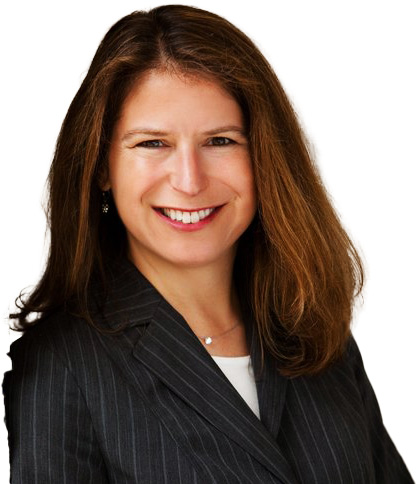
Jennifer Cygan
Jennifer Cygan is a seasoned biotech executive and Chief Business Officer at EpiBiologics, where she helps advance a pipeline of novel bispecific antibodies designed to selectively degrade extracellular protein targets in oncology and immunology. With a Ph.D. from Harvard and over two decades of business leadership in biotechnology, she has been a pivotal force at Genentech, Calico Life Sciences (managing a $2.5B AbbVie alliance), and has co-founded and served as CBO for multiple emerging biotech companies including Broadwing Bio, Eikon Therapeutics, GenEdit, and Plexium. Her career sits at the intersection of science and strategy - translating cutting-edge biology into deals, partnerships, and companies that matter.
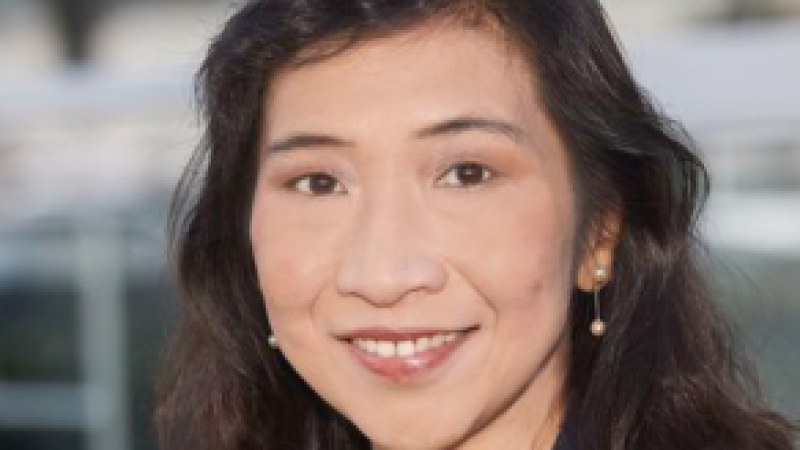
Judy Chou
Dr. Judy Chou is the President, CEO, and Board Member of AltruBio Inc., a clinical-stage biotech company in San Francisco pioneering a first-in-class immune checkpoint enhancer platform targeting PSGL-1/CD162 to treat autoimmune diseases. With over 25 years of experience spanning Bayer Pharmaceuticals, Pfizer, Genentech, and Wyeth, she led AltruBio through a landmark $225M Series B financing in 2024 and is advancing lead candidate ALTB-268 through Phase 2 trials for ulcerative colitis. Recognized as one of Endpoints News' Top 20 Women in Biopharma (2025) and a Most Influential Women in Business honoree (San Francisco Business Times, 2018), she holds a Ph.D. from Yale University and conducted post-doctoral training at the Max-Planck Institute in Germany.
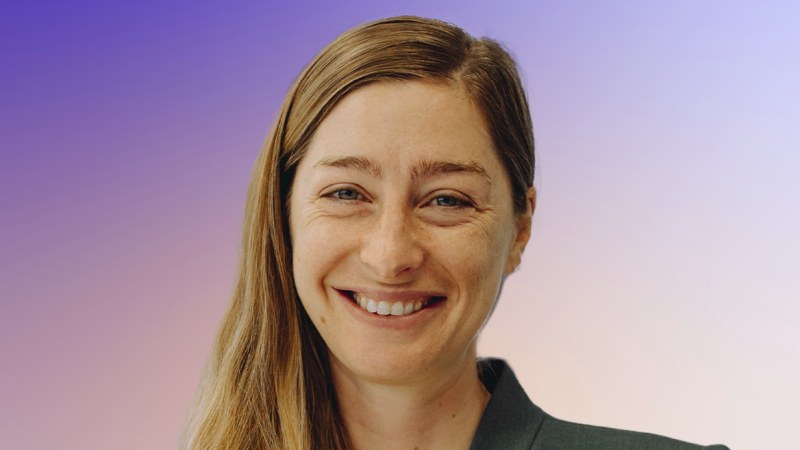
Peyton Greenside
Peyton Greenside is the CEO and co-founder of BigHat Biosciences, a San Mateo-based biotech company she co-founded in 2019 with Mark DePristo. A pioneer of deep learning applied to life science, Greenside combined a PhD in Biomedical Informatics from Stanford, an MPhil from Cambridge, and a BA in Applied Math from Harvard into a singular mission: use machine learning and synthetic biology to design safer, more effective antibody therapeutics faster than anyone thought possible. BigHat's Milliner platform generates thousands of unique antibody designs per week, and the company has raised $174M in total funding with pharma partnerships spanning Amgen, Merck, AbbVie, Johnson & Johnson, and Eli Lilly.
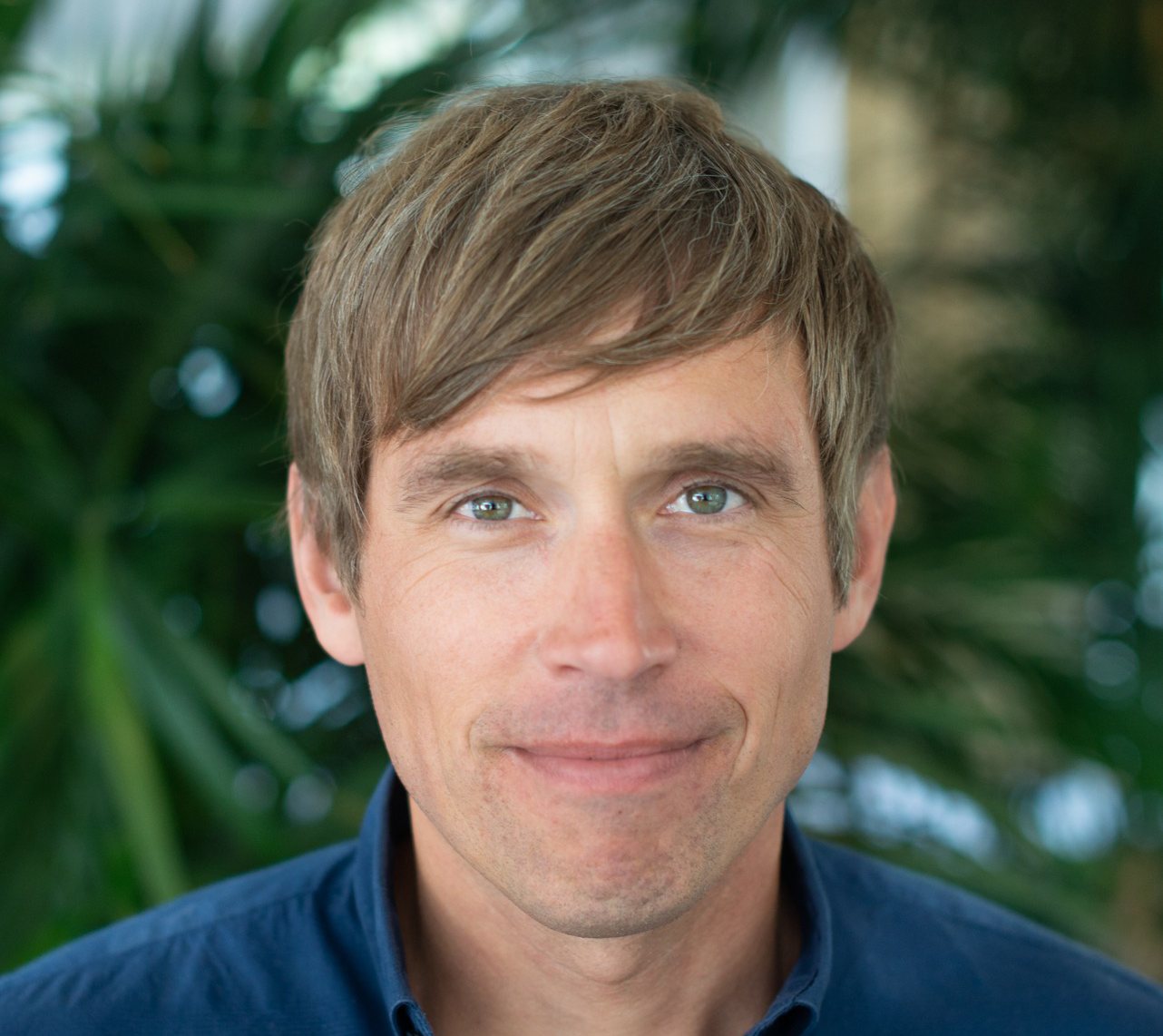
Tero-Pekka Alastalo
Tero-Pekka Alastalo is a Finnish-born physician-scientist turned serial entrepreneur who trained as a pediatric cardiologist, completed his postdoctoral work at Stanford University School of Medicine, and has spent the last 15 years building life science companies in Silicon Valley. He co-founded Blueprint Genetics in 2012 - a clinical genetic testing company later acquired by Quest Diagnostics in 2020 - before launching Avenue Biosciences in 2023, a transatlantic AI-powered protein engineering company that uses signal peptide libraries and machine learning to unlock the secretory pathway and dramatically boost therapeutic protein yields. Based in Menlo Park, California, Alastalo is turning a fundamental cellular mechanism overlooked by the industry into a platform that could accelerate every class of next-generation biologic.