animal-health
(24)
Breedr wants every cow to travel with its résumé
A better steak begins long before the butcher. Breedr connects cattle records, genetics and trading so the people raising an animal can learn what happened after it left their ranch.
AGDATA LP: The money is in the messy data
A seed sale can travel through several businesses before anyone agrees what happened. AGDATA turns that confusion into cleaner records, clearer markets and rebates that reach the right hands.

The Waiting Room Was the First Diagnosis
Small Door tried to fix veterinary medicine by fixing the hour around it - the wait, the uncertainty, the mystery bill. Then it merged with a rival large enough to test whether intimacy can survive scale.
The Puppy, the Microchip, and the Policy Shop Watching 2,500 Bills
A lawyer solved a pet-microchip fight and discovered an industry hiding in plain sight. Today his 12-person firm works the unglamorous machinery behind veterinary schools, telemedicine rules, and ballot-box change.
The ER Vet Who Turned a Paper Treatment Sheet Into Veterinary Medicine's Operating System
Instinct Science started with one emergency veterinarian's annoyance at paper treatment sheets. Nine years, two acquisitions, and more than 360,000 veterinary users later, it is attempting something larger: turning the medical record from a filing cabinet into a clinical co-pilot.
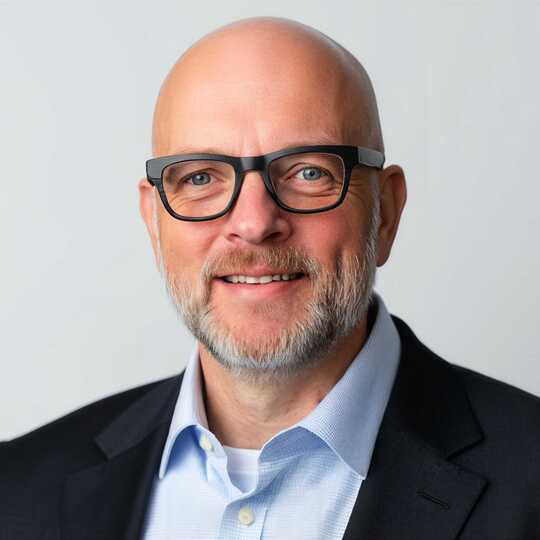
Jeremy Gowler Is Building for the Minutes Before Medicine Arrives
After two decades commercializing vaccines and biopharmaceuticals, the Ophirex CEO is applying an operator’s eye to a stubborn logistical gap: what can happen between a snakebite and the hospital.
Petcurean Built a $44 Million Pet-Food Business by Treating Kibble Like a Portfolio
The Canadian company does not sell one universal answer to the pet-food aisle. It sells four sharply drawn promises - then makes nutritionists, distributors and recyclable bags carry the weight.
The $185 Million Bet That Spirulina Can Make Biologic Drugs Cheap Enough to Swallow
Lumen survived a biofuel bust and a pigment-price collapse by turning stubborn green microbes into miniature drug factories. Now its oral biologics face the test that matters: whether an elegant manufacturing trick can survive large clinical trials and the economics of medicine.

The Pig-Breeding Startup That Found Its Real Product in the ‘Holy Grail’ of Fertility
Verility began by putting semen analysis on a phone. Then a 400-sow field study pointed it toward a harder, more lucrative question: not whether to breed, but exactly when.
Nestlé Purina North America
Purina turned a checkerboard feed business into a pet-care system that reaches the grocery aisle, the veterinary clinic and the modern home. Its advantage is less one famous bag than a century of science, factories and brands built for almost every bowl.
Merck
KEYTRUDA made Merck an oncology powerhouse. Now the 135-year-old drugmaker is spending, partnering and inventing its way toward a future that cannot depend on one medicine.
Vetnio
Vetnio is a Swedish AI copilot that automates the paperwork of veterinary medicine. It listens to consultations between vets and pet owners, writes structured clinical notes, drafts client communications, and offers science-backed diagnostic prompts - giving clinicians back roughly two hours a day. Founded in 2024 by longtime friends Arman Karegar and Max Henry Xie, it is one of the few European veterinary companies backed by Y Combinator (W25).
Digitail
Digitail is a cloud-based, AI-native operating system for veterinary clinics. It unifies scheduling, medical records, invoicing, inventory, and client communication in one platform, and layers on a fleet of AI agents - branded Tails AI - that automate SOAP notes, patient summaries, intake, and treatment planning. Paired with a Pet Parent app, Digitail says it saves clinics 50+ hours of admin a month. Founded in 2018 by Sebastian Gabor and Ruxandra Pui and now headquartered in Austin, it supports over 10,000 veterinarians and 3 million pet parents, and raised a $23M Series B led by Five Elms Capital in November 2025.
Encore Vet Group
Encore Vet Group is a Saratoga Springs, New York-based community of veterinary hospitals founded in 2018 by Ted Sprinkle, DVM, Lance Sprinkle, and Bo Iler. Rather than running a top-down corporate chain, Encore acquires established community and legacy veterinary practices and then hands the day-to-day medicine and culture back to the local teams while layering on business support, leadership training, and mental-health resources. Backed by private-equity firm North Castle Partners, the group has grown to roughly 60 hospitals and around 1,900-2,200 team members, and it operates education platforms like Encore Performance Academy and the MentorCore virtual mentorship program for new graduates.
Tiba Biotech
Tiba Biotech is a Cambridge, Massachusetts preclinical biotech spun out of MIT and the Whitehead Institute that is building a new generation of RNA vaccines and therapeutics. Its RNABL platform swaps the fragile lipid nanoparticles behind first-generation mRNA shots for fully synthetic, biodegradable dendrimer nanoparticles that carry larger RNA payloads with less toxicity and gentler cold-chain demands. The company is applying the technology across human vaccines, cancer immunotherapy, gene editing delivery, and animal health, backed by CEPI, BARDA, the NIH, and the NCI.
ArkeaBio
ArkeaBio is a Boston climate-biotech company building the first vaccine that cuts methane emissions from cattle. The shot trains a cow's immune system to produce antibodies that travel to the rumen and suppress methanogens - the microbes that turn digestion into greenhouse gas. Livestock methane accounts for roughly 6% of global emissions, and ArkeaBio's pitch is blunt: a vaccine is the lowest-cost, most scalable way to attack that number. Backed by Breakthrough Energy Ventures and a roster of climate and ag investors, the company is moving from animal studies into full field trials, targeting a 20% methane reduction and a first product in market around 2028.
Alexander Kates
Alexander Kates is the cofounder and CEO of Vetcove, the free ordering platform that lets veterinary practices, zoos, aquariums and animal welfare groups shop every supplier at once - think Kayak, but for the stuff that keeps animals healthy. He built it with his brother Mitch after watching the inventory manager at their father's equine veterinary practice juggle 30-40 vendor tabs by hand. Before veterinary supply chains, Kates was a digital strategist who advised Fortune 500 companies, taught executives on four continents, and co-wrote a bestselling marketing textbook. Vetcove now employs hundreds and serves a large slice of US veterinary hospitals.

Christina Lopes
Christina Lopes is the CEO and co-founder of The One Health Company, the maker of FidoCure, the first human-grade precision cancer treatment platform for dogs. A former managing director at the $30B private equity firm Cerberus Capital, she left high finance to build a company that sequences canine tumors, matches them with targeted therapies, and feeds the resulting clinico-genomic data back into the fight against human cancer. Born in Brazil and raised across the US and Ireland, she has been named a World Economic Forum Young Global Leader and an Inc. Top 100 Female Founder.
Mixlab
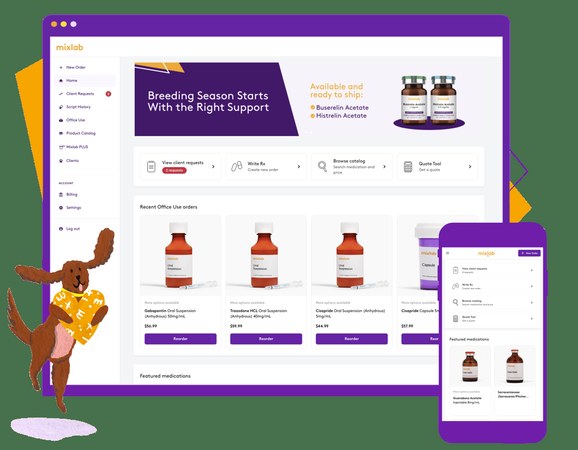
Mixlab is a modern veterinary compounding pharmacy that pairs a digital prescribing platform with custom-made, flavored pet medications delivered to the home. Founded in 2017 in New York, it lets veterinarians write and approve prescriptions in seconds while pet owners skip the clinic pickup and the spit-out pill. Mixlab compounds species-specific formulations for dogs, cats, horses, exotics and zoo animals, and in 2026 introduced Maisy, an AI health partner built on its first-party pharmacy data.
One Health Company (FidoCure)
One Health Company, known to vets and pet parents as FidoCure, brings human-grade precision oncology to dogs. It sequences canine tumors, pinpoints cancer-driving mutations, and uses an AI engine (Fetch) trained on the world's largest structured canine cancer dataset to recommend targeted, FDA-approved therapies. Because dog and human cancers share genetics, the company is also building a comparative-oncology data asset that could accelerate cancer drug development for both species.
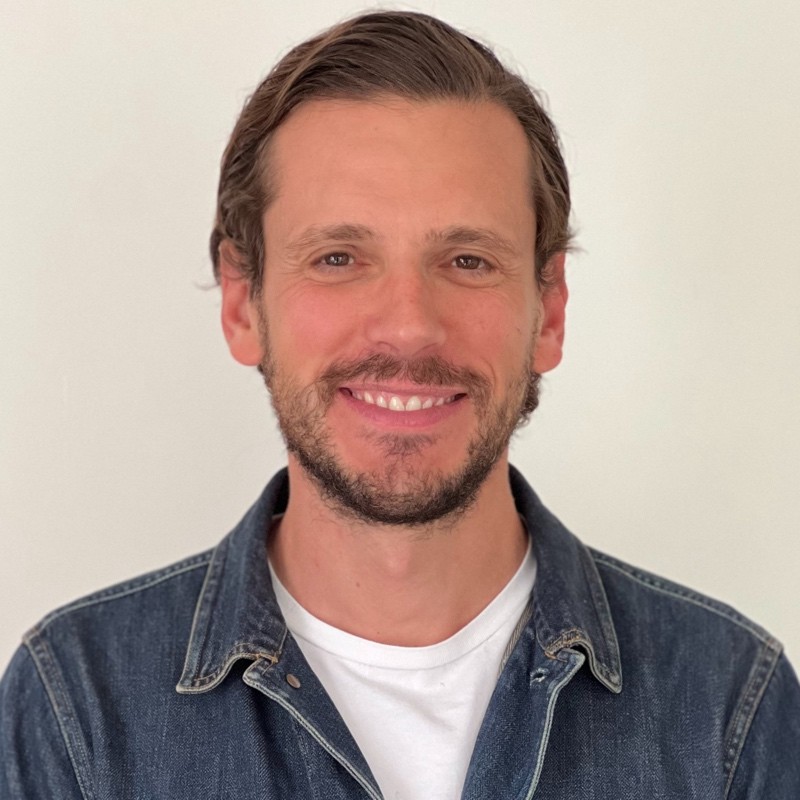
Frederic Dijols
Frederic Dijols is the co-founder and CEO of Mixlab, a veterinary-exclusive pet pharmacy that compounds custom medications and delivers them fast and free to pet parents and the vets who prescribe them. A French-trained engineer with degrees from Ecole Polytechnique, Stanford, and Harvard Business School, he traded a healthcare-banking seat at J.P. Morgan for a pharmacy floor after a miserable experience getting meds for his aging pug, Bob. Since 2017 he has raised roughly $46.5M and built Mixlab into a multi-state operation pairing pharmacist-grade compounding with consumer-grade delight.
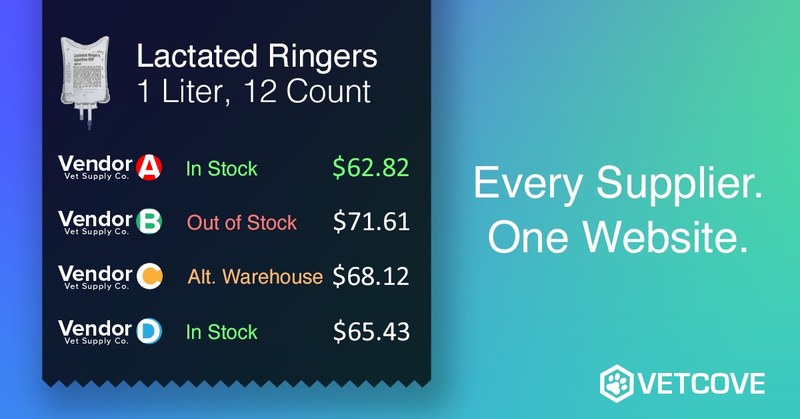
Vetcove
Vetcove is the veterinary industry's unified purchasing platform. It aggregates the catalogs of every major distributor, manufacturer, compounding pharmacy, and diagnostic lab into one searchable storefront, so veterinary practices can compare real-time pricing and stock across all their vendors and order from everyone in one cart. The platform is free for clinics and nonprofits; Vetcove earns revenue from vendors and hospital groups. It serves more than 23,000 veterinary practices across the United States.
Loyal
Loyal is a San Francisco clinical-stage veterinary biotech developing the first FDA-track drugs designed to extend the healthy lifespan of dogs. Its lead candidate, LOY-002, is a beef-flavored daily pill for senior dogs that targets metabolic dysfunction in aging. In 2023 it became the first company to receive an FDA acceptance that a drug can be developed to extend lifespan itself - in any species.
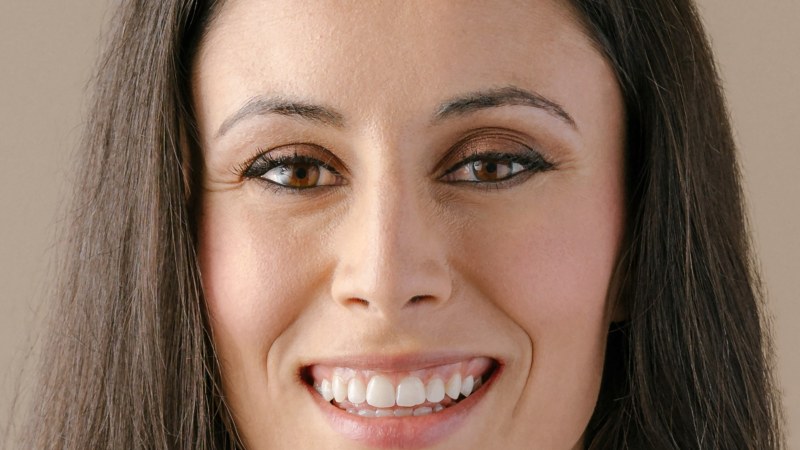
Celine Halioua
Celine Halioua is the founder and CEO of Loyal, a San Francisco biotech company developing the first FDA-approved drug for lifespan extension - starting with dogs. Born in Austin, Texas to a Moroccan mother and German father, she studied neuroscience at UT Austin and nanotechnology at Uppsala University before pursuing a DPhil at Oxford on the health economics of gene therapy. She left Oxford to join Laura Deming's Longevity Fund as Chief of Staff, then founded Loyal in 2019 at age 24. With $250M+ in total funding and the largest clinical trial ever conducted in animal health (1,300+ dogs across 70+ clinics), Loyal's lead drug LOY-002 has cleared FDA safety and efficacy hurdles - putting it on track to become the first longevity drug ever approved for any species.