ai-research
(19)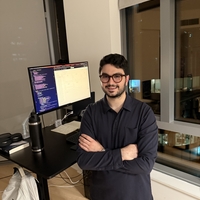
Saner Cakir Is Hiring for the Age of the Coding Agent
The Outship co-founder has moved from robot learning at Berkeley to a thornier question in San Francisco: how do you recognize a strong engineer when everyone can ask an AI to write code?
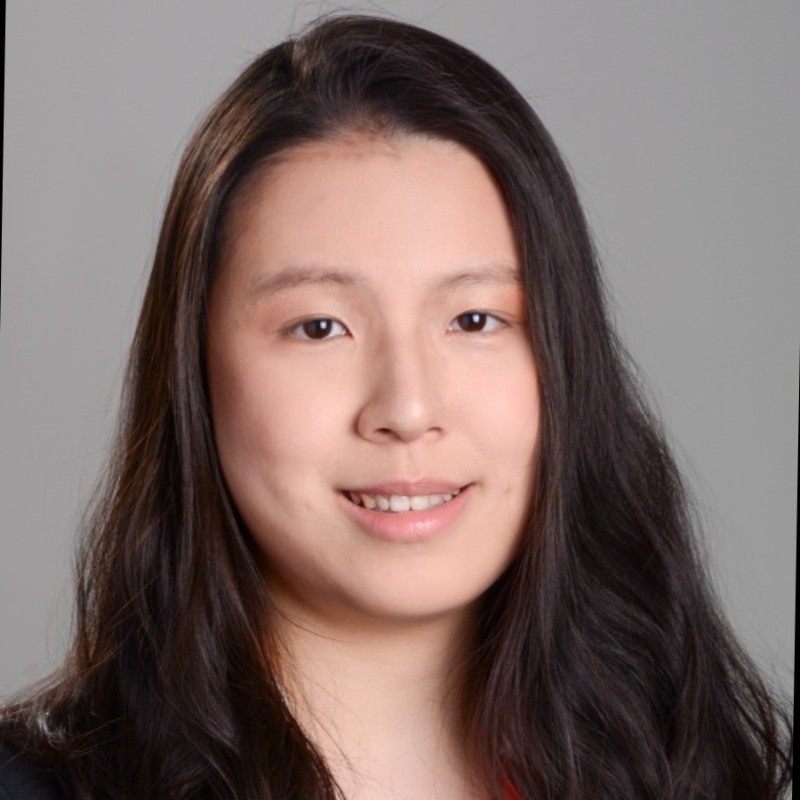
Cathleen Kuo Is Teaching Machines to Listen Before Hospitals Speak
A Taiwan-born physician with more than 200 research publications left the expected path to build Opalite Health. Her wager is simple: in a room full of medical technology, the most important tool may be the one that helps two people understand each other.

Dillon Mehta’s Startup Clock Runs in Weeks, Not Years
At 17, Dillon Mehta went from an AI workshop poster to a late Y Combinator application, a flight to San Francisco and a live MVP in three weeks. The company name has already changed; the pace has not.
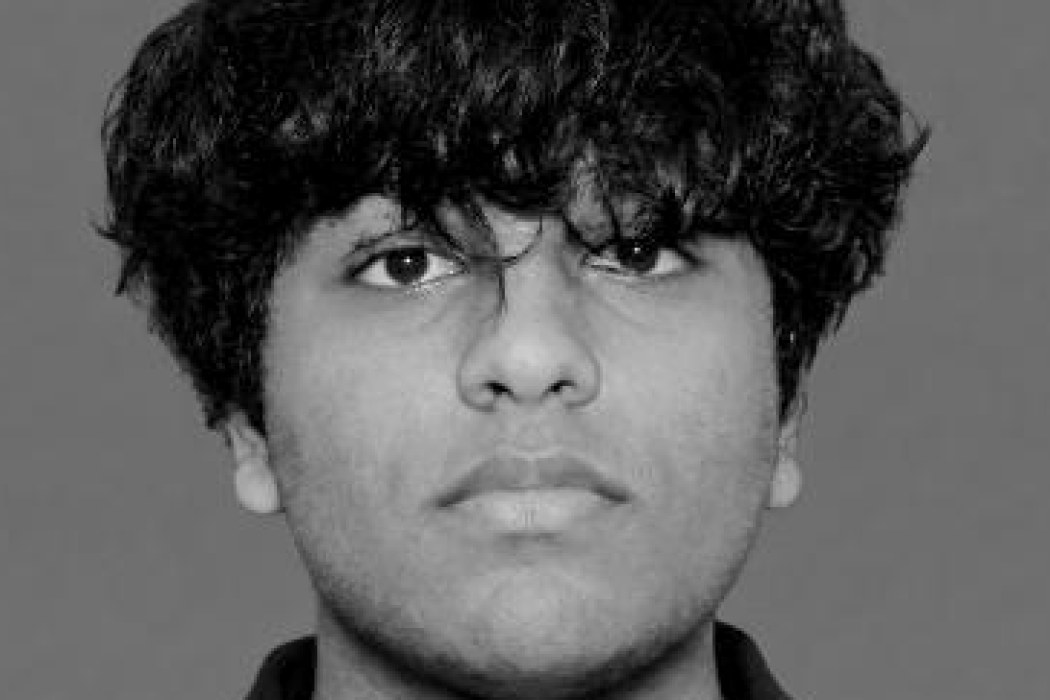
Aayam Bansal
Aayam Bansal is the 18-year-old co-founder and CEO of Synthetic Sciences (YC W26), a company building AI co-scientists that run the full research loop - literature, hypotheses, experiments, and paper drafts. Before college he had already patented and sold an AI orthopaedic device and built COVID-19 helpline infrastructure serving tens of thousands of Indians daily. He met co-founder Ishaan Gangwani doing machine learning research at NUS, CMU, and MIT CSAIL, publishing at venues like NeurIPS, ICML, ICLR, AAAI, and CVPR. After a paper rejection convinced them the research process itself was broken, the pair raised roughly $1.5M and dropped out before their first college semester to fix it.
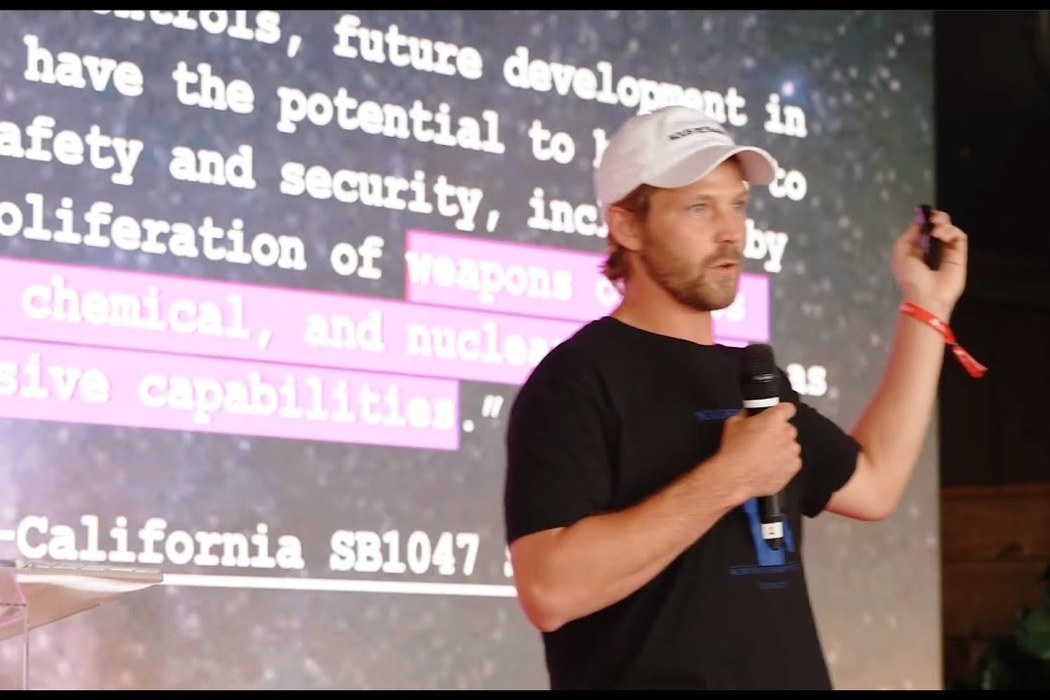
Dillon Rolnick
Dillon Rolnick is the chief executive of Nous Research, an applied AI lab building open-source, human-centric language models and the decentralized Psyche training network. A Vanderbilt graduate who came up through quantitative FX trading at Effex Capital and founded the litigation-claims firm Crysknife Capital, he moved from finance into AI research leadership, helping steer Nous through a Paradigm-led $50M Series A and, by 2026, a reported $75M round near a $1.5B valuation. His focus is proving that world-class models can be trained openly and over the internet rather than behind the walls of a few large labs.
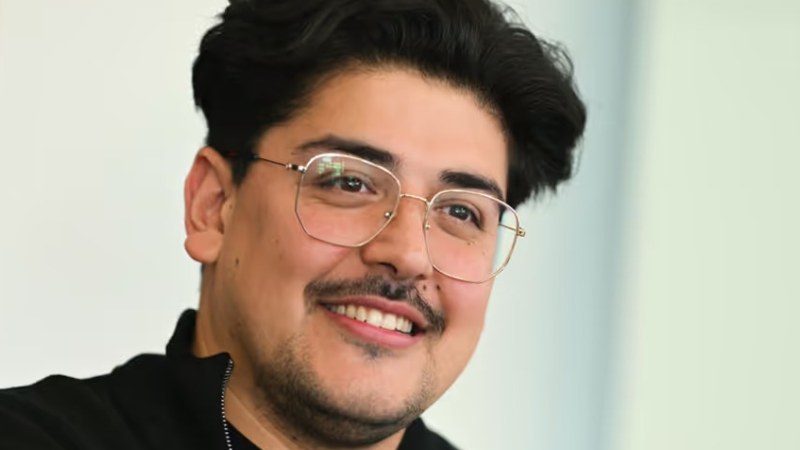
Ramin Hasani
Ramin Hasani is the co-founder and CEO of Liquid AI, the MIT CSAIL spin-off building Liquid Foundation Models (LFMs) - a family of general-purpose AI systems descended from his work on liquid neural networks. Inspired by the 302-neuron nervous system of the C. elegans worm, his continuous-time architectures adapt after training and run efficiently on edge hardware. Liquid AI raised a $250M Series A led by AMD in December 2024 at a $2.35B valuation.
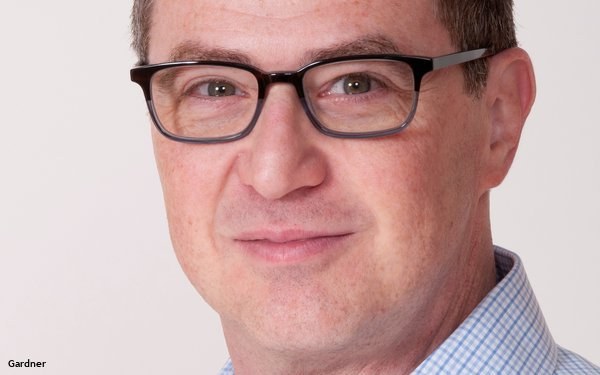
Jonathan Gardner
Jonathan Gardner is the founding CEO of Harris Quest, the AI-powered research and brand-management platform built by The Harris Poll and Stagwell's The Marketing Cloud. Appointed in December 2025, he brings more than 30 years in market research and polling, including nearly a decade as Chief Operating Officer of The Harris Poll and senior operating roles at Penn Schoen Berland, Subject Matter, and The Marketing Cloud. He began his career writing in the Clinton White House speechwriting office, and now translates decades of client-side research craft into software.
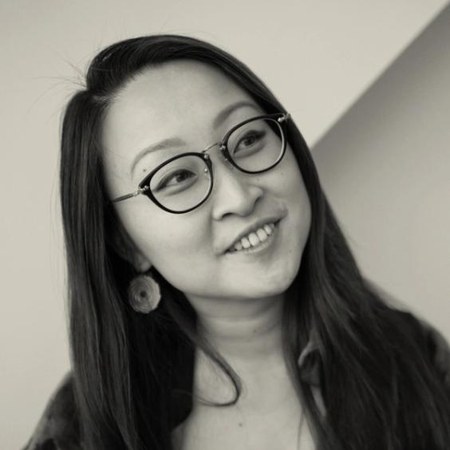
Kanjun Qiu
Kanjun Qiu is the co-founder and CEO of Imbue, a San Francisco AI research lab building agents that reason and code while keeping humans at the helm. A CS grad from MIT who once funded her studies writing high-frequency trading algorithms, she was Dropbox's first chief of staff, co-founded the ML recruiting startup Sourceress, and now runs a lab that raised over $200M (Series B, backers including Nvidia) at a valuation north of $1 billion. She's also a general partner at Outset Capital, a Sequoia Scout, and co-author of Sew Electric, a book that teaches kids computer science through sewing.
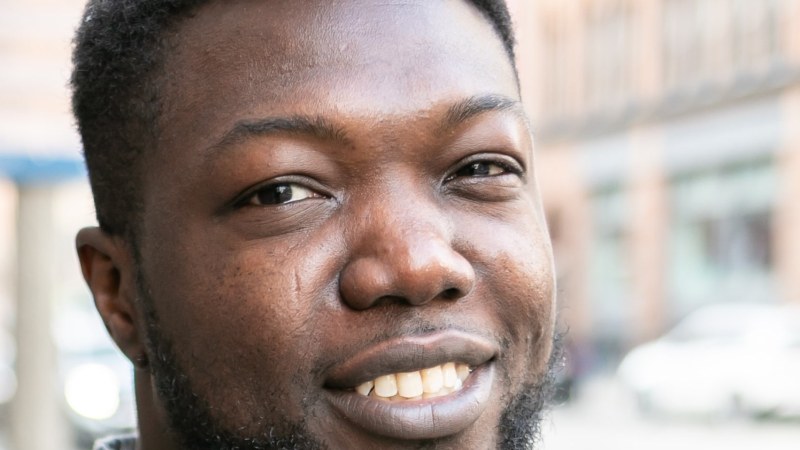
Julius Adebayo
Julius Adebayo is the co-founder and CEO of Guide Labs, a San Francisco startup building inherently interpretable foundation models. An MIT-trained computer scientist whose 2018 NeurIPS paper showed that popular deep-learning explanations were not reliable, Adebayo now leads a team shipping Steerling-8B, an open-source 8-billion parameter LLM whose every token can be traced back to its training data.
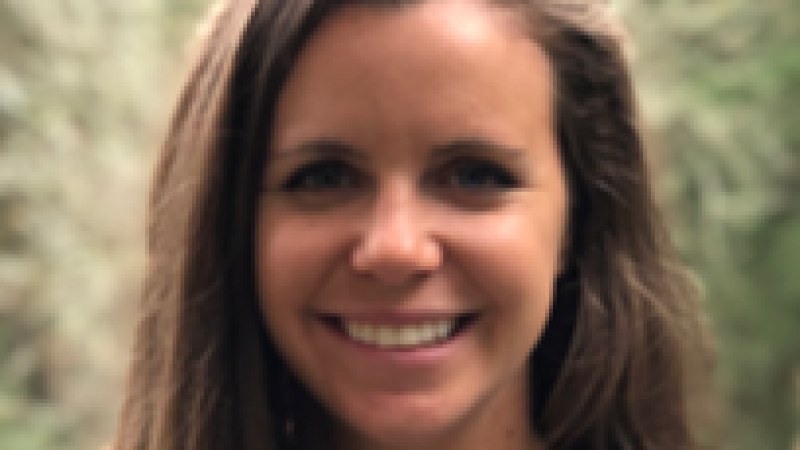
Lindsey Allard
Lindsey Allard is the co-founder and CEO of PlaybookUX, a video-based user research platform she launched in 2018 to make customer feedback fast, affordable, and accessible to anyone from a solo freelancer to a Fortune 500 team like Google. A former Division I lacrosse player at Dartmouth and a graduate of the first Quantic MBA class, she ran product at three startups before building PlaybookUX with her college teammate Kristen Giovanniello. The company is bootstrapped, profitable within its first year, and reached roughly $1.8M in annual revenue without spending a dollar on advertising.
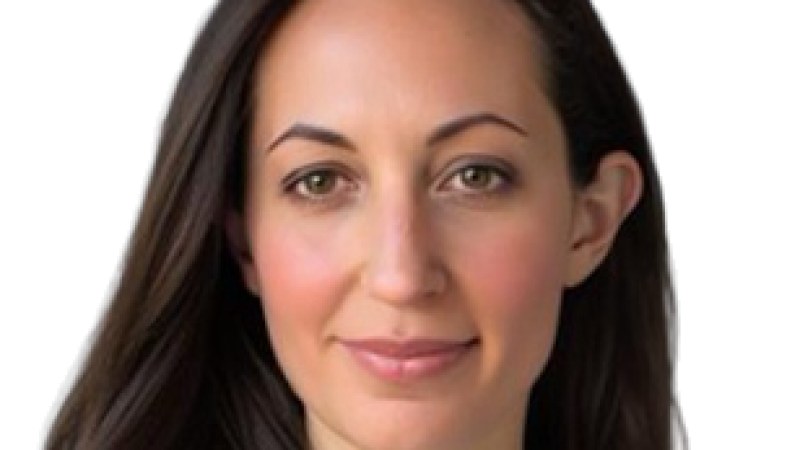
Alexandra Frankel
Alexandra Frankel is the CEO of Getwizer, a New York-based hybrid consumer insights platform that fuses AI automation with human research expertise to run fast, custom, modular studies for brands like Mars, Coca-Cola, Paramount and Puma. A McGill-trained psychologist with a master's in quantitative methods from Columbia, she rose through roles at Nielsen, Ipsos, NBCUniversal, Simulmedia and Hotspex before spending five years at Getwizer as head of insights and strategy, then taking the top job in February 2025. She has two prior research-startup exits (to Nielsen and Ipsos), two industry innovation awards, a notable streak of NFT consumer studies, and a nonprofit children's book venture, Rainbow Zebra Co., built around teaching kids kindness.
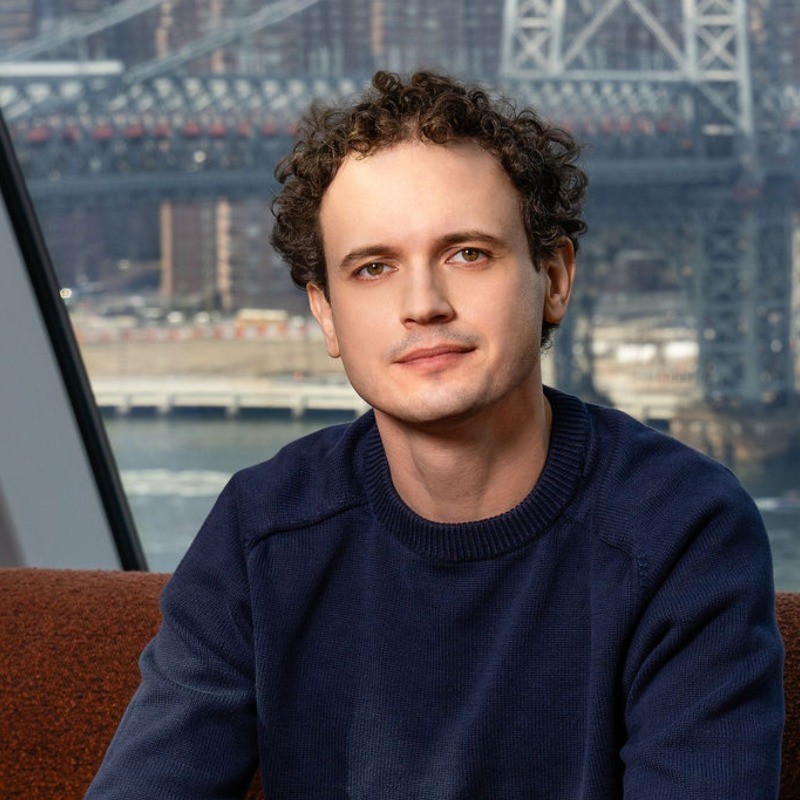
Misha Laskin
Misha Laskin is the co-founder and CEO of Reflection AI, a New York lab building open-weight frontier models and autonomous coding agents. A theoretical physicist by training (Yale, University of Chicago), he led reward modeling for Google DeepMind's Gemini and worked in reinforcement learning at Berkeley and DeepMind before launching Reflection in 2024 with AlphaGo co-creator Ioannis Antonoglou. In 2025 the company raised roughly $2 billion at an $8 billion valuation, positioning itself as America's open-source answer to DeepSeek.
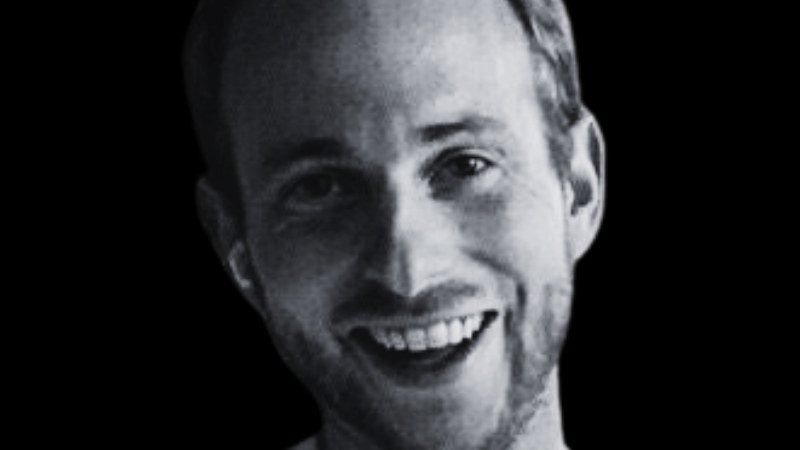
Justin Wohlstadter
Justin Wohlstadter is the founder and CEO of Waldo, a New Orleans-based AI research platform that helps marketing agencies and brands get smart fast for pitches, brand strategy, and creative work. Before Waldo, he spent nearly a decade running Wonder (AskWonder.com), an on-demand human research service powered by thousands of analysts worldwide, and earlier co-founded BOLDstart Ventures, where he backed companies later acquired by Google, LinkedIn, Salesforce, and Akamai. A Harvard and Oxford graduate who wrote his master's dissertation on how the internet would reshape access to education, he has spent his entire career chasing one obsession: making it faster for a curious person to know more than they did a minute ago.
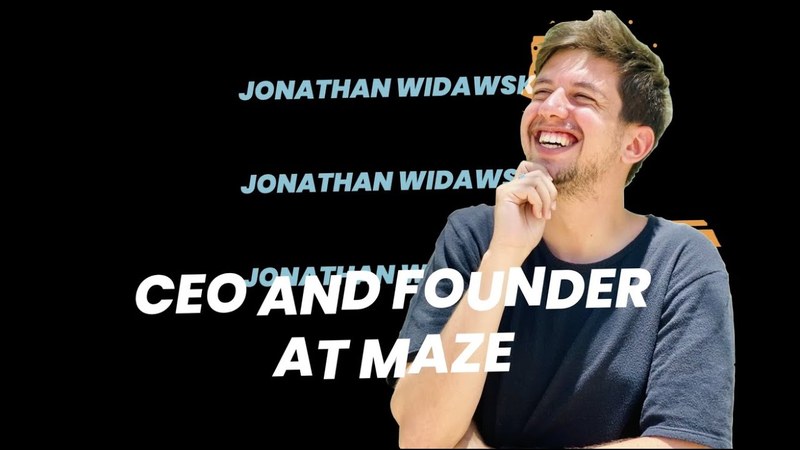
Jonathan Widawski
Jonathan Widawski (known as Jo) is the co-founder and CEO of Maze, a continuous product discovery platform that lets teams run user research at the speed of product development. A veteran product designer and former UX instructor who worked with McKinsey, Rocket Internet, and PSG, he launched Maze in 2018 after experiencing firsthand how impossible it was for product teams to get reliable user data fast enough to matter. Under his leadership, Maze grew 6x during the pandemic, expanded to 60,000+ brands across 35 countries, and raised $60M total — including a $40M Series B in 2022 led by Felicis Ventures.
Yigit Ihlamur
Yigit Ihlamur is the co-founder and General Partner of Vela Partners, an AI-native quantitative venture capital firm based in the San Francisco Bay Area. A former Google Senior Program Manager and Oxford-trained AI researcher, he has pioneered the concept of 'Ventech' — using proprietary AI systems to evaluate and fund seed-stage AI founders at speed. Vela Partners issues $100K–$500K checks with commitments in 2–7 days, has backed 40+ AI startups, and earned a NeurIPS 2025 Best Poster award for its startup success forecasting research. Raised in Turkey by an entrepreneur father and mathematician mother, Yigit started coding at age four and competed as a top-10 national chess player before bringing that same obsessive discipline to venture capital.
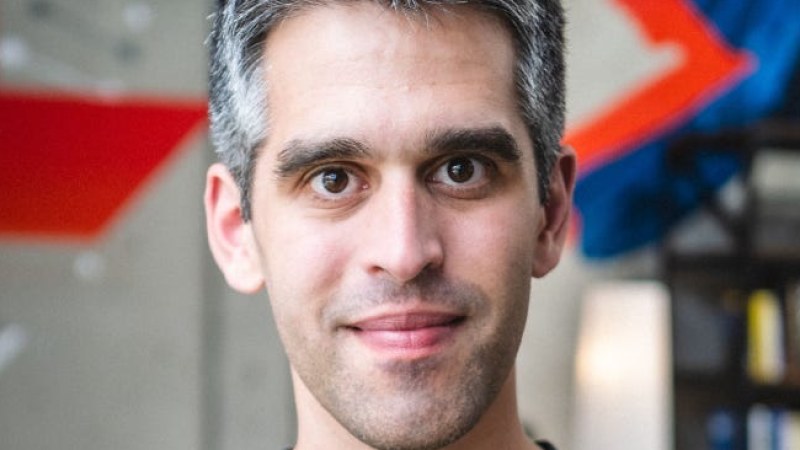
Samuel Rodriques
Samuel Rodriques is a physicist-turned-bioengineer and co-founder and CEO of Edison Scientific, the AI-driven scientific discovery company behind Kosmos - an AI scientist that reportedly condenses six months of PhD-level research into a single day. A MIT PhD and Hertz Fellow who invented implosion fabrication and pioneered spatial transcriptomics, Rodriques left the Francis Crick Institute to co-found FutureHouse (funded by Eric Schmidt) in 2023, then spun it into for-profit Edison Scientific, which raised a $70M seed round at a $250M valuation in December 2025. Named to Time 100 AI in 2025, he is on a mission to cure all diseases by mid-century through AI-accelerated science.
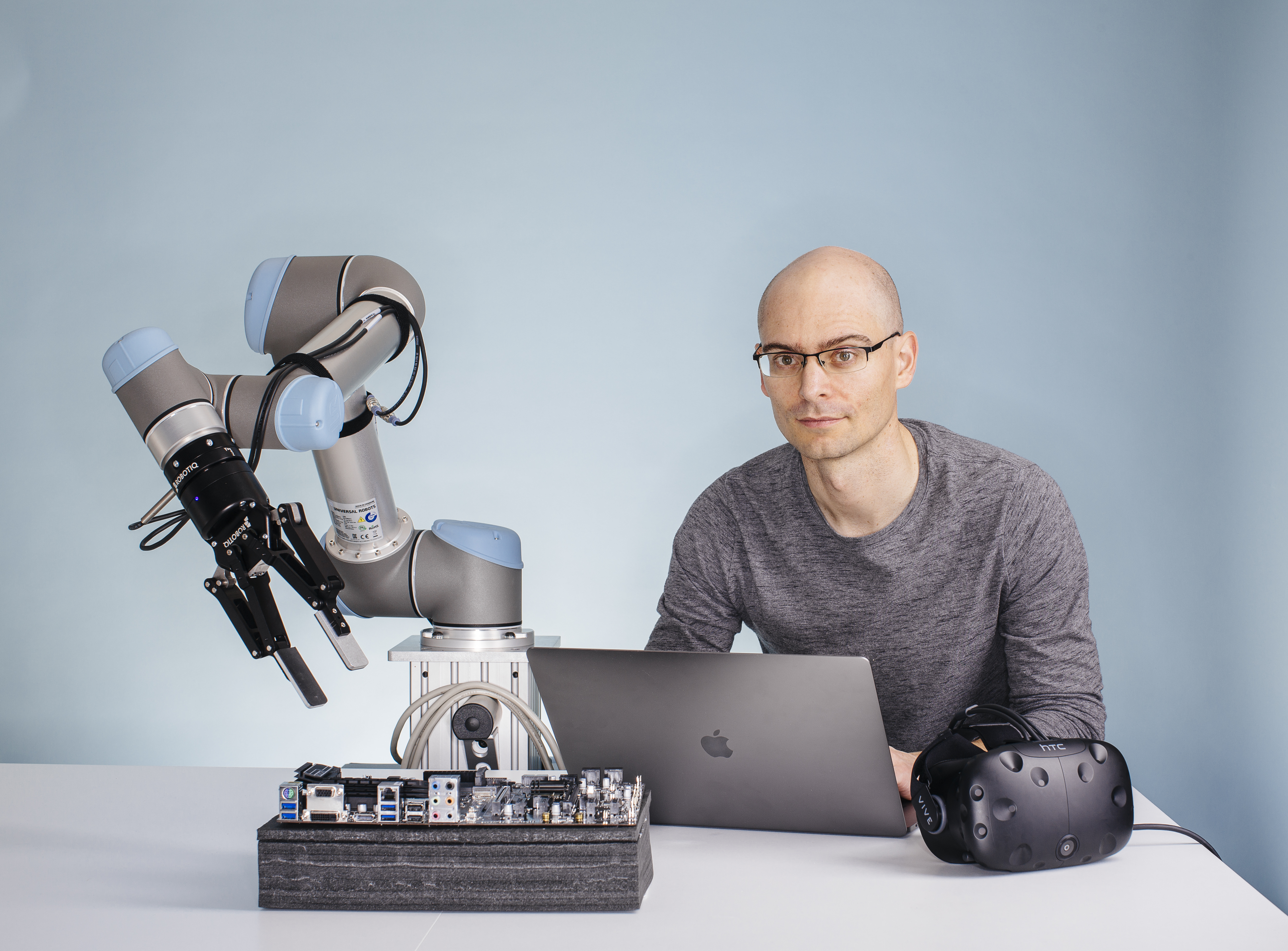
Pieter Abbeel
Pieter Abbeel is one of the world's leading AI and robotics researchers, a professor at UC Berkeley, director of the Berkeley Robot Learning Lab, and co-founder of Covariant. His pioneering work in robot learning through apprenticeship learning and reinforcement learning has shaped modern robotics. His students have co-founded over a dozen AI companies including OpenAI, Perplexity, and Physical Intelligence. In 2024, he joined Amazon to lead frontier model research, and in December 2025 was appointed head of Amazon's LLM efforts within the AGI organization.
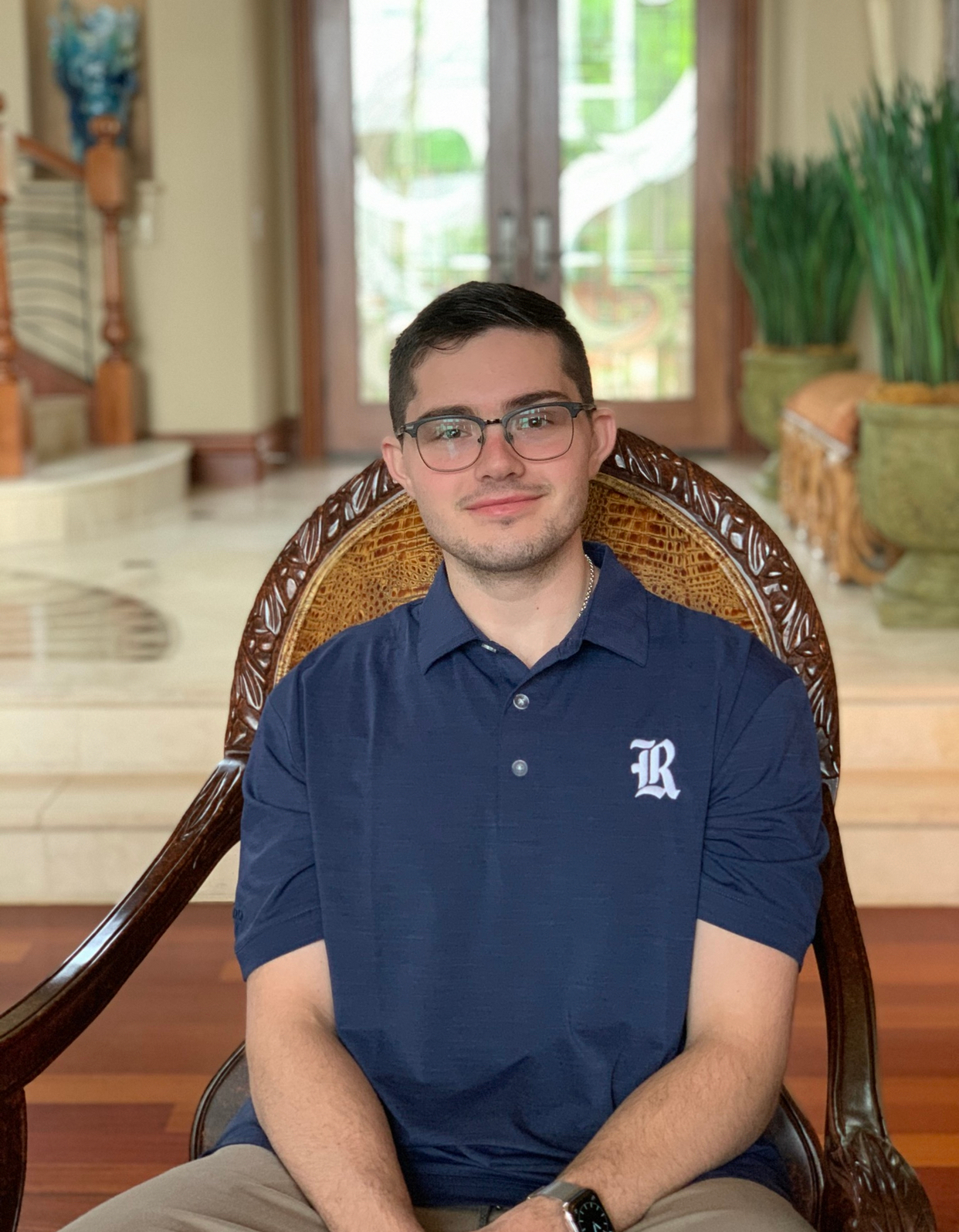
Cameron R. Wolfe
Cameron R. Wolfe, Ph.D. is a Senior Research Scientist at Netflix's Globalization team and the author of Deep (Learning) Focus, a twice-weekly Substack newsletter with 60,000+ subscribers that translates cutting-edge ML research into approachable long-form essays. A Rice University computer science PhD, he has built a reputation as one of the clearest explainers of large language models, RLHF, and AI agents in the field, bridging academia and industry with methodical depth and intellectual generosity.

Sebastian Raschka
Sebastian Raschka is a German-born AI/ML researcher, educator, and author who has built one of the most trusted independent voices in the machine learning community. Through his Substack newsletter 'Ahead of AI' (184,000+ subscribers), bestselling books like 'Build a Large Language Model (From Scratch)', and 91,000+ starred GitHub repositories, he demystifies cutting-edge AI for practitioners worldwide. After a stint as an Assistant Professor at UW-Madison and a role as Staff Research Engineer at Lightning AI, he now runs RAIR Lab as an independent researcher, writer, and consultant.