ai-avatars
(22)
HYPERVSN Put a Screen on a Bicycle. Then It Made the Screen Disappear.
The London company turned a rejected bicycle-wheel ad into spinning LED displays used by Nike, Coca-Cola and the Sphere. Its real product is not a hologram so much as a carefully engineered interruption.

Synthesia Found $4 Billion in the Gap Between PowerPoint and Pixar
The London startup began by making famous faces speak new languages. Its real business arrived when ordinary employees asked for something less glamorous: a way to turn the next PowerPoint, policy update or training manual into video without booking a studio.

Captions Put the Editing Room in Your Pocket
Captions began as a clever subtitle app. Now it cuts footage, fixes eye contact, dubs speech, builds AI presenters and even takes edit notes by text - useful power for people whose real job is not editing video.

Elai Turns the Training Deck Into a Talking Head
Elai gives the dreary slide deck a presenter, a voice and a passport. For learning teams buried in updates and translations, that trade can be genuinely useful - as long as nobody mistakes an avatar for an actor.

Colossyan Turns the Training Deck Into Something People Might Watch
Talking avatars draw the eye; the clever move is turning a dusty policy deck into editable, multilingual training without booking a camera, a presenter or half the calendar.

Creatify Wants the Whole Ad Factory in One Chat
Creatify can turn a product link into a small army of ads, then help launch and judge them. The clever part is the workflow; the catch is that cheap abundance still needs an editor with taste.

Akash Nigam Bet on Avatars Before AI Learned to Speak
A failed chat app, a rejected exit and a stubborn interest in how people express themselves led Akash Nigam to spend nearly a decade building digital characters. Now Genies is trying to give artificial intelligence a face, a wardrobe and somewhere to play.

Genies Burned Through Three Internet Eras to Make AI Wear a Face
The Los Angeles startup began with animated news, found money in celebrity cartoons, rode the NFT wave, and emerged with a more practical bet: persistent, game-ready AI characters. The lesson is not to predict the next platform perfectly - it is to keep the expensive technical core while replacing the story around it.
HeyGen
HeyGen wants to make the camera optional. Its digital twins, translation tools and video agents turn one human performance into a production system that can speak to almost anyone.

Praktika.ai
Praktika.ai is an AI-powered language learning app that lets people practice speaking through conversations with personalized AI avatar tutors. Instead of the tap-and-match drills common to language apps, Praktika simulates the responsive, spoken back-and-forth of a private tutor - complete with realistic voices, accents and emotional inflection - at roughly $8 a month versus hundreds for a human tutor. Founded by the team behind AI service firm Cleverbots, the company reports over 30 million learners, 1.2 million monthly active users across 100 countries, and raised a $35.5M Series A led by Blossom Capital in May 2024.

PlayPlay
PlayPlay is a Paris-based B2B SaaS company that lets communication and marketing teams turn ideas and text into professional, on-brand videos without editing skills. Its browser-based platform pairs drag-and-drop templates with AI tools - avatars, auto-subtitles, voice-over, translation and clipping - plus enterprise brand governance. Founded in 2017 by Thibaut Machet, Aurelien Dayres and Clement Moracin, PlayPlay is used by 3,000+ companies including IBM, L'Oreal and Booking.com, and has raised roughly $65.8M, led by a $55M Series B from Insight Partners in 2022.

UneeQ
UneeQ builds AI-powered digital humans - lifelike, real-time animated avatars that give chatbots and enterprise AI a human face, voice and body language. Founded in New Zealand in 2009 as FaceMe and now headquartered in Austin, Texas, the company pairs its Synanim synthetic-animation engine and Synapse AI-orchestration brain to deploy digital humans for customer experience, brand engagement and immersive employee training across banking, airlines, telecom, retail, healthcare and government.

Tavus
Tavus is a San Francisco AI company building the interface for face-to-face conversation between humans and machines. Its Conversational Video Interface (CVI) lets developers add real-time, emotionally aware AI video agents - what Tavus calls PALs - to any app through an API. Backed by CRV, Sequoia, Scale Venture Partners, Y Combinator and HubSpot Ventures, Tavus raised a $40M Series B in November 2025, bringing total funding to roughly $82M.

TrueFan AI
TrueFan AI is an India-based generative-AI company that builds a B2B platform for producing hyper-personalized, studio-quality video at scale. From a single short recording it can generate localized videos in 175+ languages, letting enterprises turn one shoot into thousands of tailored marketing, sales and communication videos. Founded in 2020 as a celebrity fan-engagement app, it pivoted in 2024 into an enterprise video-generation business now used by 100+ companies across banking, insurance, healthcare, retail and media.

Doji
Doji is a New York-based AI fashion startup building an app that turns a handful of selfies into a photo-realistic personal avatar, then lets people try on real clothing from anywhere on the web. Founded in 2024 by Dorian Dargan and Jim Winkens - the name is a mash-up of their first names - Doji uses its own diffusion models to make virtual try-ons feel less like a gimmick and more like a fun, social way to shop. The company raised a $14M seed round led by Thrive Capital with participation from Seven Seven Six in May 2025, days after launching on the App Store in more than 80 countries.

Creatify AI
Creatify AI is a Mountain View startup building an end-to-end AI ad platform that turns a product URL into ready-to-run, UGC-style video ads. Founded by former Meta and Snap AI leaders, it generates scripts, voiceovers, and lifelike avatars, then tests and optimizes ads across TikTok, Meta, YouTube and more. The company crossed $9M in ARR within roughly 18 months and raised a $15.5M Series A in May 2025 co-led by WndrCo and Kindred Ventures.
Lina Colucci
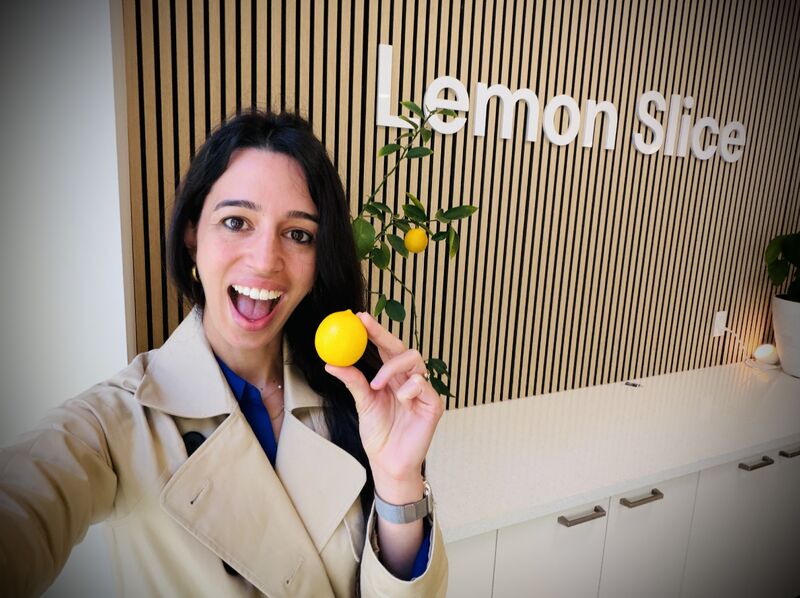
Lina Colucci is the co-founder and CEO of LemonSlice, a frontier AI lab building the world's first real-time interactive talking video models - tech that turns a single photo into a face you can hold a live conversation with. A former professional ballerina with a Harvard-MIT PhD in medical engineering, she has founded three companies, holds patents in biosensing, and raised $10.5M from Matrix Partners, Y Combinator, Dropbox's Arash Ferdowsi, Twitch's Emmett Shear, and The Chainsmokers. She bets that all video is heading toward being interactive and personalized to whoever is watching.

Dorian Dargan
Dorian Dargan is the co-founder and CEO of Doji, an AI fashion app that turns selfies into a photorealistic digital likeness so people can try on real clothes from across the web and actually have fun doing it. An MIT-trained designer-engineer who built avatars at Meta on Oculus Quest and shaped visionOS at Apple, he teamed up with former DeepMind researcher Jim Winkens - the name Doji is literally Dorian plus Jim - and within days of the app's 2025 App Store debut raised a $14M seed round led by Thrive Capital with Alexis Ohanian's Seven Seven Six. He treats the creative process as something close to sacred, and is betting that the most personal way to shop online is to first fall a little in love with the image of yourself.

Biteable
Biteable is an online, AI-powered video creation platform that lets marketers, HR teams, agencies and small businesses turn a script or an idea into a polished, brand-ready video in minutes - no editing skills, cameras or production budget required. Founded in Hobart, Australia in 2014 and now run from Salt Lake City, the company pairs a drag-and-drop editor with a deep library of templates, stock footage and music, plus AI tools for avatars, voiceover, captions and translation.
Mursion
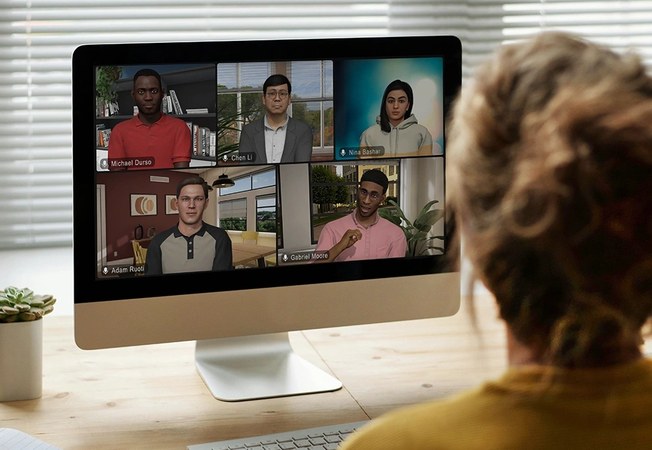
Mursion is a San Francisco-based AI-powered upskilling platform that uses live human 'simulation specialists' to puppet AI avatars in immersive role-play scenarios. Founded in 2015 by Mark Atkinson and Arjun Nagendran, the company trains leaders, salespeople, teachers and healthcare workers in the high-stakes conversations that are hardest to rehearse in real life.

Eric Jang
Eric Seyoung Jang is the Founder and CEO of DeepBrain AI, a Palo Alto-based company building hyper-realistic AI avatars, video synthesis technology, and conversational AI systems. Inspired by AlphaGo's 2016 defeat of Go champion Lee Sedol, he pivoted from fintech to artificial intelligence and built what became the first company to commercially deploy video synthesis at scale - from AI news anchors in Chinese broadcast studios to AI bankers in Korean bank branches. Under his leadership, DeepBrain AI raised $44M in Series B funding at a $180M valuation and set its sights on becoming the world's leading generative AI enterprise.
Yinan Na
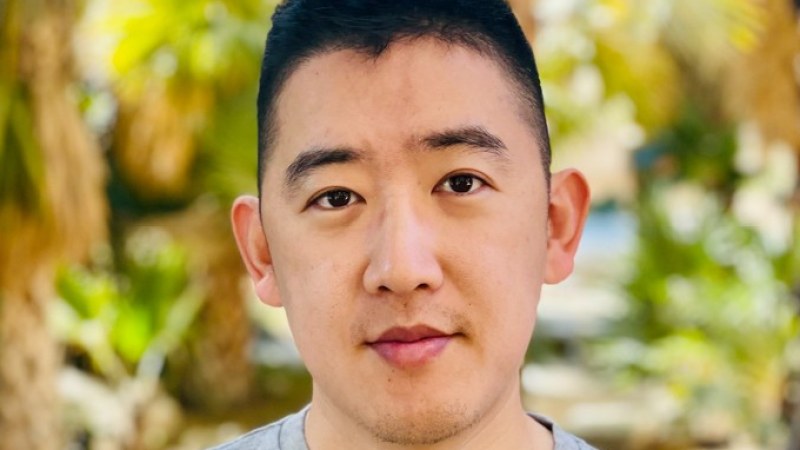
Yinan Na (also known as Steven) is the co-founder and CEO of Creatify AI, an AI-powered video ad platform that lets marketers produce, test, and optimize short-form video ads in minutes. Built on a decade of engineering at Meta and Snap, Creatify crossed $9M ARR within 18 months of launch, raised a $15.5M Series A co-led by Jeffrey Katzenberg's WndrCo, and now serves over 1 million marketers across 10,000+ teams including Alibaba.com, Comcast, and Binance. Na holds a Master's in Computer Science from Stanford and a Bachelor's in Automation from Tsinghua University.