affordable-housing
(22)
BCL of Texas Makes the Loan. Then Stays for the Homework.
From a $30,000 equipment loan to a family auto shop coming home, this Texas nonprofit pairs capital with coaching. Its most revealing success story begins with a rejection.

Durham Region Runs the Business Nobody Can Opt Out Of - Here’s the Playbook for Making 780,000 Customers Feel Local
Durham’s real product is coordination: one regional layer for pipes, buses, health, housing and emergencies across eight very different municipalities. Its useful lesson for operators is simple - scale the hard infrastructure, then make the front door feel local.

Propolis Found a Miami Housing Hack Hiding in the Parking Code
The eight-person Miami operator did not invent roommates. It made the arrangement feel less like a compromise - then built the economics around the parking spaces it never had to pour.

They Tried to Build Apartments Like Airplanes - Then the Construction Site Fought Back
Sustainable Living Innovations spent 16 years turning apartment towers into a kit of parts. Its Seattle buildings prove the hardware works - and its bruising flagship reveals why fixing construction takes more than a factory.

Elmington Built a Housing Machine. Now It Has to Prove the Machine Can Keep Homes Affordable.
The Nashville firm turned recession-era opportunism into a vertically integrated housing business. Its next test is harder: making public-private affordability work at city-shaping scale.
The Solar Company That Bet on the Buildings Everyone Else Skipped
Isaac Baker and Ben Underwood built a solar company around the customers the industry finds too poor or too complicated. Nearly a decade in, the affordable-housing rooftops are paying them back.
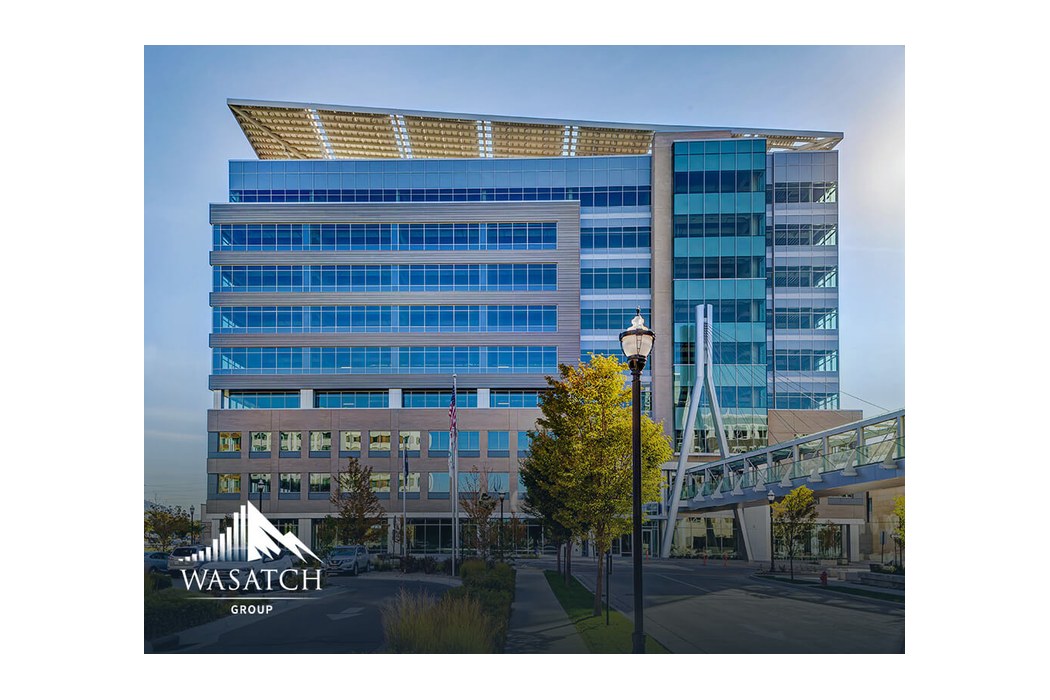
The Landlord With a Construction Crew, a Capital Desk and 18,000 Front Doors
From a Logan headquarters, Wasatch Group buys, builds, finances and manages housing across the West. Its advantage is less a single breakthrough than control of nearly every handoff.

The Private Equity Firm Betting That Public Problems Can Produce Private Returns
The Vistria Group has built a $17 billion investment platform around a provocative premise: the hardest systems to navigate may also hold the most durable opportunities to create value.
Meritage Homes
The Scottsdale builder made energy efficiency standard equipment instead of a luxury upcharge - and used it to close more than 15,000 homes a year.

Austin Community Foundation
Austin Community Foundation has turned one woman’s $30,000 bequest into a $669 million piece of civic infrastructure. Its real product is not charity paperwork - it is making local generosity easier to deploy, harder to waste and patient enough to outlive the donor.

LGI Homes
LGI Homes turned the intimidating business of buying a first house into a repeatable system. Its wager is that fewer choices, finished homes and a guided sales process can put ownership within reach - while keeping a national builder disciplined on cost.
K. Hovnanian® Homes
For 65 years the Hovnanian family has been putting keys in first-time buyers' hands and building 55-and-up communities where the lawn mows itself. Here is how a New Jersey homebuilder turned patience into a business model.

Dextall
Dextall is a New York-founded construction technology company that pairs proprietary design software with factory-built, unitized prefabricated exterior wall panels for mid- and high-rise buildings. Its platform turns architectural concepts into fabrication-ready models and delivers a modular facade system manufactured by regional partners, cutting design-to-install timelines and on-site labor while improving building energy performance. The company raised a $15M Series A in July 2025 to expand its AI-powered prefab platform and address the housing crisis.

Findigs
Findigs is a New York-based proptech company that automates residential tenant screening and leasing decisions. Its AI-native platform verifies applicant identity, income, and documents, detects fraud, and returns instant, data-grounded rent-or-decline decisions with contractual fraud guarantees - helping single-family and multifamily operators fill units faster while cutting evictions and delinquency. Founded in 2018 by Colby College classmates Steve Carroll and Keith Gilvar, Findigs manages screening across 400,000+ residential units and has raised roughly $80 million to date, most recently a $32M Series C in June 2026.

Alquist 3D
Alquist 3D is a Greeley, Colorado-based construction technology company that uses robotic 3D concrete printing to build homes, commercial buildings, and infrastructure. Founded in 2020 by Zachary Mannheimer, the company completed one of the first 3D-printed Habitat for Humanity homes in the U.S. and printed an ~8,000-square-foot addition to a Walmart in Athens, Tennessee - billed as the largest 3D-printed commercial structure in the country. In late 2025 it announced a landmark deal to print more than a dozen Walmart and retail buildings, positioning itself to commercialize 3D concrete printing at national scale.
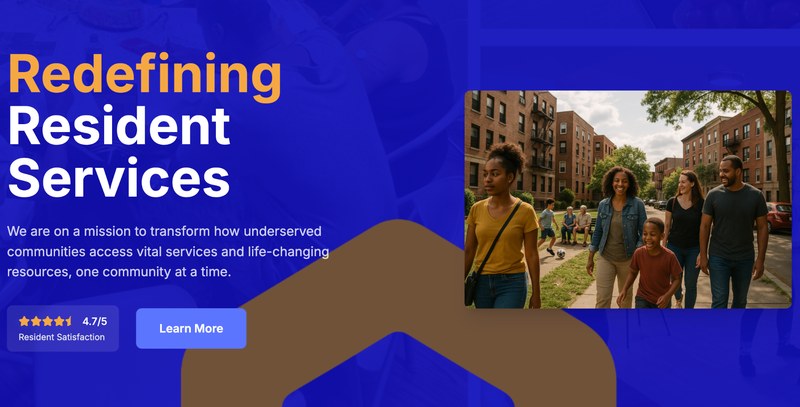
Ounce of Care
Ounce of Care (brand name: Ounce) is a New York-based company building the tech-enabled resident services layer for affordable housing. It embeds on-site Community Navigators and virtual care teams inside apartment communities, then uses its Ounce Hub platform to enroll residents in public benefits like SNAP and Medicaid, coordinate health and social services, and run educational programming. The result is a rare win-win: residents get stability and support, and property owners get better retention, occupancy, and asset performance.
Pegbo
Pegbo is a Menlo Park construction-technology startup that gives preconstruction teams AI coworkers to source, engage, and vet trade partners. Its platform searches a database of more than one million verified subcontractors and suppliers - filterable by scope, location, NAICS code, union status, and certifications like MBE, DBE, and WBE - then automates outreach, bid-coverage tracking, document collection, and compliance so general contractors and project owners can hit supplier-diversity goals faster and with less busywork.

Tolemi
Tolemi is a Boston-based govtech company whose flagship platform, BuildingBlocks, stitches together scattered municipal data - property records, ownership, code violations, tax liens - into a single map-based interface. State and local governments use it to run spatial analysis, spot problem properties, and make faster, data-driven decisions about housing, land use, and neighborhood revitalization. Formerly OpportunitySpace, the company rebranded to Tolemi after Y Combinator and today serves cities from New York to small towns across the U.S.

Verustruct
Verustruct is a New Haven-based construction-technology company building a gantry-less 3D printing system to make affordable, sustainable housing at scale. Founded by former SpaceX engineer Nick Callegari, its patent-pending translational slipform printer extrudes load-bearing walls with embedded mechanical, electrical, and plumbing systems, then scales itself up layer by layer, sidestepping the bulky gantry frames that cap the size of most additive-construction projects. Organized as a public benefit corporation, Verustruct aims to cut home construction cost by roughly half and emissions by around 40 percent.
Reframe Systems
Reframe Systems is a Massachusetts robotics and AI company building net-zero, climate-resilient homes through a network of small, regional 'microfactories.' Founded in 2022 by three former Amazon Robotics leaders, it pairs proprietary 'pixels to parts' design software with vision-guided robotic workcells to mass-customize modular housing - cutting construction costs by roughly 35% and deploying homes in about 100 days. The company aims to make high-performance housing economically viable and to build one million resilient homes globally by 2045.
The John Stewart Company
The John Stewart Company (JSCo) is a San Francisco-based, full-service affordable and mixed-income housing organization. Founded in 1978 by John Stewart, it has grown into one of California's largest affordable housing managers, handling roughly 31,000 units across the state through integrated property management, development, construction, and financial services - with a parallel mission of delivering resident services and supportive housing for vulnerable populations.
Factory OS
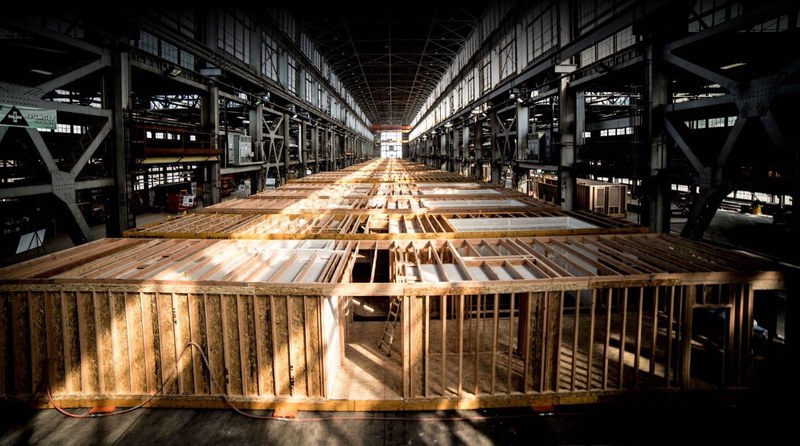
Factory OS is a Vallejo, California modular-housing manufacturer that builds wood-frame multifamily apartments inside a former Mare Island Navy shipyard. Co-founded in 2017 by affordable-housing veteran Rick Holliday and contractor Larry Pace, the company treats apartments like cars: rolling them down an assembly line with union labor, cutting build times by ~40% and costs by 20–40% compared with conventional construction.