The first thing Propolis removed from its Miami apartment buildings was not a wall. It was a parking space. That sounds like a minor subtraction until you look at a standard 5,000-square-foot city lot and try to park enough cars on it to satisfy an old zoning formula. The asphalt can swallow the project. When Miami relaxed parking requirements near transit, founder Misha Gurevich and his family saw a different use for the land: bedrooms.
In 2020, the company opened AERIE in East Little Havana. The three-story building put 12 apartments and 32 bedrooms on one of those 5,000-square-foot parcels. Each resident could rent a private bedroom with a private bathroom, then share a kitchen and living room. Early asking rents ran from $875 to $1,075 per bedroom. The place was new, close to downtown and clearly not for everybody. Gurevich said as much at the time.
“It’s not for everyone. The idea was always to produce a product that was new, nice and affordable.”Misha Gurevich, founder of Propolis
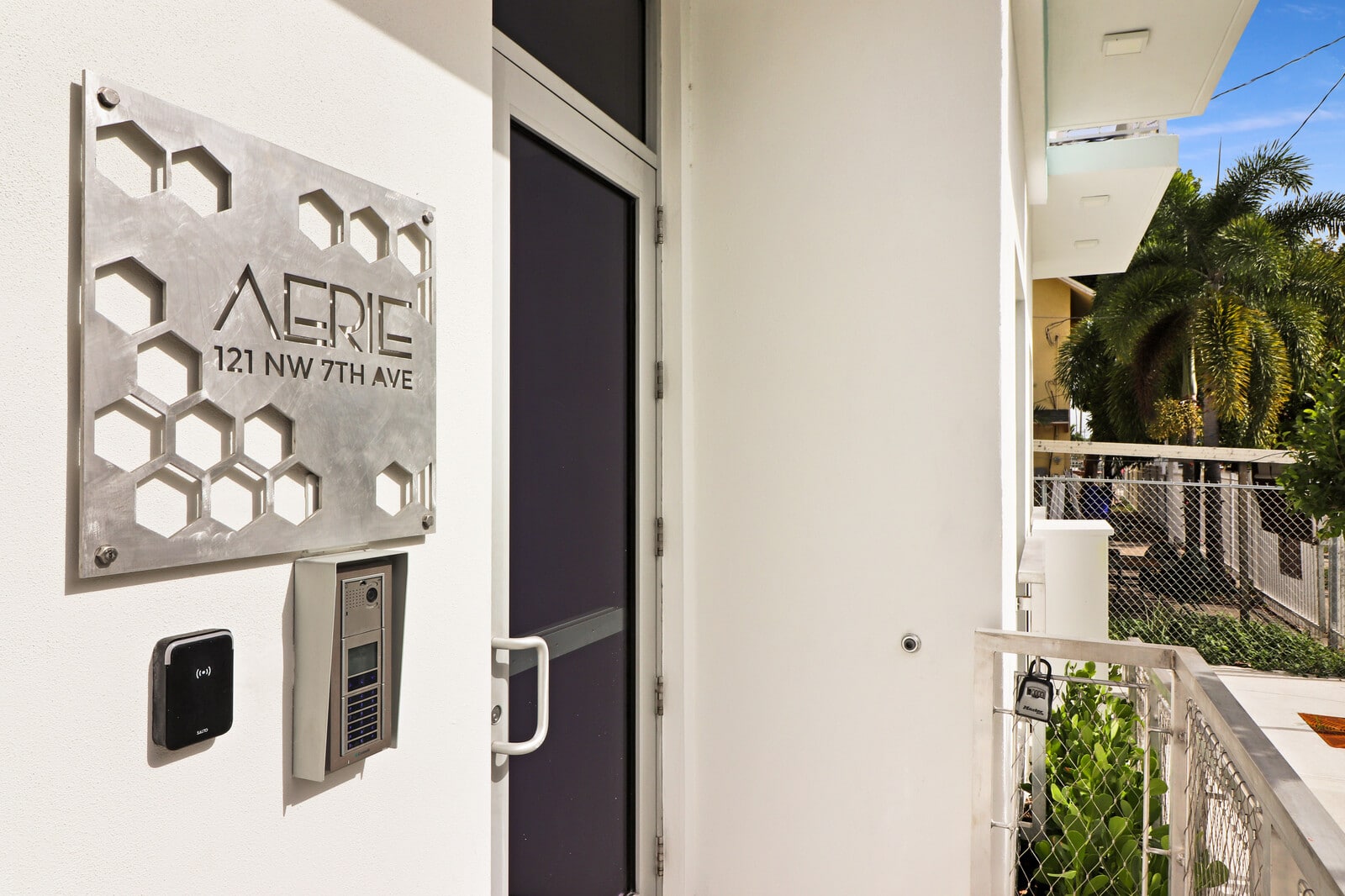
A developer disguised as a coliving brand
Calling Propolis a coliving company is accurate in the same way that calling a restaurant a menu is accurate. The consumer sees furnished rooms, smart locks and roommate matching. Behind that front door sits a vertically integrated real-estate business: find overlooked infill lots, design dense low-rise buildings, develop them, lease them and manage the resident experience.
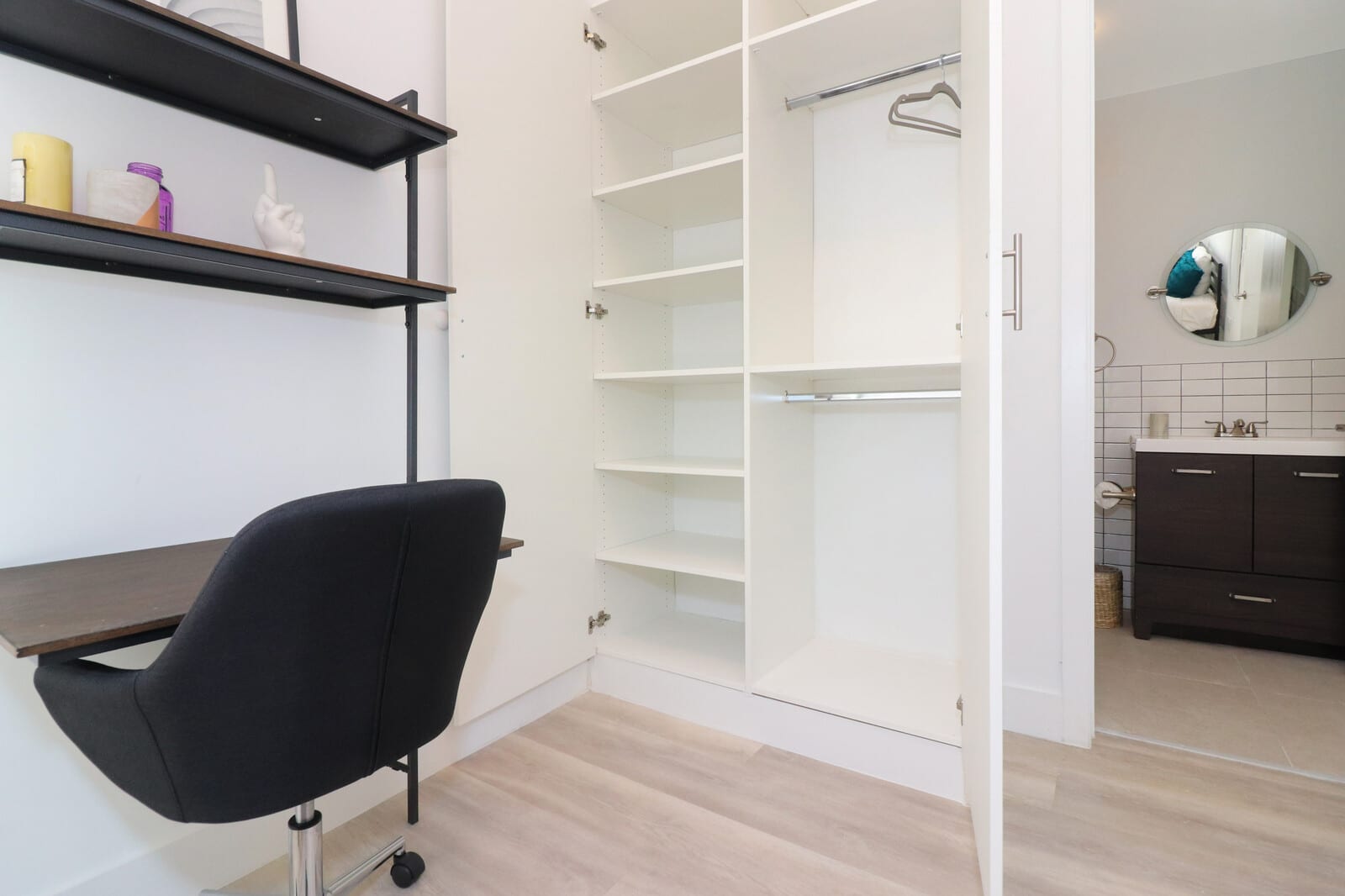
That last part matters. A normal landlord sells square footage and hands over the keys. Propolis packages the irritations around a move: furniture, cookware, high-speed internet, utility setup, electronic rent payment, maintenance requests, common-area cleaning and household supplies. The bedrooms include workstations; many have en-suite bathrooms. The product is a private zone inside a shared apartment, wrapped in enough service to make arriving in Miami with two suitcases plausible.
The customer is legible: a young professional, a newcomer, a remote worker or a flexible-stay guest who values location and convenience more than a private living room. Propolis pitches neighborhoods near Brickell, downtown, Wynwood and the Health District without the rent of a conventional central studio. It also offers studios and full apartments, which keeps the portfolio from becoming a one-layout bet.
The trick is a stack, not a feature
The Propolis stack
Competitors can copy any one piece. A conventional developer can squeeze a floor plan. A furnished-rental operator can buy sofas. A listing marketplace can help find a roommate. Propolis tries to hold the full loop. What residents complain about can inform the next building; what the next building fixes can reduce the management burden. That is the actual differentiation.
The portfolio now spans several formats. Otto offers furnished two-, three- and four-bedroom shared apartments. Pastel mixes three-bedroom suites with micro studios and rooftop space. Olive behaves more like an apartment hotel, with daily, weekly and monthly stays available by room or whole suite. Lima & Limon, the newer pair near Wynwood, offers studios alongside three-bedroom shared apartments. Plum and Saffron extend the botanical naming habit.
What it costs, and what the numbers mean
Propolis publishes sample pricing, not a universal tariff. Its current property pages have advertised sample base rents ranging from $999 at Otto to $1,175 at AERIE and Pastel, and $1,275 at Lima & Limon. Utility packages on those examples run about $125 to $135. Availability, room type and lease length change the price.
The $2,200 studio comparison is the company’s own benchmark, not a citywide average. So are its claimed first-year savings, which rise as high as $16,400 on the Otto page after furniture, move-in costs, services and utilities are counted. Treat the calculator as a sales tool. The fairer insight is structural: sharing a kitchen and living room costs less than renting every room alone, and skipping a garage removes construction that residents would otherwise pay for through rent.
The development cost of AERIE has not been made public. Financing offers a partial silhouette. The property received a reported $2.5025 million refinancing in 2021. Otto received a reported $3.6 million refinancing in 2023. Those are loans against properties, not clean statements of what the buildings cost to construct.
The business lives between rent and hospitality
A standard multifamily owner is paid for access to an apartment. A hotel is paid for access plus service, flexibility and immediacy. Propolis sits between them. Long-term residents sign leases, while selected units and properties support shorter stays. The company can charge rent by bedroom, studio or entire suite, then add a flat utility package. That creates more revenue lines than one annual lease on one apartment, but it also creates more work per front door.
Room-by-room leasing means more prospects, more applications, more move-ins and more relationships to manage. Furniture wears out. A broken smart lock is urgent in a way that a chipped countertop is not. Common-area cleaning has to occur on schedule because three unrelated residents will each notice when it does not. Flexible terms reduce the commitment asked of a customer, but they increase turnover for the operator. Propolis’s public recruiting language captures the ambition neatly: “living operations with a hospitality backbone.”
That is why the company’s expertise is broader than construction. The physical playbook includes zoning, site selection, compact floor plans and low-rise multifamily development. The operating playbook includes digital tours, background checks, roommate questionnaires, electronic payments, deposit alternatives and responsive maintenance. The brand stitches them together. A renter does not need to know which limited-liability company owns the dirt or which vendor powers the laundry app. The resident sees one promise: arrive, unpack and get on with Miami.
At roughly eight employees, Propolis is small enough that vertical integration can still mean shared context rather than departments forwarding tickets to one another. It is also small enough that execution risk concentrates quickly. The culture described in its hiring material prizes emotional intelligence, accountability, curiosity and calm under pressure. Those are not decorative values in a shared building. They are operating requirements when one resident’s problem is sitting six feet from another resident’s breakfast.
What failed first? The old spreadsheet
There is no public tale of a disastrous Propolis pivot, and inventing one would make the company sound more cinematic than the evidence allows. The first visible failure was the conventional small-lot development equation. Required parking consumed so much land that dense, low-rise housing could stop penciling out before a shovel moved. Reduced thresholds changed feasibility. Propolis did not have to become a parking operator in order to become a housing operator.
The company’s model then evolved rather than reversed. AERIE proved the room-by-room shared format. Later buildings added studios, bigger shared layouts, rooftop amenities and hotel-like short stays. The lesson was not “coliving failed.” It was that one operating system could serve several lengths of stay and several appetites for privacy.

The bit worth stealing
The copyable idea is not “buy a building and add bunk beds.” Start with a constraint that makes incumbents ignore a market. In Propolis’s case, the constraint was the small lot. Pair a regulatory unlock with a clear customer trade: less private square footage in exchange for location, a private bath and fewer chores. Then operate the building closely enough that those trade-offs remain intentional.
It will not travel everywhere. The no-parking logic weakens in car-dependent neighborhoods. Shared kitchens repel renters who want total privacy. High land, insurance or construction costs can overwhelm savings from density. Short-term stays invite regulatory complexity. And hospitality-level promises become liabilities if cleaning, maintenance or roommate matching slips. Eight employees can feel nimble when the buildings behave; the same headcount can feel tiny at 2 a.m. when they do not.
There is also a civic limit to the claim. Propolis makes central housing cheaper relative to many private studios; that is not the same as serving Miami’s lowest-income households. Market-rate infill is one tool in a housing crisis, not a universal solvent. The company is most interesting when viewed at its actual scale: a local operator testing how much useful housing can fit into the gaps of an expensive city.
In market terms, that puts Propolis between three familiar alternatives. The first is the traditional studio, which maximizes privacy and asks the renter to furnish and administer a household. The second is the informal roommate market, which can be cheaper but turns compatibility, deposits and utility splitting into a group project. The third is the furnished short-term rental, which offers ease at a hospitality premium. Propolis borrows privacy from the first, price sharing from the second and convenience from the third. The hybrid is the point.
The name comes from the resin bees use to fill empty pockets and strengthen a hive. It is unusually good real-estate branding because the metaphor survives inspection. Propolis fills small urban gaps. Its residents are the worker bees. The logo is a hexagon. Even the buildings have names that sound harvested. AERIE, Olive, Plum, Saffron, Lima, Limon. Miami’s housing problem will not be solved by a produce aisle, but a few more well-used lots would help.