multifamily-housing
(20)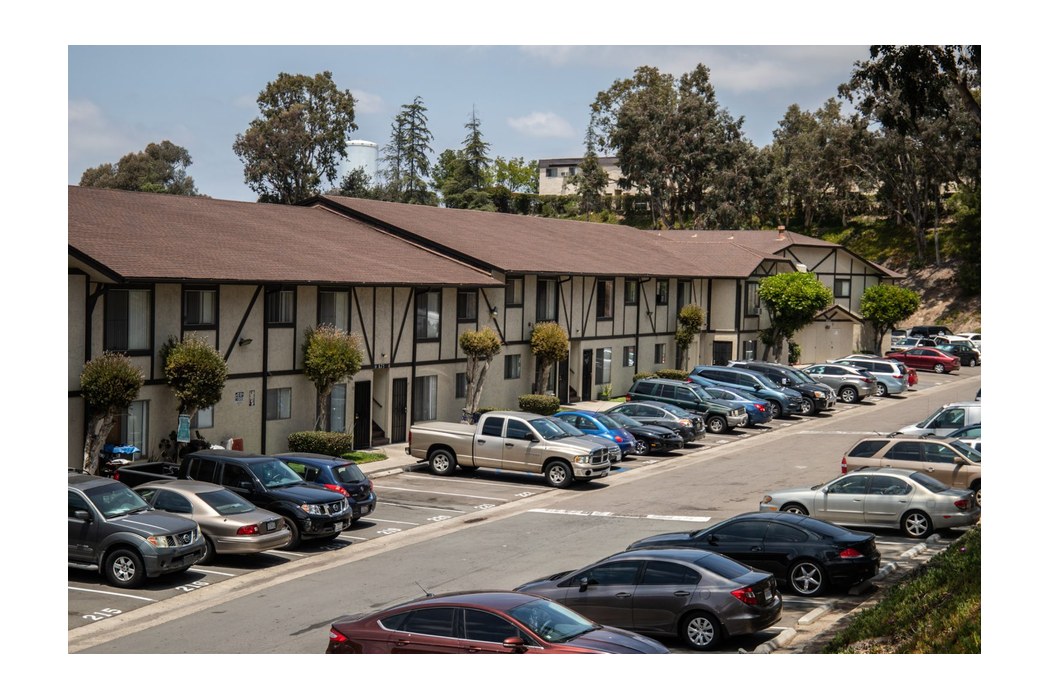
Progress Management and the billion-dollar afterlife of an apartment portfolio
Conrad Prebys built a San Diego rental business whose wealth reached classrooms, concert halls and medical research. The sale of his apartment portfolio exposed a harder question: what happens to the people still living inside it?
Bricolage wants to give togetherness a floor plan
A Santa Monica design workshop moves between apartment buildings, rain barrels, and homes for living alone together. The common question: what should we share, and what should we keep to ourselves?

A-Rod Corp puts fame to work. The rent came first.
Alex Rodriguez built his investment business around apartment buildings, then added startups, sports teams and a media operation. Its most revealing deals show both the value of a famous name and the limits of one.

Emily Marineau Wants Construction to Show Its Math
The Juno co-founder moved from Wall Street and Apple into the stubborn economics of housing. Her method is simple to describe and difficult to fake: define the cost, locate the risk, and make every elegant idea survive the spreadsheet.
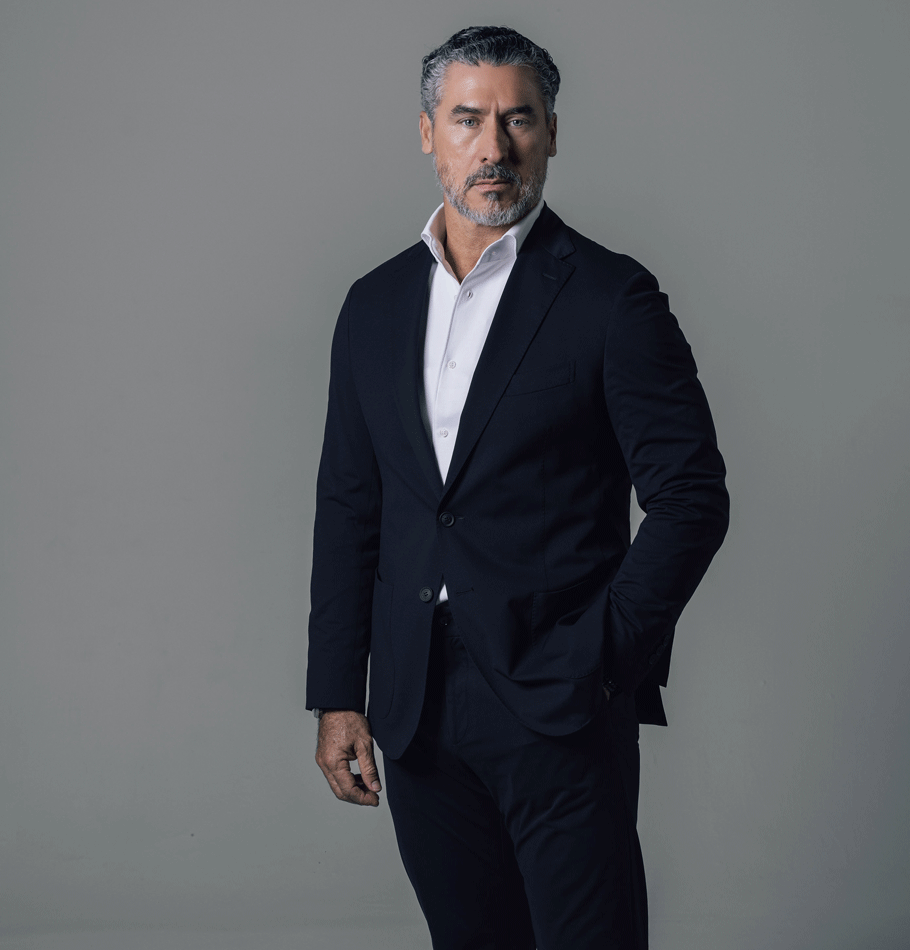
Alirio Torrealba Swapped Car Lots for City Blocks
After 25 years in auto retail, the Caracas-born entrepreneur found a second act in Coral Gables - one measured in courtyards, train stops and the patience to make new buildings feel inherited.

Cary Rosenblum Kept Following the Deal - Until It Became a Housing System
The Elmington co-founder started with finance, then kept moving closer to the buildings, residents and operating problems. Six business lines later, his career offers a useful lesson in what vertical integration can do - and what it demands.

Misha Gurevich Is Building Miami Housing One Small Lot at a Time
The Propolis founder found his edge in Miami's overlooked 5,000-square-foot lots. His playbook is compact, furnished and operationally demanding - a small-building answer to a very large housing problem.

Propolis Found a Miami Housing Hack Hiding in the Parking Code
The eight-person Miami operator did not invent roommates. It made the arrangement feel less like a compromise - then built the economics around the parking spaces it never had to pour.
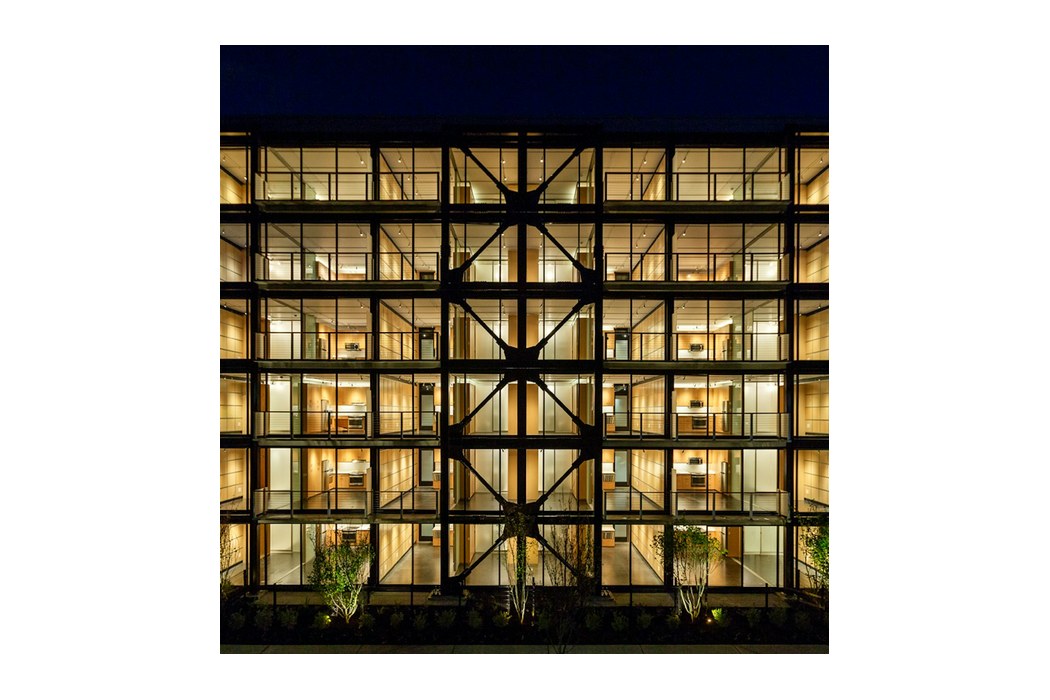
They Tried to Build Apartments Like Airplanes - Then the Construction Site Fought Back
Sustainable Living Innovations spent 16 years turning apartment towers into a kit of parts. Its Seattle buildings prove the hardware works - and its bruising flagship reveals why fixing construction takes more than a factory.
Elmington Built a Housing Machine. Now It Has to Prove the Machine Can Keep Homes Affordable.
The Nashville firm turned recession-era opportunism into a vertically integrated housing business. Its next test is harder: making public-private affordability work at city-shaping scale.
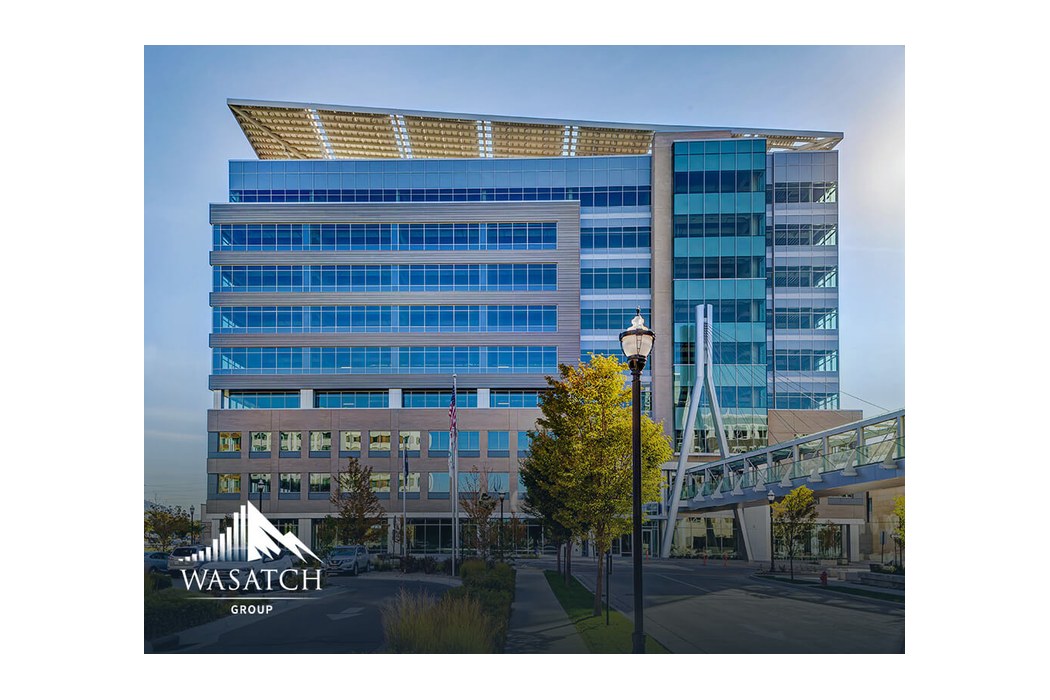
The Landlord With a Construction Crew, a Capital Desk and 18,000 Front Doors
From a Logan headquarters, Wasatch Group buys, builds, finances and manages housing across the West. Its advantage is less a single breakthrough than control of nearly every handoff.
The Apartment Operator That Made Resident Reviews Its Operating System
IMT Residential grew from 62 apartments and one employee into a nine-state operator by treating the unglamorous details - maintenance calls, team training and online reviews - as the product. Its new Citrus Commons development shows what happens when that operating discipline meets architecture.
The Operating System Behind 24 Million Front Doors
RealPage began by putting apartment ledgers online. Now its software reaches from the first leasing inquiry to the final rent payment - and its next act is an AI workforce built for the unglamorous machinery of rental housing.
Zekelman Industries
Most steel companies stop at the loading dock. Zekelman follows the material into warehouses, job sites and even finished apartments - a 149-year industrial lineage betting that control of the chain can make American construction faster and more predictable.

EliseAI
EliseAI is a New York-based artificial intelligence company that builds conversational and agentic AI to automate the routine, high-volume communication work of two administratively heavy industries: rental housing and healthcare. Its assistants answer calls, emails, texts and chats around the clock - scheduling tours, handling maintenance and renewals, collecting rent, and booking patient appointments - so property and clinic teams can focus on people rather than paperwork. Founded in 2017 as MeetElise, the company crossed $100M in annual recurring revenue, serves roughly 70% of the 50 largest U.S. rental housing operators, and reached a $2.2 billion valuation with its 2025 Series E led by Andreessen Horowitz.
Grotto AI
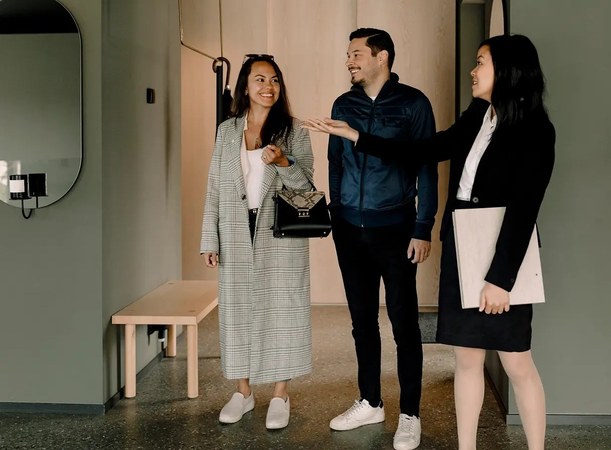
Grotto AI builds an AI coaching platform for multifamily leasing teams, listening in on calls and tours and nudging agents in real time toward the behaviors - curiosity, rapport, a well-timed laugh - that its data shows actually close leases. Founded in 2025 by Nick Deveau and Ben Epstein, veterans of the AI-in-insurance startup EvolutionIQ, the company raised a $10 million seed round led by ICONIQ Capital in February 2026 and already runs on portfolios for operators like Weidner Apartment Homes.

Zack Schmitz
Zack Schmitz is the co-founder and CEO of Public Grid, a renewable-energy platform that lets apartment renters switch to 100% clean electricity through their existing utility account at no added cost. A former Deloitte consultant with an MIT master's spanning electrical engineering and human-centered design, he built Public Grid (formerly Cottage Energy) to attack the unglamorous middle of the energy market: the roughly 20 million U.S. renters in deregulated states who never get a say in where their power comes from. The platform brokers clean energy in bulk, splits the savings, and follows residents from address to address.
Tailos
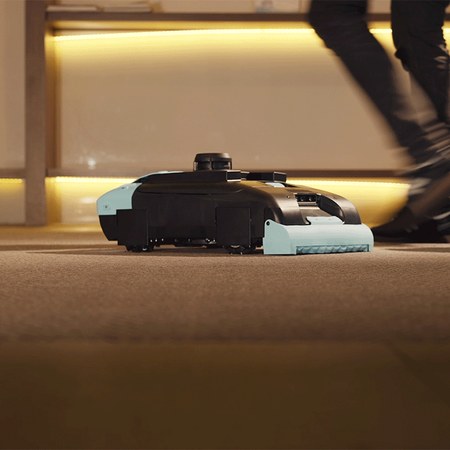
Tailos (formerly Maidbot) is an Austin, Texas robotics company building AI-powered autonomous cleaning robots for commercial spaces. Its flagship product, Rosie, is a self-navigating commercial robot vacuum that uses self-driving-car technology - LiDAR, 3D depth cameras, and proprietary SLAM - to clean hotels, multifamily buildings, and senior-living facilities with no pre-mapping or setup. The company's pitch is plain: automate the most repetitive, physically punishing parts of cleaning so housekeepers can do higher-value work, with operators saving roughly 54 minutes per labor hour.
Factory OS
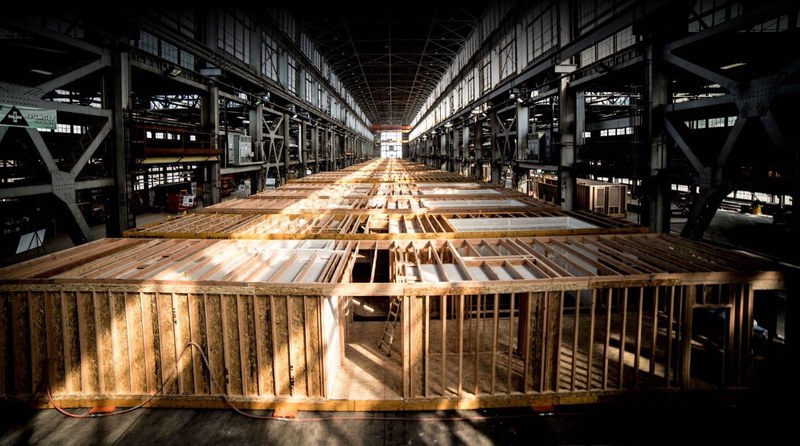
Factory OS is a Vallejo, California modular-housing manufacturer that builds wood-frame multifamily apartments inside a former Mare Island Navy shipyard. Co-founded in 2017 by affordable-housing veteran Rick Holliday and contractor Larry Pace, the company treats apartments like cars: rolling them down an assembly line with union labor, cutting build times by ~40% and costs by 20–40% compared with conventional construction.

Rick Holliday
Rick Holliday is a San Francisco Bay Area real estate developer and social entrepreneur with nearly 50 years of experience building affordable and market-rate housing. He co-founded Factory OS in 2017 to revolutionize multifamily housing production through factory-based modular construction, securing $77.7M in funding from Google, Autodesk, Facebook, and Citi. His career spans co-founding Eden Housing (1978), BRIDGE Housing (early 1980s), and Holliday Development (1988), where he pioneered live-work loft conversions in SoMa. Factory OS, located in a former WWII submarine shipyard on Mare Island in Vallejo, demonstrated 40% faster delivery and 20-30% cost savings over traditional construction.