Consider the washing machine. In a hotel, laundry can become an errand, a bill, or a quiet negotiation with the contents of a suitcase. In an apartment, it is a button. Locale built its proposition around differences like this: the ordinary domestic conveniences that become surprisingly valuable when you are away from home.
- Apartment space and guest support.
- Kitchens and laundry.
- A second customer: building owners.
- Mint House acquired Locale in 2025.
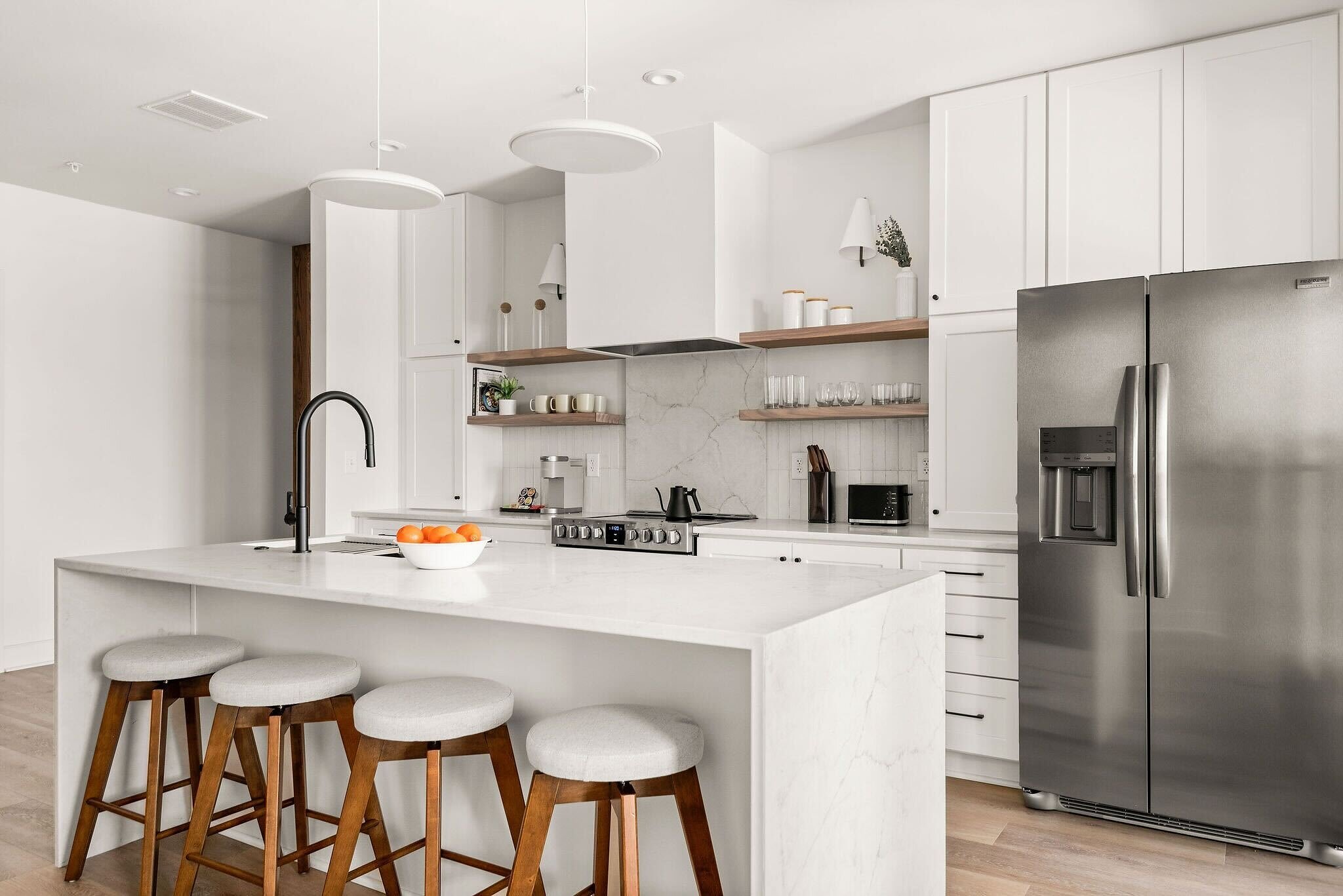
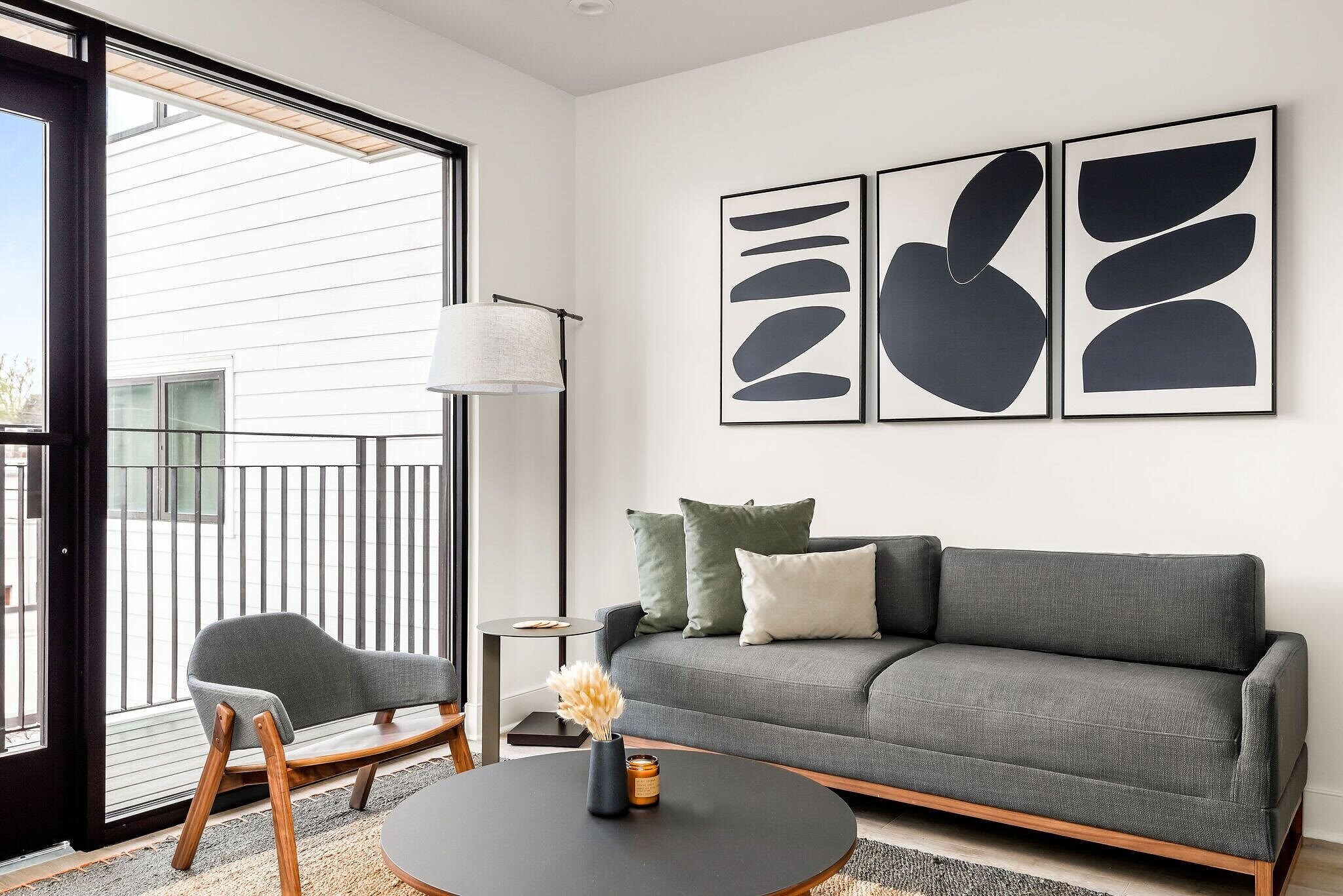
The Austin company, founded by Nitesh Gandhi in 2016, furnished apartments and operated apartment-hotels for short and extended stays. Guests got kitchens, living space, in-unit laundry and digital access, with hospitality support attached. Families, business travelers and people staying beyond a quick weekend were its audience. The attraction was practical: you could make breakfast, finish work and wash tomorrow’s shirt without organizing three separate expeditions.
Gandhi had worked in hotels and vacation rentals. In a 2019 interview, he described an opportunity created by newer apartment buildings, improved amenities and technology such as smart locks. The raw materials already existed. Locale arranged them into a recognizable hospitality product. A rooftop pool helped sell the photograph; the kitchen helped sell the second week.
02A hotel hidden in somebody else’s building
Locale occupied an interesting middle ground. A conventional hotel sells a managed stay. An individual vacation rental sells a particular home, with the experience depending on its host. Locale sought the space of residential accommodation with a more consistent operator behind it. Guests could discover its properties through Airbnb and online travel agencies, as well as book directly.
The other customer owned the building. Locale partnered with developers and property owners, supplying design, furnishings and hospitality operations. It could run a whole apartment-hotel or a portion of a larger residential development. To understand the company, follow both purchases: the traveler buys a stay; the owner buys someone capable of turning apartments into a lodging business.
Pricing, guest messages, cleaning coordination and property reporting are less photogenic, yet determine whether the pretty rooms work. Locale’s published operating approach combined local teams with centralized commercial functions. Its expertise sat at the intersection of interior design, real estate and everyday hotel operations. Technology helped guests enter the room and reach support; people still had to deliver the stay.
03Eleven keys, twenty-seven apartments, fifteen residences
The Eighteen, announced for April 2023 in East Nashville’s Five Points neighborhood, made the concept tangible. Its 11 rental units included two penthouses. Guests had full kitchens, washers and dryers, a rooftop deck and a virtual concierge.
Phoenix showed the alternative. Locale’s September 2023 announcement with The Dinerstein Companies described 27 furnished apartments inside Aspire Park Central. The location was within walking distance of Creighton University and St. Joseph’s Hospital and Medical Center. Building amenities included a pool and coworking space. Here the hospitality operation lived inside a residential community; proximity gave the address a purpose beyond sightseeing.
At Springline in Menlo Park, Locale announced 15 one- and two-bedroom residences in March 2023 through a partnership with Presidio Bay. Guests could use a coworking lounge and a golf simulator, among other amenities. The lesson was geographical specificity: a stay near Silicon Valley employers requires a different neighborhood proposition from an East Nashville weekend. The domestic equipment could repeat while the surroundings did the interesting work.
Philadelphia followed in March 2024 with Locale North Broad. Its announcement emphasized apartment-style accommodation, a rooftop and an onsite Santucci’s Pizza restaurant. Across these openings, Locale’s promise stayed legible: borrow a neighborhood, retain your routines, and have an operator to call.
04The lease was the heavier piece of furniture
Growth required money. Locale announced a $2.5 million seed round in April 2019 led by Amplo and Susa Ventures. In January 2020, it announced an $11 million Series A led by Amplo, with Susa Ventures and Metropolis Capital Partners participating. Contemporary reporting put cumulative funding at roughly $14 million.
Then came a change more consequential than another opening. In his acquisition announcement, Gandhi said Locale had survived COVID and moved from a lease-heavy model to a fee-based approach. His account identifies the commercial structure as something the company changed. It does not establish that a particular property failed or assign a dollar loss to the pandemic.
The economic difference is straightforward. If an operator owes rent, that obligation persists when guests disappear. Under a management arrangement, the operator earns fees for running the property. In 2023, Locale described agreements with a base fee and an incentive fee after owners received a priority return. The shift changed how the operator earned money and where property exposure sat. It did not make demand, staffing or upkeep optional.
“transitioning from a lease-heavy model to a fee-based, asset-light approach”
Nitesh Gandhi / acquisition announcement, 2025
05The name on the door changes again
Mint House announced its acquisition of Locale on February 11, 2025. Consideration included cash and stock. The plan was to rebrand Locale properties and integrate them into a combined portfolio of 22 properties across 13 markets. All Locale employees were to join Mint House, while Gandhi would remain involved as a senior advisor. Twenty-two was the combined footprint, not Locale’s standalone count.
In January 2026, Kasa announced a combination with Mint House. The transaction’s legal adviser described an acquisition of Mint House assets in an all-equity deal. Kasa emphasized distribution, revenue management, sales and operating efficiency. These developments place Locale’s story within a consolidating apartment-hotel market, rather than leave it frozen as an independent startup selling nights under its original name.
06Copy the routine, inspect the economics
For a traveler, the useful comparison is the whole stay: sleeping arrangements, kitchen equipment, laundry, support, parking and total booking cost. A family or visiting professional may value those features more than a grand lobby. Someone who wants an attended front desk and daily hotel rituals should examine the specific property’s service offering before choosing.
For an owner, the transferable idea is to pair a suitable building with demand for flexible stays, then give operations clear responsibility. Locale’s 2019 announcement stressed working with local governments and operating in commercial and mixed-use zones. Permission, location and building compatibility belong in the calculation alongside nightly rates. A management contract cannot manufacture visitors or erase furnishing costs.
Locale’s story suggests that hospitality innovation can begin with something wonderfully unglamorous: making normal life easier elsewhere. But the operator needs its own conveniences, too. The guest may want a washing machine. The business needs contracts it can live with.