3d-printing
(21)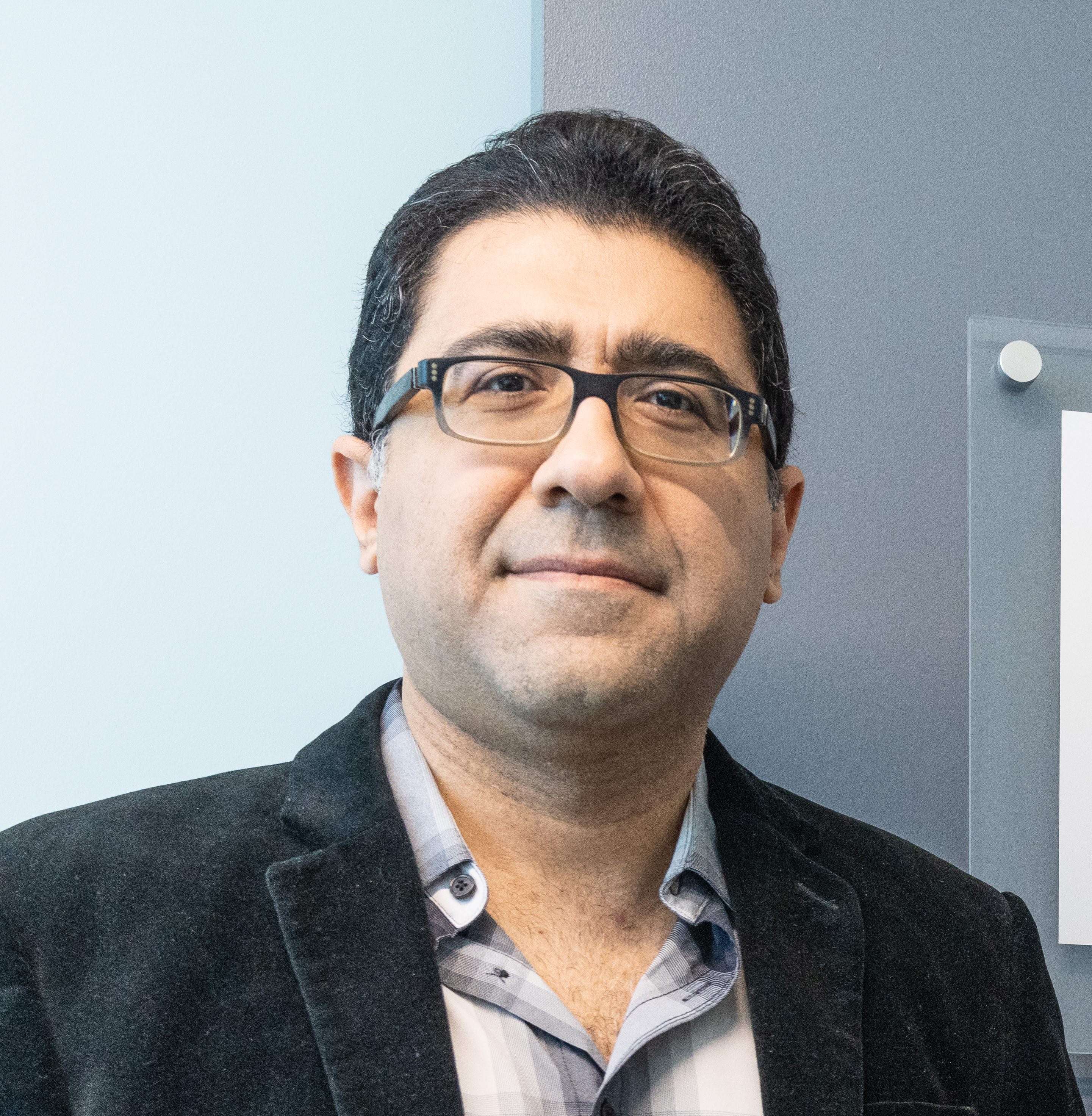
Ali Tamijani Wants 3D Printing to Learn From the Toolpath
The aerospace professor turned founder is building software that remembers a printed part is made in layers - and that the path from a phone photo to a trustworthy component should not take weeks.
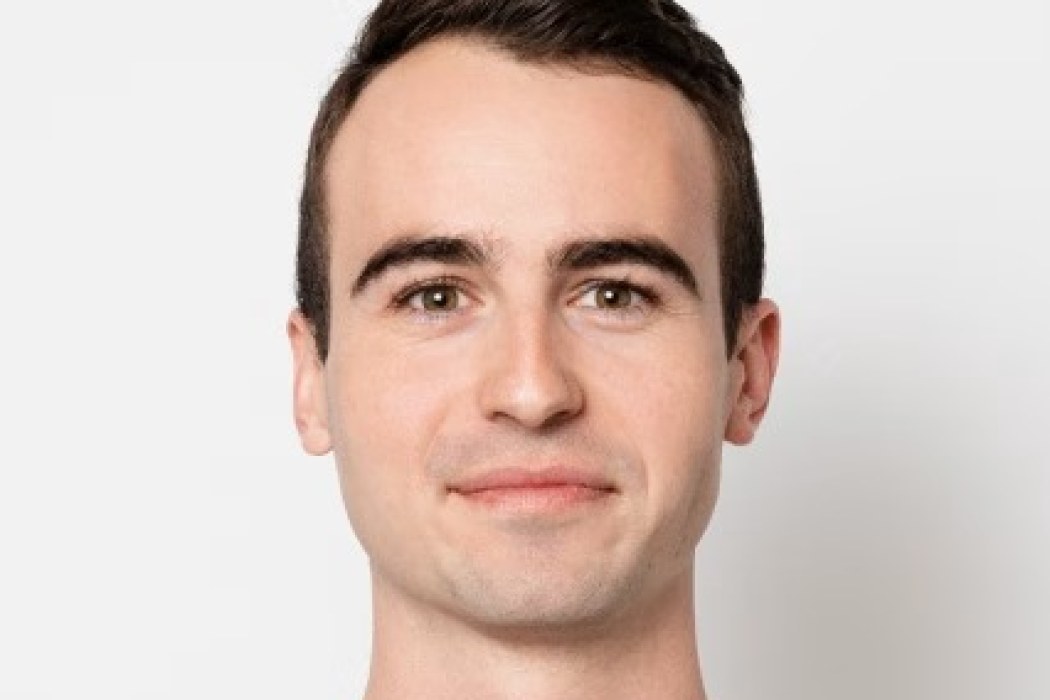
Cédric Kovacs-Johnson
Cédric Kovacs-Johnson is the founder and CEO of Flume Health, a New York-based software company that connects the fragmented healthcare data ecosystem so payers and employers can build and run health plans more efficiently. A chemical engineer by training, he first made his name as co-inventor of Spectrom, a full-color 3D printing technology that won the 2014 Collegiate Inventors Competition and was acquired by MakerBot. He founded Flume Health in 2017 and has raised more than $40 million in venture funding, including a $30 million Series A in 2022.

Marleen Vogelaar
Marleen Vogelaar is a Dutch entrepreneur who co-founded Shapeways in 2007, helped build it into the world's largest 3D printing marketplace, left in 2014 to start the on-demand apparel company Ziel, and then returned to Shapeways as CEO in December 2024 after the company went bankrupt - buying back the brand and rebuilding it around a leaner, B2B, profit-first model. A former competitive heptathlete and industrial engineer, she is known for pairing operational discipline with an insistence that a company's mission should not be hostage to its investors, an idea she put into practice by converting Ziel to steward-ownership.
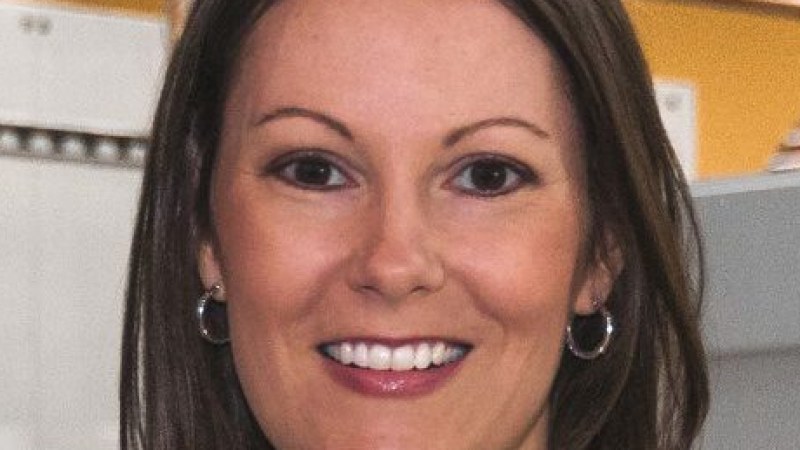
Caralynn Nowinski Collens
Caralynn Nowinski Collens is a physician-turned-entrepreneur and the co-founder and CEO of Dimension Bio (formerly Dimension Inx), a Chicago biotechnology company building regenerative therapeutics that give the body a blueprint to heal itself. Its BioNidum platform fuses materials science, 3D-printing, and digital manufacturing to turn cells into implantable, tissue-like therapies. Before biotech, she spent eight years co-founding and running UI LABS, the innovation collaborative that launched MxD, the U.S. national hub for digital manufacturing. She trained as an M.D./MBA at the University of Illinois at Chicago and has been recognized on Crain's Forty Under Forty, Tech 50, and Notable Women in STEM lists.
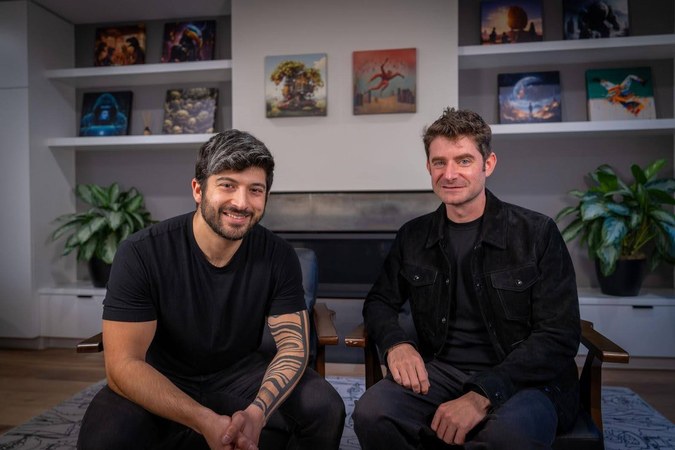
Gregory Mark
Gregory Mark is a three-time founder and MIT-trained aerospace engineer who is rebuilding how physical things get made. After inventing continuous carbon fiber 3D printing and taking Markforged from a garage idea to a $2.1B public company, he launched Backflip AI in 2024, a generative AI tool that turns text, sketches, and scans into 3D-printable, manufacturable models. Backflip raised a $30M Series A co-led by NEA and Andreessen Horowitz, with angels including Microsoft CTO Kevin Scott and 'Attention Is All You Need' co-author Ashish Vaswani.
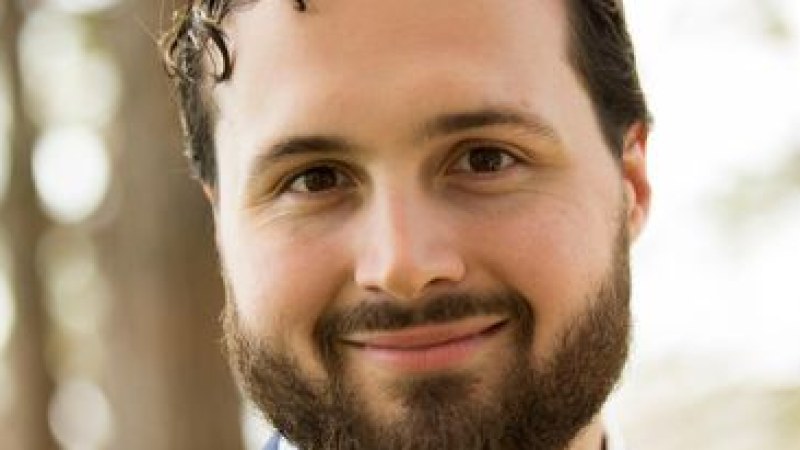
James Hedrick
James Hedrick is the co-founder and CEO of Azul 3D, a Skokie, Illinois deep-tech company commercializing HARP (High Area Rapid Printing), a resin 3D-printing technology he helped invent during his PhD at Northwestern University in Chad Mirkin's lab. HARP uses a flowing, non-stick liquid interface to carry away heat, letting large parts print continuously up to 100 times faster than layer-by-layer machines - fast enough and strong enough to challenge injection molding. Hedrick started his first company at 16 to pay his way through MIT, where he was an NCAA athlete, and was named to the Forbes 30 Under 30 Manufacturing & Industry list in 2020.

Jifei Ou
Jifei Ou is the founder and CEO of OPT Industries, a Medford, Massachusetts company that turned a decade of MIT Media Lab research into a new kind of factory. After nearly seven years spent learning to 3D-print fur, hair, and micro-textures no mold could produce, Ou built RAMP, described as the world's first roll-to-roll 3D printing system, which prints intricate microstructures by the mile. Rather than sell machines, OPT sells the products it makes on them - false eyelashes, beauty applicators, and diagnostic swabs that outperformed the gold standard during COVID. Ou raised $15M in Series A funding and is betting that reconnecting design and production can bring precision manufacturing back onshore.
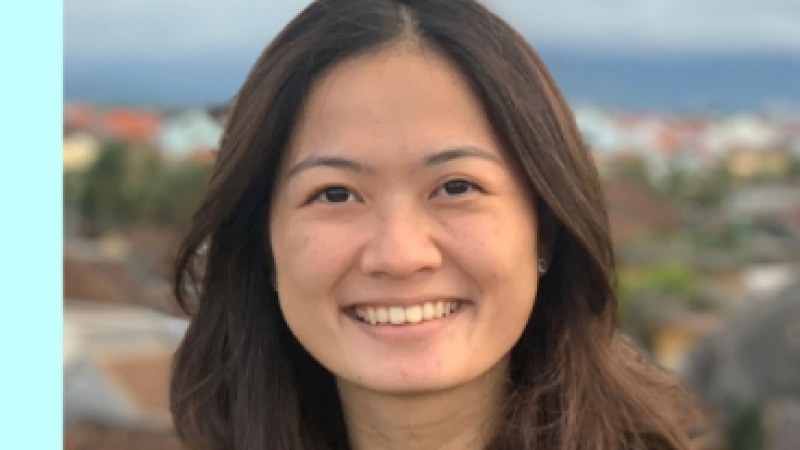
Alexandra Zhang
Alexandra Zhang is the co-founder and CEO of Factorem, an AI-native, on-demand manufacturing platform born in Singapore that connects hardware and photonics teams with a vetted network of factories across Southeast Asia. After hitting sourcing walls as an engineer building EV transmissions in Toronto, she built the platform she wished she'd had: instant quotes, no minimum order quantities, and lead times cut from months to days. A Forbes 30 Under 30 honoree, she relocated from Singapore to Colorado to open the U.S. market, which now drives nearly half of company sales.

Mike Zimmerman
Mike Zimmerman is the founder and CEO of Z-Polymers, the Lowell, Massachusetts company behind Tullomer, a melt-spun super polymer marketed as stronger than PEEK and stainless steel yet light enough to print on a desktop 3D machine. A career materials scientist with a PhD in mechanical engineering, he spent nearly 15 years at Bell Labs and Saint-Gobain before founding a string of deep-tech ventures including Quantum Leap Packaging and the solid-state battery company Ionic Materials. He has also taught materials science at Tufts University for more than three decades.
Nicholas Callegari
Nicholas Callegari is the founder, chief engineer, and CEO of Verustruct, a New Haven climate-tech startup building gantry-less 3D printing robots that print entire load-bearing walls - plumbing, wiring, and insulation included. A former SpaceX structures engineer who helped design the Polaris Dawn spacewalk hardware on the Dragon spacecraft, he traded orbit for the housing crisis, betting that the same first-principles engineering used for spacecraft can cut home construction costs in half. He is a 2026 Forbes 30 Under 30 honoree in Manufacturing & Industry and a Yale School of Management MBA.
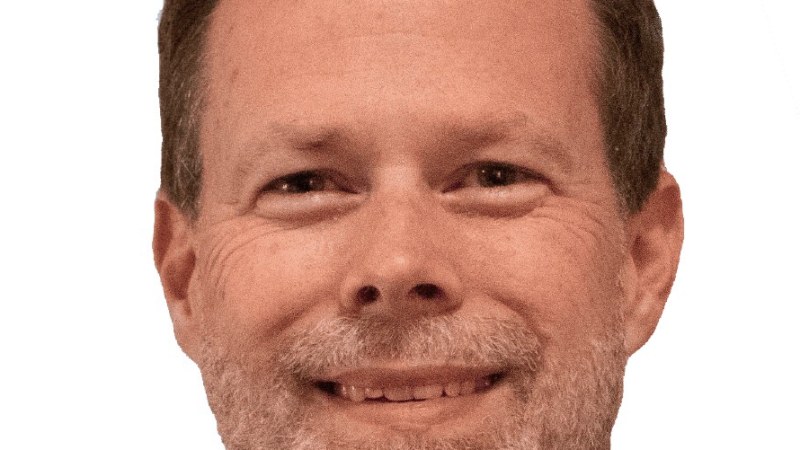
Brad Kreger
Brad Kreger is a medical device and manufacturing executive who became CEO of Baltimore-based CoapTech in November 2025, taking over from co-founder Howard Carolan. He brings nearly three decades of operations experience, most recently turning around metal 3D-printing company Velo3D as its CEO, with earlier senior roles at Fluidigm/Standard BioTools, Thermo Fisher Scientific, and Affymetrix. At CoapTech he leads commercialization of the percutaneous ultrasound gastrostomy (PUG) system, an ultrasound-guided method of placing feeding tubes at the bedside that has been used in more than 1,000 patients.
John Kawola
John Kawola is a 3D printing industry veteran who has spent nearly three decades turning niche additive-manufacturing technologies into real businesses. He led Z Corporation through the dawn of full-color 3D printing, ran a farm-and-warehouse robotics company, built Ultimaker's North American footprint, and then took the helm of Boston Micro Fabrication (BMF), the company making 3D printers that resolve features down to two microns - smaller than a human hair. In 2025 he handed off the CEO role at BMF to become a strategic advisor.

Lukas Czinger
Lukas Czinger is the co-founder and CEO of Divergent Technologies, a Torrance-based company that built an end-to-end digital manufacturing platform fusing AI-driven generative design, metal 3D printing, and automated robotic assembly. He is also co-founder of Czinger Vehicles, whose 3D-printed 21C hypercar has shattered production-car lap records at tracks like Laguna Seca. A Yale electrical engineering graduate and former investment banker, he joined his father Kevin's startup at the most junior rung and climbed to run the company, holding close to 60 personal patents while pushing the platform from supercars into aerospace and defense.
Paul Powers
Paul Powers is the co-founder and CEO of Physna, the Ohio startup teaching computers to understand the physical world by turning 3D geometry into searchable 'Physical DNA.' A homeschooled kid who entered Harvard at 16 and later passed the German bar exam in a foreign language, he turned an intellectual-property obsession into a geometric-search company backed by Sequoia, Tiger Global, and Drive Capital. Physna also runs Thangs, a community platform of tens of millions of 3D models that he describes as the GitHub for hardware. A Forbes 30 Under 30 honoree, Powers is one of the most prominent founders building deep-tech outside Silicon Valley.
Steve Hoover
Steve Hoover is the CEO of Impossible Objects, the Northbrook, Illinois company commercializing CBAM (composite-based additive manufacturing), a from-the-ground-up 3D printing process that bonds carbon fiber and other composites into parts that are stronger, lighter and more heat-tolerant than conventional prints. A mechanical engineer with a Carnegie Mellon doctorate, he spent roughly two decades at Xerox, rising to corporate CTO and running PARC as CEO, before a stint leading RIT's Global Cybersecurity Institute and co-founding the art-recognition startup Artify.ai. He took the Impossible Objects helm in March 2023 to push composite 3D printing from prototypes into high-volume manufacturing.
Natan Linder
Natan Linder is the cofounder and CEO of Tulip Interfaces, the no-code frontline operations platform that reached a $1.3B valuation with its $120M Series D in January 2026. An MIT Media Lab PhD out of Pattie Maes' Fluid Interfaces Group, he also cofounded and chairs Formlabs, the desktop 3D-printing company behind the Form 1 Kickstarter. He wrote the book Augmented Lean and hosts the Augmented Ops podcast, arguing that software should give frontline workers superpowers rather than automate them away.
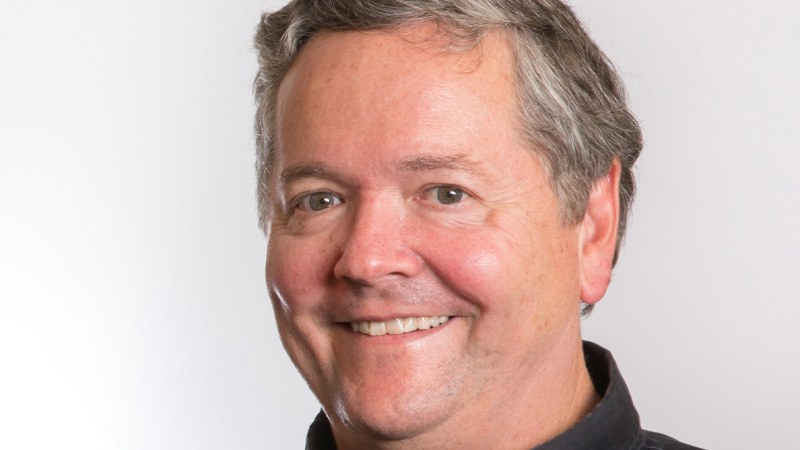
Dale Dougherty
Dale Dougherty is the founder of Make: magazine and Maker Faire, and widely credited as the father of the Maker Movement. A co-founder of O'Reilly Media, he launched the internet's first commercial web portal (GNN) in 1993, helped popularize the term 'Web 2.0' in 2004, and coined the word 'makers' to describe hands-on creators and tinkerers. Today he leads Make: Community LLC, an organization that inspires millions through DIY technology, education, and events spanning 40+ countries.
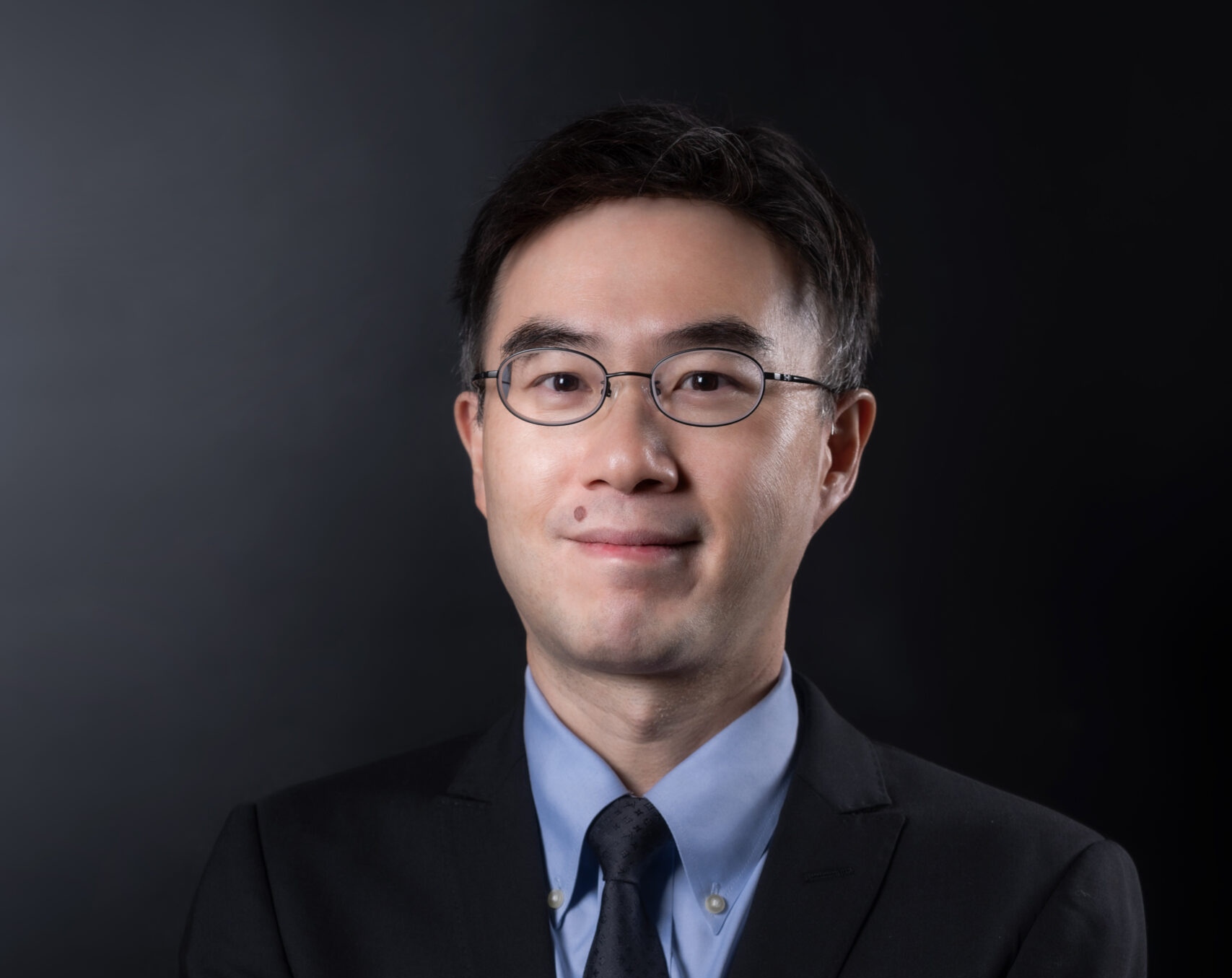
Mike Yang
Mike Yang is the co-founder and CEO of LuxCreo, the company behind the world's first FDA Class II 510(k)-cleared direct-print clear aligner. A Harvard PhD and Wharton MBA, Yang spent a decade at Bloom Energy raising over $1B in green technology before pivoting to reinvent dentistry with light-based additive manufacturing. Under his leadership LuxCreo secured backing from Kleiner Perkins, achieved FDA clearance in 2022, launched in Europe in 2025, and is pushing same-day, in-clinic aligner production into mainstream dentistry.

Yuyo Llamazares Vegh
Yuyo Llamazares Vegh is the CEO and Co-Founder of Stämm, a San Francisco-based biotech company reinventing biomanufacturing through miniaturized 3D-printed microfluidic bioreactors. A native of Argentina with a background in agricultural engineering and bioprocesses from the University of Buenos Aires, Yuyo co-founded Stämm in 2016 alongside his cousin Federico D'Alvia Vegh after spotting a fundamental gap between biology's potential and the outdated tools available to harness it. Stämm's platform - desktop-sized, modular, and scalable - is designed to make the production of biologics, cell therapies, and gene therapies accessible and repeatable at any scale. The company has raised over $17 million including a Series A led by Varana Capital with participation from Draper Associates and SOSV's IndieBio, and has attracted former Merck KGaA CEO Stefan Oschmann to its board. Yuyo was selected as an Endeavor Entrepreneur in 2023.
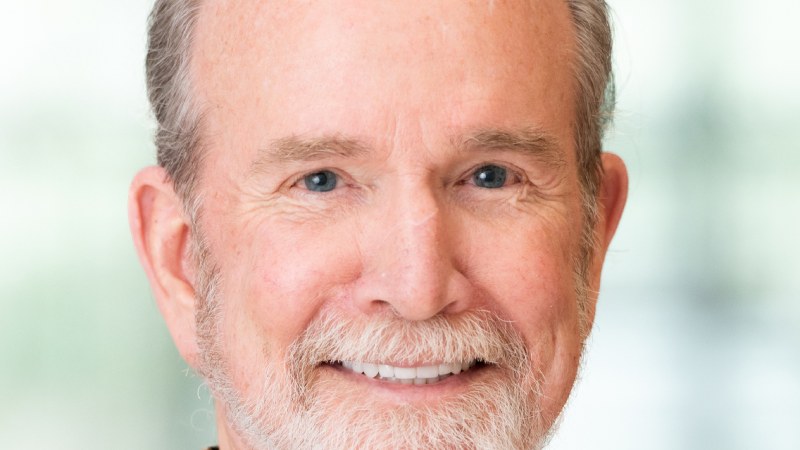
Forest Baskett
Forest Baskett is a Special Partner at New Enterprise Associates (NEA) in Menlo Park, California, where he has been investing in technology companies since 1999. A systems-level computer scientist by training, he co-designed the original Sun workstation with Andy Bechtolsheim, designed the operating system for the Cray-1 supercomputer, founded DEC's Western Research Laboratory, and served as CTO of Silicon Graphics during the formative years of 3D graphics. He earned a BA in Mathematics from Rice University and a PhD in Computer Science from the University of Texas at Austin, later becoming a professor of Computer Science and Electrical Engineering at Stanford. He was elected to the National Academy of Engineering in 1994. At NEA, he has guided dozens of technology investments to successful IPOs and acquisitions, backing companies across semiconductors, storage, cloud security, robotics, and AI.
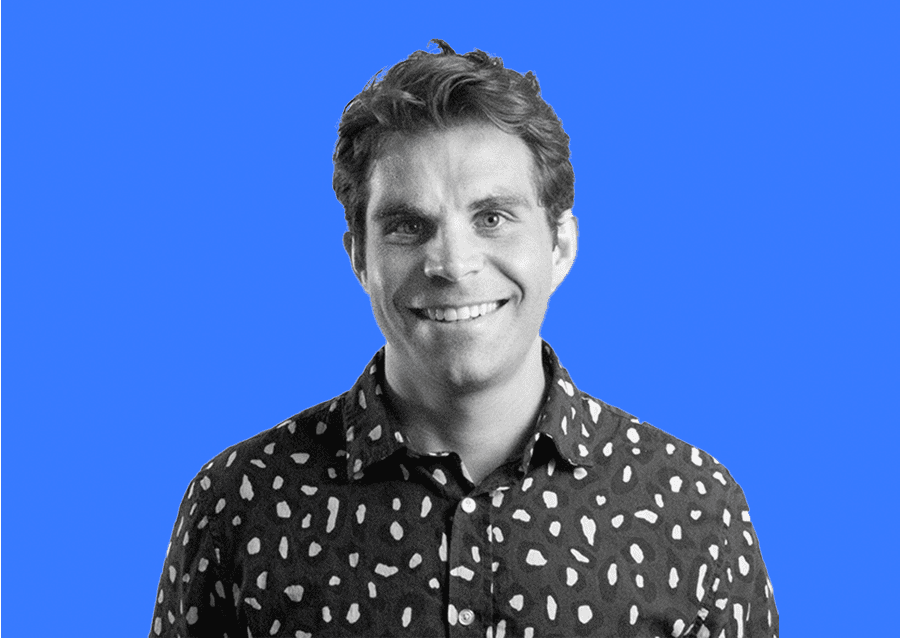
Riley Reese
Riley Reese is the CEO and co-founder of ARRIS Composites, a Berkeley-based advanced manufacturing company that invented Additive Molding - a patented process combining 3D printing and compression molding to produce continuous carbon-fiber composite parts at commercial scale. A materials scientist who once built biodegradable heart tissue scaffolds at UC Berkeley, Reese pivoted that same obsession with fiber architecture into a $157M-funded company whose technology now shows up in Brooks running shoes, Skydio drones, and bicycle spokes. He previously co-founded AREVO, worked at medical device giant Stryker, and led additive manufacturing programs in Amsterdam at TNO - before returning to Berkeley to tackle what he calls 'a new manufacturing category.'