There is a peculiar problem with making a machine safer: the person who needs protection may also need to stand beside it. In underground mining, proximity is part of the work. Draw an indiscriminate circle around a moving machine and you can interrupt the very task it exists to perform. Draw the boundary carelessly and you leave someone exposed. Matrix Design Group has built a business around the uncomfortable space between those two outcomes.
- Mining is the proving ground; warehouses are an expanding market.
- IntelliZone uses wearable locators. OmniPro uses tag-free visual AI.
- Useful detection depends on the zone, the equipment and the response.
A danger zone with some manners
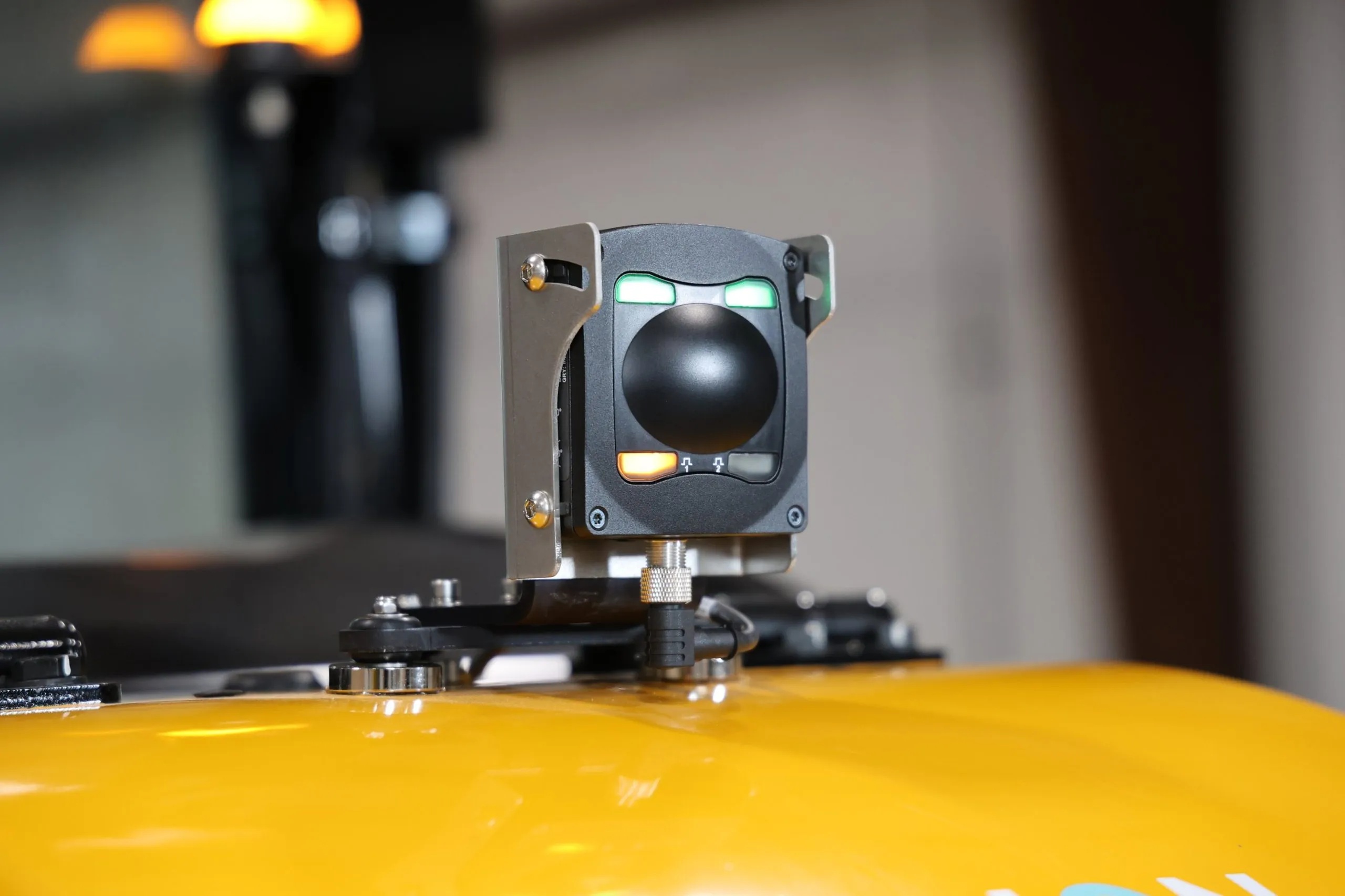
Matrix’s IntelliZone proximity system uses personal locators and programmable boundaries around equipment. Its SharpZone technology can define straight lines, angles and designated operator areas. Zones change with the machine’s activity and speed. A shuttle car moving faster needs a longer forward zone; an operator working in an approved position should not automatically set off the alarm.
The distinction sounds small until you imagine hearing the same unnecessary warning all shift. Matrix explicitly designs for fewer nuisance alerts. The inference is straightforward: a warning needs to be both timely and credible. A system that constantly misunderstands ordinary work gives its users another problem to manage. Precision here includes knowing when to leave people alone.
EQUIPMENT
The IntelliZone brochure dates its first installation to 2009. Its examples include detection through ventilation curtains and zones that shrink during cutting and expand during travel. That is a practical form of expertise: understanding a machine well enough to distinguish its different jobs, rather than treating every moment near it as the same event.
The mine comes with the company
Founded in 2006, Matrix belongs to Alliance Resource Partners, which reports acquiring the business that September. This ownership gives it an unusual development resource. Its parent operates the kinds of mines where the technology must work. Matrix describes access to those operations as a way to validate designs and refine them under production conditions.
There is a lesson here for anyone building industrial products. A demonstration can establish that something works once. Operating equipment presents repeated opportunities to discover what needs changing. Matrix also controls design, engineering, manufacturing and field support. Its stated approach keeps the people receiving feedback connected to the people who can change the product.
One pleasingly unglamorous example is its SCOOP mining machine. Matrix says it studied where conventional scoops suffered structural failures, then used Hardox steel and a one-piece ejector blade to address weaknesses associated with two-piece designs. Sometimes the interesting innovation is a different piece of steel.
Now give the forklift eyes
The same basic collision problem appears above ground, in warehouses, factories and distribution centers. People and mobile equipment share confined spaces. An operator’s attention is finite. A pedestrian can enter a blind spot. Matrix’s OmniPro Vision AI brings camera-based detection into that encounter, without requiring each person to wear a tag.
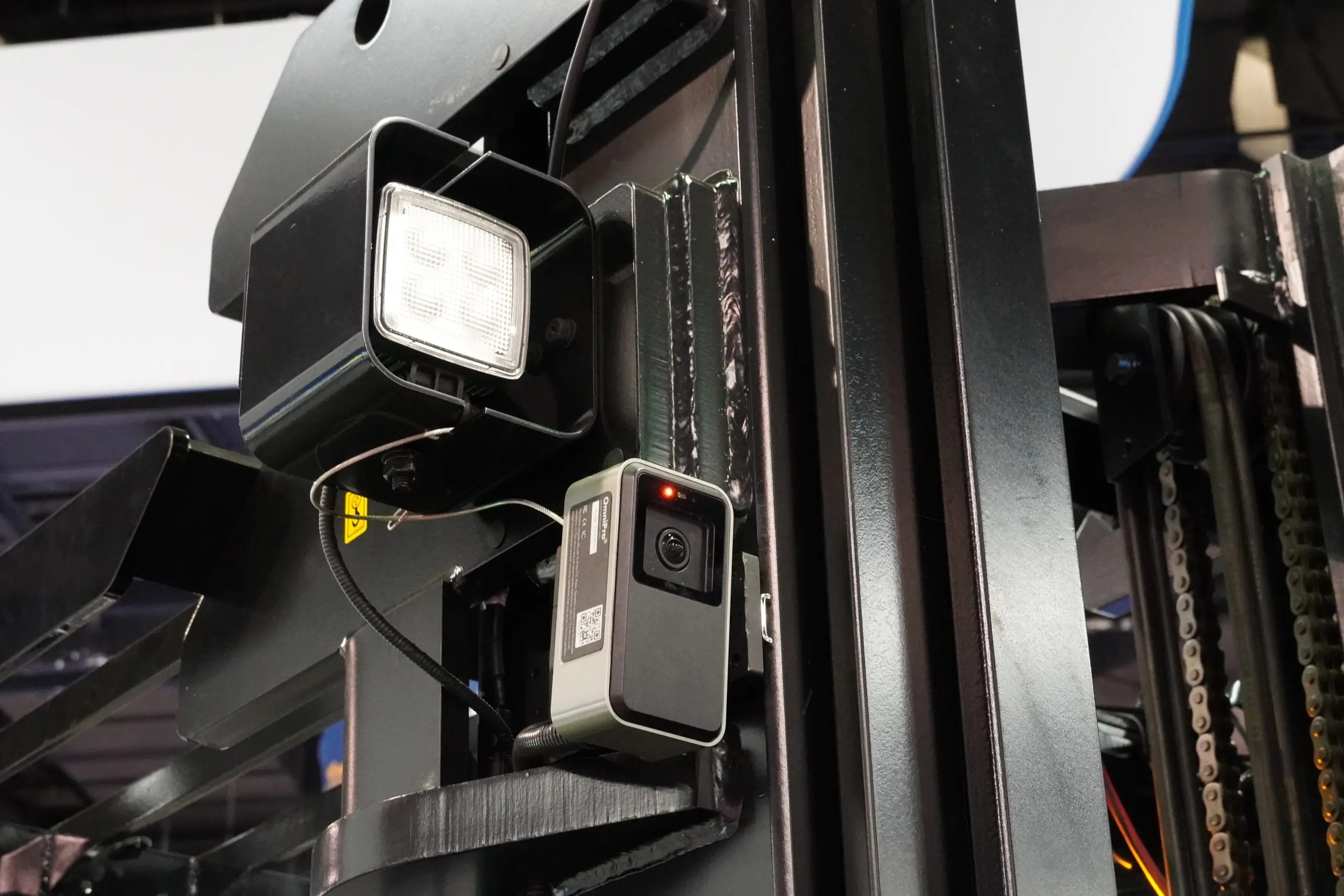
OmniPro processes detections at its edge cameras and provides visual or audible alerts. Its hub supports up to four cameras, with customizable detection zones. Optional displays and machine integration add further responses. Cloud reporting brings time-stamped images and event information to the people reviewing operations. A repeated encounter at one corner can become something a manager examines, rather than another story told after a shift.
There is outside recognition behind the product lineage. In 2020, NIOSH recognized Matrix for an AI collision-prevention system installed with River View Coal on a haul truck. Enhanced IntelliZone followed with a 2021 award. These are specific technology achievements; they do not establish that every later installation will produce the same results.
Seeing is only the first step
The June 2026 Hyundai Material Handling partnership makes the next step tangible. HiVision, powered by OmniPro, puts detection into the lift-truck platform. At MODEX, the companies demonstrated forward and rear obstacle detection, visual alerts progressing from green to yellow to red, and speed reduction through CAN-bus integration as proximity became critical.
“The value of this technology extends well beyond collision avoidance.”Mark Watson, CEO / June 2026
The important purchasing distinction is between spotting a hazard, warning someone and changing the machine’s behavior. They involve different configurations. Installing a camera does not, by itself, establish automatic intervention. Buyers need to specify the response they want and check the integration required to deliver it.
What the hardware cannot decide
Matrix sells into a market with established alternatives, including Strata Worldwide’s HazardAVERT proximity detection and HazardAI vision products. Matrix’s particular proposition combines mining experience, shaped zones, cameras, software and service. Choosing among systems requires matching the detection method to the work, including whether people can reliably carry locators and whether the equipment can accept control integration.
Environmental conditions matter, too. Matrix now offers an OmniPro Radar Sensor for obstacle detection and distance measurement where dust or lighting limits cameras. That addition makes the limits of vision concrete. Different sensors contribute different information; choosing the combination requires understanding the blind spots of the workplace and the devices themselves.
A business built around the installation
Matrix’s commercial model includes equipment and software, installation, training and continuing support, with OEM partnerships extending distribution. Its products are sold through a quotation process. A sensible buyer’s calculation includes coverage, installation, machine interfaces and service, alongside the consequences of downtime. Comparing camera prices alone would leave much of that decision untouched.
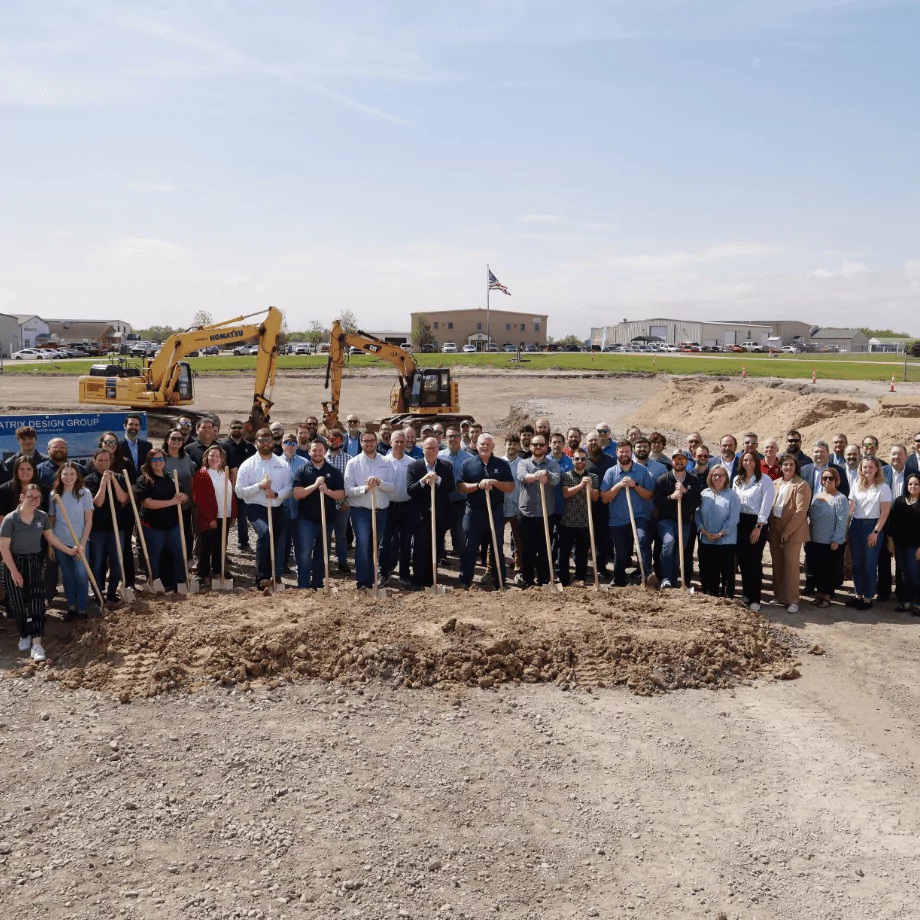
By June 2026, the regional economic partnership reported that Matrix occupied its new 40,000-square-foot headquarters and was adding testing capacity. The investment fits the business: make something, put it to work, listen, revise. For another operator, the useful idea to copy is equally concrete. Start with a particular hazardous interaction. Define the warning and response. Then use the recorded encounters to change how the work happens.