A car can be beyond repair while its engine is perfectly useful. That small distinction contains an entire business. Somewhere, a driver needs the component that another vehicle can no longer use. Between them sit the awkward questions: Which part fits? What condition is it in? Who will deliver it? Who answers if something goes wrong?
- LKQ sells recycled, aftermarket and remanufactured parts, plus paint, accessories and repair services.
- Its core audience is the professional repair trade, where availability and dependable delivery matter alongside price.
- After years of acquisitions, the company is simplifying its portfolio and reviewing strategic alternatives.
The useful half of a wreck
Donald Flynn recognized the opening in 1998. He had worked at Waste Management, where combining small operators could make an everyday service more organized. Automotive salvage offered a similar possibility: local businesses, useful inventory and customers who needed a more consistent experience. LKQ began by combining recyclers. Its first three named acquisitions were Triplett Auto Recyclers, Damron Auto Parts and Star Auto Parts.
The name carried the proposition. LKQ came from “Like-Kind-Quality,” an industry term for alternative parts. The company now also uses “Leadership. Know-how. Quality.” The original meaning remains a useful explanation of the product: a repair need not begin with a newly manufactured original part.
Think of LKQ as an organizer of possibilities. It buys salvage vehicles, recovers usable components and sells parts back into the repair market. It also distributes new aftermarket products and remanufactured assemblies. A workshop can choose among different routes to completing the same job. Recovering a useful engine and rebuilding an assembly are different processes; both can extend the working life of materials already made.
A parts counter with a long reach
LKQ expanded beyond salvage into aftermarket parts in 2004. The 2007 Keystone Automotive Industries acquisition widened collision distribution. Euro Car Parts brought European operations in 2011. The assortment now includes body panels, lighting, engines, transmissions, paint and accessories for vehicles ranging from passenger cars to recreational vehicles and heavy trucks.
The customer is usually someone whose own customer wants a vehicle back. Collision shops need replacement components. Mechanical workshops need parts for faults and wear. Bodyshops need coatings and consumables. Specialty businesses serve owners modifying or equipping vehicles. In 2026, LKQ Europe reported supplying more than 100,000 workshops.
- 01 Source a vehicle
- 02 Recover useful parts
- 03 Match and deliver
- 04 Complete a repair
Its business model is practical: purchase inventory, add recovery, rebuilding or distribution work, then earn a margin on the sale. Technical services produce service revenue. Warehouses, branches, ordering systems and delivery routes connect the transactions. The advantage comes from making a broad selection accessible to a busy repairer.
That puts LKQ between several alternatives: dealer parts counters, independent recyclers, competing wholesalers and online sellers. Its proposition combines product choice with logistics and support. A cheap component that arrives too late can keep a repair bay occupied. A useful supplier helps the shop finish the job.
Warranty terms are part of that calculation. LKQ publishes different coverage for collision, mechanical, remanufactured and other products, with optional service agreements for some parts and labor. A buyer should compare the actual part, fitment, delivery commitment and applicable coverage. There is no universal discount or warranty that describes every purchase.
Its salvage strategy also travels through partnerships. The LKQ SYNETIQ venture announced in June 2025 combines LKQ's distribution network with SYNETIQ's dismantling, reuse and remanufacturing expertise. The logic is familiar: a recovered component becomes more useful when a repairer can find and obtain it.
The bill for getting bigger
The network required substantial spending. LKQ completed its Uni-Select acquisition in August 2023 at an enterprise value of approximately US$2.1 billion. The attraction included North American paint distribution and Canadian mechanical parts. The announced plan anticipated US$55 million in annual cost synergies by the third year after closing. That was a target, not money already collected.
2023 acquisition
2025 sale
Scale also creates integration work. In July 2026, LKQ said Germany's enterprise software implementation had disrupted European performance. The quarter's group revenue was $3.4 billion, down 3.0% from a year earlier, and management lowered its full-year outlook. The supplier's internal systems had become part of the customer-service problem.
That episode exposes a condition behind the model: the network must work reliably enough to justify its costs. Repair demand matters too. Fewer repairable claims can weaken orders, while inventory, buildings and delivery operations still need funding. Being large does not remove the need to make each transaction economical.
“simplifying our portfolio of businesses”
Justin Jude, President and CEO · October 2025
The simplification has consequences. LKQ sold Pick Your Part to a Pacific Avenue Capital Partners affiliate in October 2025 for a $410 million enterprise value, subject to adjustments. Management said proceeds would repay debt. Customers should distinguish that former self-service business from LKQ's continuing wholesale recycled-parts operations.
In January 2026, the board launched a strategic review that included a possible sale of the company. The July update said talks with multiple parties remained active. There was no deadline and no assurance of a deal. The acquisitive company was considering a different ownership future.
Fix the electronics. Teach the mechanic.
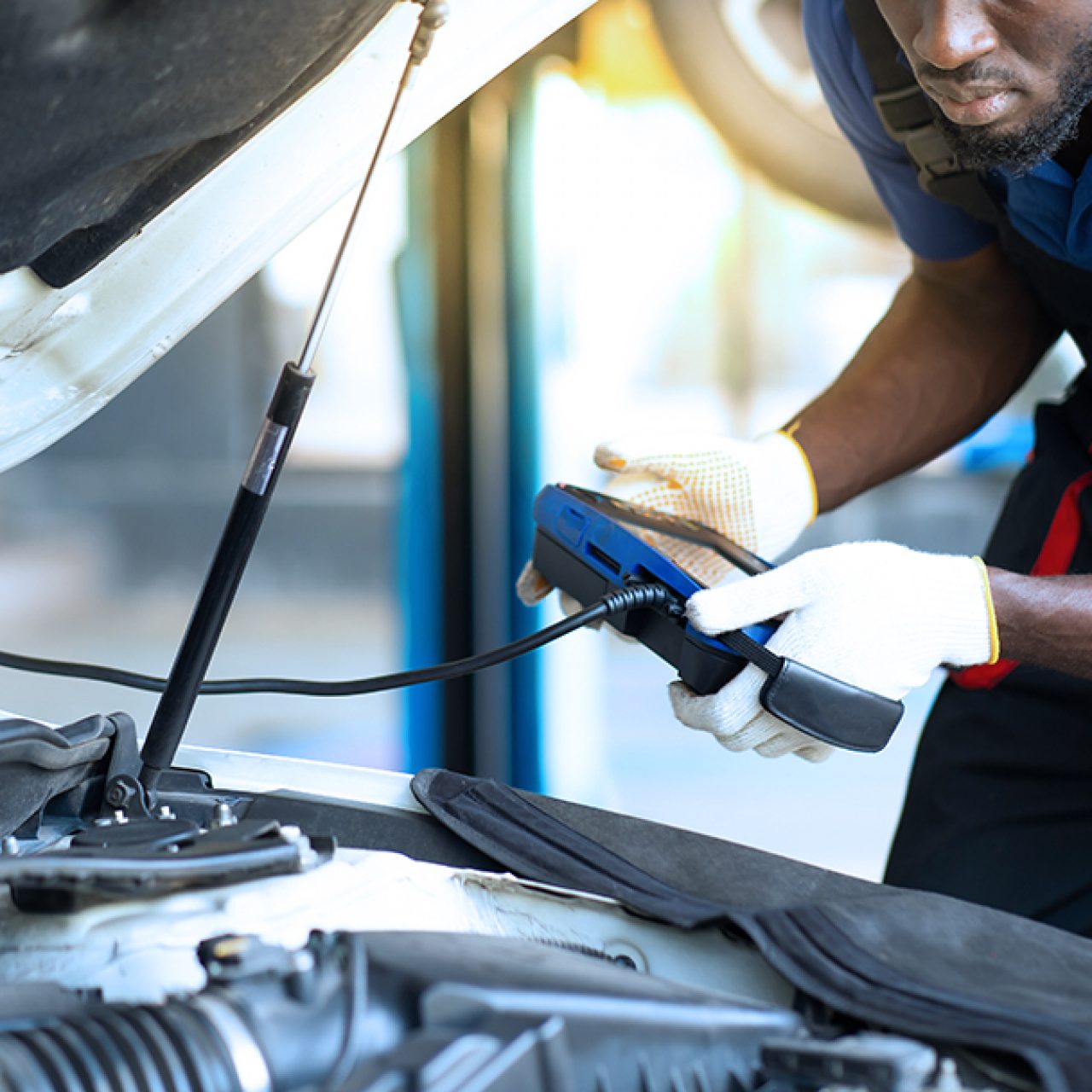
Meanwhile, the repair itself is changing. Elitek offers remote diagnostics and mobile technical services, including programming and advanced driver-assistance calibration. In April 2026, LKQ Europe acquired ACtronics, adding expertise in repairing electronic components such as control units and instrument clusters. Distribution increasingly needs specialist knowledge beside it.
Training follows the same logic. September's LKQ Academy expansion announcement reported more than 70,000 registered European users and over 2,000 courses. Its new online platform began rolling out in the UK and Ireland, with European completion expected by 2027. Technical learning helps independent workshops keep handling vehicles that are becoming more complicated.
Inside the company, LKQ describes employee participation through its Great Ideas initiative, which invites suggestions about operations and customer service. That is a sensible place to look for improvements in a business whose promises depend on thousands of ordinary decisions at counters, warehouses and workshops.
The lesson worth copying is specific: find useful supply that customers struggle to access, then improve selection, reliability and delivery together. The limits are equally practical. A recycled component must suit the vehicle and the repair; some jobs require another solution. LKQ's opportunity begins with recognizing what remains useful. Its harder obligation is getting that usefulness to the person who needs it.