collision-repair
(13)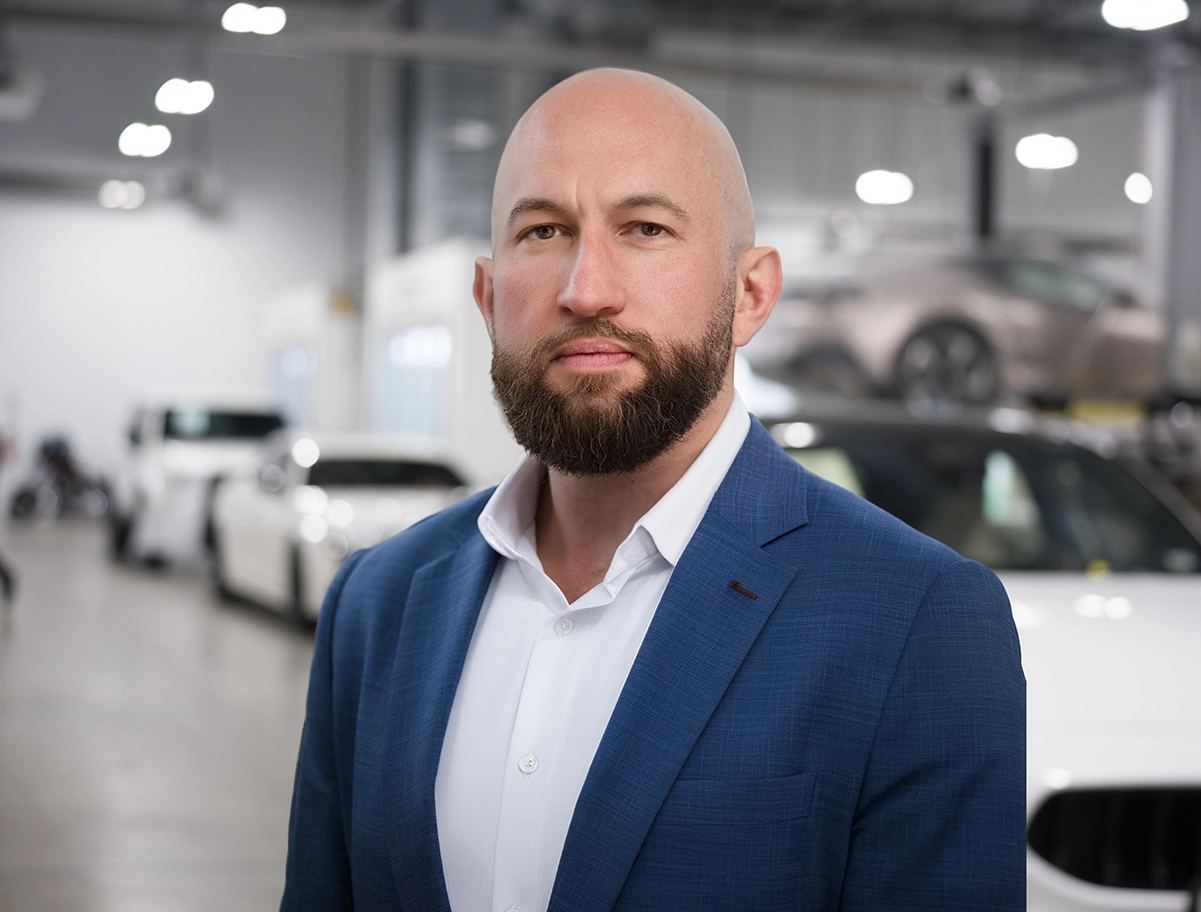
Jerod Guerin Is Building a Collision Empire That Refuses to Sand Off the Names
He went from an Army medic and a wheel-repair route to running a national network of collision shops. His wager is simple: buy respected local operators, keep what made them trusted, and repair the car the way its maker intended.
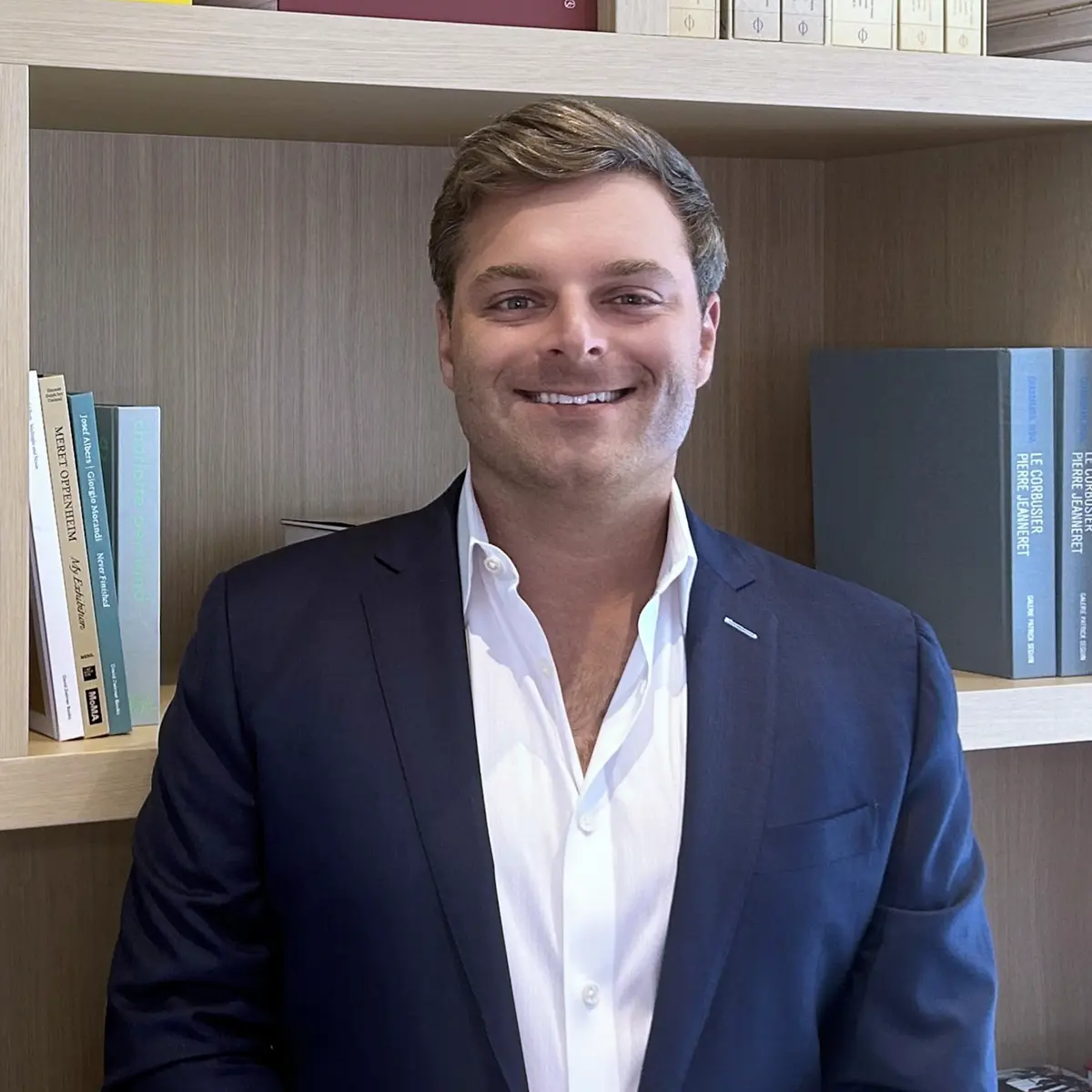
Earl Johnson Left the Trading Desk to Bet on the Body Shop
After years trading global equities, Earl Johnson IV chose a business where the stakes arrive bent, scraped and personal. His wager: independent collision shops can scale without sanding away the craft, culture and local names that earned trust in the first place.
Collision Partners Is Buying Great Body Shops - and Leaving the Names on the Door
Most roll-ups buy a reputation and replace it with a logo. Collision Partners is betting that the name above the garage door - and the craft behind it - is the asset worth keeping.
The Body Shop Roll-Up Betting Everything on Doing It the Carmaker's Way
Jerod Guerin left a decade at Service King to build Quality Collision Group - 100-plus OEM-certified collision centers across 13 states, assembled shop by shop, with new manufacturer parts and no shortcuts.
OEC Turned the Parts Counter Into Infrastructure
Born to replace phone-and-fax parts orders, OEC now sits between the companies that build vehicles and the people who put them back on the road - turning scattered inventory, repair procedures and paperwork into one connected workflow.
Atlanta's Biggest Family Car Business Started on a Prison Farm
Jim Ellis turned one Chamblee Volkswagen store into 22 dealerships and 17 brands - and built a half-billion-dollar business on a handshake rule he called the Jim Ellis Promise.
The Company Behind Your Oil Change Is Quietly Building Car Care's Operating System
Driven Brands has turned a scattered chore - keeping a car alive - into a portfolio of familiar local shops backed by one shared machine. Its next chapter depends on making that machine simpler, faster and more disciplined.
The Body Shop That Became a 650-Location Repair Machine
A single Illinois body shop grew into the country’s third-largest collision-repair operator. Its real product is not fresh paint - it is trust, coordination and the ability to make a complicated car whole again.
The Gulf Coast Chain That Sells 15 Badges Under One Name
One Toyota store in Bradenton became 20-plus rooftops and 15 badges. Here is how a Florida family kept buying dealerships while national groups consolidated the rest.
Group 1 Automotive
Group 1 Automotive built a $22.6 billion business by treating the dealership as the beginning of a relationship, not the end of a sale. Its real engine sits behind the showroom door: service bays, parts counters, finance desks and a digital platform designed to keep drivers in the network.
Solera Holdings, LLC.
Solera sits behind the moments when a car is claimed, repaired, sold, tracked, or returned to the road. Its advantage is not one famous app, but a deep reservoir of vehicle data wired into the daily work of insurers, shops, dealers, and fleets.
Kinetic
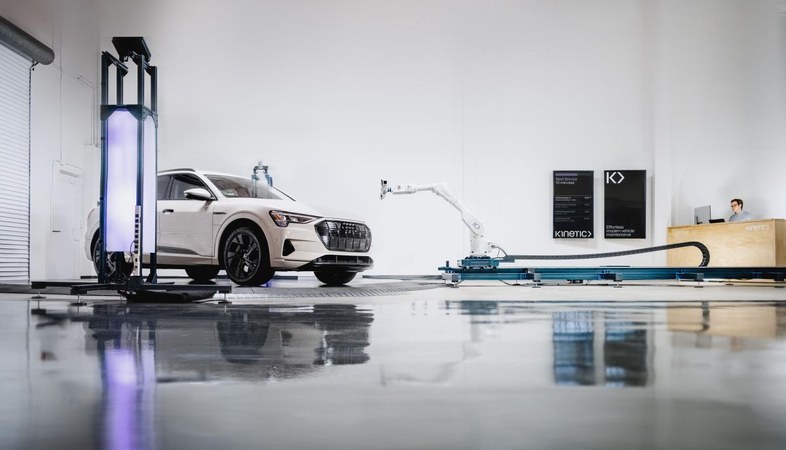
Kinetic is a Southern California startup turning the messy, hours-long job of recalibrating modern vehicle sensors into a 15-minute, robot-run procedure. Through its network of Kinetic Hubs and its in-house AI and robotic arms, it services EVs, ADAS-equipped cars, and eventually robotaxis on behalf of collision shops, dealerships, fleets, and insurers.
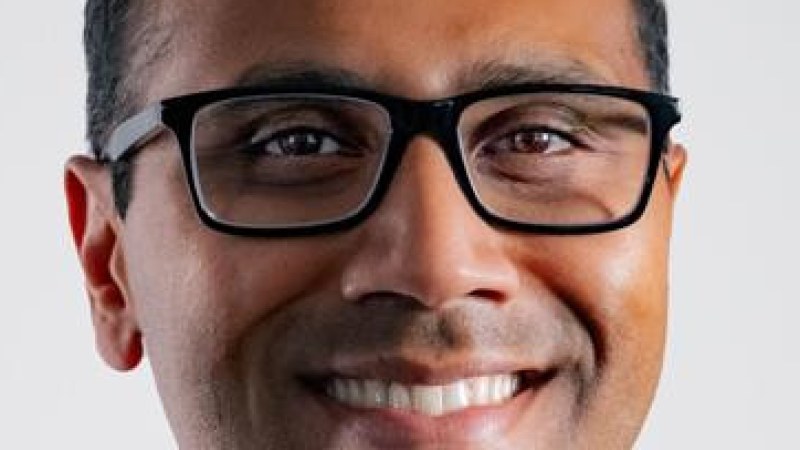
Nikhil Naikal
Nikhil Naikal is the CEO and co-founder of Kinetic, the automotive infrastructure startup using AI, computer vision, and robotics to automate the calibration and digital repair of modern vehicles. A roboticist with a PhD from UC Berkeley and an MS from Carnegie Mellon — where he was part of the 2007 DARPA Urban Challenge-winning Tartan Racing team — Naikal previously founded Mapper.ai (acquired by Velodyne Lidar) and engineered AR software at Flyby Media (acquired by Apple). At Kinetic, he is building a national network of high-throughput digital repair hubs that slash ADAS calibration time from hours to under 15 minutes, backed by $31M in total funding including a $21M Series B led by Menlo Ventures.