The Problem Nobody Wanted to Admit
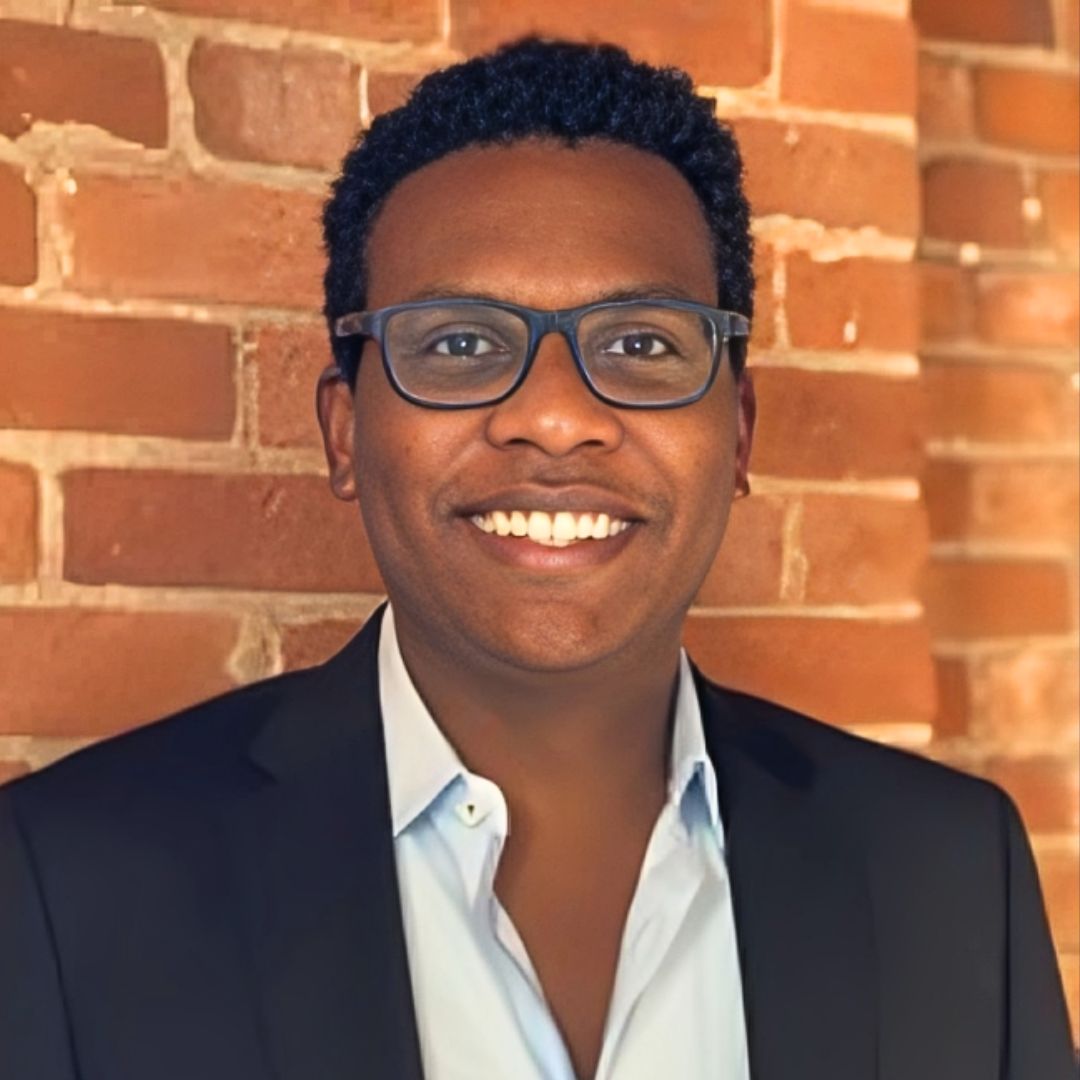
There is a particular kind of embarrassment that only ML engineers know: the model that aced every benchmark, passed every internal review, and then proceeded to hallucinate, discriminate, or quietly produce nonsense the moment real users touched it. Gabriel Bayomi Tinoco Kalejaiye watched this happen enough times - working across 15 teams at Apple - that he decided to stop complaining about it and start building the solution.
Gabriel grew up in Brazil, studied computer science at Cornell, then pushed deeper into the field with a Master's at Carnegie Mellon, where his work was precise enough that 120 academics would eventually cite it. After CMU, he landed at Apple's AI/ML R&D division, where he worked on Siri and - quietly, before the world knew it existed - on Apple Vision Pro.
Vision Pro was the kind of project that clarified things. You were building AI systems that had to work. No excuses, no "good enough for a demo." The product was going in people's faces. And yet the machinery to verify AI systems before they went into people's faces? It was duct tape and prayer. The model building was hard, sure. But as Gabriel puts it:
The hard part was everything around it. How do you test to make sure it's good and safe? How do you monitor it in production?
- Gabriel KalejaiyeIn 2021, Gabriel left Apple with two colleagues - Vikas Nair and Rishab Ramanathan - who had arrived at the same conclusion. They weren't leaving to chase a trend. The LLMOps category didn't really have a name yet. They were leaving because the problem was real, they had felt it personally, and nobody was solving it well.
Y Combinator thought that was a reasonable bet. The trio joined the Summer 2021 batch and started building Openlayer.
What Openlayer Actually Does
Openlayer is not an AI company in the sense that most people mean when they say "AI company." It does not build models. It watches them. It tests them. It catches them when they start to drift, hallucinate, or quietly produce outputs that could get someone sued.
The platform covers the full lifecycle: evaluation before deployment (100+ automated tests), observability in production (real-time monitoring for prompt injection, PII leakage, hallucinations, toxicity), and governance for compliance (EU AI Act workflows, ISO/IEC 42001, NIST standards). It works with LLMs and traditional ML systems alike.
Offline Evaluation
100+ automated tests before deployment. CI/CD integration via GitHub. Catch regressions before users do.
Real-Time Observability
Production monitoring that flags hallucinations, PII leakage, prompt injection, and high-cost traces.
AI Governance
Automated model inventory, risk classification, and compliance workflows aligned to EU AI Act and NIST.
Guardrails
Real-time guardrails that stop bad outputs from reaching users. Bias detection, toxicity filters, fairness checks.
The Integrations That Matter
Openlayer connects natively with OpenAI, Anthropic, GitHub Copilot, Snowflake, OTel, LangChain, Kubernetes, and most major LLM providers. Enterprises already running these stacks can plug Openlayer in without rebuilding what they have.
The approach reflects Gabriel's instinct toward clarity over abstraction. He has described his marketing philosophy as deliberately concrete: "Instead of going to the abstract idea space of like, we make your AI safe, we try to market things more directly." The product follows the same logic - specific integrations, specific failure modes, specific compliance frameworks. Not vibes. Checklists.
The Path Here
The Funding Story
In May 2023, Openlayer raised a $4.8M seed round to expand the team and sharpen the platform. Two years later, in May 2025, Race Capital led a $14.5M Series A - citing nearly 5x growth in 2024 as the reason for conviction.
Chris McCann at Race Capital summed up the bet: "Openlayer's development velocity has been among the fastest in our portfolio - growing nearly 5x in 2024." The Series A is aimed at expanding enterprise-grade capabilities and scaling go-to-market across key industries and global markets.
Who Uses It and Why
Openlayer's roster tells a specific story about enterprise trust. Telefonica Tech embedded the platform to deliver EU AI Act compliance solutions across European and Latin American firms. Amdocs - one of the largest tech providers for telecom companies - called Openlayer "a world-class engineering team that ships new integrations and features every week." The Vercel CEO framed the company's mission as "building the critical infrastructure for the safe deployment of AI at planetary scale."
The platform is now available on Azure Marketplace, and Gartner placed Openlayer in its 2026 Market Guide for AI Evaluation and Observability Platforms - a category that barely existed when Gabriel started building.
When enterprises deploy AI, there's no room for error, especially in customer-facing applications. A single failure can erode trust, disrupt lives, or lead to legal and reputational fallout.
- Gabriel KalejaiyeIn 2024, Openlayer shipped custom metrics support, enhanced test diagnostics, SAML SSO for enterprise security, and new integrations - week after week, every week. The team has roughly 25 people. The velocity is the story.
On Being a Founder
Gabriel has spoken publicly about what building actually feels like from the inside - and it is not the version the press releases favor. "Becoming a founder is a very humbling experience because we learned, like, we can't do this alone." The co-founders brought complementary skills from their Apple work, and the company has operated on a philosophy of fast shipping and constant user contact since day one.
His early principle was simple to state and hard to maintain: "In the very beginning of the journey, the only thing you need to do, at least in technologies, is to ship code and talk to users." What you do not do is build in the abstract, assume the market wants what you think it wants, or wait until the product is perfect.
Gabriel's research background - the 120+ academic citations, the Carnegie Mellon training, the Alexa Prize work - does not make him a theorist. It makes him the kind of builder who can talk to an enterprise CTO about NIST compliance frameworks in the morning and review a pull request for the observability SDK in the afternoon. The range is real, and it shows in how Openlayer is built.
Instead of going to the abstract idea space of like, we make your AI safe, we try to market things more directly.
- Gabriel Kalejaiye