For ten years, Tarka Indian Kitchen collected names. Its VIP email club reached 10,000 members. Then came a different system, and a different clock: nearly 40,000 members in six months, according to its CEO’s testimonial for Como. The tempting explanation is a better app. The more interesting explanation is what happened to the information behind it.
- Como connects purchases, customer profiles and rewards.
- Its useful trick is fitting loyalty into the moment of service.
- More members matter when they produce worthwhile repeat visits.
The list that took ten years
Tarka’s old email club sent the same messaging and promotions to everyone. With Como and myTarkaRewards, its CEO explained, the restaurant could separate guests by location, purchase history and visit frequency. A customer database became something the marketing team could use to make distinctions. Someone who had disappeared could receive a different invitation from someone who visited every week.
“With Como, we have gotten to nearly 40,000 members in 6 months.”
Tinku, CEO, Tarka Indian Kitchen · Como-published testimonial
That is the business Como sells to restaurants and retailers: connect the sale to the person, then give that person a reason to return. A larger club is evidence of enrollment. It is not, by itself, evidence that the software caused extra sales. The distinction matters whenever an attractive customer story starts doing the work of an accounting statement.
At the table, before the bill
Consider Thirsty Lion, a full-service restaurant chain. Its problem was wonderfully physical. Diners were sitting at tables. How, exactly, should they join a loyalty program? Como’s case study says the company had been considering a program for a couple of years. The obstacle was getting enrollment into the meal without making the meal revolve around enrollment.
The chain first introduced Toast’s digital POS, allowing staff to enter orders tableside. It then chose Como Sense to enroll guests through those handheld devices and target promotions. The published case study reports nearly 20,000 members in five months. At the time, the program offered $10 off a subsequent visit, a birthday dessert and a $15 certificate after 210 points.
The practical lesson is easy to miss in a conversation about algorithms: put the invitation where the customer already is. A loyalty scheme requiring a separate expedition to a website has another hurdle. A server with the right device can make joining part of an interaction already underway.
A loyalty engine with a long memory
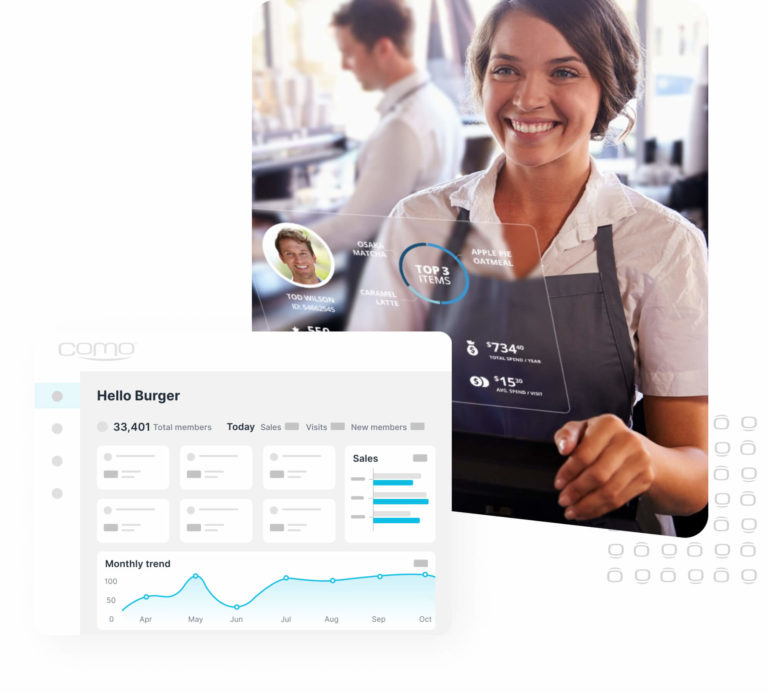
Como Sense combines customer management with rewards, branded mobile apps, analytics and marketing automation. Its loyalty options include points shops, digital punch cards, cashback, tiers and referrals. Messages can travel through email, SMS, push notifications and the app. Its Comillia machine-learning tools use activity history to segment customers and target offers. The important connection runs all the way back to the purchase.
- 01RecognizeIdentify the member
- 02RememberCapture the purchase
- 03RespondChoose an offer
- 04ReviewMeasure the return
Beyond rewards, the platform supports wallet top-ups, prepaid vouchers and subscriptions. Its branded apps put menus, offers and location information on a merchant’s own customer channel. Online ordering connects another buying occasion to the same loyalty relationship. These features give operators several ways to serve returning guests without commissioning every component as a separate software project.
There is a reason the app is so prominent. Como grew from Conduit’s mobile business, which entered app building in 2010. Conduit itself began in 2005, founded by Ronen Shilo, Dror Erez and Gaby Bilczyk. By late 2014, after separating its toolbar operation, it closed its U browser division to concentrate on Como. In 2015, it announced the planned purchase of loyalty specialist Keeprz; contemporary reporting put the discussed price near $50 million.
The present business became part of Global Payments in 2023. Its market position sits between the checkout and the marketing department: it extends existing transaction systems into customer relationships. Quantic’s March 2026 integration is a recent example. Merchants can enroll members and apply rewards at the POS, with analytics and messaging connected to that activity.
The buying alternatives include Paytronix and PAR Punchh, alongside loyalty tools supplied by POS vendors. Como’s case rests on its combination of integrations, configurable rewards and customer communication. For a buyer, the useful comparison is operational: can this particular checkout recognize a member, apply the right benefit and record the result while the queue keeps moving?
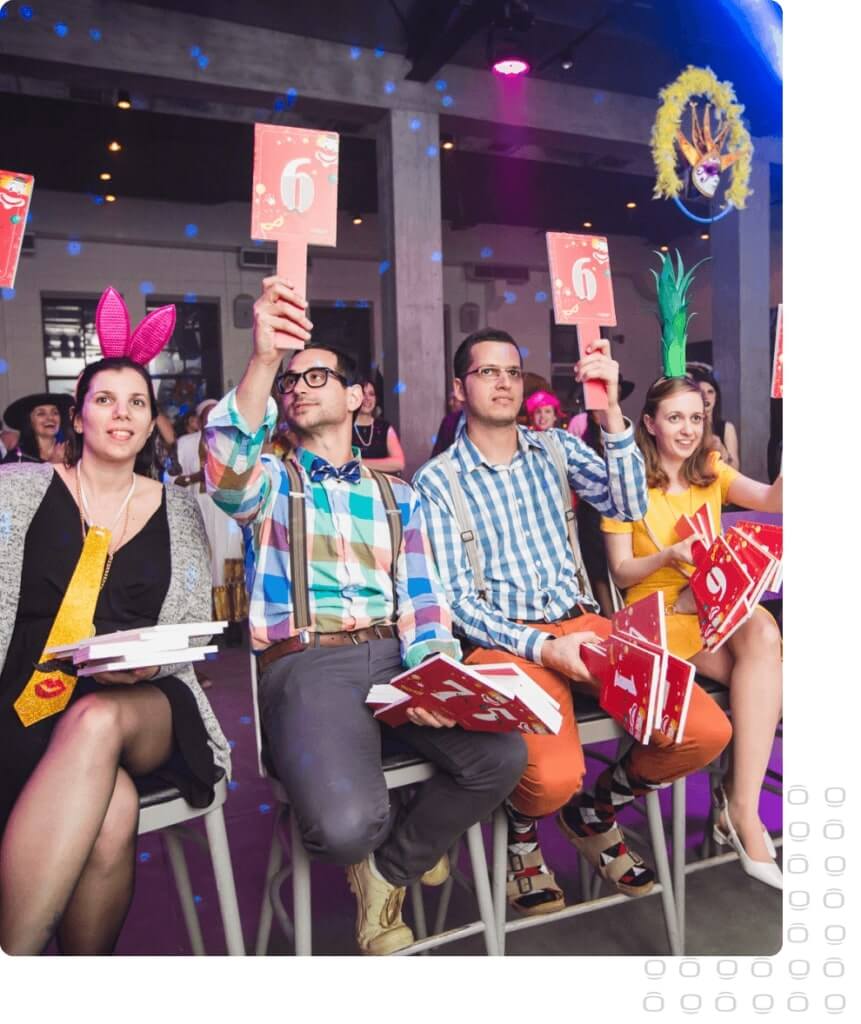
Como calls its people “Comonauts.” Its careers page emphasizes collaboration and shared success. Behind the playful nickname is a service-heavy product: someone must help a merchant connect systems, configure benefits and understand what the campaigns are doing.
The price behind the points
Como’s commercial model is subscription software, with room for modules and services. A useful historical marker is Como Essentials, launched with Revel in March 2020 at $79 monthly plus $750 setup. A branded app and online ordering were optional extras. Those were launch terms for that package, not today’s universal price.
Como Essentials launch pricing. Historical; optional features extra.
Current general terms put subscription details in the merchant’s order. Some plans can depend on location count, while usage, add-ons and third-party services can attract additional charges. Como also advertises direct online ordering at 0% commission. An operator should still count software, payment services, implementation and the rewards themselves. Commission is one cost line.
Give the next visit a reason
An operator can borrow the method without copying every feature. Start with a moment of recognition that staff can manage during service. Choose one behavior to encourage, such as a second visit. Make the reward understandable. Then compare what customers actually do, allowing for discounts, messaging costs and the likelihood that regulars would have returned anyway.
A simple experiment is more revealing than a signup celebration: offer a defined group an incentive, compare its subsequent purchasing with a similar untreated group, and count the margin after rewards. This is an evaluation method an operator can use, rather than a result claimed for Como.
The conditions are practical. The POS connection must work. Customer records must be usable. People must agree to the relevant communications, and someone must maintain the program. Thin margins make indiscriminate generosity expensive. A restaurant with little repeat trade has fewer opportunities to learn from a guest’s history.
Como’s newer tooling addresses some of that maintenance. September 2026 release notes describe an AI campaign-summary beta for the UK, US and Australia, explaining triggers, rewards and eligibility rules. It is a small, useful ambition: help the person running the promotion understand it. The next visit still belongs to the customer.
See the machinery
Explore the product, watch the workflows and follow the company.