At Muffin Top Bakery, the distance between a customer and a free cookie could be measured in check-ins. A testimonial published by Bespeak partner Message Rewards describes customers counting down to their reward: “three more checkins until I get a free cookie.” There is a small business theory hiding inside that sentence. The next purchase has already acquired a place in the customer’s imagination.
- The tool: check-in kiosks, mobile messages and loyalty rewards.
- The customer: merchants selling things people can come back for.
- The twist: local partners sold marketing help alongside the software.
Bespeak works in that interval between one visit and the next. Its software helps merchants collect customer phone numbers, organize rewards and send messages about specials, events or products. The underlying problem is familiar to anyone who has run a shop: making a sale gives you revenue today. Having a way to invite that person back gives you something to work with tomorrow.
The phone number earns its keep
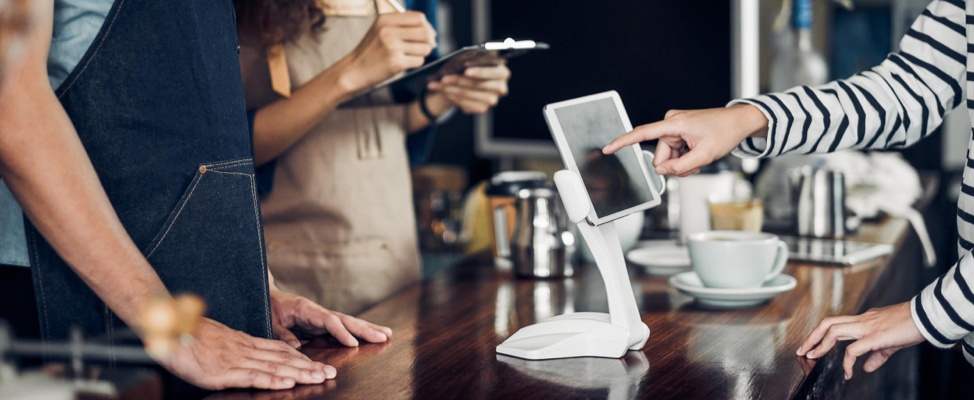
The setup is deliberately ordinary. Bespeak’s partner materials describe a kiosk where customers use their phone number to access rewards. No separate loyalty card to remember. No app to download. For a customer standing at a counter, those are useful omissions. Each additional instruction would be another opportunity to decide that a future discount can wait.
Behind that simple interaction sits a more elaborate set of choices. Merchants can send personalized SMS and MMS messages to opted-in customers, address the whole list or target people according to activity. A last check-in can become the basis for a scheduled message. A customer who has stopped appearing can receive a one-time reward intended to bring them back.
Consider the distinction. A broadcast announces what the business wants to say. An activity-triggered message uses something about the customer’s relationship with that business to decide when to say it. Bespeak offers both. The value depends on the merchant choosing an occasion that means something to the recipient.
The software came with a neighbor
Bespeak’s historical distribution model adds the more interesting detail. Its licensing partners sold the platform within geographic territories and supplied marketing support. The pitch was a portfolio of merchant relationships producing recurring revenue. A partner needed to find businesses, demonstrate the system and help turn its features into campaigns worth running.
That changes what the merchant is buying. A restaurant owner might understand why customer retention matters and still have little appetite for becoming a messaging specialist. Local guidance can help bridge that gap. Bespeak’s partner program advertised training, mentorship and support for the partners themselves, extending the service layer behind the person visiting the shop.
The network even allowed partners to create their own brand, powered by Bespeak. That is a revealing choice for a software company. The platform could do its work in the background while a local marketer owned the relationship. Distribution and expertise were part of the product’s practical appeal.
The platform could do its work in the background while a local marketer owned the relationship.
Our reading of Bespeak’s partner model
A useful message beats a blank box
The same instinct appears in Bespeak’s templates. Industry-oriented starting points and customizable messages reduce the work of composing a campaign. Best-practice guidance is available within the application. A merchant still needs judgment, but the first step need not be staring at an empty text field while wondering what everyone else sends.
FranchiseHelp singled out Bespeak’s content marketing for teaching customers how to write better texts, including seasonal campaigns. The useful lesson is portable: product education can be specific enough to copy. Give a customer an example they can adapt, and the software becomes easier to put to work.
The named businesses in partner-published testimonials range from Fantastic Sams and Bessie Boutique to Zarda BBQ and Sky High Sports. They are historical marketing references, rather than a current customer census. But the variety helps explain the market position: a merchant engagement system for businesses where another appointment, meal or outing is a meaningful outcome.
The reward still has to pay for itself
The price question has two sides. Merchants pay for software and messaging services. Historical directories also advertised an investment in becoming a Bespeak licensing partner: FranchiseHelp listed $10,000 to $50,000, while BizQuest listed $30,000 to $40,000. Those figures describe different published partner offers, not a shop’s monthly subscription or a current quote.
FranchiseHelp’s listed investment range. Merchant subscription pricing is a separate purchase.
For a merchant evaluating the idea, the important calculation extends beyond the software bill. A redeemed offer consumes something: product, labor, margin, or all three. An extra visit can justify that expense. Discounting a visit that would have happened anyway has a different economic effect. That distinction is an analytical test to apply, not a reported Bespeak result.

Reporting helps make that conversation concrete. The partner’s product illustration tracks offers, subscribers, messages, tablet check-ins and rewards, including earned and redeemed totals. These are useful observations. Turning them into a profit judgment still requires the merchant’s costs and an honest view of which purchases the campaign actually added.
Give them a reason to return
Bespeak also extends the relationship beyond promotions, with review prompts and touchless QR-code check-ins described in partner materials. IgniteTech’s Bespeak support document includes an annual configuration review for Platinum customers, treating effective use as something that needs attention after installation.
The approach fits businesses with repeat purchasing opportunities, customers willing to opt in and rewards they can afford. Its logic weakens when those ingredients disappear. A phone number cannot create a reason to return to a business with nothing more to offer. The bakery’s cookie makes the proposition wonderfully concrete: something desirable, within reach, waiting for the next visit.