Kari Harger had a familiar small business problem. She and her husband, Shawn, were running a real estate practice in Fort Collins, Colorado, and the marketing kept claiming time they wanted to spend with clients. They wanted regular, polished communication with their network. Keeping it regular was the troublesome part.
- The purchase: branded content and campaign execution bundled with marketing software.
- The audience: busy independent professionals and small businesses with relationships to maintain.
- The price: published plans start at $199 monthly, with a twelve-month initial commitment.
- The catch: the owner still needs to keep contacts current and respond to interest.
The newsletter that lost to the calendar
In OutboundEngine’s published account of the Hargers’ experience, Kari was spending substantial time on marketing even though it was neither her expertise nor their main business focus. The couple’s ambition had been sensible. Their capacity was finite. The first thing to falter was the publishing schedule.
That is an unglamorous opening for a software story, which is precisely why it matters. A real estate transaction can demand intense attention, then leave a long interval before the same client needs another agent. The relationship has to survive that interval. A business can do excellent work and still become easy to forget.
The Hargers chose OutboundEngine because they wanted a simple service that would produce and send email and social content consistently. Their reported benefit was more time for their business and a more professional presentation. The case study is a customer endorsement published by the vendor, rather than a controlled test. Its useful detail is the bottleneck it identifies: nobody had found more hours for Kari.
“OutboundEngine helps us look professional and gives us more time to work on our business.”
Shawn Harger, broker associate
Buying the work along with the software
OutboundEngine’s proposition is unusually easy to understand. Its team creates messaging and creative; its platform distributes them; the business can see which contacts engage. A customer supplies a brand, a contact list, and account information. The service supplies a recurring marketing routine.
The distinction matters when comparing it with an email tool such as Constant Contact or Mailchimp, or a broader platform such as HubSpot. An owner choosing a self-service system must arrange the writing, design, scheduling, and interpretation of results, whether personally or through staff. OutboundEngine bundles much of that execution into the purchase. The comparison is about who does the work, as much as which buttons exist.
Its content service describes two newsletters a month, written to be informative, entertaining, and relevant to the customer’s industry. It also creates social posts. Industry-adjacent material gives a business something useful to say between sales pitches. The implied editorial bargain is appealing: remain familiar without behaving as though every recipient woke up longing to buy something.
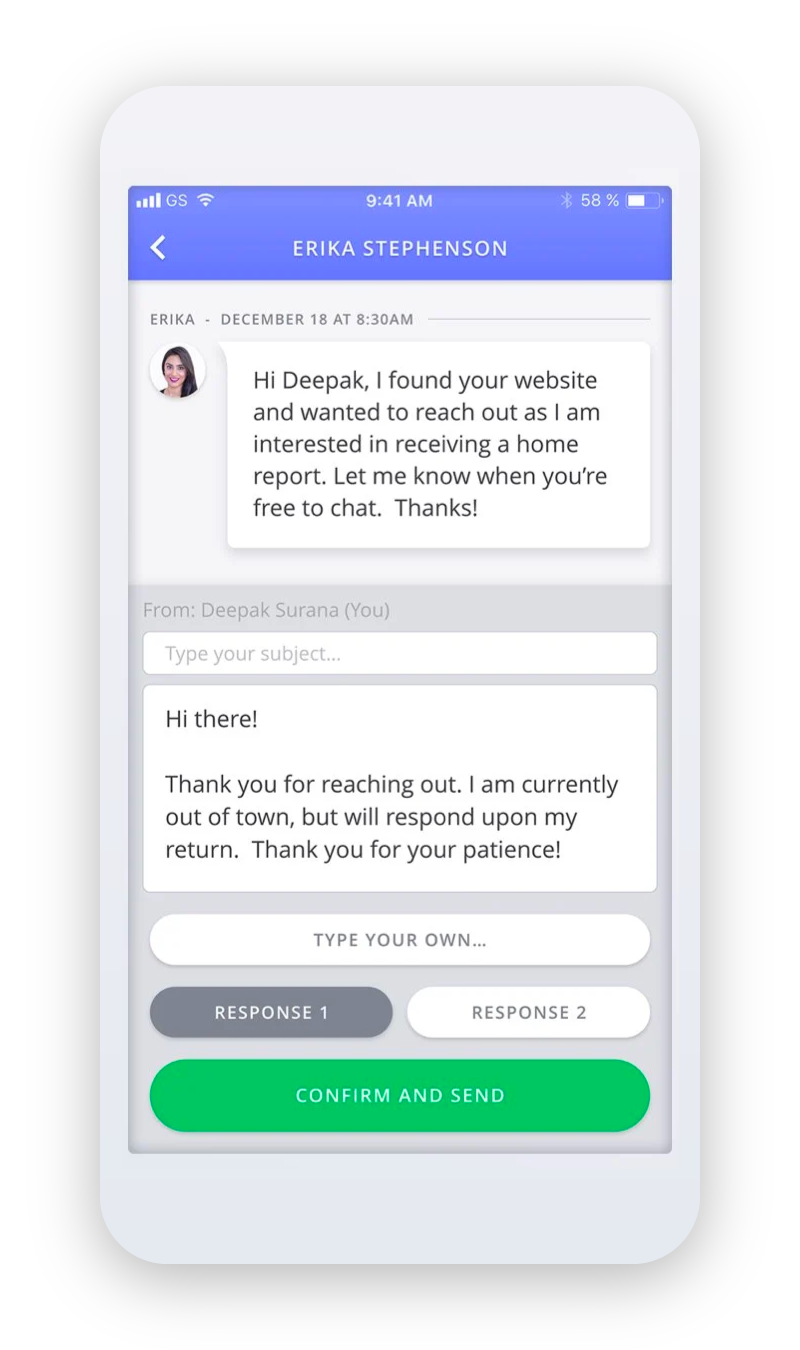
That last step is crucial. The product includes a mobile app and response templates, because a campaign’s useful outcome may be an opening for a conversation. Clicking is a signal of interest; it is not a signed contract. Someone still needs to be available when curiosity becomes a question.
What the subscription adds up to
The published plans are Essential at $199 a month, Value at $299, and Premium at $499. Their contact limits are 500, 3,000, and 10,000 respectively. The pricing page describes a twelve-month initial commitment, followed by month-to-month billing. A buyer should read those prices as an annual decision.
Monthly list price × 12. Subscription fees only; these calculations do not establish an all-inclusive quote.
Those totals make the comparison more concrete. What would the business otherwise spend to get this work done, and how much owner time would it consume? A service that replaces neglected tasks has a different value from one that duplicates a capable marketing employee. Cheap unused software can be an expensive ornament.
The tier descriptions add quarterly referral campaigns in Value and review, listings-management, and live-chat capabilities in Premium. Managed Facebook and Instagram advertising is also advertised as a service. Buyers need to establish its scope and cost in their quote. A monthly platform price should not be mistaken for a complete advertising budget.
The expanding list of chores
The company dates its founding to 2012 and says it began as an email marketing service before expanding into social media and industries including real estate, insurance, and mortgage. Founder Branndon Stewart’s business gathered more tasks around the same customer: an independent professional who needed marketing to happen without creating another department.
ReadyChat made that logic particularly visible. In March 2017, Stewart announced the purchase of the Toronto live-chat provider, explaining that the deal had closed more than a year earlier and stayed quiet while its technology was integrated. A website chat button sounds convenient until the business owner has to remain beside it all day. Managed chat takes on that staffing problem and routes leads to the appropriate person.
Real estate also has its own destination problem. Listings Pro puts IDX property search and featured listings inside an agent’s OutboundEngine website, with forms for visitors to request information. The agent can point newsletter readers toward a search experience carrying their own brand. It is a specific use for the traffic the marketing creates.
There is operational detail beneath the writing, too. The financial-advisor offering describes content review before sending and archiving of emails and social posts. These are workflow features, not a guarantee that every customer’s obligations have been satisfied. They show why sector familiarity matters when selling communication services to professionals whose messages require scrutiny.
Growth brought its own arithmetic
OutboundEngine reported more than 4,500 customers when it announced an $11 million Series B in December 2014. By its May 2016 announcement of a $16 million Series C led by S3 Ventures, it described almost 8,000 customers. That year it placed No. 95 on the Inc. 5000. The early proposition had found an audience.

By 2019 the discussion had become more demanding. CEO Marc Pickren reported a $23 million annual run rate for 2018 and improvements in retention and sales productivity. The reported financing combined an $8 million venture loan with $6.3 million in additional equity. These were management’s historical figures, but they reveal the problem behind expansion: winning subscribers and keeping them are separate jobs.
The company widened its coverage from 87 to more than 350 business categories in a November 2019 announcement. In September 2021, Elm Street Technology acquired it as the tenth acquisition in Elm Street’s history. The strategic fit was straightforward: relationship marketing for agents and lenders could sit alongside a larger collection of real estate technology services.
A March 2025 support document brings the story back to the customer’s screen. It describes a Home Page showing engaged contacts, campaign snapshots, performance, and an activity feed. The document’s date is not a launch date. Its emphasis is revealing nonetheless: after the writing and sending, the owner needs to know where to direct attention.
Borrow the habit, keep the conversation
The practical lesson travels beyond this particular subscription. Choose a publishing rhythm the business can sustain. Keep the contact list useful. Make the content relevant enough to deserve a little attention. Then reserve time to answer the people who offer it. Buying software is one way to organize those habits; buying execution is another.
OutboundEngine’s own customer guidance asks users to keep adding contacts and inspect engagement after campaigns. It also emphasizes long-term relationship value over immediate returns. That helps define the appropriate expectation. A business needing a sudden flood of strangers has a different problem from one letting existing relationships go quiet.

The service makes most sense when consistent communication is valuable, the owner has a network worth maintaining, and writing or scheduling has become a recurring burden. It is a weaker fit when the business wants control over every sentence, has effective in-house execution already, or cannot justify a year of fees. And if nobody follows up, more activity can simply produce a better-documented missed opportunity.
The Hargers’ story supplies the modest, useful ending. Their marketing could proceed while they spent more time with clients. The newsletter no longer needed to win a weekly argument with the calendar. For an owner whose calendar always wins, that is a proposition worth considering.