A truck does not have to break down to become a problem. It can simply begin behaving differently. The difficulty is deciding which difference deserves a mechanic, a replacement part, or a phone call to the driver. That decision, repeated across a fleet, is the business Uptake has chosen.
- Uptake turns existing vehicle data into prioritized maintenance recommendations.
- Its customers include beverage distributors, car haulers, freight carriers and defense organizations.
- The payoff depends on getting an alert into the shop’s working day.
Two months to earn a place in the shop
Consider Long Beverage, a North Carolina distributor with roughly 200 trucks. In May 2025, Uptake announced that the company had selected its fleet software after a two-month pilot. Long Beverage already used Geotab and worked with BlueArrow Telematics. Uptake had to demonstrate value within that existing arrangement.
The pilot tested vehicle reliability, utilization and the risk of expensive repairs. Uptake’s account says it anticipated engine issues and other developing failures. There is something refreshingly concrete about that purchasing process. A distributor needs deliveries completed. Two months of actual trucks offer a useful interrogation of any software sales pitch.

The truck is already talking
Uptake occupies the space between telematics systems, which collect vehicle information, and maintenance systems, where repairs become work. Its models analyze fault codes, sensor signals and maintenance history. The output includes component risks and recommendations about what deserves attention. Remote diagnostics and fleet dashboards help teams investigate those recommendations.
That position explains its partnerships with companies that might otherwise look like competitors. Samsara, Geotab and Platform Science supply routes into fleet data. Uptake’s Mixed Fleet Data Hub normalizes information from different providers, allowing a mixed fleet to be assessed together. Its pitch accommodates the untidy equipment choices businesses actually make.
Lynden Transport provides a useful example. Its 2024 deployment used Uptake’s Samsara connector, which could backfill six months of history. Cam McGill, an Uptake diagnostic technician, described the task this way: “We distill hundreds of alerts into actionable insights.” The scarce resource in that sentence is the person receiving them.
- 01ListenFaults + sensors
- 02CompareHistory + models
- 03PrioritizeRisk + repair action
- 04LearnRepair feedback
Sometimes the sensor needs the mechanic
The tire products reveal how specific this work becomes. Tire Leak Insights looks for developing pressure loss. TPMS Insight looks for trouble in the tire-pressure monitoring system itself. A bad reading can send a team after the wrong problem. Watching the instrument is part of watching the machine.
Uptake says its analytics account for a vehicle’s operating patterns and differences across axles. Its tire page advertises an 83% reduction in significant tire failures and leak detection with as much as 30 days of lead time. Those are company-reported results, rather than a forecast for every fleet that signs up.
The distinction matters when assessing the product. A fleet needs compatible pressure data, a useful baseline and someone able to respond. The company also markets work-order analytics, warranty tools and defense software for maintenance and parts planning. The common expertise is translating equipment history into a decision about its next intervention.

A long road to the repair bay
Founded in 2014 by Brad Keywell and Eric Lefkofsky, Uptake began with ambitions spanning heavy industry. Caterpillar announced a minority investment and predictive analytics agreement in March 2015. The proposed platform covered Caterpillar equipment and other brands, establishing early that equipment health could be analyzed across a manufacturer’s boundaries.
In November 2017, Uptake announced a $117 million Series D led by Baillie Gifford, alongside Revolution Growth and GreatPoint Ventures. That financing supported expansion across industries. The company’s present product menu puts fleets prominently in view, alongside defense and custom software. The public story has become more focused on maintenance operations.
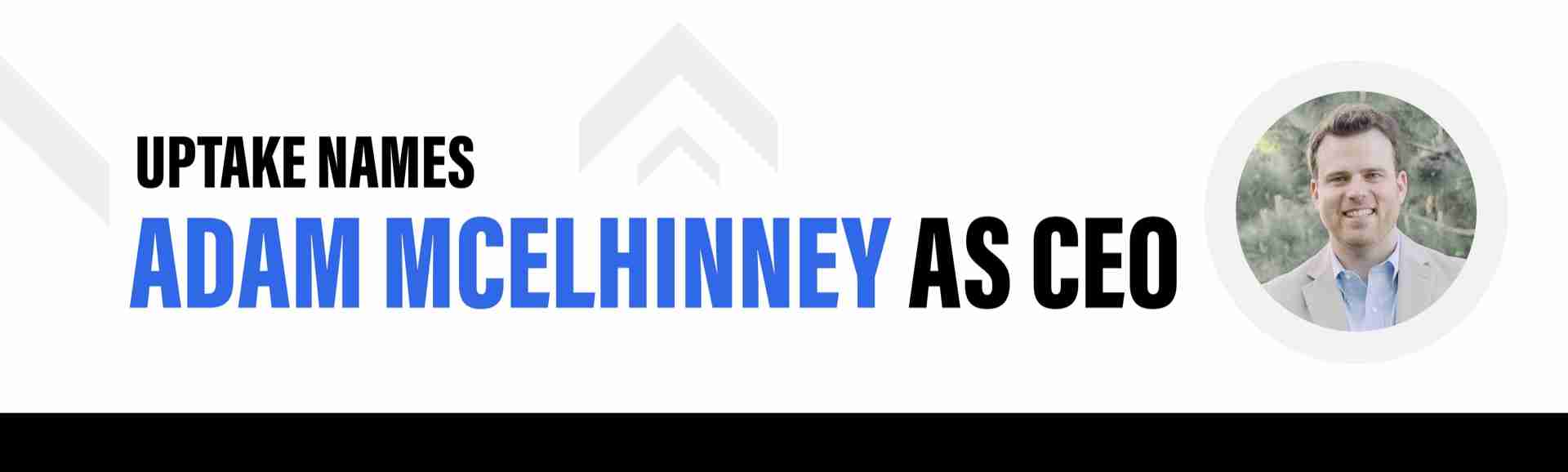
Its leadership offers another revealing detail. Adam McElhinney, appointed CEO in April 2024, had been among Uptake’s first 25 employees, leading data science before leaving for Paylocity. Bringing back someone who helped build the analytical machinery puts that expertise close to the commercial decisions. Uptake’s careers page names clarity, curiosity and grit as values.
The economics live in the repair order
Uptake sells business-to-business software as a service. A buyer is paying for analytics, integration and a continuing flow of maintenance intelligence. United Road’s published case study reports four times return on investment. The important buying question is which avoided costs produced that result, and whether another operation has similar opportunities.
A practical evaluation should count the software bill, integration effort and staff time against prevented road calls, repair spending and vehicle availability. It should also count warnings that led nowhere. An enthusiastic alert can still consume a technician’s afternoon. The useful number is the change in operating cost after those demands are included.
Long Beverage’s pilot suggests a process readers can copy: test against existing operations, give maintenance staff a role in judging the warnings, and trace each useful intervention to an outcome. That is an editorial lesson from the deployment, rather than a published Uptake purchasing checklist. Define success before the demonstration becomes a contract.
A warning needs somewhere to go
The newer partnerships extend that logic. ISAAC announced its Uptake integration in summer 2026, with Eassons Transport already using it. William Easson described catching developing problems and routing trucks home before they required towing or outside repairs. The warning became valuable because it changed where the repair could happen.
“Our shop is completely bought in.”
William Easson, Eassons Transport
ISAAC partnership announcement, 2026
On March 19, 2026, Bosch announced plans to acquire Uptake, with financial terms undisclosed. Its proposed combination connects predictive analytics to Bosch telematics and the FleetME ecosystem. Bosch also described feeding completed repairs back into the system. The commercial ambition follows the whole journey from vehicle signal to service.
That journey explains the limits, too. Missing signals weaken the evidence. A warning without shop capacity cannot reserve a repair bay. Uptake’s proposition works when data, decisions and maintenance can meet in time. For the fleet manager, the prize is wonderfully ordinary: a truck serviced where it belongs, before its route becomes a roadside appointment.