Before there was a BMW dashboard, there was Denizli. When Mehmet Umut Ermeç and his co-founders decided where to build their game company, the Turkish city supplied something more useful than a fashionable address: common ground. Their backgrounds differed. Denizli was the place they shared. Its textile industry also supplied early investors. A business concerned with pixels began with people accustomed to fabric.
- Make games, then help other teams become studios.
- Train newcomers instead of relying entirely on experienced hires.
- Find distribution partners for phones, browsers and parked cars.
Ermeç had been a sound engineer, lived in the United States, taught and run a New York business. He returned to Turkey in 2018. In July 2019, he founded tiplay with Ahmet Öney and Osman Tutum. In his founder interview, he explained that the name borrowed from titanium: light, strong. An appealing metaphor, though the interesting engineering would turn out to involve people.
The city was the common denominator
The early output looked recognisable enough: mobile games, including Water Shooty and Car Restoration 3D. Short sessions, understandable actions, something to do with a thumb. By December 2021, reporting distinguished those internally developed titles from Joust Run and Dodge Master, made by teams inside tiplay’s accelerator. That distinction matters. A portfolio can grow because one studio makes more games, or because a company helps more studios exist.
tiplay chose to attempt both. The company sits between a development house and a producer of development teams. Its expertise includes game mechanics, iteration, quality control and collaboration across studios. The result is a business serving two audiences: people who want entertainment, and organisations that need someone to make it. A casual player sees a game. A publishing partner sees a production relationship.
A fund for the people behind the pixels
In early 2020, tiplay and Rollic launched oFON. A contemporary account put the programme’s fund at 2 million Turkish lira. Twenty-seven teams entered the first selection process; ten reached presentations in Istanbul; three received investment and started producing games. The second round moved online. Here was an accelerator with a concrete funnel, rather than a roomful of motivational nouns.
Rollic supplied a connection to publishing, not merely a name for the pitch deck. Ermeç later described co-publishing and a profit share for tiplay. This is the commercial hinge: helping a team improve can become financially useful when its game reaches a market. The accelerator’s company-reported installs exceed 50 million, a cumulative figure that should not be mistaken for today’s active audience.
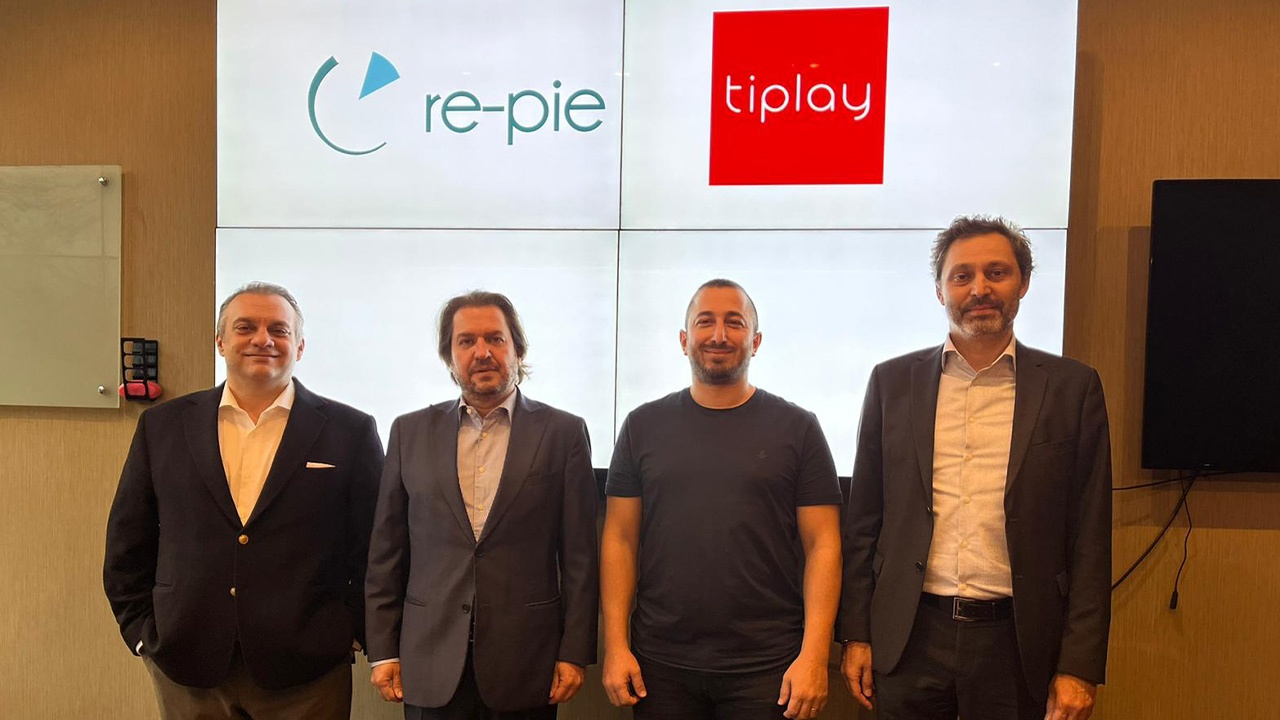
The machinery required capital. In December 2021, tiplay announced a $500,000 Series A led by Re-Pie, with Kerim Kotan and Saruhan Tan participating, at a $25 million valuation. The intended spending included skilled hires, more oFON teams and improvements to OnlineWorkSpace, its remote collaboration technology. Those numbers describe a financing event, not the cost of making every game in the catalogue.
The apprenticeship becomes the office
Talent was another constraint. In a public interview, Ermeç identified scarce skilled people among the company’s challenges. tiplay’s response included apprenticeships. A 2021 company announcement described Studio Ç, a separate studio where apprentices could develop games as a team while drawing on tiplay’s experience. The organisational choice gave learning somewhere to happen.
The website says more than half the team are apprenticeship graduates, some now leading teams. Its slogan, “Building New Worlds, Growing Together!”, therefore has a practical counterpart. For a newcomer, the useful proposition is a route into production. For a studio founder, it is a reminder that recruiting and teaching can be parts of the same plan. Neither removes the need for experienced people who can supervise.
“This is an important inflection point for tiplay studio”
Mehmet Umut Ermeç, on the December 2021 funding round
A phone, a dashboard, a shop full of boxes
The company then widened its places to play. Pair Up was developed for Snapchat, and admission to Snap’s Yellow accelerator followed in 2022. Today tiplay’s website reports more than 30 instant games and names Snapchat, Rollic and CrazyGames as partners. These are games designed to reach players inside existing platforms, where access and distribution are part of the product brief.
In cars, tiplay works with AirConsole. In a compatible BMW, a smartphone becomes the controller and the vehicle’s display becomes the screen. The service works while parked. Compatibility, software, country and entertainment packages shape availability. For automotive platforms, the problem is how to make waiting sociable; for a game supplier, the opportunity is an additional customer and a different setting for familiar play.
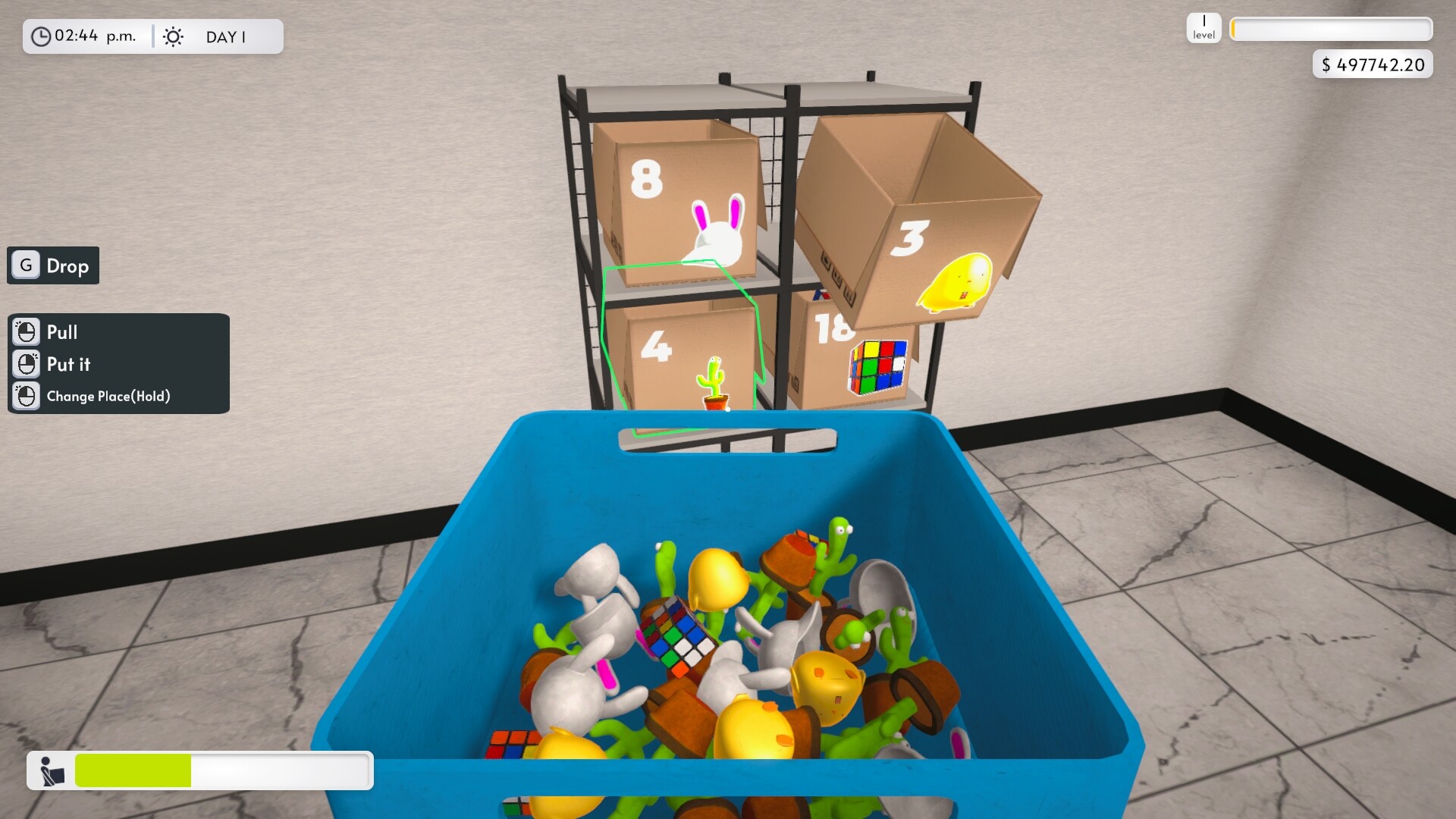
PC gaming supplies another business model. Beff Jezos Simulator, fully released in July 2025, lets players source products, set prices, hire staff and fulfil orders in a fictional online shop. Its Steam listing shows a $9.99 purchase price at research time. Mobile titles can instead combine free access, advertising and in-app purchases. Platform work and co-publishing add commercial relationships beyond individual purchases.
The market gets a vote
The expansion has not made every brief permanent. Re-Pie’s third-quarter 2025 report says market saturation prompted Diver Hero’s rebrand to Dive & Fish. The same report describes VoicePlay, a voice-controlled AI game from German subsidiary Studio Bäsch, preparing for a soft launch after prototype testing. One project needed repositioning; another was still an experiment. Both deserve those verbs.
A more ordinary problem appeared in August 2025: a Beff Jezos player reported boxes multiplying until the game stalled. The developer acknowledged the issue and requested a save file to reproduce it. That exchange does not establish a company-wide failure. It does show where a production system meets its examiner: someone who has paid and wants the thing to work.
Copy the machinery, keep the uncertainty
The practical lesson is to address a specific bottleneck. tiplay paired training with production and studio support with a publishing relationship. That approach needs mentors, working capital and partners willing to distribute games; without them, additional teams can simply multiply unfinished work. In Re-Pie’s first-quarter 2026 update, Togg talks had reached the contract stage. Another prospective screen, another test of the machinery built in Denizli.