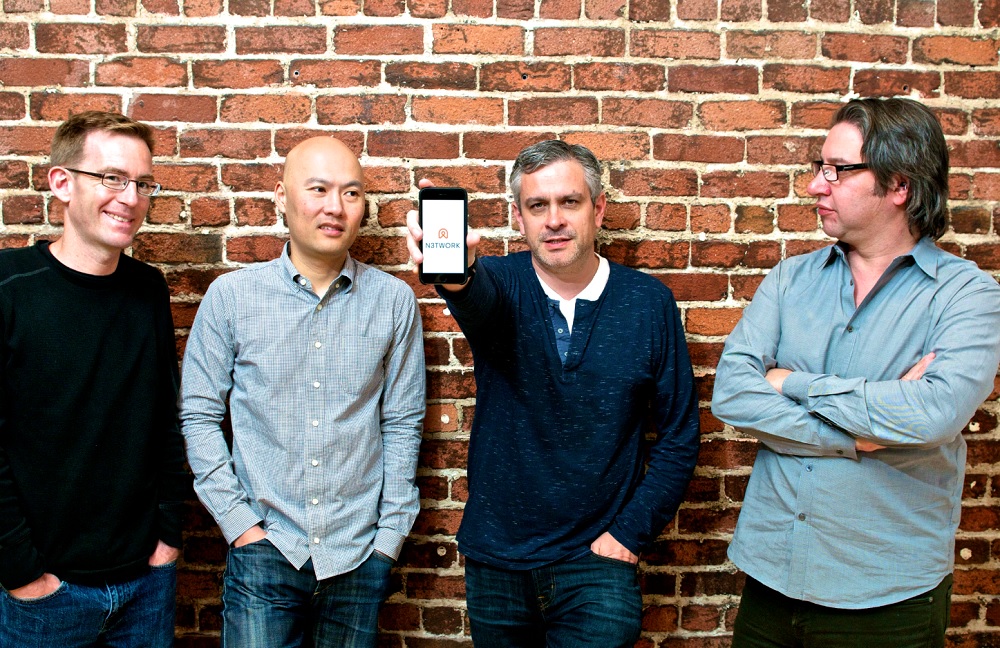
In 2015, Neil Young had a confession. “Truth be told, I missed it,” he told GamesBeat. He meant making games. His company, N3TWORK, had tried an interest-based social network for sharing photos and videos. It attracted admirers, but too few to satisfy its ambitions. The team would return to mobile gaming. Seven years later, that games business would become N3TWORK Studios, with a new wager: perhaps the next thing players wanted was ownership.
- The craft: collectible heroes, squad strategy and games run as continuing services.
- The wager: blockchain assets that players can trade and customize.
- The complication: established games, new launches and later handoffs tell different stories.
The connection matters. This was a team familiar with abandoning a handsome idea when the audience failed to grow. Young described the earlier app’s problem plainly: “it doesn’t meet our requirements for scale.” Affection for a product had collided with arithmetic. The company went back to a business it understood.
01 The dragon had a marketing department
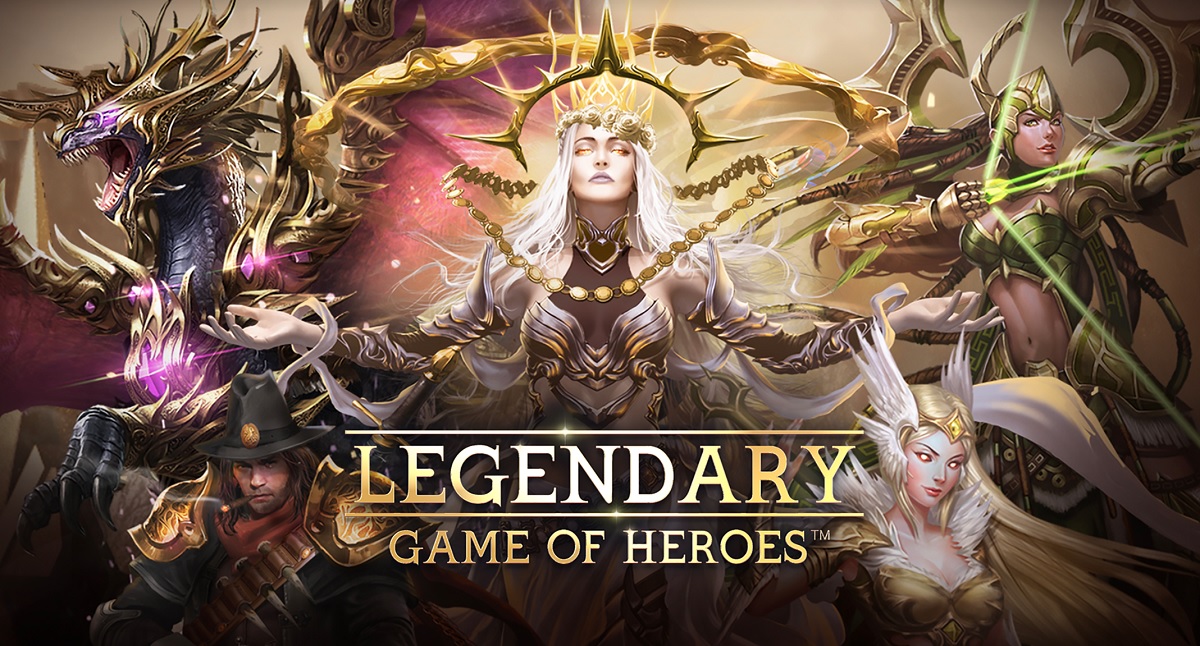
Legendary: Game of Heroes arrived in 2016. Its ingredients were familiar: match-three puzzles, collectible characters, fantasy battles. Its commercial machinery deserves equal billing. According to Young’s 2019 account, annual game revenue rose from $6 million in 2016 to $45 million in 2017 and $105 million in 2018. Dragons were the merchandise. Distribution was the discipline.
The company spent tens of millions of dollars on player acquisition in 2018. Its Scale Platform assembled advertising creative, built campaigns, optimized them and analyzed player behavior. The practical problem was expensive attention: a studio needed to attract people who would stay long enough, and spend enough, to repay the advertising bill. Better art alone could not balance that equation.
That history explains the studio’s expertise: designing progression, operating recurring content and finding an audience economically. For another developer, the useful lesson is concrete. Measure whether acquired players return before enlarging the advertising budget. A rising revenue chart can conceal a very energetic spending chart.
02 One company becomes two
In January 2022, Forte acquired N3TWORK’s technology platform. The platform team joined Forte; the games team formed an independent studio. Matt Ricchetti became president, and Young became executive chairman. The announcement described a dedicated publishing and growth team, plus an instance of the technology behind the Scale Platform for the studio’s own products.
This distinction prevents a tempting mistake. The earlier platform business and its developer-growth programs should not simply be treated as present-day services sold by N3TWORK Studios. The new company’s principal proposition was games for players, supported by publishing experience. Its customers were gamers, rather than businesses buying an analytics dashboard.
Series A financing for two Web3 titles. Capital raised is not a disclosed production budget.
The financing announcement named Griffin Gaming Partners as lead investor, alongside Kleiner Perkins, Galaxy Interactive, KIP, Floodgate, LLL Capital and N3TWORK, Inc. It backed two approaches: Legendary: Heroes Unchained for a crypto-native audience, and Triumph for mobile players through a hybrid free-to-play model.
03 A hero with somewhere else to go
The studio’s proposed difference was what happened to the collection. A conventional game keeps your heroes inside its own system. N3TWORK wanted players to possess digital assets that could be traded and, eventually, used in other experiences. The fantasy was familiar; the proposed relationship between player and publisher was more unusual.
Legendary: Heroes Unchained’s Epoch 1 launch announcement set November 7, 2024 for Loyalty Pass holders and public access a day later. Built with Unity WebGL on Base, it offered browser play on desktop and mobile without a download. Coinbase Smart Wallet, Reown and FortePay were named as supporting tools. Reducing the ceremony around joining was part of the design.
The 2024 whitepaper describes a hero-collector RPG with randomized dungeon runs, progression and on-chain mechanics. Players assemble and improve a collection. The wider ecosystem envisages customizable heroes and land, with assets available for future player-created projects. Those later possibilities belong to the roadmap; a launch does not automatically deliver every future use.
“games will be more fun and more fair”
Matt Ricchetti, describing his ownership thesis in 2022
The commercial approach combines the team’s free-to-play experience with digital-asset purchasing and trading. It sits between mobile RPG publishing and blockchain gaming. Its competitive argument rests on established game-making skills and distribution experience. Whether ownership improves an ordinary player’s evening remains a product question, rather than something a blockchain can settle.
04 Play before the pitch
One early tactic was particularly sensible. In 2022, the team ran a daily dungeon-crawling minigame inside Discord. High-scoring players could earn places on an allowlist for a Founder’s Edition hero mint. A prospective customer could try something before encountering the full product. There was a small piece of entertainment where a sales funnel might otherwise have stood.
A developer can copy that sequence: give a community a playable sample, observe participation, then ask for a larger commitment. It works best when the sample predicts enjoyment of the main game. If people arrive chiefly for a scarce reward, participation can overstate demand. An eager collector and a returning player may be the same person. They need not be.
05 The office is wherever the Wi-Fi works
The company describes itself on LinkedIn as fully distributed. Its N3TWORKED guide makes that concrete: reserve calendar time to produce and think, choose communication tools deliberately, define working hours and take screen breaks. Remote freedom depends on workable time zones and reliable internet. Even imaginary kingdoms require sensible scheduling.
Its values include ownership, dialogue and action. The interesting detail is the mundane advice attached to them: test your camera, check your audio, leave room for focused work. Another team could borrow those habits immediately. They require neither a funding round nor a token, only colleagues prepared to protect each other’s attention.
06 The sequel belongs to the audience
The later record complicates the original pitch. PerBlue’s April 2025 retrospective says Legendary: Game of Heroes transitioned from N3TWORK to PerBlue during 2024. Separately, app tracker Chrome-Stats records Triumph: GO Infinite’s removal from Google Play on May 1, 2025. That is evidence about a listing, not an explanation of the decision or proof of a company shutdown.
For players, the distinction is practical: the older puzzle RPG and the blockchain title are separate products, with different ownership arrangements. For builders, the company’s history offers a useful test. Can the game retain people without the ownership pitch? If the answer is yes, tradable assets may add something. If it is no, giving the hero a deed leaves the harder problem untouched.