Brian Benstock had a curious reason to celebrate. His dealership’s phone calls were going down. In a published account of Paragon Honda and Paragon Acura’s digital overhaul, the executive explained that customers were booking service online instead. The website was finally doing a job that had previously required somebody to pick up a telephone. For a business trained to treasure incoming calls, this was a useful little reversal.
- Apollo connects dealer websites, advertising, retailing, and retention.
- Returning customers can use ownership records instead of starting from scratch.
- The bill combines software, optional services, and advertising spend.
Team Velocity, the company behind Apollo, has built its proposition around these awkward handoffs. A dealership can know an extraordinary amount about a customer and still make that person feel unknown. Its systems remember. Its customer experience forgets.
The stranger who already owns a Honda
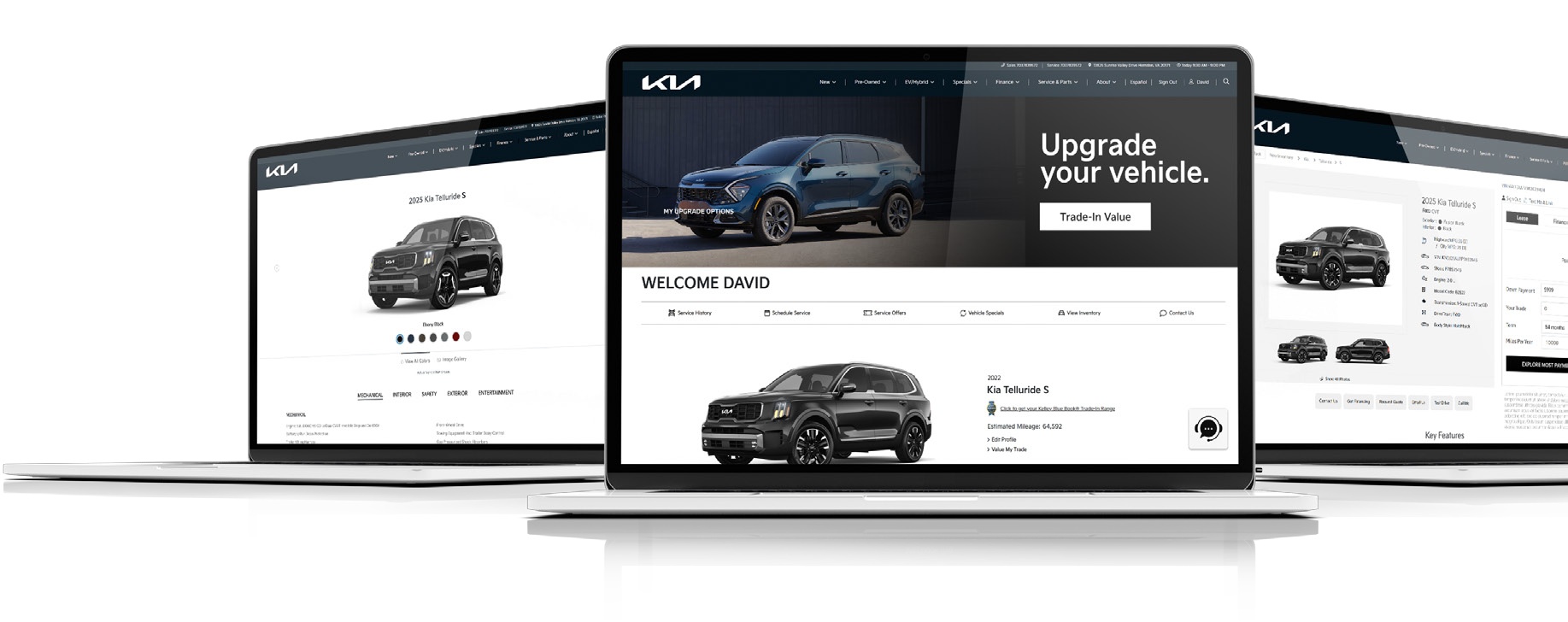
The records are sitting inside the dealer management system, or DMS: purchases, service transactions, ownership details. On their own, those records are administrative history. Connected to a website, they become useful context. A returning owner can sign in, review service history, see relevant offers, and arrange the next appointment.
Apollo Sites makes that connection. Team Velocity describes personalized pages that can show a customer’s vehicle, financing information, trade value, recalls, and upgrade options. The point is practical. Somebody who bought a car from you should have fewer boxes to fill in the next time around.
Co-founder David Boice encountered the underlying problem while working across dealerships’ finance and aftermarket departments. New software kept arriving; employees kept entering information again. Team Velocity began in 2005, co-founded with Budd Blackburn, with a small team and direct-mail marketing. Company retrospectives date Apollo’s introduction to 2012. The business moved toward software while retaining the original interest in getting existing owners to return.
“From search to signature, I want it to be seamless.”
David Boice, co-founder and CEO
One offer, all the way through
Consider a payment advertised against a particular vehicle. Clicking should take the shopper to that vehicle and that offer. Yet incentives, inventory, dealer pricing, and finance terms all move. Keeping the advertisement and the destination synchronized is a maintenance problem disguised as a marketing problem.
Apollo Ads automates vehicle advertising across search, social, display, and video, using inventory and payment information. Offers update with the underlying data. Apollo’s retention tools look backward as well as forward, identifying owners approaching lease maturity or holding equity that might support an upgrade. Service communications provide another reason to return.
The Command Center brings customer activity and lead information into a dashboard. AssistantAI handles website questions and tasks using Apollo’s connected information. Vehicle Detail Videos, announced in May 2025, turn listing information into automated videos with pricing, incentives, and dealer branding. These products make more sense together: the video, the conversation, and the offer draw on the same retail context.
- 01Dealer recordsOwnership + service
- 02Relevant offerWebsite + advertising
- 03Next actionBook, shop, follow up
Conceptual workflow, not a performance measurement.
Customers include Paragon, Toyota of Tampa Bay, and Kia dealerships featured in manufacturer-program materials. In its 2025 retrospective, Team Velocity described nearly 2,000 dealerships using its technology. That is a company-reported footprint, rather than a count of customers using every module.
The invoice behind the promise
Team Velocity sells recurring platform packages alongside marketing services. Its terms distinguish monthly software fees from additional services and advertising expenditure. A dealership is buying operating software and, depending on its agreement, people to help run the marketing.
A public Mazda program document makes the pricing tangible: Base websites at $1,095 per month, Plus at $2,595, and Premium at $3,795. Plus includes DMS integration and customer websites; Premium adds capabilities including smart communications. These are published program prices, not a universal quote. The document also flags possible DMS fees and separately priced enhancements. Media spend adds another budget line.
Program-specific listed pricing. Add-ons, media, and possible DMS fees affect the total.
The competitive field includes Dealer.com, Dealer Inspire, and DealerOn. Each offers overlapping website, advertising, or retailing capabilities; connected experiences are not Team Velocity’s exclusive territory. Apollo’s particular argument is that shared dealer data and native applications reduce the gaps between those functions. Buyers should examine the actual handoffs, rather than award points for the longest feature list.
The expensive lesson was capacity
Building one connected system creates its own demands. In a 2025 founder essay, Boice acknowledged planning infrastructure around recent demand instead of the business’s growth ambitions. His proposed correction was specific: ask what would break if the company needed to bring 150 sites online next month.
That question reaches beyond servers. Team Velocity’s careers materials describe onboarding specialists, account managers, and performance coaches. They also emphasize mentorship, accountability, and remote-work flexibility. A platform promising less fragmentation still needs people to configure it, explain it, and help dealers use it.
Its infrastructure choices show the other side of the promise. In an AMD case study, Team Velocity’s engineering team reported 99.995% website uptime and roughly 50% more traffic capacity per CPU after moving workloads to AMD-powered Google Cloud nodes. Those are attributed engineering results, not a guarantee for a dealership’s next campaign.
For a buyer, the dependencies follow from the design. Apollo needs authorized access to usable dealer records and accurate vehicle and incentive information. Personalized outreach needs appropriate customer permissions. Staff still need to respond and honor the offer. Connecting a stale record to more channels can spread the mistake faster.
A bigger bet on the same customer
In May 2026, Team Velocity announced Canadian expansion through GM Canada’s CSSR Choice program. That month it also acquired Foundation Direct, an agency founded by former Google automotive executives and already using Apollo technology. The acquisition extends the combination of software and media expertise. Inc. lists Team Velocity at No. 2,058 for 2026, with 166% three-year growth.
The lesson a reader can copy is smaller than an acquisition: follow one existing customer from an advertisement to a completed appointment. Count repeated questions, mismatched offers, and abandoned steps. At Paragon, fewer calls could signal a better experience. A customer who finishes the task has told you more than a customer who merely clicked.