A person books an oil change. To the service department, this is an appointment. To the sales department, it could be a buyer. To whoever stocks the used-car lot, it might be a vehicle worth acquiring. The person has done nothing mysterious. The dealership has simply given three departments three different ways to see the same arrival.
AutoAlert makes a business out of joining those views. Its proposition is pleasingly unfashionable: before spending more money to meet strangers, examine the customers whose names you already know. A repair visit, an approaching lease end or a change in vehicle equity can provide a reason for a useful conversation. The trick is getting that reason to the right employee while it still matters.
- The work: dealership data mining, CRM and personalized outreach.
- The opportunity: repeat sales and used vehicles from existing customers.
- The evidence: dealer case studies, with results that depend on local execution.
- The new owner: PureCars acquired AutoAlert in April 2026.
The customer has already arrived
AutoAlert’s customers are automotive retailers: individual dealerships, groups with multiple stores and manufacturer-supported dealer programs. Their difficulty is familiar to anyone who has been asked to repeat a story to a business that already has it on file. Sales knows the purchase. Service knows the repairs. Marketing knows which email was opened. Each record is useful; their separation can make everyone less useful.
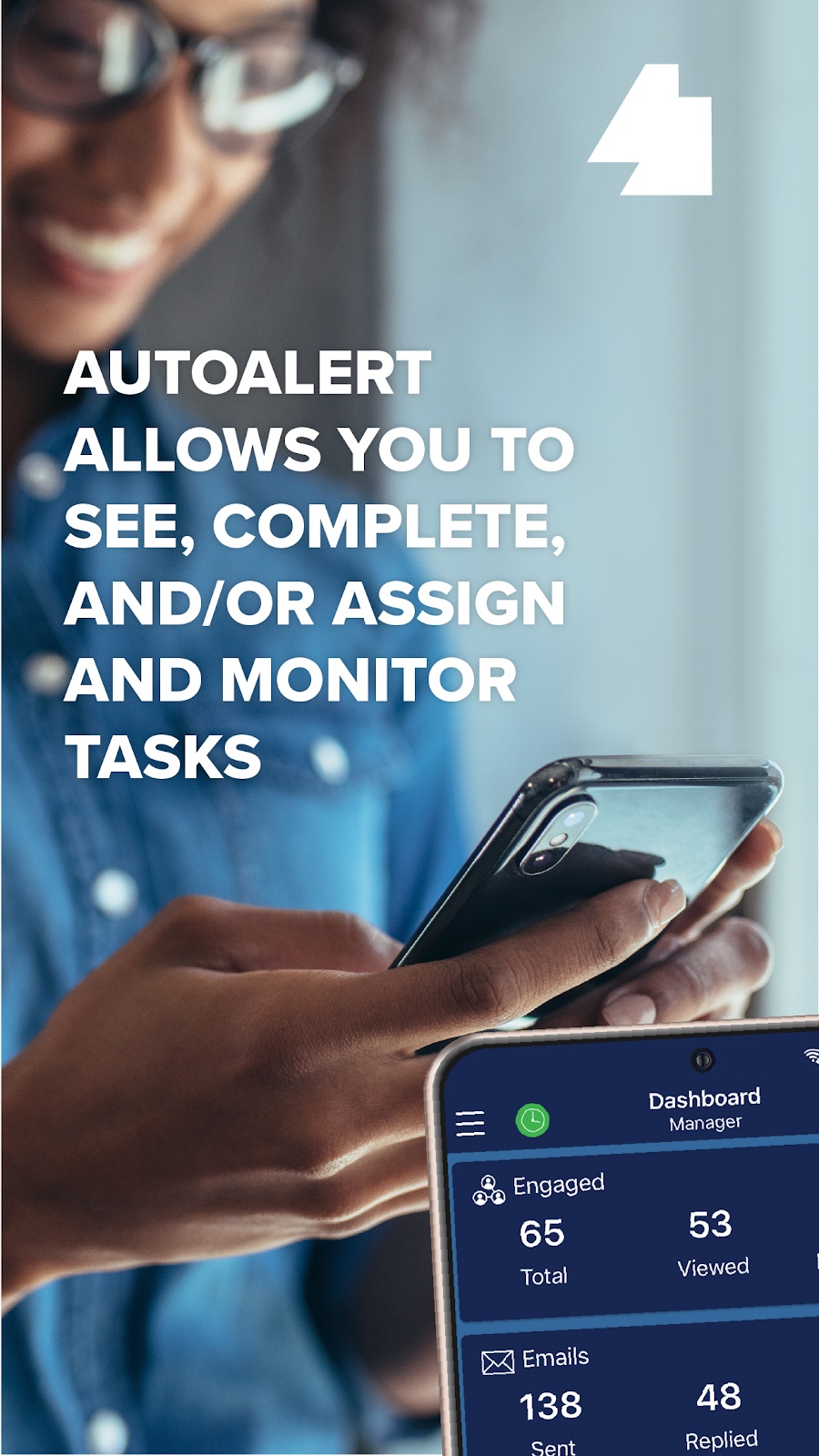
AutoAlert CXM combines customer relationship management with data mining, communications and deal desking, the work of calculating payments and structuring an offer. Staff can see service history alongside messages and previous transactions. Its mobile tools let employees assign tasks, consult customer records and send personalized offers away from a desk. The product is designed to give the employee some homework before making the call.
That changes the opening line. A generic follow-up asks whether someone happens to be shopping. A conversation informed by vehicle history can explore an actual trade or replacement option. A suggestion still has to suit the customer. Owning a spreadsheet full of names is a poor substitute for having a reason to contact them.
A database with a sense of timing
Boyd Warner and Jeff Cotton founded AutoAlert in 2002. The company’s roots are in automotive data mining: looking through dealership records for opportunities that a busy salesperson might miss. Former investor HGGC’s portfolio description reports more than 3,200 dealerships, 35 automotive brands and 200,000 users across North America and Europe. Those are historical figures, useful for understanding its established position rather than counting today’s customers.
Equity mining is one part of the work. A vehicle has a trade value; its owner may have outstanding finance; a replacement has a price and available incentives. Examine those together and an upgrade might become financially plausible. The calculation points to a conversation. It does not establish that the owner wants another car.
AlertMiner identifies opportunities in the data. AlertMiner Pro adds assignments, service-arrival alerts and tasks that change with customer behavior. Engagement Studio supplies campaign tools, while One-to-One Marketing delivers individualized offers through email, direct mail and personalized landing pages. The product range follows a practical sequence: notice something, decide who should act, then make contact.
- 01RememberVehicle, purchase and service history
- 02RecognizeEquity, timing or engagement signal
- 03RespondAn offer and a named employee
- 04RespectThe customer decides what happens
The AI assistants automate parts of that contact. Loyalty reconnects with previous customers; Service handles reminders, upgrade offers and follow-up; Leads engages internet inquiries. Auto Inventory matches expressed vehicle preferences with live dealership stock. Their attraction is partly mundane: a question arriving outside working hours need not wait for someone to open the office.

The oil-change inventory desk
At Middletown Honda, the problem was tool overload. Customer data, service activity, follow-up and inventory strategy needed to connect without employees continually switching systems. General manager Stu Berkley summed up the starting point: “We used to run three or four different systems.” AutoAlert’s published case study describes the store bringing that work into CXM.
The dealership reports sourcing 25-30% of inventory from its service lane. That detail deserves more attention than another promise about AI. It means customer records can guide purchasing as well as selling. A known vehicle with a visible service history can be an acquisition prospect when its owner is ready to move on. The next used car does not necessarily have to come from an auction.
of inventory sourced from the service lane at Middletown Honda
Company-published dealer case study. A store-specific result, not a platform-wide benchmark.Wischnewsky Dodge’s case study adds the human machinery. The store built a dedicated buying center and placed acquisition staff in the service drive. Its approach begins with a quick introduction and a smooth handoff to service. Employees do their homework before presenting a personalized offer. A customer who came for maintenance should be able to get maintenance without a theatrical detour through the showroom.
AutoAlert reports that this approach cut the dealership’s auction purchases by 70%. The interesting change was organizational: buying vehicles became someone’s job, with a consistent place and process. These are promotional case studies rather than controlled experiments. They show what particular dealers say happened, with software and operating changes arriving together.
Who owns the next conversation?
As dealership groups grow, the same coordination problem travels across town. A customer known to one store can look new to a sister dealership. Inventory at the second store may suit a customer at the first, but the match is easily missed when each location works inside its own records.
AutoAlert launched Enterprise on November 11, 2025, to connect CRM and data mining across a group. It offers shared customer history, inventory matching across stores, centralized reporting and access controls. The launch describes CDP-compatible architecture and Snowflake integration. For managers, the useful question is whether a salesperson can see enough to help without disrupting an active deal elsewhere.
Its VINCUE integration addresses a smaller, equally concrete irritation. When an appraisal sent from AutoAlert is saved or updated in VINCUE, the actual cash value flows back into AutoAlert. A number that has already been calculated can continue through the workflow. There is a certain elegance in software that saves people from typing the same thing twice.
AutoAlert occupies a crowded part of dealership technology. DealerSocket’s RevenueRadar also mines existing-customer data and supports targeted outreach. DriveCentric offers dealership CRM and AI engagement. AutoAlert’s distinguishing thread is the connection between its data-mining roots, customer management and service-lane acquisition. Dealers should compare how those pieces work in their stores; the feature names alone will not settle it.
Two companies, two halves of the journey
In 2014, HGGC took a majority stake in AutoAlert, with the founders reinvesting and retaining a significant minority holding. Warner described accepting institutional capital for the first time as a decision that required confidence in the partner’s vision and approach to growth. Certain funds and accounts managed by BlackRock acquired the business in 2023.
On April 13, 2026, PureCars announced its acquisition of AutoAlert. The strategic fit is straightforward: PureCars supplies advertising technology, audience management and customer-data tools; AutoAlert supplies data mining, CRM and retention workflows. In principle, a customer signal becomes more useful when it can inform both a dealership conversation and an advertising audience.
The companies’ joint dealer offer makes an important practical distinction: they continue to operate as separate platforms under common ownership. The acquisition creates the opportunity to coordinate them. It should not be mistaken for proof that every workflow has already become one system.
The price of making it routine
AutoAlert sells business software and marketing services through demonstrations and package-specific agreements. A dealer’s purchasing decision includes the products selected, data access and any applicable manufacturer program. The expired 2026 Stellantis summer promotion illustrates the fine print: it waived software fees for eligible new customers for three months, while monthly data fees still applied. “Free” had a remarkably specific job description.
The other cost is managerial attention. AutoAlert’s service-to-sales guide recommends dedicated staff, aligned compensation and cooperation between sales and service. It calls for measuring service-drive closing ratios and the share of new-car sales sourced there. Training matters too: the company’s training team received a Silver Stevie Award in 2021 for moving dealer onboarding and support online during the pandemic.
“AutoAlert works for us because we’ve made it part of our process.”Jeremy Stasek, Bill Stasek Chevrolet
Company-published testimonial
A dealer can copy the operating sequence: examine upcoming service appointments, identify a credible opportunity, assign a person to it and track the outcome. The approach needs accurate records, appropriate inventory and finance terms, and employees who follow through. Stale valuations or neglected tasks can turn a clever alert into an awkward conversation. A buyer’s timing remains the buyer’s business.
That is the useful idea beyond car retail. Businesses often collect information more diligently than they use it. AutoAlert asks dealerships to remember what they know at the moment it might help someone. The person waiting for an oil change has already crossed the threshold. The expensive part may be failing to recognize them.
Take a closer look
Explore AutoAlert, its CXM platform and company blog. Follow LinkedIn, X or Facebook.
Watch the dealer interview clips on Middletown Honda’s profile and the AutoAlert + VINCUE podcast. Read the PureCars acquisition announcement.