used-cars
(21)
Kavak put trust on the assembly line
A used car comes with a history. Kavak built a business around checking it, repairing it and financing its next chapter. The expensive part was learning how far that promise could travel.
Spinny bought the cars. And the doubt.
To make second-hand cars easier to trust, Spinny stopped playing matchmaker and became the seller. The trade-off: every promise now comes with inventory, workshops and a bill.
VavaCars and the price of peace of mind
VavaCars put a used-car business on the fuel-station forecourt, then taught software to price the stock. Its story shows what convenience costs when the product weighs a tonne.
Vast sold the car story. Then the car seller stopped.
Vroom paid about $120 million for Vast’s CarStory business. When Vroom stopped selling cars, the software kept working - a revealing tale about the value, and limits, of knowing what a vehicle is worth.
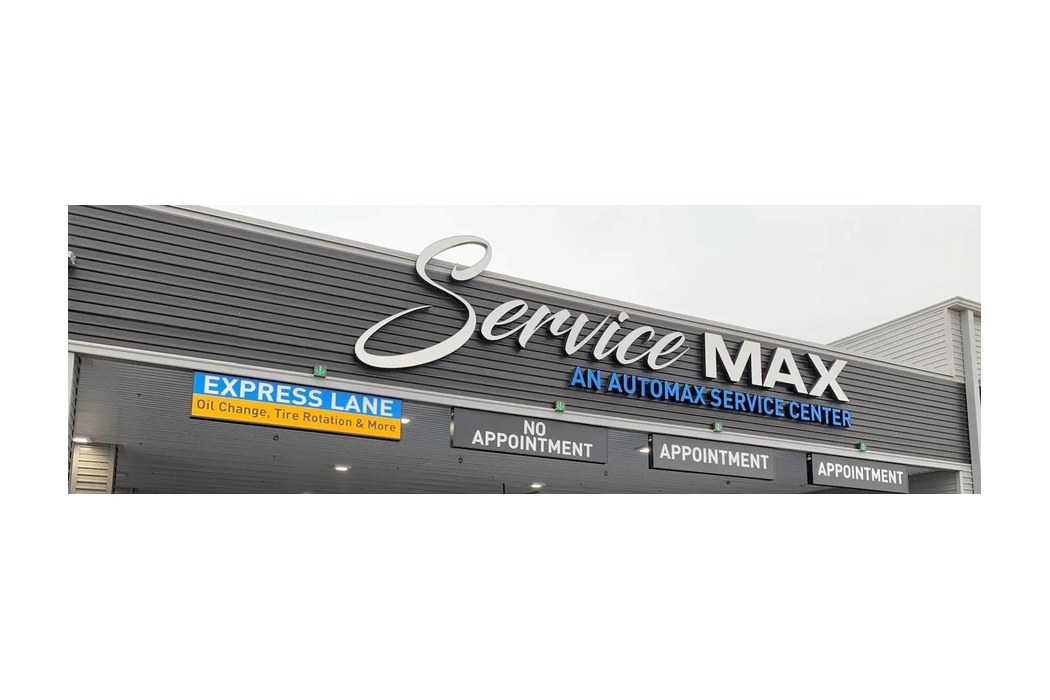
The Car Lot That Outgrew Its Name
In Killeen, three dealership signs changed in a week. The more interesting inheritance was a 93-bay service center that still says Automax above the door.
Webmotors sells the space between wanting a car and buying one
A Brazilian car catalogue grew into a business woven through dealer software, financing and the first WhatsApp reply. Its history explains why the work around the sale can be worth as much attention as the listing.
CarGurus made car prices clearer. Then came the wholesale bill.
The car-shopping marketplace turned price comparisons into a subscription business. Its retreat from CarOffer shows how much harder the job becomes when software has to move the metal.
OLX India’s second act: less car lot, more marketplace
CarTrade paid about ₹536 crore for OLX’s Indian business, then closed its car-buying operation. The classifieds platform that remained is growing again - and recruiting partners to handle more of the deal.
Pickles Auctions makes a business of second chances
A fleet car, a tired excavator, an EV with a battery to prove. Pickles turns used assets into somebody else’s next purchase - and the hard part happens before the bidding starts.
Yad2 sells secondhand. Its $950 million price tag tells another story.
Israel’s familiar classifieds site has become a business built around homes, cars and jobs. Behind the orange branding sits a valuable habit: knowing where to look when life gets expensive.
arabam.com wants more than your next car sale
The Turkish car marketplace now buys vehicles, supplies dealers and sells motor oil. Its bigger bet is on the years between one car purchase and the next.
Auto Avaliar built a business on the car you trade in
The Brazilian platform connects vehicle appraisals with dealers ready to buy. Stellantis paid €54 million to increase its stake to 95% - and the company is taking its model from used cars to heavy machinery.
CarDekho Is Building the Checkout Lane for India's Car Economy
A Jaipur garage project grew into a web of marketplaces, lenders, insurers and dealer tools. The clever part is not the car listing - it is everything CarDekho can attach to the decision that follows.
The $2.36 Billion Family Business Built Around One Easy Price
Sheehy Auto Stores turned one Beltway Ford dealership into a regional retail network. Its pitch is deliberately simple: more choice, less haggling and a relationship that continues in the service lane.
Group 1 Automotive
Group 1 Automotive built a $22.6 billion business by treating the dealership as the beginning of a relationship, not the end of a sale. Its real engine sits behind the showroom door: service bays, parts counters, finance desks and a digital platform designed to keep drivers in the network.
CarMax
The company that killed the haggle in 1993 now sells three-quarters of a million used cars a year - and is trying to prove that a car lot can also be a website.
Hertz
Hertz made its name handing travelers a set of keys. Its next act is about everything around the car - buying it well, keeping it moving, selling it smartly and, increasingly, running fleets for machines and people alike.
Penske Automotive Group
Penske Automotive Group looks like a dealership empire from the curb. Under the hood, it is a carefully diversified machine spanning luxury cars, commercial trucks, repair bays, power systems and a valuable slice of one of North America’s largest managed fleets.
Syarah
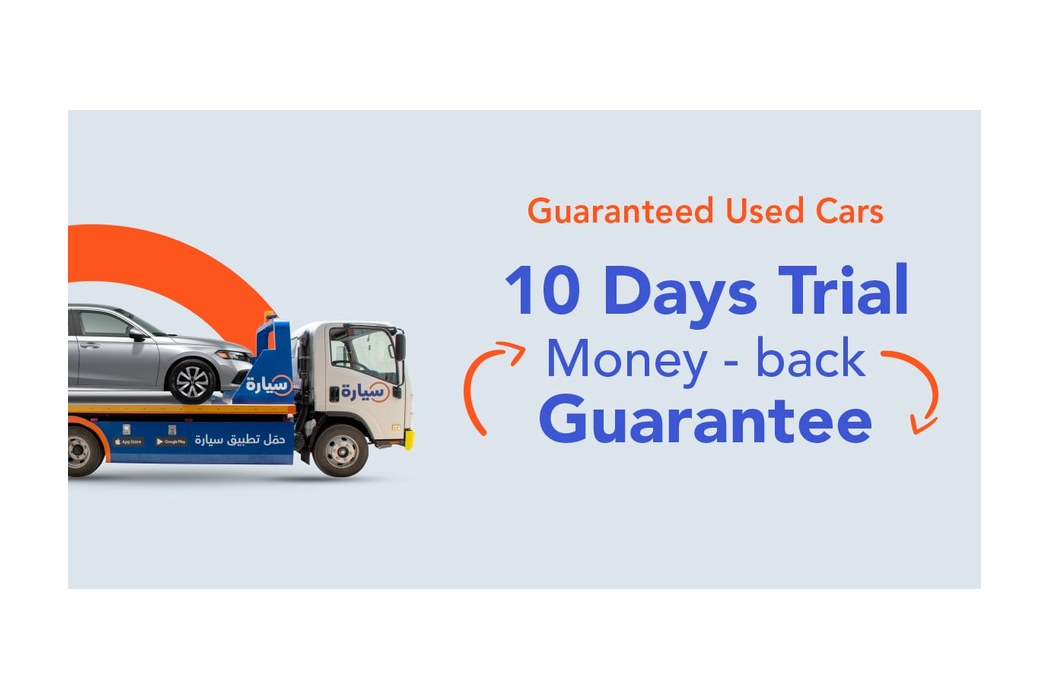
Syarah is Riyadh-based online marketplace for buying and selling new and used cars in Saudi Arabia. It handles the full transaction online - sourcing, 200-point inspection, refurbishment, financing, warranty and kingdom-wide home delivery - and lets buyers keep a car for a 10-day trial with a money-back guarantee. Founded in 2015, it has grown from a classifieds site into the country's leading digital used-car retailer, raising more than $82 million in total funding, including a $60 million Series C in 2024.
Ever
Ever is a San Francisco company building what it calls the first AI-native, full-stack auto retail platform, starting with electric vehicles. It runs an omnichannel marketplace - an online store plus a physical San Francisco showroom - where consumers can buy, sell, and finance used EVs across more than 30 brands. Underneath the storefront sits a proprietary operating system that orchestrates the unglamorous back-office work of car retail (appraisals, pricing, titling, inventory, financing), which the company says lets its sales team run two to three times more productively than a traditional used-car dealer. Ever came out of stealth in February 2026 with a $31M Series A led by Eclipse, bringing total funding to roughly $100M in equity and debt.
Del Grande Dealer Group
Del Grande Dealer Group (DGDG) is the largest family-owned automotive group in the San Francisco Bay Area. Founded in 1998 with a single dealership, it now operates a portfolio of franchised new- and used-car dealerships across Northern California, representing more than a dozen brands. DGDG pairs a high-volume retail operation with a culture obsession - it has been named a Bay Area Top Workplace for more than a decade - and a digital-first buying experience it markets as No Brainer Pricing and No Brainer Checkout.