A used sofa is an awkward thing to own twice. Once in your living room, it is furniture. Once you have decided to replace it, it becomes a logistics problem with cushions. OLX India’s enduring proposition is to find the person who still sees furniture. Put up a photograph, name a price, find someone nearby. The company’s more recent history turns on a related question: how much of that sale should the marketplace take on itself?
In August 2023, CarTrade Tech completed the acquisition of OLX’s Indian classifieds and auto transaction businesses for ₹535.54 crore. By October, it had decided to close the acquired operation that bought used cars from consumers. The classifieds platform continued. In 2026, new partnerships with IDFC FIRST Bank and Spinny are bringing financing and car services closer to its audience. OLX is expanding its role in the deal, with other companies doing important parts of the work.
That sequence explains more about this business than a list of technologies ever could. Finding the customer was valuable. Buying the car proved troublesome. The next attempt brings the audience and the operator together through a partnership. For anyone who has wondered how a website full of other people’s possessions becomes a business, OLX India offers a particularly useful case.
01 / THE RESETThe car lot was the part that went
The acquisition covered Sobek Auto India Private Limited, which housed both the classifieds platform and the consumer-to-business auto operation. The latter purchased cars from individuals. Those activities can share a brand while producing very different bills: a listing needs an audience; a purchased car needs capital and an eventual buyer. Growing one does not automatically make the other economical.
CarTrade’s explanation was unusually plain. In a March 2024 Business Standard interview, finance chief Aneesha Menon said the OLX.in brand had been the attraction. The loss-making auto operation came with it. A quick examination persuaded the company to shut that operation because its customer-acquisition economics were difficult to repair. The October decision also called for reductions in staffing and administrative costs. Closing it had consequences beyond a tidier strategy presentation.
“We found that the unit economics, meaning the cost to acquire a customer, were broken and couldn’t be fixed easily.”
Aneesha Menon · CarTrade CFO · March 2024
The ₹535.54 crore was the purchase price for the acquired business, not a disclosed bill for the shutdown. Nor was it a venture funding round. Menon said CarTrade used existing cash for the acquisition. That distinction matters: the story concerns a buyer deciding which activities deserved its capital after taking control, rather than a startup announcing another cheque.
02 / THE HABITBefore the deal, somebody had to say “sell it”
OLX began globally in 2006 with Fabrice Grinda and Alec Oxenford. Amarjit Singh Batra, who built its Indian operation from 2009, faced a problem that software alone could not resolve. As he recalled in a 2016 interview, India lacked the familiar garage-sale and car-boot-sale habits that helped consumer classifieds elsewhere. The early operation struggled with getting people to sell to strangers at all.
The familiar Bech De message - sell it - addressed that hesitation in two words. OLX’s product made the instruction practical: photographs, local search and direct conversations. Cars and bikes share the marketplace with phones, appliances and furniture; property, jobs and services extend it beyond the contents of a cupboard. Its breadth gives an occasional seller several reasons to return, although each category still needs relevant people nearby.
There is a charming organisational footnote. Batra described creating an office library, encouraging reading sessions and asking employees for book reviews. Learning was supposed to happen inside the business as it grew. Today’s published values still emphasise customer focus and ownership. Neither an old library nor a careers page proves the daily culture, but the library is a more tangible expression of a learning policy than the usual recruitment adjectives.
03 / THE MONEYThe listing is the shop window
For an individual, OLX can turn an unused possession into a conversation with a prospective buyer. For a dealer or another frequent seller, it is a place to put stock in front of people already looking. These customers have different needs. Someone clearing a room may post once; a professional seller needs repeated exposure. The marketplace can charge for that difference without purchasing everything advertised.
Free posting has limits that vary by category and location. Paid Ads provide additional listing capacity. Featured Ads and Boost to Top buy prominence. OLX’s pricing explainer gives an indicative ₹150-₹500 range for featured listings, depending on category and location; the actual package shown at purchase governs the price. A promotion buys distribution, not a promise that somebody will like your dining table.
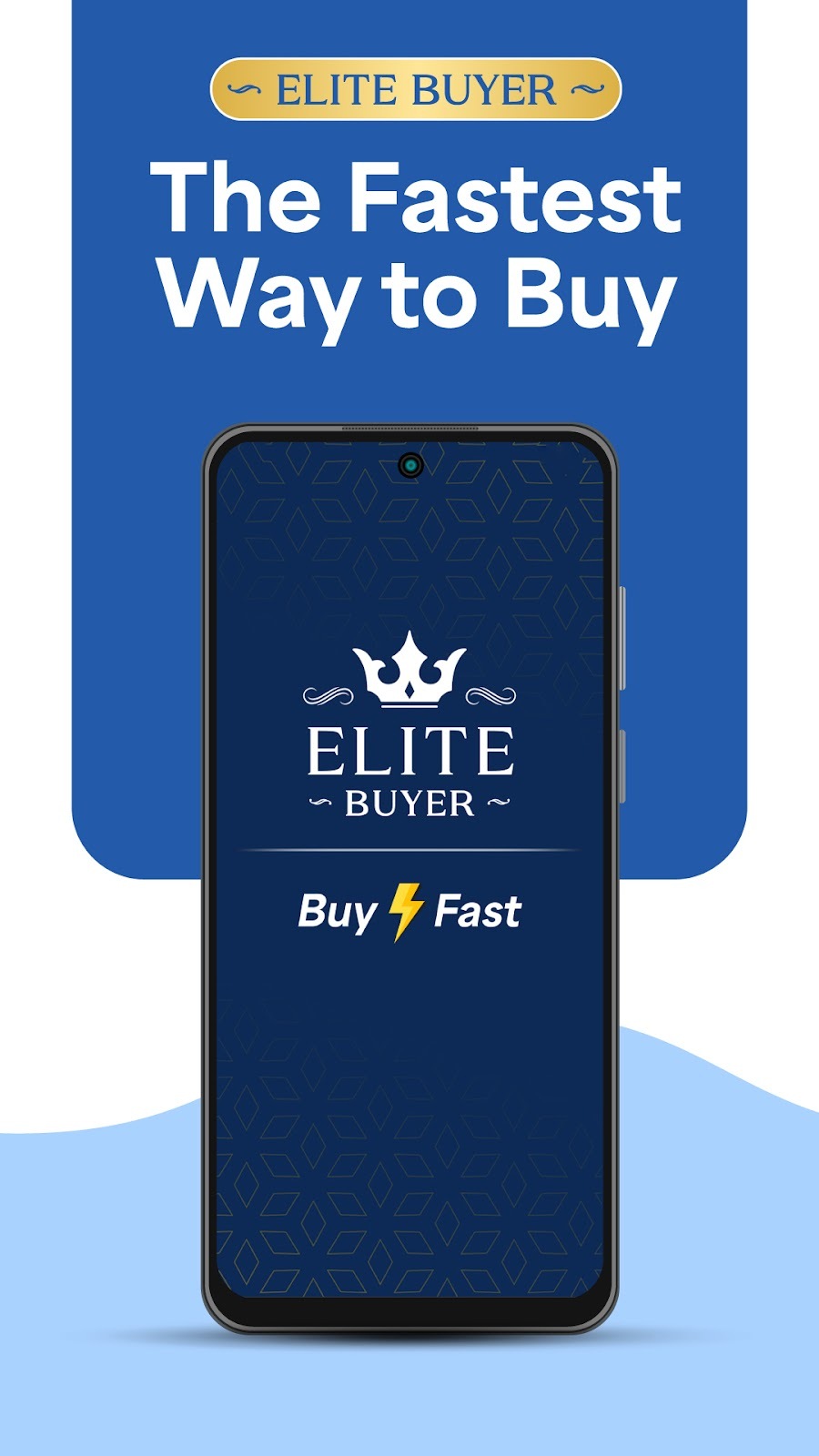
The company has also moved to the buyer’s side of the counter. Introduced in July 2025, Elite Buyer offers a subscription and a badge visible to sellers, with contact or lead benefits depending on the plan. It is an attempt to make an interested buyer more recognisable in a crowded inbox. Whether that is worth paying for depends on how frequently someone buys and how useful the resulting contacts are.
The financial numbers show a business earning more from its activity. In the quarter ended June 2026, OLX India reported ₹62.18 crore in operating revenue, up 29% from ₹48.14 crore a year earlier. EBITDA increased 76% to ₹18.12 crore. Total income, which includes other income, was ₹70.36 crore. These figures describe the OLX India segment, rather than the whole CarTrade group.
More revenue. A larger operating surplus.
CarTrade reported about 32 million monthly unique visitors for OLX India during the same quarter. That is an audience measure, not 32 million completed purchases. The distinction is central to the next phase: a visitor can browse and leave; a transaction requires the right item, an acceptable price and confidence in the person on the other end.
04 / THE HANDOFFA former alternative becomes a partner
On June 28, 2026, OLX India announced a used-car loan offering with IDFC FIRST Bank for eligible users. The marketplace supplies access to prospective buyers; the bank brings financing capabilities. Affordability can interrupt a purchase even after buyer and seller agree that the car is right. Putting a financing route near that decision gives OLX a way to help without becoming the lender.
A month later, CarTrade announced a partnership with Spinny covering OLX India and CarWale. Spinny would provide a selling experience for consumers and offer quality-assured cars through the platforms. The announcement paired OLX and CarWale’s audience, technology and data with Spinny’s operating capabilities. It also said CarTrade’s VAYA AI would connect users with relevant Spinny offerings.
Find the customer
OLX India’s listings and audience
Help finance the purchase
IDFC FIRST Bank · eligible borrowers
Bring in car operations
Spinny · announced partner services
It is an instructive arrangement because Spinny is also an alternative for someone buying or selling a used car. A competitor for the customer can still be a supplier of a service the platform needs. OLX’s broader competition is similarly untidy: local classifieds, specialist car businesses, phone buyback services and neighbourhood dealers each solve different parts of the same problem. A single league table would conceal more than it explained.
The strategic inference is that OLX wants to capture more value around the sale while relying on partners for specialist work. The announcements establish the arrangements, not their eventual profitability. A useful referral must survive the handoff. Customers will judge the resulting quote, service and completed purchase, rather than the elegance of the corporate diagram.
05 / THE STRANGERA badge cannot inspect the phone
Trust remains the difficult part of a marketplace that puts strangers in conversation. OLX’s Verified User, powered by AI, is a paid feature available to accounts meeting its criteria. Those include an OTP-verified phone number, account tenure and an evaluation of behaviour and activity. The badge gives users another signal to consider. It does not mean OLX has inspected the advertised product.
The company’s own explanation goes further: the badge does not guarantee identity, future behaviour or transaction safety. That limitation deserves as much attention as the badge. A buyer of a used phone still needs to establish its condition. A car buyer still needs to examine the vehicle and its documentation. Paying for a signal cannot remove the need to investigate the thing being sold.
OLX’s safety guidance recommends meeting in a safe public place, inspecting the item and checking payment in the actual banking or payment app. It warns against advance-payment demands and supposed buyers asking sellers to scan codes or enter a PIN to receive money. Those precautions belong to the ordinary buying experience. They also reveal where a frictionless digital promise meets a rather physical, occasionally uncomfortable negotiation.
06 / THE TAKEAWAYCopy the boundary, then earn the audience
The useful lesson for another marketplace is to separate finding demand from owning stock, extending credit and handling the exchange. Work out which activity earns its cost. OLX India’s owner closed one operation when its economics disappointed, kept the classifieds audience and later recruited specialists for adjacent jobs. The method is more transferable than its scale: a new entrant cannot simply inherit years of brand recognition and millions of visitors.
For a user, the trade-off is equally concrete. Local classifieds suit someone prepared to compare listings, ask questions and arrange a meeting. They are less convenient when the buyer needs guaranteed condition, immediate fulfilment or a standard return process. Sparse local supply can defeat even a well-designed search screen. For low-value bulky goods, the cost of moving the item can swallow the bargain.
OLX India’s next test is whether subscriptions, verification and partner services make those conversations more productive. The answer will be found in completed deals and repeat customers. Somewhere, a seller still has a sofa blocking the doorway. The app’s job begins with finding somebody who wants it. Every additional service has to help get it out of the house.
Continue the conversation
Explore OLX India ↗ · Help & safety ↗ · OLX blog ↗ · Tech at OLX ↗
LinkedIn · X · Instagram · Facebook · YouTube
Watch the official app trailer ↗
Watch Zee Business’s acquisition report ↗
Read the interview with Aneesha Menon ↗
Explore CarTrade’s results and announcements ↗