At three in the morning, someone bought a Jetta. According to Kavak’s account, it was October 2016, the car was a 2014 model, and the transaction happened digitally. The business had started with three cars. That little scene contains an appealing idea: buying a used vehicle could become something you did from a screen, even while the rest of the city slept.
- Kavak buys, checks and reconditions used cars, then sells them with financing and support.
- Owning the process reduces uncertainty for buyers. It also puts inventory and repair costs inside the business.
- After an expensive expansion and retreat, Kavak is offering its operating tools to other automotive companies.
The Jetta at three in the morning
The founding problem was considerably less charming. Carlos García Ottati had struggled to sell a car and buy another after moving to Mexico. A used vehicle requires a buyer to judge things that are difficult to see: mechanical condition, documentation, the reliability of the person holding the keys. A photograph answers almost none of these questions.
García Ottati founded Kavak with his sister Loreanne García and Roger Laughlin. They built a company that would acquire cars, recondition them and sell them with after-sales backing. Their first sale at 3 a.m. was evidence that the digital front door could work. Everything behind that door still had to be built.
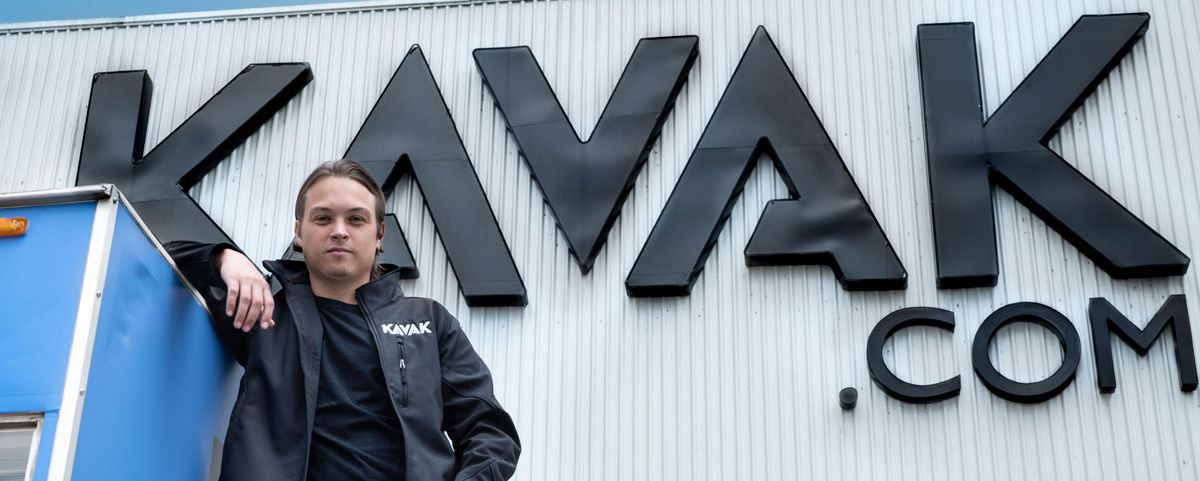
A website with a workshop attached
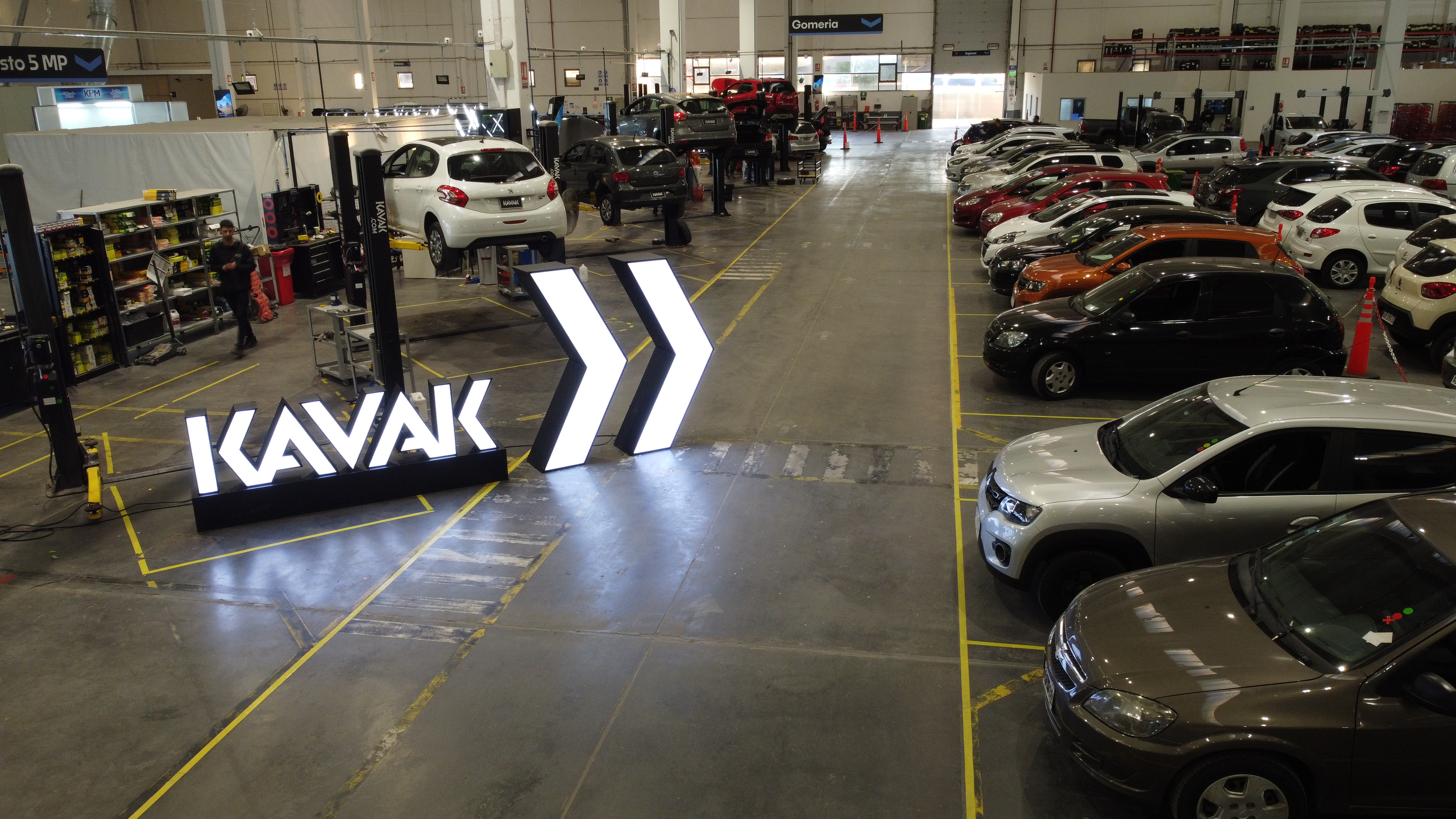
For a seller, Kavak offers an online valuation followed by inspection and an offer subject to the vehicle’s condition and paperwork. For a buyer, it offers a searchable inventory, payment options and a company responsible for the transaction. The customers are people who want a used car without separately arranging every piece of the purchase, including those who need credit.
Kavak advertises a 240-point inspection for its Mexican used-car inventory. It combines vehicle assessment with documentation checks, refurbishment, logistics and financing. The expertise is in making these activities work together. Price a car badly, and it may sit. Discover an expensive repair late, and the expected margin changes. Lose track of documents, and a ready car can remain unsellable.
- 01Acquire
+ inspect - 02Repair
+ prepare - 03Sell
+ finance - 04Support
+ service
Each step changes the cost and reliability of the next.
That makes Kavak an integrated retailer and financier. Its economics depend on the resale spread after acquisition and preparation costs, alongside lending and services. Private sellers, independent dealers, manufacturer-backed used-car programs and classifieds remain alternatives. Carvana is a useful American comparison. Kavak’s particular challenge is coordinating the whole purchase in markets where documentation, credit and trust can each interrupt it.
The promise has boundaries. In Mexico, the standard satisfaction benefit is seven days or 300 kilometers, whichever comes first, subject to conditions. The limited 90-day warranty and optional Kavak Total coverage are separate products. Buyers should compare the total financed cost, exclusions and maintenance obligations. A convenient purchase still deserves a careful reading.
The distinction matters when something goes wrong. A classifieds site can help two strangers find each other and then step away. Kavak has made itself part of the answer: the buyer expects it to explain the defect, arrange service and honor the applicable agreement. That creates a recurring test of the business. The sale produces revenue once; the obligation to the customer can last much longer. In this model, after-sales support belongs in the same calculation as the acquisition price. Treating it as a separate department would make the original purchase look cheaper than it really is.
The map got ahead of the mechanics
The model attracted money quickly. A September 2021 US$700 million Series E valued Kavak at US$8.7 billion. In 2022, it announced US$810 million in financing arrangements with HSBC, Goldman Sachs and Santander. Those facilities supported lending; they were not another equity round. A business buying physical inventory and extending credit needs capital for different jobs.
Expansion provided a harder test. Kavak invested US$40 million in opening Peru, according to Gestión. It later announced an indefinite pause in Peru and Colombia, effective January 1, 2024, citing economic conditions and a focus on markets with stronger growth and profitability. A Colombian refurbishment plant had recently received US$2.1 million. The retreat followed real spending.
Geographic expansion became an early, visible casualty. The record does not establish one first mechanical or managerial failure. It does show what management changed: where it deployed resources, and how much weight it placed on profitability. In March 2025, Kavak raised US$127 million at a reported US$2.2 billion valuation. The reset made its earlier valuation look like a very expensive expectation.
Reported round valuations. A valuation is neither revenue nor cash spent. The 2026 round announcement disclosed no valuation.
Then the operating story improved. Kavak reported nearly 120,000 transactions in 2025, roughly 40% annual growth, and its first full month of consolidated global profitability that December. In a public employee letter, García Ottati described better pricing, data and inventory movement. One profitable month leaves the question of repeatability open. It is nevertheless a more useful milestone than another pin on a map.
“Kavak exists to create real value for people.”
Carlos García Ottati · February 2026
Sell the machinery, too
The February 2026 US$300 million Series F was led by Andreessen Horowitz and co-led by WCM. AI became part of the next operating argument. In an August a16z conversation, product and AI chief Alejandro Maza Ayala described rebuilding workflows around agents and investing heavily in evaluation. These are accounts from the company and its investor. Their practical interest lies in connecting customer conversations and pricing to the same inventory.
By its October 2026 anniversary update, Kavak said its solutions served more than 5,000 automotive partners. Its ecosystem included Draiver vehicle logistics, and 60% to 65% of monthly car sales were financed. The infrastructure built for its own transactions was becoming something other businesses could use.
A September alliance with Hertz México and CarShop proposed three co-branded spaces in Mérida and Cancún, pairing local infrastructure with Kavak’s technology and finance. That suggests a more selective expansion method. For another founder, the copyable lesson is concrete: map every handoff, measure delays, and test local economics before adding locations. It needs reliable repair capacity, affordable funding and disciplined underwriting. Without them, a reassuring screen merely conceals the queue.