travel-tech
(32)
Intelak Hub: where a baggage problem became a dnata deal
A suitcase delivery startup shows what Intelak can offer beyond a grant: a route into the companies that run travel. Dubai’s incubator and accelerator now applies that approach to everything from cargo handling to the airport lounge.
The Hotel Desk That Fits in a Pocket
Independent innkeepers once needed a calendar, five extranets and a talent for midnight arithmetic. eviivo turned that mess into one cloud dashboard - then spent two decades teaching it payments, pricing, AI chat and even how to open the door.

The travel club your customers see. The invisible machinery they don’t.
Custom Travel Solutions lets a brand launch a travel business without becoming a travel company. The pitch is speed and control; the catch is that inventory, pricing and execution still decide whether members stay.

Bloom Spent a Year Building a Hotel With No Guests - Now It Wants 100,000 Rooms
India's yellow hotel chain made the unfashionable choice to perfect its operating system before chasing flags on maps. The bet produced a profitable ₹357.5 crore business - and a field guide for founders who would rather earn the right to scale.

Epicurate Turned Vacation-Rental Concierge Chaos Into a Booking Engine - Then Journey Bought It
A former Le Bernardin cook saw luxury concierges running on email chains and memory. Six years later, his provider-first marketplace powered experiences across more than 12,000 homes - and became Journey's route into the moments beyond the room.

How SkyLink Cut Corporate Booking to 99 Seconds - and Sold the Interface to Amadeus
SkyLink did not rip out the corporate travel stack. It put a chat window on top of it, taught travelers to choose from three useful options, and turned a 15-minute chore into a 99-second exchange before Amadeus bought the company.

The Company That Rebooks Your Flight After You Already Bought It
FairFly spent a decade turning airline fare volatility into corporate savings. Now rebranded as Oversee, it wants to run the parts of the travel business humans hate doing.
TrovaTrip Put Creators in the Tour-Bus Driver's Seat - Then Removed the Gate That Kept Smaller Communities Out
TrovaTrip found a clever way to turn online trust into offline travel: creators bring the crowd, local operators run the trip, and the platform takes care of the unglamorous middle. Its most revealing product decision was learning when not to demand more data.

The Startup That Turns Your Idle Credit Card Points Into a Business Class Seat
Adam Morvitz spent years booking other people's dream flights by hand. point.me is his attempt to fit a decade of points obsession into a search box - and to make banks pay for it.

RedAwning Built the Plumbing Behind 20,000 Vacation Rentals - Then Travel Stopped
RedAwning promised one connection to every major booking shelf. A pandemic forced it to shrink, refocus, and turn that distribution network into a fuller operating system for hosts.

The Tiny Apps Inside the Apps You Already Trust
Boxo wants banks and wallets to stop rebuilding the internet one feature at a time. Its wager is that a single SDK and a shelf of white-label miniapps can turn a trusted app into the front door for travel, shopping and money movement.

How a Phuket Startup Became Asia's Ticket to the World
It started with two hotel websites and a tropical hunch that Asia would book its next holiday on a phone. Two decades later, Agoda runs one of the planet's busiest travel marketplaces - and quietly powers the trips you book somewhere else.

Despegar Is Building the Operating System for Latin America’s Vacation
The Buenos Aires-born travel company survived the dot-com bust, regional currency shocks and a pandemic. Now, inside Prosus, it is stitching flights, beds, credit, loyalty and AI into one Latin American checkout.

The Hardest Part of Your Trip Is the Part 12Go Wants to Make Boring
Flights were digitized years ago. The bus to the pier, the ferry after it and the van on the other side are still a mess - and that stubborn gap is 12Go's business.
Blockskye Wants to Make the Corporate Travel Expense Report Disappear
Most business trips still move through a thicket of cards, agencies and expense reports. Blockskye is betting that one shared record - from booking to reimbursement - can make the whole trip cheaper, clearer and strangely uneventful.

Tambourine
The Fort Lauderdale firm has spent three decades trying to answer one question for hoteliers: how do you get a guest to book with you instead of with Expedia?

Atlys
Atlys turned the least glamorous part of travel into a repeatable software problem. Now the visa app is using identity, automation and a 700,000-application annual run rate to reach for something larger: the operating layer behind international movement.

Humoniq
Humoniq is an AI-native contact center built for the travel and transport industries. Its voice and text AI agents, backed by human oversight, plug directly into airline and travel operations systems like NDC and GDS to handle everything from baggage questions to disrupted-trip rebookings. When a flight cancels, Humoniq's outbound voice agents can even call the airline, sit through the IVR, secure a waiver, and text the traveler a fresh boarding pass. Founded in 2025 by the team behind Flightfox (YC S12), the company is part of Y Combinator's Summer 2025 batch.

Shuttle Central
Shuttle Central is a Cancun-based travel-tech company (YC W22) that helps travel companies sell ground transportation online. Its API and booking platform let agencies, OTAs, and mobility businesses offer airport shuttles, private transfers, hourly drivers, and car rental across 100+ destinations in Mexico, the Caribbean, the USA, and Latin America - without building their own supplier network or dispatch infrastructure.

HXE (Huixiaoer)
HXE (Huixiaoer) is a Beijing-based MICE technology platform that lets companies search, compare and book hotel conference rooms, meeting venues and event services online. Marketed globally as Eventbest, it aggregates 150,000+ hotels and event venues, has served more than 400,000 corporate clients, and partners with major hotel groups including Marriott, Hilton, IHG, Shangri-La, Wyndham and Langham. HXE turns a traditionally offline, quote-by-phone procurement process - meetings, conferences, incentive trips and group business travel - into a one-stop digital marketplace covering venue data, price comparison, catering, accommodation and logistics.
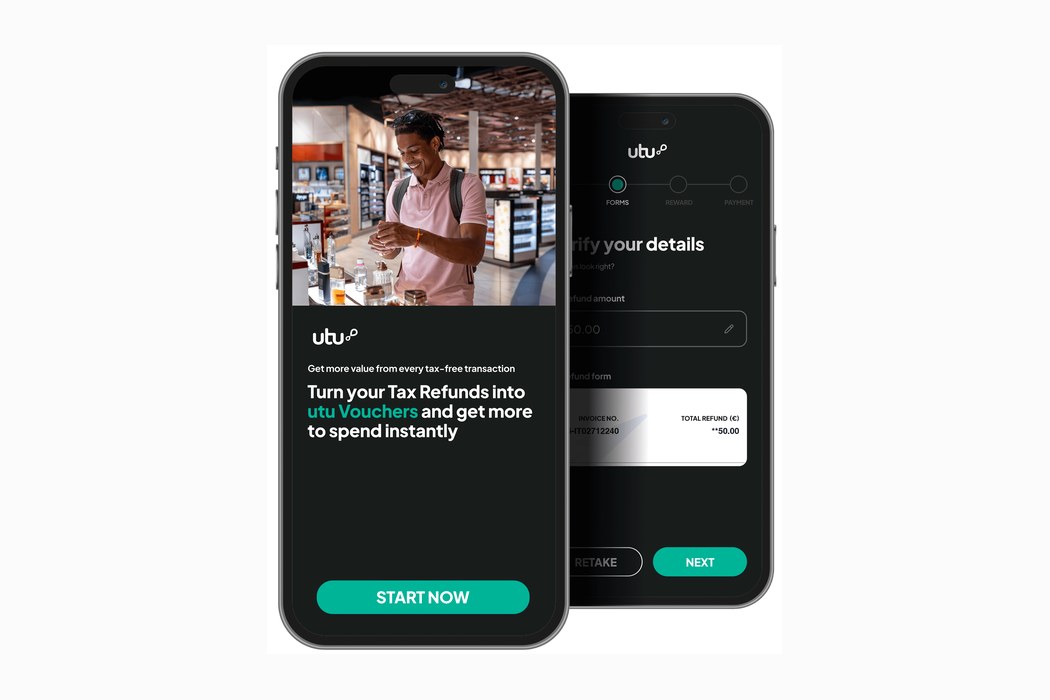
utu
utu is a Singapore-based travel-technology and fintech company that helps international shoppers get more from their VAT and GST refunds. Instead of accepting the standard cash refund (often only 55-60% of the tax paid), travelers use utu to upsize their refund - taking up to 40% more value in airline miles or hotel points, or converting refunds into retail vouchers worth more than the tax paid. Founded by tax-free-shopping veterans Asad and Ameer Jumabhoy, utu links travelers, retailers, duty-free operators, VAT refund companies, airlines and hotels into a single rewards ecosystem across markets including Italy, Switzerland and the UAE.
KEY.co
KEY.co is an Austin-based luxury travel company that reimagines the vacation rental as a hotel-grade service experience. It curates design-forward homes and pairs them with in-home services - pre-arrival grocery stocking, private chefs, in-home spa and massage, and a dedicated guest-services team - across dozens of destinations in the U.S., Caribbean, Mexico and Canada. Founded in 2014 by Kim Lalande, the company operates as a three-sided marketplace connecting travelers, property managers and local vendors, and has raised roughly $15.8M to date.

PocketGuide Inc.
PocketGuide is a GPS-based audio travel guide app that turns a smartphone into a hands-free personal tour guide. As travelers walk through a city, the app detects their location and plays professionally produced commentary from local narrators about nearby landmarks, restaurants and hidden corners. Founded in Hungary in 2009 by Martin Retai and later incorporated with a US presence in Redwood City, PocketGuide grew to cover more than 150 cities across five continents, with tours that work offline to avoid roaming charges.

myRiva
myRiva (formerly Onriva) is a Foster City-based business travel marketplace that uses patented AI to aggregate airfares, hotels and ground transport from more than two million suppliers into one open booking platform. Aimed at small and mid-sized companies, it pairs machine-driven fare matching with 24/7 US-based live agents, real-time traveler dashboards and corporate policy controls, positioning itself as a lower-friction alternative to legacy corporate travel tools.

Le Walk
Le Walk is a location-based, immersive travel app that turns your phone and headphones into a private walking-tour guide. Using GPS-triggered audio narration, cinematic soundscapes, and world-class local guides, it walks you around a city at your own pace - no group tours, no fixed schedules - across 22+ languages. Built by three former TikTok employees and operating as Routes AI, Inc., the company launched publicly in September 2025 with a $4.1M seed round and is scaling from a handful of European cities toward 25+ destinations.

Xeni
Xeni is a New York-based travel technology company building a white-label platform that lets businesses launch their own branded booking engines on top of wholesale travel inventory - hotels, flights, cars, activities and cruises - through no-code, low-code and API options. Its settlement layer, XeniPay, runs on the Hedera network and uses smart contracts to tokenize and auto-distribute payments (fiat or crypto) to every party in a booking, aiming to fix an industry where a large share of reseller commissions historically go unpaid. Founded by Sachin Narode and Rachel Obenshain, Xeni positions itself as an operating system for travel commerce - often described as the 'Shopify of travel.'
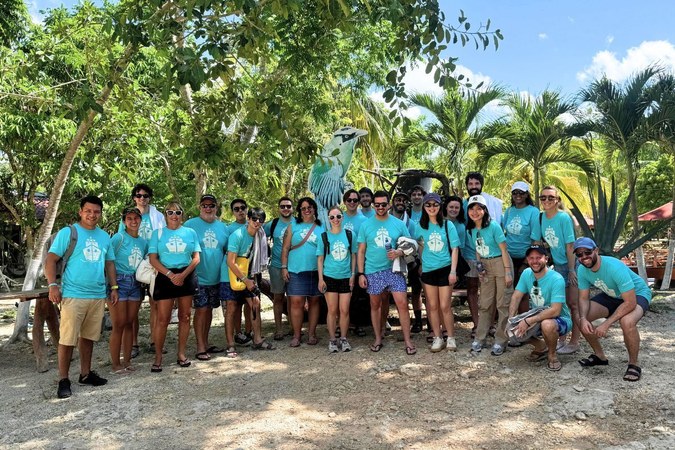
Cruisebound
Cruisebound is a digital-first online travel agency that makes cruise research and booking as simple as buying a flight. The platform lets travelers compare more than 27,000 itineraries across roughly 19 major cruise lines, lock in transparent prices with no booking fees, hold cabins free for 24 hours, pay in installments, and earn Cruisebound Cash rewards - all backed by a hybrid model of self-service technology and human cruise experts. Founded by alumni of Rocket Travel (a Booking Holdings company), it targets a new generation of cruisers with an e-commerce experience instead of the traditional quote-request phone call.

TravelJoy
TravelJoy is an all-in-one software platform for travel advisors and agencies, bundling a CRM, itinerary builder, branded proposals, automations, and secure payments into one workspace. Founded in 2018 by Dayo Esho and Chris Kline, the San Francisco company helps independent travel entrepreneurs run their businesses and compete with DIY booking sites - and now facilitates more than $1 billion in annual customer spend.

Cloudbeds
Cloudbeds is a San Diego-based hospitality management platform that gives independent hotels, hostels, vacation rentals, and lodging groups a single cloud system to run reservations, distribution, payments, revenue management, and guest communication. Founded in 2012 by Adam Harris and Richard Castle, the fully remote company replaces the tangle of disconnected legacy tools that property owners juggle, serving tens of thousands of properties across roughly 150 countries and, more recently, layering in AI through its Cloudbeds Intelligence and Signals products.

Beyond
Beyond (formerly Beyond Pricing) is a San Francisco-based revenue management platform for short-term rental owners and property managers. Its data-driven pricing engine, market insights, booking engine, and OTA distribution tools help hosts and managers grow bookings across 340,000+ listings in 7,500+ cities. Bessemer-backed and led by CEO Julie Brinkman, Beyond has powered billions in booking revenue and is widely viewed as the category's category-definer.