The independent hotelier's natural habitat is not a spreadsheet. It is the breakfast room at 7:12 a.m., where a guest wants oat milk, another wants directions, and somebody in another time zone has just booked the last room on two websites at once. This is the corner of hospitality eviivo chose: businesses with real charm, thin staffing and an astonishing quantity of clerical work.
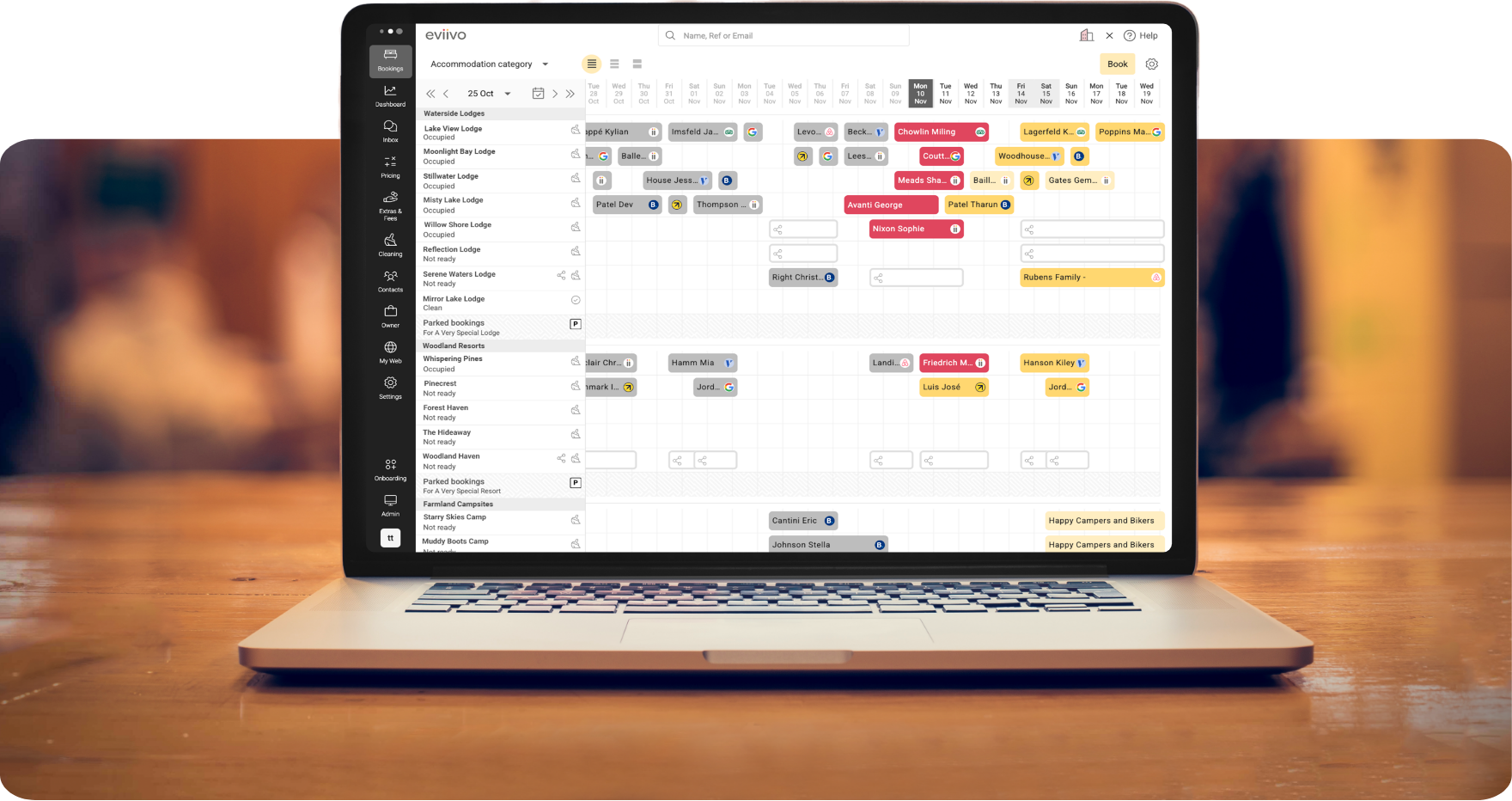
The London company makes a cloud property-management system for hotels, B&Bs, inns, vacation rentals, serviced apartments, campgrounds and property managers. Its eviivo Suite keeps the reservation calendar, prices and availability in step across direct websites and travel agencies. Around that core sit payments, automated messages, promotions, reporting, owner statements, housekeeping and smart-lock controls. The premise is almost comically sensible: one property should not require a drawerful of passwords.
The first thing to fail is the truth
A room is either free or it is not. Yet the answer can differ between Booking.com, Airbnb, Expedia, a property's own website and the paper note beside the telephone. That is the original sin of the small-hotel software stack. When availability travels slowly, the calendar stops being a source of truth. Overbookings come next. Then the apologetic phone call.
One eviivo case study describes a 30-room San Francisco hotel whose old system did not fully connect to the major online travel agencies. Staff updated scattered extranets, handled guest messages manually and operated a website with no booking engine. The property switched because the failures were no longer abstract: duplicate inventory, overloaded staff and direct visitors who could look but not buy. After connecting distribution, centralising messages and installing eight automated email templates, the hotel reported 25 percent year-over-year growth in OTA reservations, 17 percent revenue growth and 17 percent growth in nights sold on its own website. It is a vendor case study, not a controlled experiment, but the sequence is instructive.
A tourist-board tool learns the cloud
eviivo traces its roots to Frontdesk, an early online booking platform sold to UK tourist boards in 2004. The company was founded in 2003; by 2011 it served more than 4,400 independent businesses in Britain and had been growing at more than 60 percent a year, according to Investcorp. That year the private-equity firm completed a majority buyout at a valuation of about £30 million.
The consequential change was architectural. The business rebranded and rebuilt its offering for the cloud, then launched the modern eviivo Suite under chief executive Michele Fitzpatrick and chief technology officer Eric White. eviivo says the Suite brought in more than 4,600 customers in its first year. In 2016, Barclays supplied £3.5 million in venture debt for growth. Xotelia joined through acquisition in 2017; in 2018, eviivo bought Expedia Group's RezOvation and Webervations software and used their innkeeper base as a bridge into the United States and Canada.
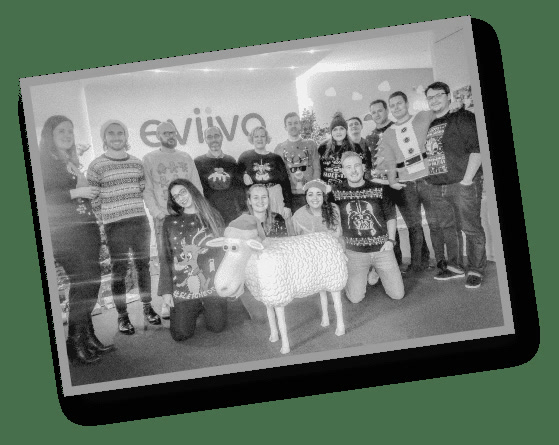

“Our focus has been on reducing operational complexity.”Michele Fitzpatrick, chief executive
The bill is modular, not mysterious
In Britain, eviivo's published price starts at £35 a month for a single property and £95 for a multi-property configuration. The core includes the calendar and PMS, a booking engine or website, Channel Manager, the mobile app, a marketplace and access to open APIs. Optional modules are priced by room: Payment Manager is listed at £1 per room; Guest, Promo, Performance and Owner Manager at £2 each. Messaging or payment services can add a flat 50-pence processing fee to a confirmed booking. Taxes are extra, larger inventories receive volume pricing, and there is no free trial - only a personalised demonstration and a free first 30 days after onboarding.
The pricing tells you what eviivo is selling: fixed operating infrastructure, not a slice of the room rate. The company says it takes no percentage of accommodation revenue and does not mark up an OTA's commission. That matters because a popular direct-booking weekend should improve a hotel's economics, not quietly improve its software vendor's.
The suite keeps eating the errands
Vertical software grows by noticing the next interruption. Once the calendar is reliable, the deposit is late. Once the deposit clears, the guest asks for the Wi-Fi code. Once the guest arrives, the cleaner needs a task and the door needs a PIN. eviivo has followed that chain.
Guest Manager combines messages from direct bookings and major channels, schedules communications and includes an AI Concierge that reads a property's website to answer routine questions around the clock. eviivo was unusually candid at launch in 2023: generative answers can be wrong, owners should read transcripts, disclose the bot and make their terms authoritative. That condition is worth copying. AI works here when the property information is accurate and a human checks the edge cases; it is a poor substitute for policy, judgment or an innkeeper who knows why the boiler grumbles.
Owner Manager handles fees, statements, ledgers and trust-accounting workflows for rental managers. Performance Manager builds custom reports. Promo Manager sets offers and pricing rules. The mobile app takes reservations and cleaning tasks away from the office desk. Device Manager, released in April 2026, generates booking-linked smart-lock codes, expires them at checkout and gives operators one panel for multiple lock brands. Each feature is prosaic. Together they create the unusual pleasure of an uneventful arrival.
Its market is the long tail with a front door
The alternatives depend on what is being operated. Little Hotelier and Freetobook court small inns; Cloudbeds, RoomRaccoon and Mews stretch toward larger hotels; Guesty, Hostaway and Lodgify are familiar to vacation-rental managers; SiteMinder is strong in distribution. eviivo's position is between the one-property tool and the enterprise hotel stack, with particular comfort around independents and portfolios that mix rooms, apartments and rentals.
B&Bs, boutique hotels, pubs with rooms, castles, campsites, boats and yurts.
The owner-manager or lean team that cannot employ a specialist for every dashboard.
Broad functions and deep channel links in one subscription, with mixed-portfolio support.
Less compelling when a tiny host needs almost no automation or a chain requires heavily bespoke enterprise workflows.
Recent partnerships show eviivo widening the routes into that long tail. Mr & Mrs Smith now synchronises selected boutique properties. Beyond pushes market-aware pricing into connected channels. Dida opens eligible European hotels to more than 40,000 business-to-business travel distributors, with North America planned after testing. DirectBooker aims to make official rates and availability legible to AI travel discovery. The product is no longer merely a place to record demand; it is becoming a switchboard for where demand originates.
What an operator can copy on Monday
The transferable idea is not “buy more software.” It is to locate the same fact in several places. If staff update a rate in three extranets, copy an address into five messages or reconcile deposits against a separate booking sheet, the business has found its automation queue. Start with the information whose inconsistency embarrasses the guest: availability, payment status, arrival instructions. Then automate the repeatable messages, while leaving complaints, exceptions and actual hospitality with people.
A four-step front-desk audit
- List every place where rooms, rates and guest details are manually re-entered.
- Fix availability first; an accurate calendar prevents the most public failure.
- Measure hours removed, direct-booking share and errors - not the number of features switched on.
- Keep humans on the exceptions, especially refunds, safety, accessibility and AI-generated answers.
The conditions matter. A four-room owner with one sales channel may not recover the cost or migration effort. A global chain with custom loyalty, food-and-beverage and group-sales systems may need a deeper enterprise platform. Operators who demand a self-serve free trial will not find one here. And the “all-in-one” promise only works if staff trust the central record enough to stop maintaining shadow spreadsheets. Consolidation without adoption is simply another tab.
For the right operator, however, eviivo's achievement is pleasantly mundane. The guest sees a room, books it, receives a useful message, pays and opens the door. The owner sees the same booking once. In hospitality software, that is close to a standing ovation - though the innkeeper would probably prefer everyone kept their seats until after breakfast.