A night in a vacation rental has a peculiar property: tomorrow, you cannot sell yesterday. An empty Tuesday disappears. A Saturday booked too cheaply disappears, too, though its owner may feel rather pleased about it. The calendar fills up. The business looks healthy. The price of that satisfaction is hard to see.
- PriceLabs adjusts nightly rates and minimum stays using demand data and host-defined rules.
- Its customers range from individual hosts to professional property managers and hotels.
- The useful trick: compare the right properties, then keep checking what actually books.
PriceLabs grew out of that small, expensive ambiguity. Co-founder Richie Khandelwal was managing a rental and struggling to keep prices aligned with demand. In 2014, he joined Anurag Verma and Sana Hassan to build a solution. Their backgrounds included airline revenue management and travel distribution. They brought that experience to a business where an owner might still price an entire season by instinct.
The first bottleneck was typing
The early operation was wonderfully literal. In an August 2026 podcast interview, Khandelwal recalled sitting beside hosts to connect their accounts, then manually entering daily rates. Eventually the team built a connector, which could still fail. A recommendation was only useful if it reached the calendar. Before this was a story about artificial intelligence, it was a story about getting the numbers into the right boxes.
That practical problem still defines the company’s place in the market. PriceLabs sits between market information and the software that sells a stay. It recommends rates and restrictions, then transmits them through booking-channel or property-management integrations. Its July 2025 direct Booking.com integration removed a previous requirement: hosts had needed a connected property management system to send PriceLabs rates to that channel.
The neighborhood changes the answer
Consider two Chicago neighborhoods. In PriceLabs’ algorithm explainer, the Loop attracts business travelers and stronger midweek demand. Lincoln Park, about four kilometers away, follows a different pattern. A city average blends those customers together. For the person selling one apartment, that average can be a poor guide.
PriceLabs calls its approach Hyper Local Pulse. Its technical explanation describes selecting 350 nearby, similarly sized listings within a radius that can expand to 15 kilometers. Geography is only the beginning: booking history, seasonality and incoming reservations help shape the recommendation. The important question is which properties share your demand.
Even the plumbing changed. PriceLabs describes replacing a batch-processed spatial index with H3, a geographic grid system, to reduce delays in incorporating fresh listing data. The lesson is less glamorous than the AI label: choosing relevant neighbors matters, and so does noticing when those neighbors change.
“Our product democratizes powerful tools that, historically, have only been available to large hospitality businesses.”Sana Hassan · co-founder · 2022
Eight years before the check
For eight years, the company grew without outside financing. In July 2022, Summit Partners announced a $30 million minority growth investment in the profitable business. The money was earmarked for product development and global hiring. This was capital for an existing operation with customers, rather than a wager on whether anyone wanted the product.
The founders’ announcement explains the hesitation. They associated reasonable prices with lean operations, online sales and strong support. Funding had seemed at odds with that approach. Meeting Summit’s Colin Mistele changed their assessment; they described finding an investor aligned with their working methods. Their stated commitment to operating lean survived the deal.

Today, PriceLabs says it prices more than 700,000 properties daily and serves over 80,000 hosts and property managers across more than 150 countries. Its about page describes a team spread across 15 countries. Those are company-reported figures. They show how far the original problem travels: a host needs a workable rate whether the property is in Chicago or somewhere the founders have never visited.
What the subscription actually buys
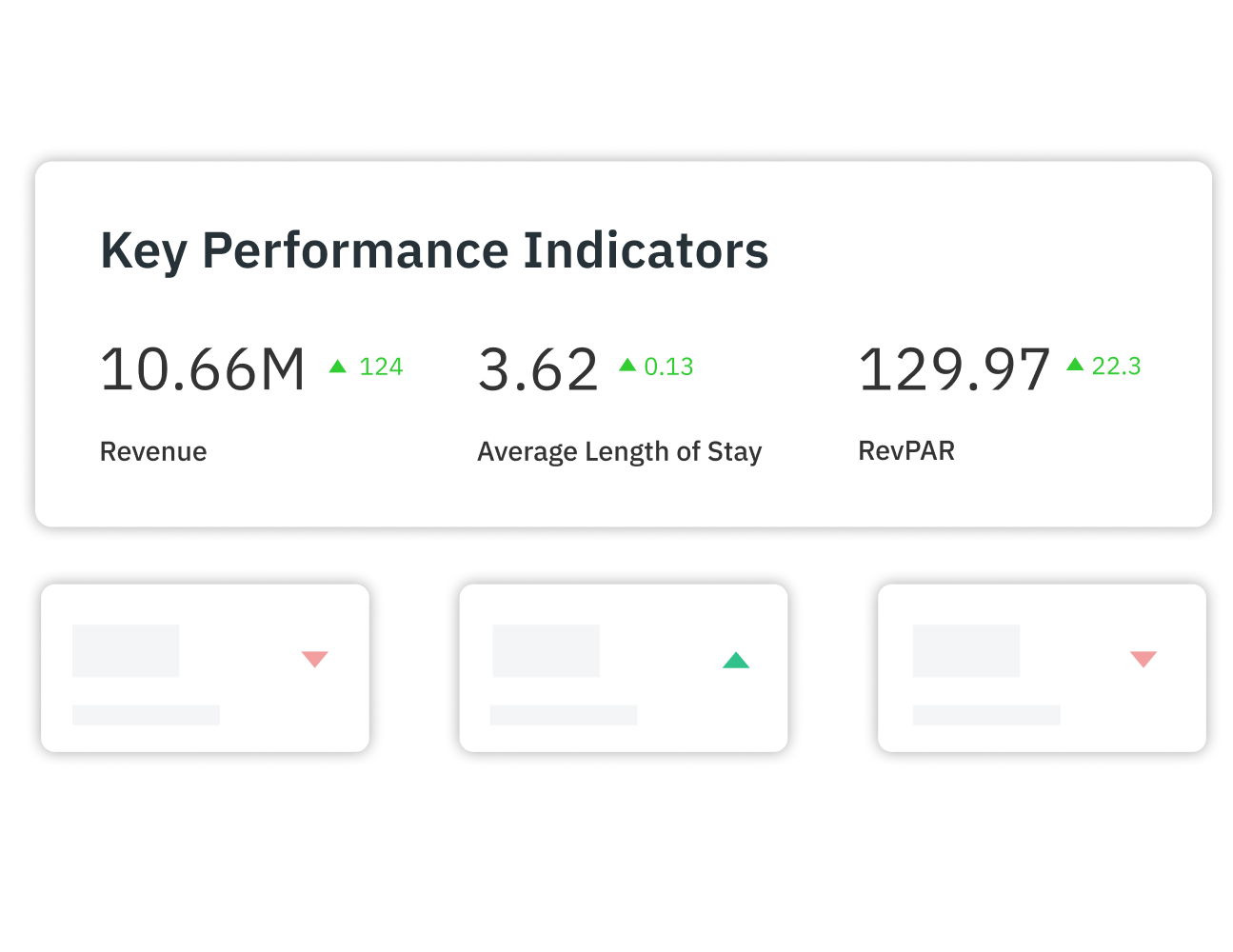
Dynamic Pricing is the engine: nightly recommendations, automated updates, custom adjustments and minimum-stay controls. Portfolio Analytics examines the results through occupancy, average daily rate and revenue per available room. Its core service is free, with integration-dependent availability. Market Dashboards examine the surrounding market; Revenue Estimator Pro projects a property’s potential earnings. Listing Optimizer extends the toolkit to Airbnb content, including titles, descriptions and photos.
For one US listing, standard Dynamic Pricing starts at $19.99 a month before taxes, with volume discounts and different regional rates. PriceLabs also offers a 1% booking-revenue option. Market Dashboards start at $9.99 monthly; other research tools and add-ons can increase the bill. A 30-day Dynamic Pricing trial gives hosts time to inspect recommendations before committing.
Illustration only. Before taxes and add-ons; standard plan assumptions above. Equal cost at $1,999 monthly revenue.
Beyond and Wheelhouse compete in the same territory. Both also offer pricing and analytics, so automation alone does not distinguish PriceLabs. Its proposition combines local demand modeling, detailed controls and a broad integration network. The decision for an operator is practical: does the software connect to the existing setup, expose useful comparisons and allow the rules the property needs?
Set the floor before you press sync
The transferable routine is simple. Import the property, establish a sensible base price, set a minimum, review the future calendar, then enable syncing. Importing alone does not change published prices. Check booking pace alongside revenue; a full calendar deserves questions as much as celebration.
The limits are equally concrete. PriceLabs’ own instructions warn that a poor base price distorts recommendations. For many integrations, blocked dates count as booked in occupancy calculations, which can weaken comparisons. Unusual properties need careful comparable selection. A revenue projection remains an estimate. Automation can refresh tomorrow’s price; the operator still has to decide what kind of business that price is supposed to sustain.