startup-operator
(61)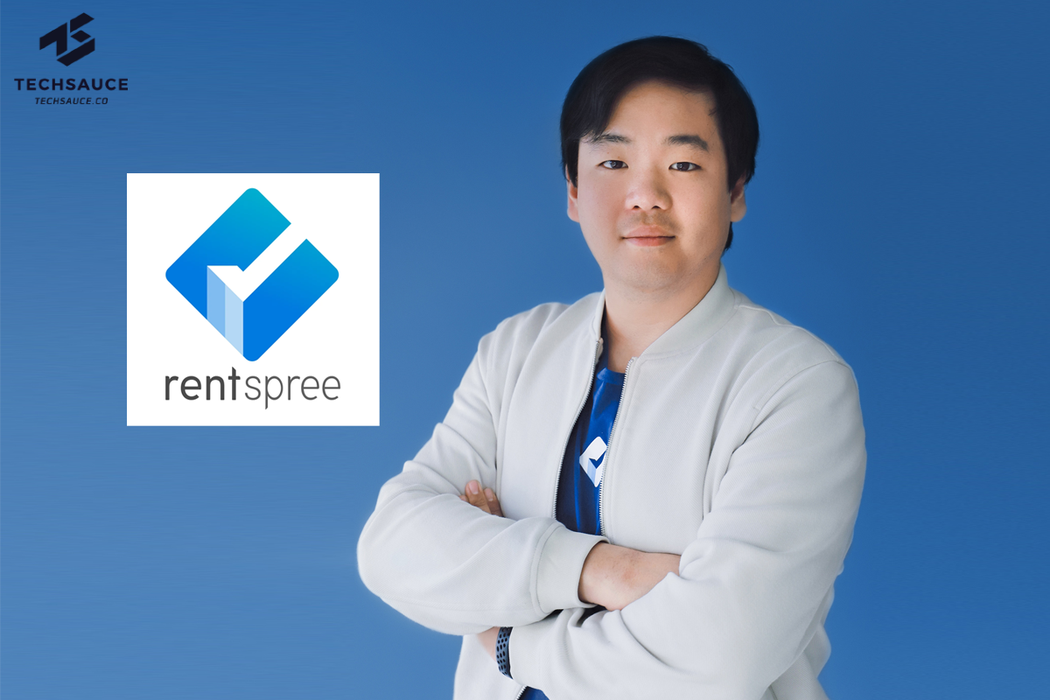
Ekabutr Sirisuphang and the Ten-Year Lesson Hidden in a Rental Form
A broken rental process gave Ekabutr "Paul" Sirisuphang and a business-school friend an idea. The harder invention came later: learning to operate a company that grew faster than its founders' old job descriptions.

Joanna Lord and the Strange Luxury of Starting Small
After five CMO seats and two decades scaling other people's companies, Joanna Lord is building one careful black jumpsuit in Miami. The smaller canvas has made her ambition more exact, not less.

Doug Wheeler Learned Marketing Where the Cash Runs Out
After decades moving between public companies and fragile startups, XiFin's chief marketing officer has reduced growth to a few unsentimental rules: protect cash, listen more than you talk, and go before perfect becomes an alibi.

Ali Zaman Has Spent a Decade Making Healthcare Technology Make Sense
From a medication device and cancer-data research to interoperability, children's books and AI economics, Zaman's career follows one stubborn idea: complicated systems still need a clear human story.

Google Said No. Matt Epstein Kept the Audience.
A fake moustache, a rejected application and a customer’s startled reaction trace the career of a marketer who learned to turn attention into operating leverage.

Matt Goldsmith Kept Changing Jobs Without Leaving Bambee
He arrived as Bambee's first dedicated HR Manager for customers. Seven years and ten titles later, Matt Goldsmith had turned a retail-HR apprenticeship into an operating tour of nearly the whole company.

Thomas LeDuc Put Cybersecurity’s Invisible Defenders on the Big Screen
He helped take Semperis from a few million dollars in recurring revenue to centaur status. Then the Detroit-area CMO returned to filmmaking to tell the human story behind cyber defense.

Mario Paganini Wants Marketing to Earn the Pause
After helping technical companies explain themselves through an exit, two unicorn journeys, and a string of rebrands, Mashgin’s CMO has reduced his craft to a demanding idea: attention must be earned.

Dan Slagen Wants Marketers to Build, Not Just Brief
After learning to sell bathroom products, wedding speeches and weather intelligence, Zapier's Chief Marketing & AI Transformation Officer is giving his team a harder assignment: rebuild the work itself.
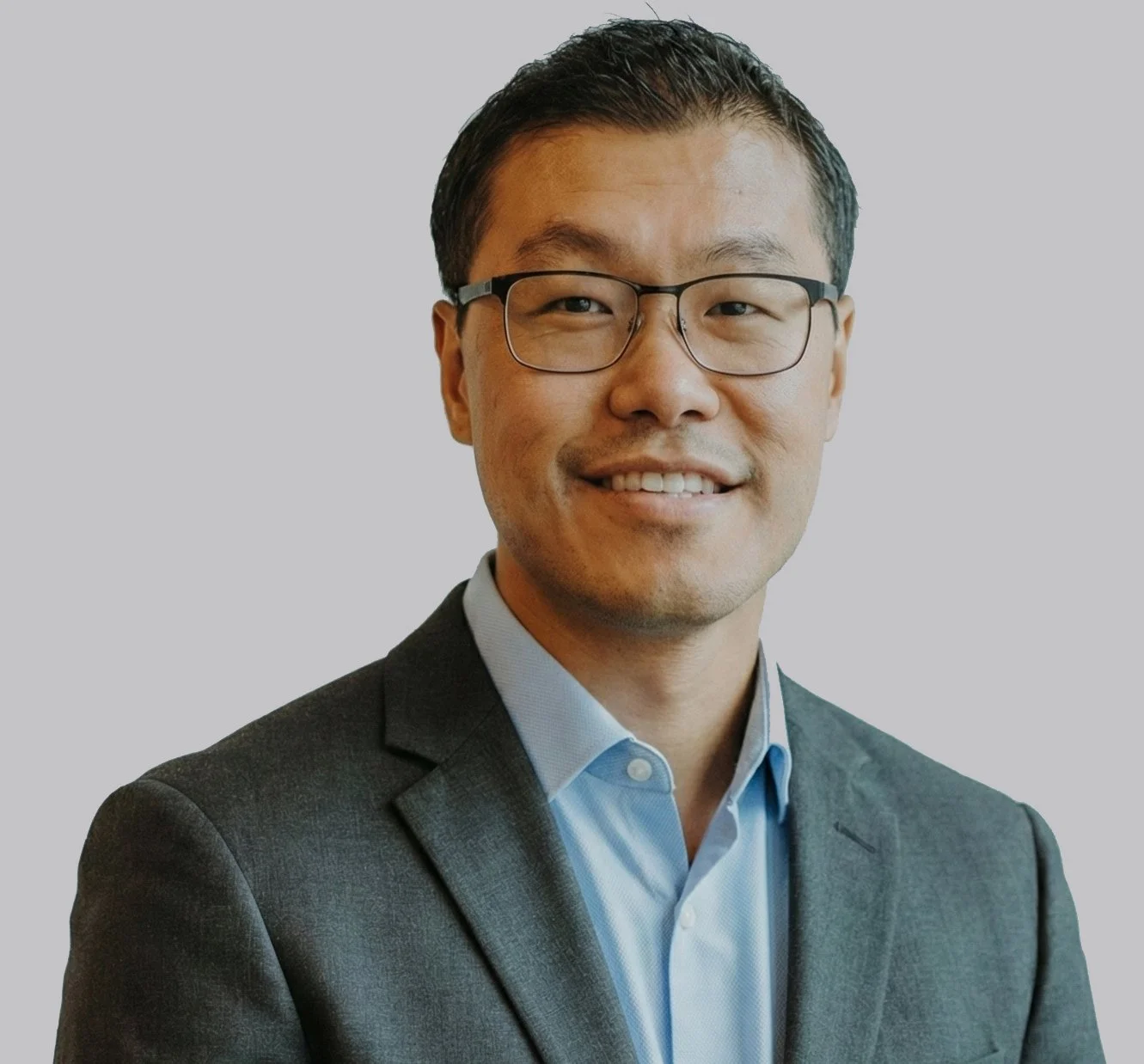
Ruoting Sun Learned to Price Risk. Now He Helps Security Companies Explain It.
From quantitative finance to Zero Trust, compliance software and internet-scale threat intelligence, Sun has built a career translating complicated systems into decisions people can act on.

Crystal Brown Built a Career by Making Hard Problems Move
Before she marketed AI-made presentations, Crystal Brown organized parents, built companies, and learned to keep a hundred things moving at once. Her career is a study in turning complicated systems into coordinated action.

Jen Grant Left the Stage. She Never Stopped Directing the Story.
Before Jen Grant helped explain cloud storage, search, analytics, and AI, she toured with a children's theater company. The surprise was not that she left acting. It was that she had already found her part: building the company behind the show.
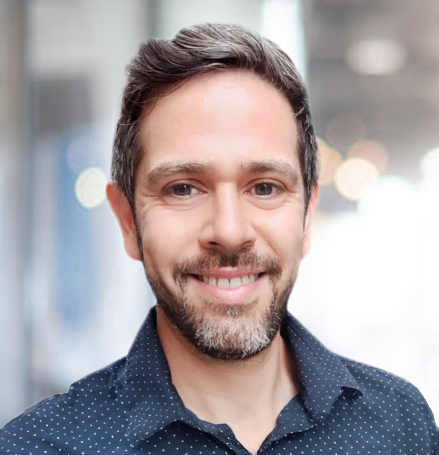
Omri Erel Has Spent 19 Years Turning Startup Chaos Into a Growth System
Before cybersecurity, Omri Erel built demand engines across some of SaaS's busiest growth stories. His recurring subject is not the polished company seen from outside, but the people, data, and useful disorder that make it work.
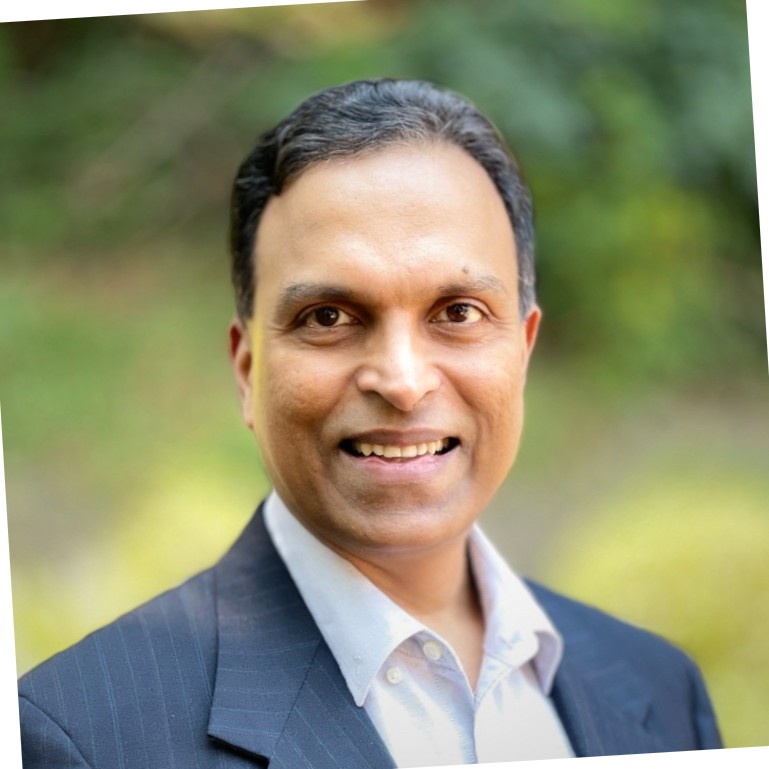
Bala Vishwanath Has Spent 25 Years Marketing What Comes Next
An engineer turned founder turned CMO, Vishwanath keeps returning to the same hard problem: how do you explain a technical shift before the market has agreed on the words for it? At SeekOut, that question now belongs to agentic AI and recruiting.
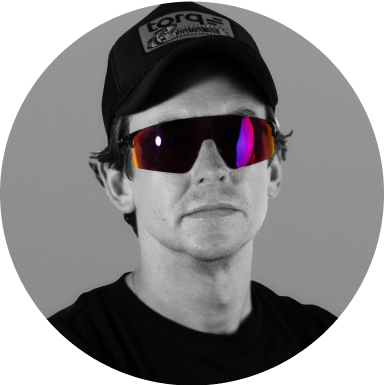
Don Jeter Put a Monster Truck in the Cybersecurity Machine
In a trade-show world of blue gradients and careful claims, Torq's CMO chose skeletons, tattoos and Grave Digger. Beneath the spectacle is a practical playbook for making enterprise software memorable - and accountable to revenue.
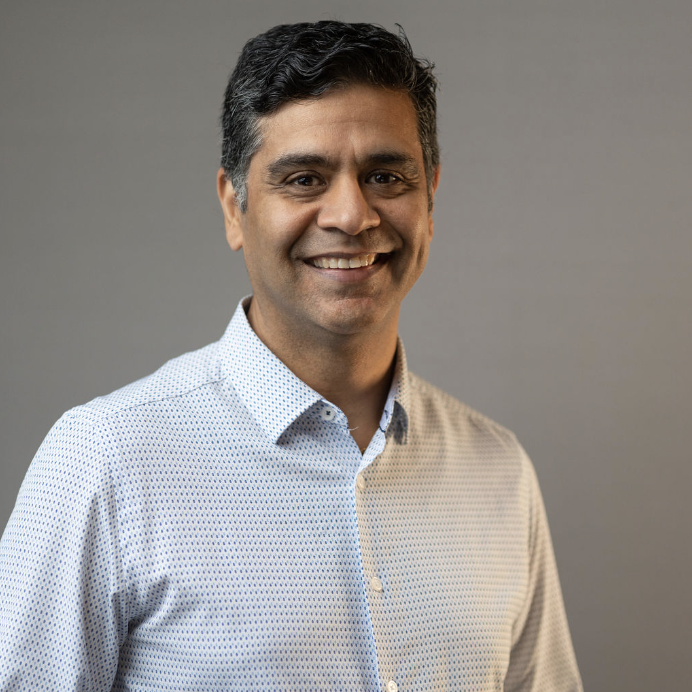
Ajay Khanna Keeps Choosing the Hard Part
After more than two decades in enterprise software, Yugabyte CMO Ajay Khanna still prefers the unfinished job: build the team, sharpen the category, and make complicated technology useful before the market has settled on its vocabulary.
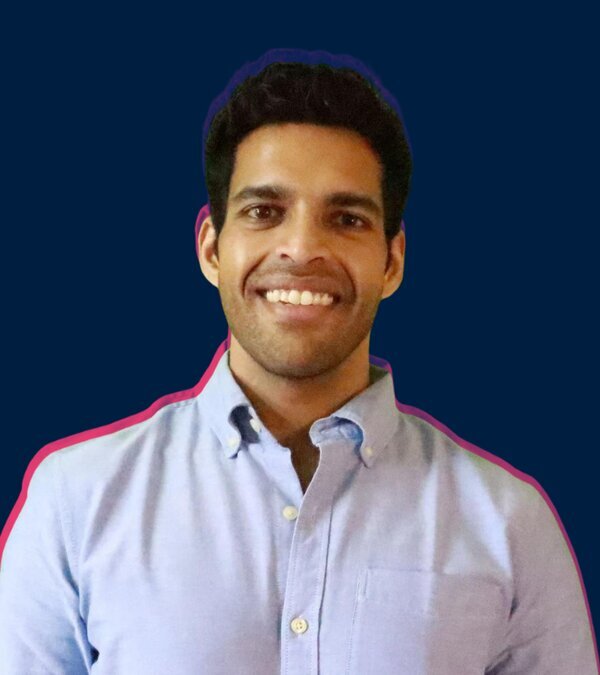
Roshan Cariappa Has Spent 18 Years Learning When to Build, When to Pivot, and When to Listen
The engineer turned founder turned marketer built his career by staying close to the work - then turned hundreds of podcast conversations into a public notebook on how companies, categories and careers actually grow.
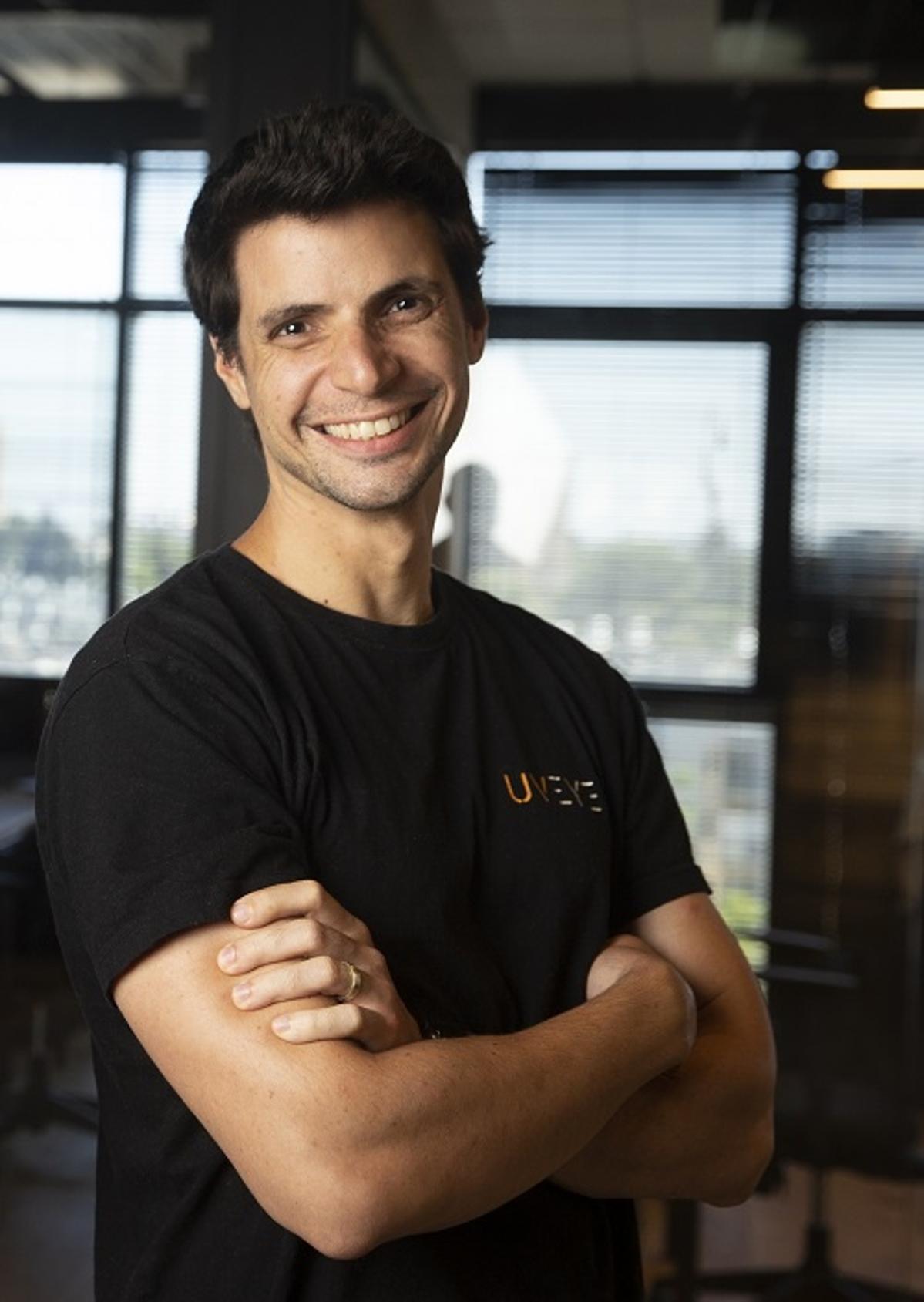
Yaron Saghiv Is Making the Awkward Car Inspection Harder to Argue With
The former consumer-marketplace founder now sells a wonderfully unglamorous idea: cars should arrive with receipts. At UVeye, Yaron Saghiv has turned computer vision into a language of trust for dealers, fleets and drivers.
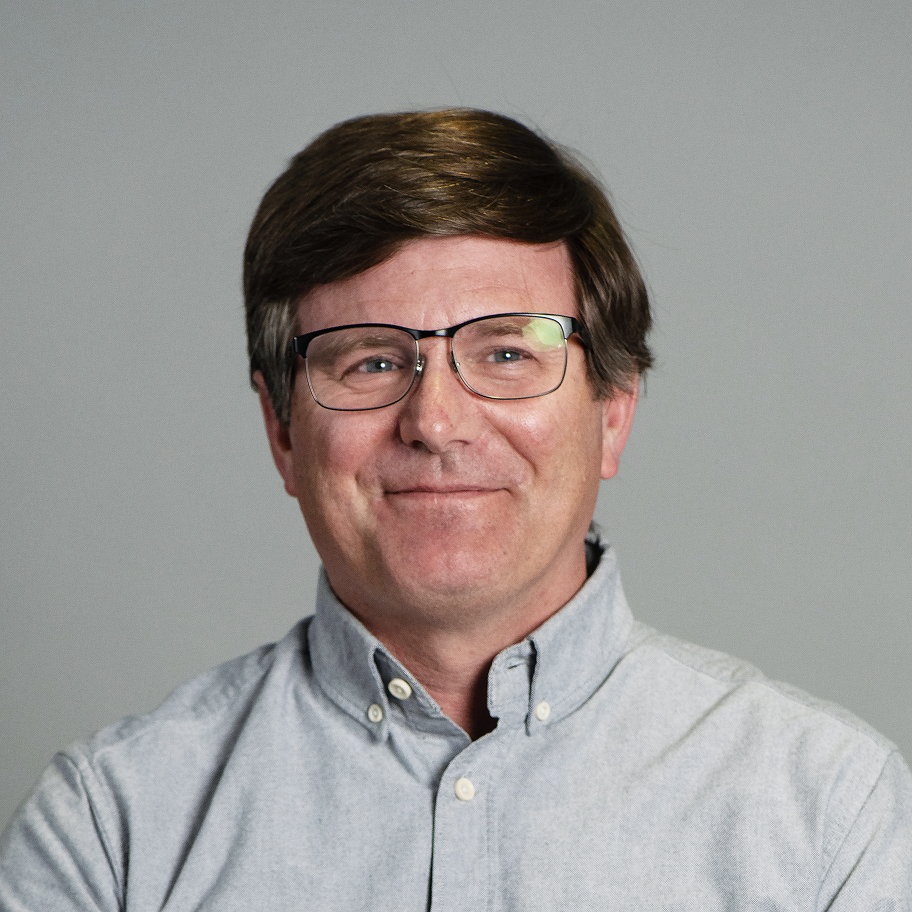
Jim Rose Has Spent Six Startups Hunting for the Flicker
Before CircleCI became the factory floor for digital goods, its CEO learned entrepreneurship through copy machines in China, a group-buying patent, a vanished Facebook growth engine, and one stubborn mobile testing problem.

Nadav Gur Has Spent 25 Years Making Invisible Systems Behave
Before apps were obvious, he built a travel assistant. Before conversational search was fashionable, he spun one out of SRI. Now Nadav Gur is applying the same systems instinct to the awkward economics of shared clean energy.

Jinyong Lee Put PCR on a Stopwatch
A private-jet courtship vanished with one licensing snag. Jinyong Lee kept building, lost the suitor, and shaped a patient, product-first company around light, heat and an unusually stubborn definition of success.

Naaz Ali Makes the Complicated Feel Considered
Before biotech, there were bank counters, training rooms, alumni reunions and a mobile spa. Naaz Ali's career is a study in how operational craft turns many moving parts into a place where people can do serious work together.

Henson Tsai Bet Everything on the Wrong App - Then Learned to Listen
A failed food app emptied his savings. A hotel pitch went nowhere. Henson Tsai kept the two engineers, changed the customer in a day, and built SleekFlow by treating rejection as data.
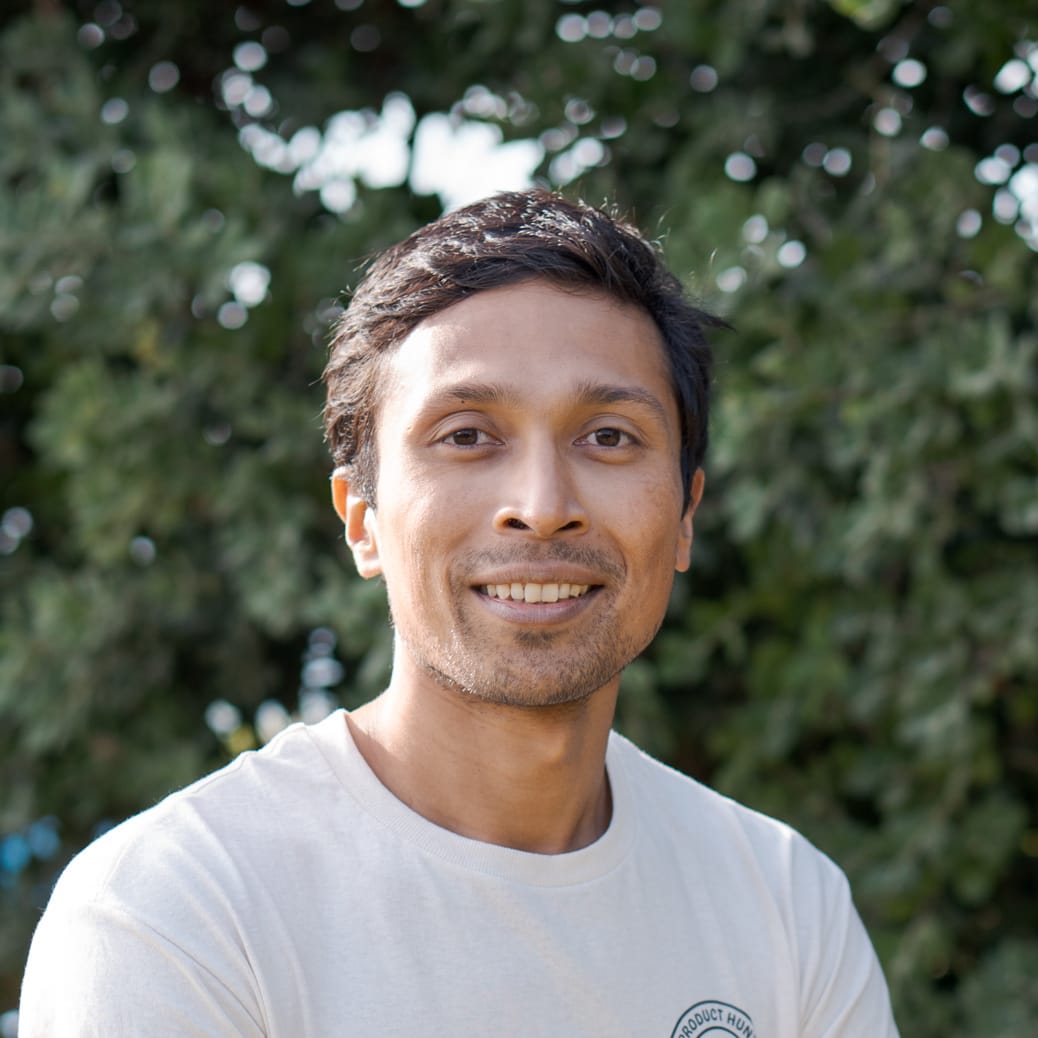
Rajiv Ayyangar Keeps Launching Into the Unknown
Product Hunt’s CEO learned to treat launches as questions, pivots as evidence, and a winding career as useful terrain. Now he is shaping the platform that once gave his own strange ideas their first audience.
Seb Poole Is Teaching the Help Desk to Finish the Job
After a decade inside startups, Seb Poole has developed a particular dislike for software that records a problem and leaves a human to solve it. His new company, Modern, is an attempt to make enterprise IT software do the work hiding behind the ticket.

Leon Leong Has Spent Two Decades Building the Business Between People
Before workplace software became his brief, Leon Leong was building online communities from a 90-square-foot university incubator. Two exits and one Y Combinator batch later, his durable product is a way of turning trust into infrastructure.

Mariano Werner Has a Taste for the Messy Middle
The Argentine lawyer turned operator spent years advising companies, then chose to carry the consequences himself. After Lemontech and an Examedi turnaround, his next assignment is scaling Toku in Chile.

Johnny Chen Failed His Way Into Code - Then Built AI for Dentistry’s Least Loved Work
Two dropped computer-science classes, three bootcamp interviews and more than 140 job interviews taught Johnny Chen a useful operating system: keep moving, build the thing, and aim automation at work people already dread.
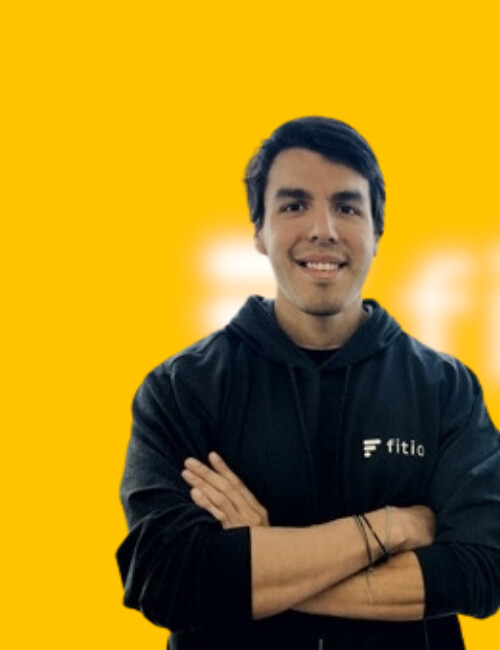
Piero Linares Quit the Spreadsheet to Build a Habit
A childhood friendship, four years in corporate finance and one late-night phone call from Y Combinator shaped Fitia. Piero Linares is still turning those ingredients into a global consumer company, one carefully measured product decision at a time.

Anne-Sybille Pradelles Is Making Money Keep Its Receipts
The Formance co-founder learned how companies grow at cybersecurity startup Alsid. Now she is applying the lesson to a quieter problem: making every dollar in motion explain itself.