solid-tumors
(12)
The Chemist Who Wants to Build a Kinder Cancer Drug
He spent 25 years learning how cancer drugs fail. Now he is running a company built on the idea that the next generation can be safer, steadier, and easier to live with.
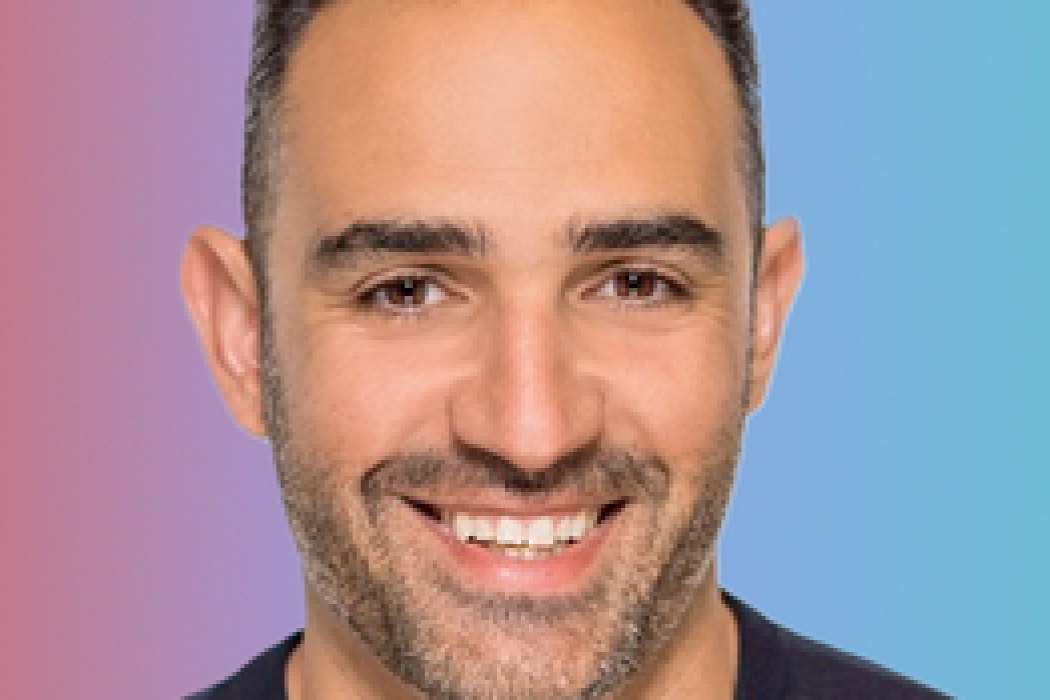
Sabah Oney
Sabah Oney is the president and CEO of Dispatch Bio, a Philadelphia- and San Francisco-based biotech engineering a universal treatment for solid tumors using CAR-T cell therapy. Born in Cyprus and in the U.S. since age 18, he holds a genetics degree from the University of Kansas, a PhD in genetics and genomics from Duke, and an MBA from Stanford. Across nearly two decades in biotech he helped scale Ariosa Diagnostics (acquired by Roche), took Alector public as its chief business officer, co-founded Vilya, and served as a venture partner at ARCH. Dispatch launched publicly in 2025 with $216 million behind its FLARE platform and CAR-T pioneer Carl June among its founders.
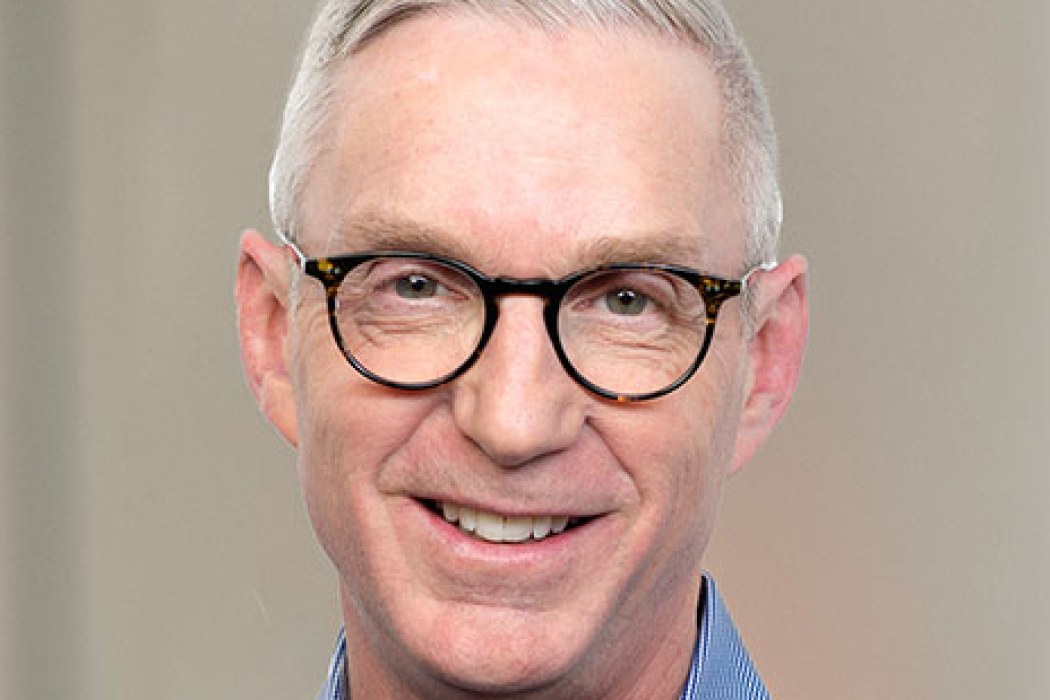
Tom Soloway
Tom Soloway is the Chief Executive Officer of T-knife Therapeutics, a transatlantic biotech developing T-cell receptor (TCR-T) therapies aimed at solid tumors. With more than 25 years across strategy, operations, corporate finance and venture capital, he has helped build and finance a string of life sciences companies including Transcept Pharmaceuticals, Ascendis Pharma and Audentes Therapeutics. He took the helm of T-knife in January 2021, positioning the Berlin- and San Francisco-based company to move its 'supercharged' TCR-T candidates into the clinic while staying lean and capital-efficient.
Filippo Petti
Filippo Petti is the Chief Executive Officer of Leucid Bio, a London-based clinical-stage biotech developing next-generation CAR-T cell therapies for solid tumours built on a proprietary lateral CAR platform spun out of two decades of King's College London research. Appointed CEO in July 2023, Petti pairs a bench-science start at OSI Pharmaceuticals with years on Wall Street as a healthcare investment banker and equity analyst, and a prior run leading Celyad Oncology as CEO and CFO. Under his watch, Leucid moved its lead asset LEU011 into the AERIAL Phase I/IIa trial, reporting early proof-of-concept in relapsed/refractory solid tumours in late 2025.
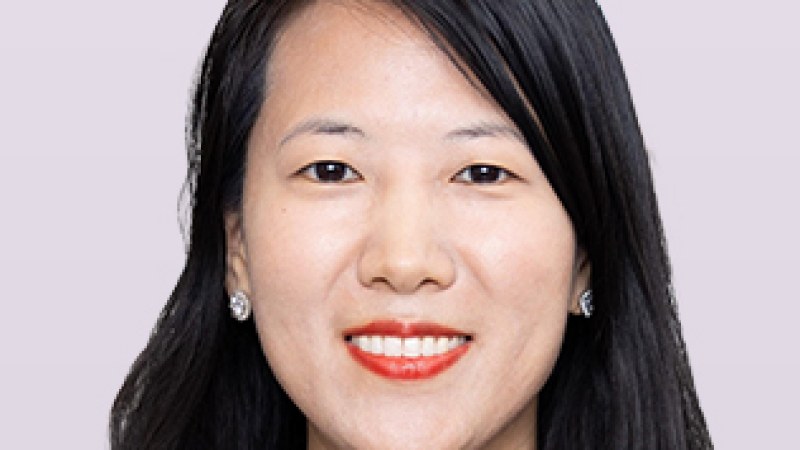
Li Sun
Li Sun is the founder and CEO of Shennon Biotechnologies, a San Francisco single-cell immunotherapy company that profiles millions of immune cells in hours to pinpoint the rare T cells and antibody targets that fight cancer. A physicist by training (PhD from Harvard's Weitz lab, M.Eng from MIT), she spent five years as a deep-tech venture investor at Bessemer and Foundation Capital before building the platform herself. Shennon emerged from stealth in March 2023 with a $13M seed round led by DCVC.
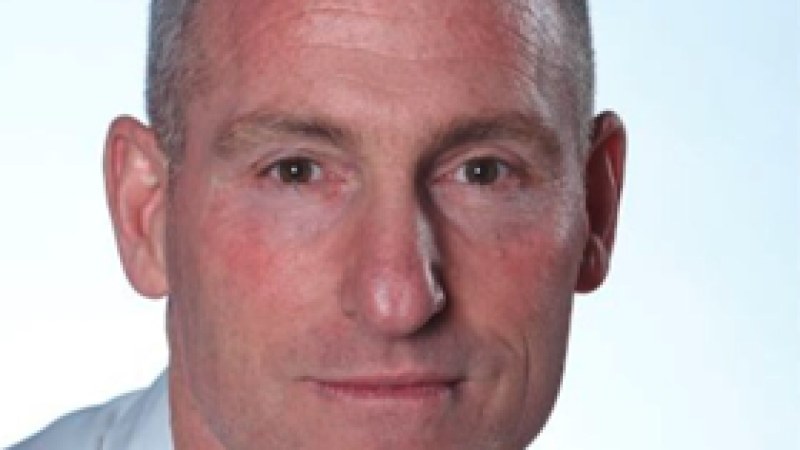
Ken Drazan
Ken Drazan is the Chairman, CEO and co-founder of Arsenal Biosciences (ArsenalBio), a South San Francisco clinical-stage company building computationally designed, programmable T-cell therapies to attack solid tumors. A board-certified liver transplant surgeon turned operator and investor, he previously was President and Chief Business Officer of GRAIL (acquired by Illumina), founded the robotic surgery company Verb Surgical (acquired by Johnson & Johnson), and co-founded the private equity firm Bertram Capital. At ArsenalBio he has raised hundreds of millions of dollars and forged collaborations with Bristol Myers Squibb and Genentech, betting that gene-edited 'integrated circuit' T cells - and an AI foundation model of the T cell - can turn cell therapy into something curative for cancers that have resisted it.
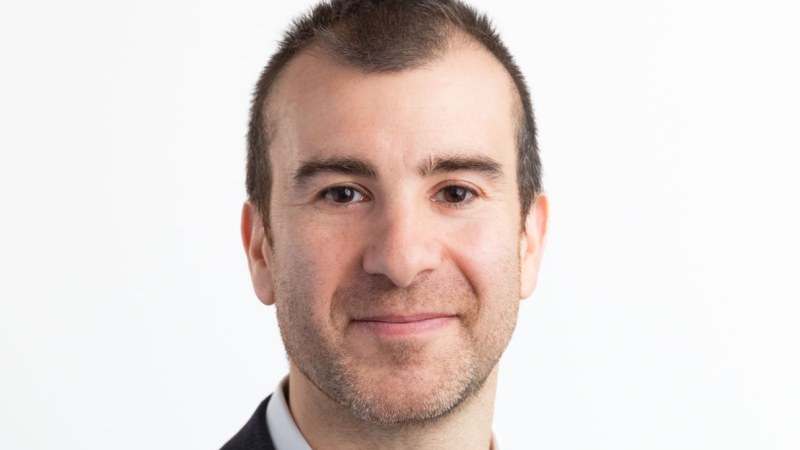
Marc Lajoie
Marc Lajoie is a protein designer turned biotech CEO. He co-founded Outpace Bio in 2021 in Seattle, where he is chief executive, building engineered cell therapies that aim to bring the kind of cures seen in blood cancers to the solid tumors that make up the vast majority of cancer cases. Trained in George Church's genome-engineering lab at Harvard and David Baker's Institute for Protein Design at the University of Washington, Lajoie helped pioneer the design of proteins with moving parts - molecules that compute, switch, and make decisions inside living cells. Outpace raised a $144M oversubscribed Series B in 2024 to push its AI-powered, protein-designed therapies toward the clinic.
Howard Davis
Howard Davis, Ph.D., is the CEO of Akamis Bio, a clinical-stage oncology company in Cambridge, Massachusetts building tumor gene therapies on its proprietary T-SIGn platform. A chemical engineer turned biomedical engineer, he spent two decades moving between Boston Consulting Group, Novartis, Biogen, Flagship Pioneering and Atlas Venture before taking the top job at the company once known as PsiOxus. His current mission: prove that an adenoviral therapy delivered through a vein - not a needle into the tumor - can reach metastatic cancer the body has hidden, and turn those tumors against themselves.
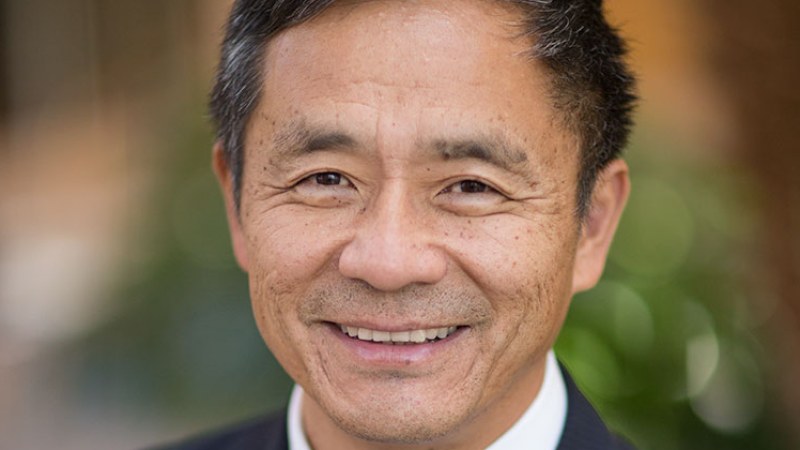
Cheng Liu
Cheng Liu is the founder, President, and CEO of Eureka Therapeutics, Inc., a clinical-stage biopharmaceutical company based in Emeryville, California. A molecular cell biologist trained at UC Berkeley and Peking University, Liu invented a novel class of TCR mimic antibodies that allow engineered T cells to recognize intracellular tumor antigens - a major challenge in treating solid tumors. Since founding Eureka in 2006 after a decade at Chiron/Novartis, he has built a pipeline of ARTEMIS T-cell therapies targeting liver cancer, multiple myeloma, and neuroblastoma, with the company's ECT204 program earning FDA RMAT Designation in January 2026 - one of the highest-priority designations the FDA gives to regenerative medicine therapies. Eureka has raised over $168 million in total funding and holds more than 500 patents worldwide.
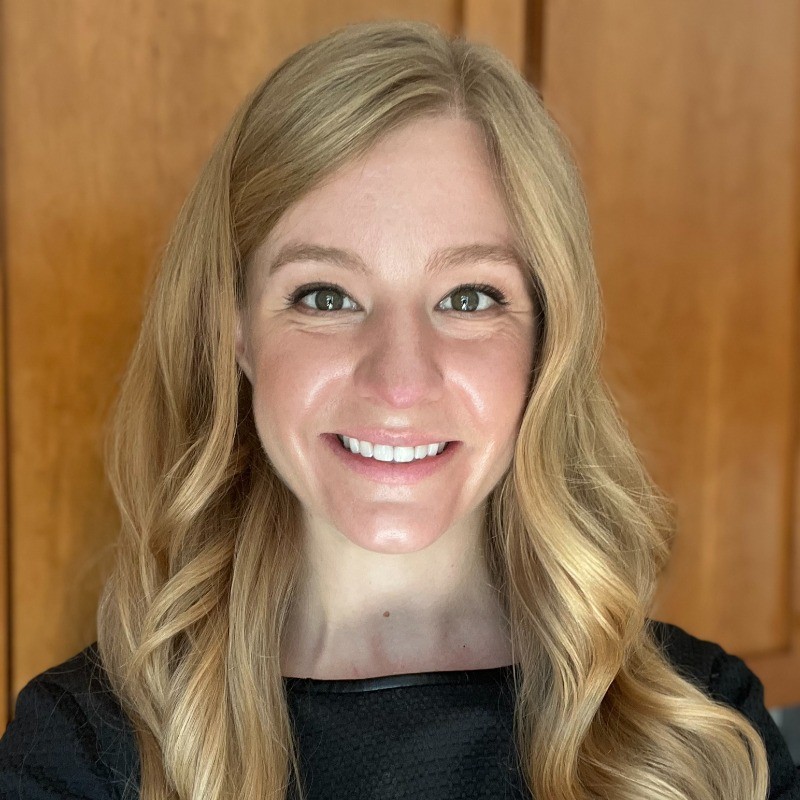
Moriah Nachbaur
Moriah Katherine Nachbaur is the Chief Business Officer at Pheast Therapeutics, a clinical-stage immuno-oncology company in Redwood City, California, pioneering macrophage checkpoint inhibitors to teach the immune system to destroy cancer cells. Drawing on two decades of cross-functional biopharma experience - from lab benches at Genentech to executive boardrooms at Coherus BioSciences and her own consulting firm MKN Biotech - she brings a rare blend of scientific literacy, operational depth, and strategic vision to one of oncology's most promising new frontiers: the innate immune system's untapped power against solid tumors.
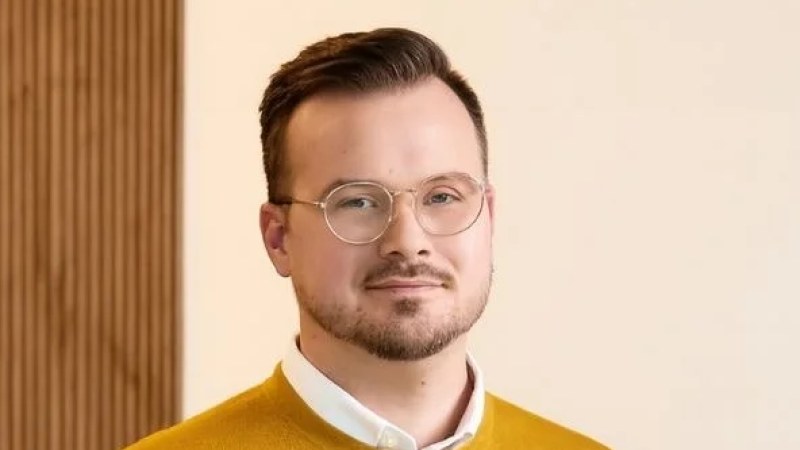
Roy Maute
Roy Maute is co-founder and CEO of Pheast Therapeutics, a clinical-stage biotech in Redwood City, CA, developing macrophage-targeted cancer immunotherapies. Trained at UC Berkeley, Columbia (PhD, Genetics), and Stanford (postdoc under Irving Weissman), Maute has built a career at the intersection of innate immunology and drug development. Before Pheast, he co-founded Ab Initio Biotherapeutics (acquired by Ligand in 2019) and led translational research at Forty Seven Inc. ahead of its $4.9B acquisition by Gilead in 2020. At Pheast, he is advancing PHST001, a novel anti-CD24 antibody that teaches macrophages to eat cancer cells, currently in Phase 1 clinical trials with FDA Fast Track Designation for ovarian cancer.
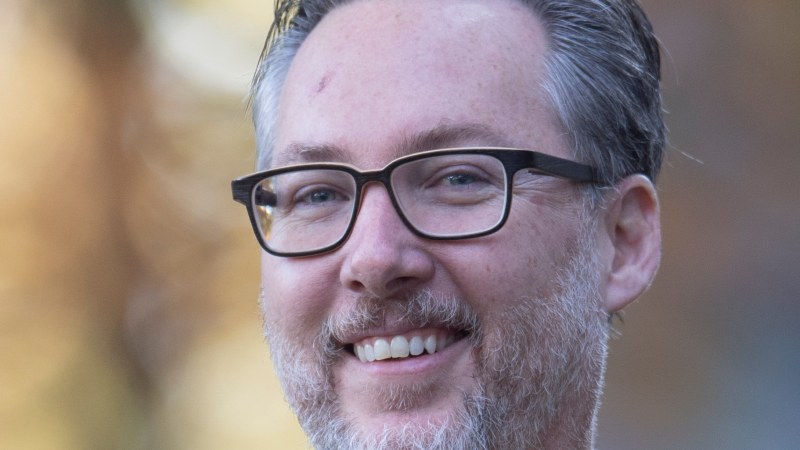
Scott Clarke
Scott Clarke is the CEO of CatalYm GmbH, a Munich-based biotech company developing visugromab, a monoclonal antibody targeting GDF-15 to reverse cancer immunotherapy resistance. With over 20 years in biopharmaceuticals - spanning Roche's global oncology partnering, BioMarin, Tizona Therapeutics, and Ambagon Therapeutics - Clarke joined CatalYm in January 2025 to lead the company's $319M-funded push through Phase 2b clinical trials, building on visugromab's striking Phase 1/2a results published in Nature showing durable responses lasting 28-32+ months in multiple solid tumor types.