soil-carbon
(9)
Guy Hudson’s climate bet starts with a seed
A conversation in a drought-stricken corner of New South Wales led Guy Hudson toward an unlikely climate business. At Loam Bio, the work of turning fungi into farm income has taken years, patient investors and close attention to the sowing calendar.
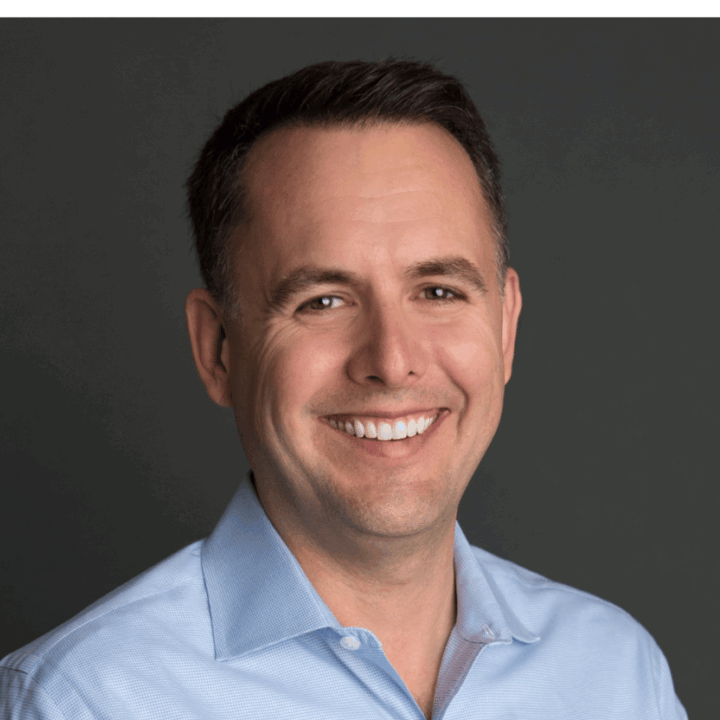
Rob Hranac Is Taking the Long Way Down to Scale Climate Tech
After years spent making roads legible, GPS precise and soil measurable, Rob Hranac has arrived at Loam Bio with a practical brief: turn microscopic fungi into something farmers can trust at field scale.

Chris Tolles Is Building a Tape Measure for the Dirt
The furniture designer turned climate founder is betting that better soil data can make carbon claims more credible - and regenerative agriculture more useful to the people who actually work the land.

The Dirt Is Cheap. Proving It Is Not: Yard Stick's Bet on Better Soil Carbon Data
Soil can store carbon, but the proof has been slow, costly and easy to distrust. Yard Stick is building the measurement layer that tells carbon-project developers and food companies whether the dirt is actually doing what the spreadsheet promised.
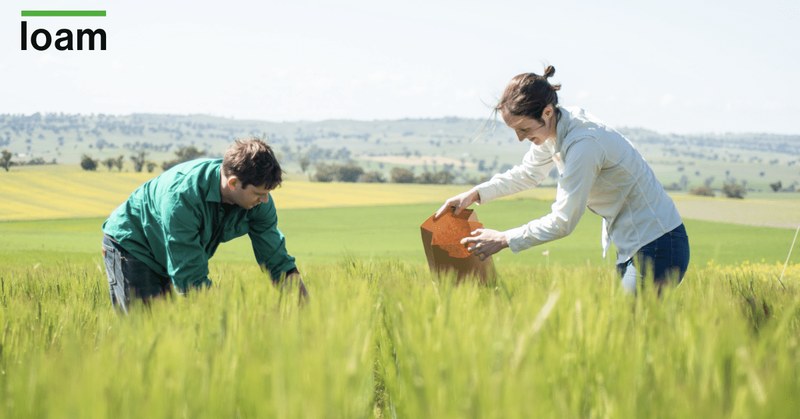
Loam Bio
Loam Bio is an Australian agricultural biotechnology company using naturally occurring microbial fungi to help crops store more stable, long-lasting carbon in soil. Founded in 2019 by a group of farmers and climate scientists, it coats seeds with its CarbonBuilder inoculum so plants pull atmospheric CO2 into recalcitrant, mineral-bound soil carbon, and pairs the biology with its SecondCrop program that helps growers measure, verify and sell soil carbon credits. Backed by more than US$119M from investors including Lowercarbon Capital, Wollemi Capital and Marc Benioff's Time Ventures, Loam is scaling from its Orange, NSW base into the United States.
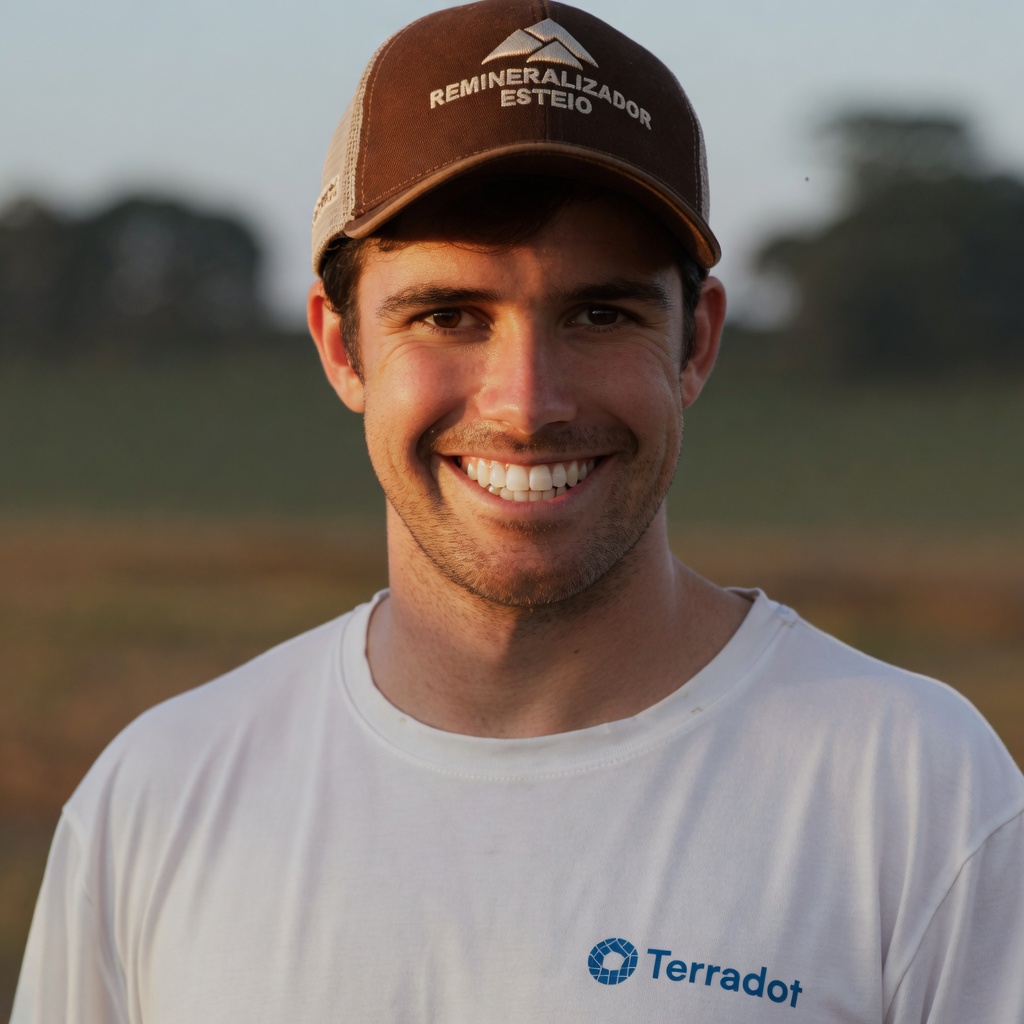
James Kanoff
James Kanoff is the co-founder and CEO of Terradot, a climate company using enhanced rock weathering to pull carbon dioxide out of the atmosphere by spreading crushed silicate rock across farmland. He launched Terradot in 2024 with $58.2M in funding, including a $54M Series A led by Kleiner Perkins and backing from Google, Microsoft, John Doerr and Sheryl Sandberg, and has already signed some of the largest carbon-removal deals in the field's history. Before Terradot, while a Stanford undergraduate sent home during the COVID-19 pandemic, he co-founded The Farmlink Project, a nonprofit that has rescued well over 130 million pounds of surplus food for communities facing hunger.

Varaha
Varaha is an India-based climate-tech company that builds high-integrity carbon removal projects in the Global South. Working with roughly 170,000 smallholder farmers across about 1.7 million acres, it generates verified carbon credits through four pathways - regenerative agriculture, agroforestry, biochar, and enhanced rock weathering - and quantifies the results with a measurement, reporting and verification (MRV) platform powered by remote sensing, machine learning and field science. Its credits are bought by buyers like Google, Microsoft, Lufthansa and Swiss Re.
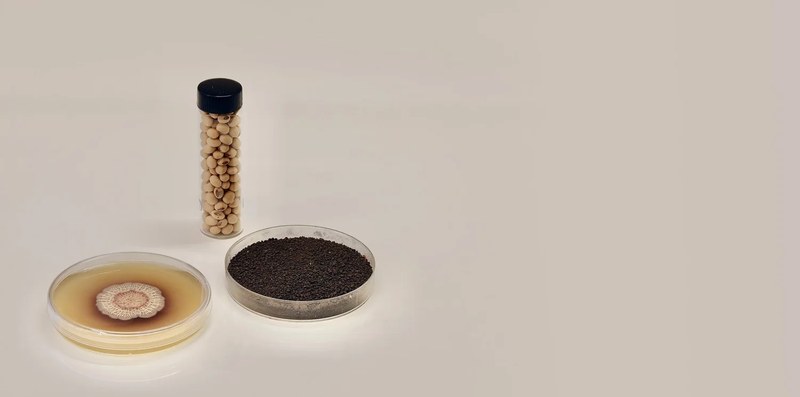
Andes
Andes is a climate-tech and agricultural biotechnology company using beneficial soil microbes - applied as a seed coating on corn, soybean, canola and wheat - to convert atmospheric CO2 into stable soil inorganic carbon. Founded in 2016 by Gonzalo Fuenzalida and Tania Timmermann and headquartered in Alameda, California, Andes pairs microbial biology with field-scale measurement to deliver permanent, low-cost carbon removal across millions of acres of working farmland.
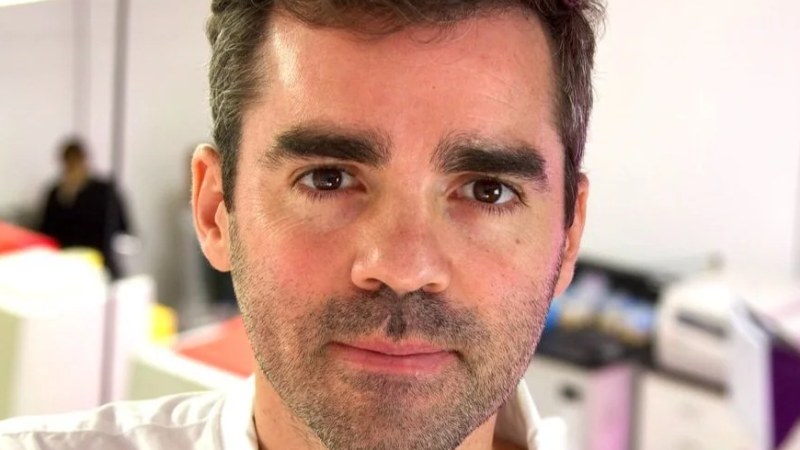
Gonzalo Fuenzalida-Meriz
Gonzalo Fuenzalida-Meriz is a Chilean-born entrepreneur and CEO & Co-Founder of Andes, a California-based climate tech company that deploys beneficial soil microbes via seed coatings to permanently lock atmospheric CO2 into soil minerals. A former investment banker turned biotech founder, he led development of the world's first Microbial Carbon Mineralization (MCM) Methodology — validated under ISO 14064 — and has raised $41M+ to scale a platform that simultaneously improves farm yields and generates durable carbon credits.