soil-carbon
(4)
The Dirt Is Cheap. Proving It Is Not: Yard Stick's Bet on Better Soil Carbon Data
Soil can store carbon, but the proof has been slow, costly and easy to distrust. Yard Stick is building the measurement layer that tells carbon-project developers and food companies whether the dirt is actually doing what the spreadsheet promised.
Loam Bio
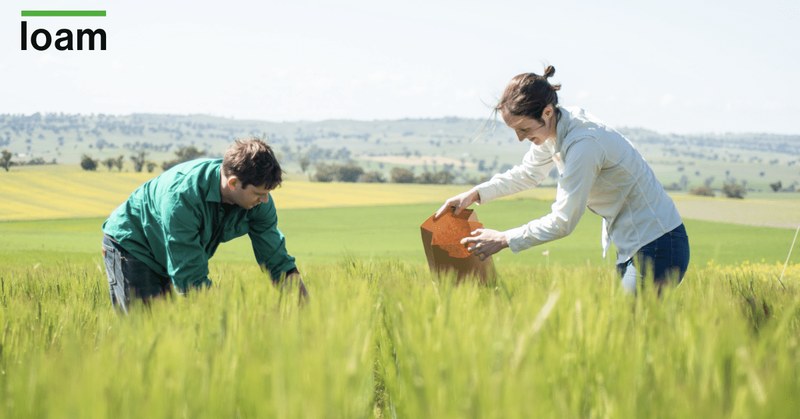
Loam Bio is an Australian agricultural biotechnology company using naturally occurring microbial fungi to help crops store more stable, long-lasting carbon in soil. Founded in 2019 by a group of farmers and climate scientists, it coats seeds with its CarbonBuilder inoculum so plants pull atmospheric CO2 into recalcitrant, mineral-bound soil carbon, and pairs the biology with its SecondCrop program that helps growers measure, verify and sell soil carbon credits. Backed by more than US$119M from investors including Lowercarbon Capital, Wollemi Capital and Marc Benioff's Time Ventures, Loam is scaling from its Orange, NSW base into the United States.

Varaha
Varaha is an India-based climate-tech company that builds high-integrity carbon removal projects in the Global South. Working with roughly 170,000 smallholder farmers across about 1.7 million acres, it generates verified carbon credits through four pathways - regenerative agriculture, agroforestry, biochar, and enhanced rock weathering - and quantifies the results with a measurement, reporting and verification (MRV) platform powered by remote sensing, machine learning and field science. Its credits are bought by buyers like Google, Microsoft, Lufthansa and Swiss Re.
Andes
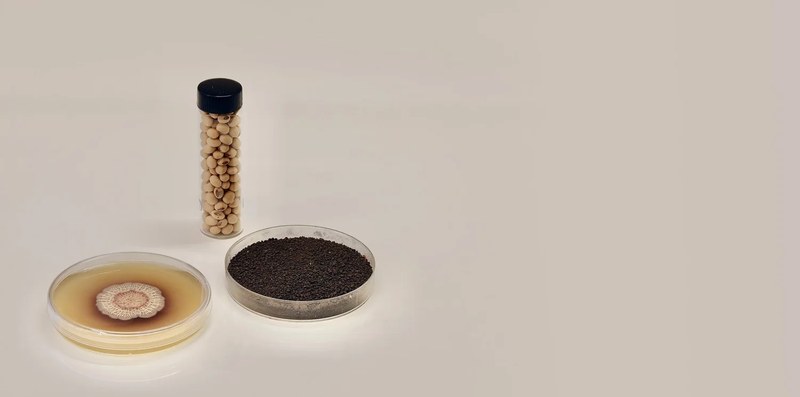
Andes is a climate-tech and agricultural biotechnology company using beneficial soil microbes - applied as a seed coating on corn, soybean, canola and wheat - to convert atmospheric CO2 into stable soil inorganic carbon. Founded in 2016 by Gonzalo Fuenzalida and Tania Timmermann and headquartered in Alameda, California, Andes pairs microbial biology with field-scale measurement to deliver permanent, low-cost carbon removal across millions of acres of working farmland.